
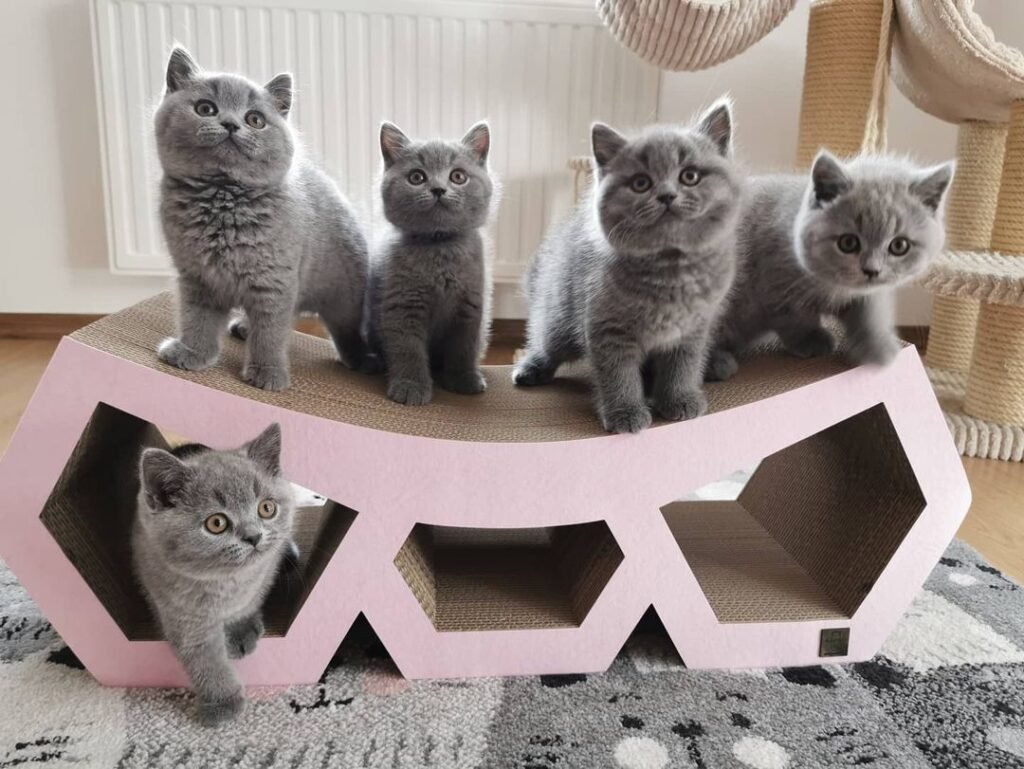
Bringing a British Shorthair kitten into your home can be an incredibly rewarding experience, as these charming felines are known for their affectionate nature, unique appearance, and playful personalities. However, caring for a kitten requires preparation and knowledge to ensure they grow up healthy and happy. This complete beginner’s guide will walk you through everything you need to know about British Shorthair kitten care, from understanding their breed characteristics to creating a safe and nurturing environment, establishing proper nutrition, and ensuring their health and well-being. Whether you are a first-time pet owner or looking to expand your feline family, this guide will provide you with the essential information to help your new companion thrive.
Understanding the British Shorthair Breed
History and Origins
The British Shorthair has a storied past that dates back to the Roman times when they were brought to Britain by invading soldiers. These felines were valued for their robust size and excellent hunting skills, making them the original “mice-hunters” of the British Isles. Over the years, they have gone from being a practical working cat to a beloved companion, thanks in no small part to their charming round faces and plush coats. They officially gained popularity in the late 19th century, even strutting their stuff at cat shows like they owned the catwalk, which, let’s be honest, they pretty much did.
Physical Characteristics
British Shorthairs are known for their stocky, muscular build and broad, round heads. With chunky cheeks that could rival a chipmunk and large, expressive eyes—often copper or gold—these cats are the epitome of cuteness. Their short, dense coats come in a variety of colors and patterns, but the classic blue (think of a well-mannered storm cloud) is the most recognized. They have sturdy legs and round paws that contribute to their robust frame, making them look like fluffy little tanks.
Temperament and Personality Traits
If you’re looking for a cat with personality, the British Shorthair will not disappoint. They are known for their calm, easygoing demeanor. Think of them as the chill roommate who never leaves dirty dishes in the sink. While they enjoy a cuddle, they’re also quite independent and can entertain themselves, making them great for those with busy lifestyles. They are affectionate but not overly demanding, which means they won’t be following you around like a little shadow—more like a royal observer.
Preparing Your Home for a British Shorthair Kitten
Safe Spaces and Play Areas
Creating safe spaces for your British Shorthair kitten is essential, as they are curious little explorers. Designate areas where they can climb, play, and scratch without getting into trouble (or getting you into trouble). Cat trees or shelves are great for this, giving them a vantage point from which to survey their kingdom. Also, consider cozy hiding spots—because what’s a cat life without a few secret lairs?
Kitten-Proofing Your Home
Kittens are like tiny tornadoes on a mission! Before your furball arrives, do a thorough sweep of your home. Secure loose wires, remove toxic plants, and stash away fragile items that could become casualties in their enthusiastic playtime. Also, make sure to check any nooks and crannies where a tiny paw might get stuck—kittens are masters of finding the most inconvenient hiding spots.
Choosing the Right Environment
British Shorthairs thrive in a calm environment, so aim for a relaxing atmosphere free from loud noises and dramatic cat fights (theirs or yours). Provide a mix of sunny spots for napping and cozy corners for hiding. If possible, designate a quiet room where your kitten can retreat if things get a little too bustling. And, of course, make sure there’s plenty of room for you to join in on the fun!
Essential Supplies for Your New Kitten
Kennels and Beds
Choosing the right bed for your British Shorthair is critical—they are experts at finding the coziest spots! Look for soft, supportive beds that can accommodate their stocky build. A kennel is also a good idea, not just for travel but to provide your kitten a safe space for downtime. Remember, they will likely claim your lap as their first choice, so make sure their bed is the second best option!
Food and Water Bowls
Invest in some sturdy food and water bowls—preferably non-tip ones, because kittens are often more energetic than graceful. Stainless steel or ceramic bowls are great choices since they’re easy to clean and won’t harbor bacteria like plastic can. Make sure the water bowl is always filled with fresh water; hydration is key in keeping your little cutie healthy!
Toys and Enrichment Items
Toys are crucial for keeping your British Shorthair entertained and mentally stimulated. Opt for a mix of interactive toys (think feather wands or laser pointers) and solo options (like balls or stuffed mice) to satisfy their hunting instincts. Scratching posts are also a must—after all, you want your new furniture to survive their kitten stage, right?
Litter Boxes and Supplies
A clean litter box is a non-negotiable! Choose a box that’s easy for your kitten to get in and out of, and consider a non-clumping, unscented litter that’s gentle on their tiny paws. Regular cleaning is key—kittens are like tiny divas when it comes to their bathroom habits, and they won’t hesitate to choose your favorite carpet instead if their litter box isn’t up to standard.
Nutrition and Feeding Guidelines
Choosing the Right Food
When it comes to food, quality is king! Look for high-quality kitten food that lists meat as the first ingredient, because growing paws need lots of protein. You can choose between dry kibble and wet food, or a mix of both for variety. Just be wary of suddenly switching foods; kittens can have sensitive stomachs, and you don’t want to be cleaning up more than you bargained for!
Feeding Schedule and Portion Control
Establishing a consistent feeding schedule will help keep your British Shorthair healthy and happy. Most kittens benefit from being fed three to four small meals a day. Just remember, their adorable faces can be quite persuasive, so be careful with portion control—no one likes a kitty who thinks they’re the reincarnation of a sumo wrestler!
Common Dietary Concerns
Watch out for common dietary concerns such as obesity, especially since British Shorthairs have a tendency to enjoy their food a little too much. Keep an eye on their weight and consult your vet about feeding guidelines tailored to your kitten’s growth stage. Any sudden changes in appetite or behavior should also prompt a trip to the vet. After all, we want our fluffy overlords to stay healthy and happy!
Health Care and Veterinary Visits
Vaccination Schedule
To keep your British Shorthair kitten in tip-top shape, vaccinations are a must. Start with a visit to the vet when your kitten is around 8 weeks old. The usual suspects in the vaccination lineup include FVRCP (feline viral rhinotracheitis, calicivirus, and panleukopenia) and rabies. Generally, you’ll need a booster shot around 12 weeks and again at 16 weeks. After that, annual vaccinations should keep your furball protected from all the nasty critters out there. Just remember—shots aren’t just for dogs at the vet.
Spaying and Neutering
It’s time to have “the talk” with your British Shorthair! Spaying or neutering is not just a rite of passage; it’s essential for their health and wellbeing. Most veterinarians recommend doing this between 4 to 6 months of age. It helps prevent unwanted litters and reduces the risk of certain health issues. Plus, it might save your furniture from becoming a scratching post during that infamous “heat” season. A win-win!
Common Health Issues in British Shorthairs
Like a well-tailored suit, British Shorthairs come with their own set of quirks. They can be prone to specific health issues, including hypertrophic cardiomyopathy (a heart condition), obesity, and dental problems. Regular check-ups and a balanced diet are vital to preventing these issues. Keep an eye out for any changes in behavior or appetite; they can be your first red flag that something’s amiss. And if you see your kitten knock over that precious vase again, it’s likely just standard British Shorthair mischief, not a health issue!
Socialization and Training Tips
Introducing Your Kitten to Family Members
When welcoming your new British Shorthair into your home, think of yourself as a diplomat introducing a royal guest! Start by letting your kitten explore its new kingdom at its own pace. Gradually introduce family members, ensuring everyone knows to give the little prince or princess space. Use treats and gentle talking to build trust. A few play sessions and lots of treats will make your kitten feel like the center of attention—because, let’s be honest, they totally are!
Basic Training Techniques
Training a British Shorthair is much like training a teen with their first smartphone: it requires patience, positive reinforcement, and the occasional bribe (a.k.a. treats). Start with basic commands like “sit” and “come” using treats as motivation. Be consistent, and remember they have an independent streak—don’t be surprised if they choose to ignore you for a nap instead. Also, clicker training can work wonders, turning your little fluff into a well-behaved companion in no time!
Understanding Feline Body Language
Every British Shorthair has a story to tell, and they’re not shy about showing it through body language. If the ears are forward and the tail is up, your kitten is ready for playtime. But if the ears are flat and the tail flicks, it’s best to take a step back. Understanding these signals can help you connect with your kitten, avoid potential drama, and ensure that your home remains a peaceful kingdom. And let’s face it, no one needs a royal tantrum over a misplaced toy mouse!
Grooming and Maintenance
Brushing and Coat Care
British Shorthairs have a plush, dense coat that requires regular brushing to keep it looking purr-fect. Aim for brushing your kitten at least once a week. It’s a great bonding activity and helps reduce shedding—less fur on your favorite black sweater! A slicker brush or a grooming glove will do the trick. Plus, your kitten will love the attention, and who can resist those adorable purring sounds when they’re being pampered?
Nail Trimming and Ear Cleaning
No one wants to be the owner of a kitten with claws sharper than a ninja’s sword! Trim those nails every few weeks to prevent them from turning into tiny weapons of mass destruction. As for ear cleaning, it doesn’t have to be an Olympic sport. A cotton ball dampened with a vet-approved solution will help keep those ears clean. Just remember to reward your kitten afterward so they associate grooming with treats and cuddles!
Bathing Your British Shorthair
Bathing a British Shorthair may seem daunting, but it’s not an insurmountable task! While these cats aren’t big fans of water, a bath may occasionally be necessary—like after a particularly naughty adventure involving mud or mystery goo. Use a gentle cat shampoo and lukewarm water. Make sure to have treats on hand for afterwards! Don’t forget the towel—because, let’s face it, a wet kitten is basically a tiny tornado of fluff and drama!
Common Behavioral Traits and Solutions
Playfulness and Energy Levels
British Shorthairs are known for their calm demeanor, but don’t let that fool you into thinking they lack energy! These kittens can be playful little dynamos, often engaging in spontaneous zoomies. Daily playtime sessions with toys that spark their hunting instincts will keep them happy and healthy. Just remember to keep your breakables out of reach—you don’t want to see your cherished vase become collateral damage in a game of “catch the feather.”
Managing Scratching and Climbing
When it comes to scratching, British Shorthairs can be relentless. But fear not! Provide plenty of scratching posts and climbing trees to direct their energy. You can even use catnip to make these areas more appealing. If they still choose the couch over the scratching post, try a little deterrent spray to encourage them to rethink their life choices. After all, a happy cat is one that knows what’s off-limits!
Addressing Anxiety and Stress
Even the most laid-back British Shorthair can feel a bit anxious from time to time. Keep an eye out for signs of stress, like excessive grooming or hiding. Create a cozy, quiet space with their favorite blanket and toys where they can retreat when the world feels overwhelming. Pheromone diffusers can also work wonders in creating a calm environment. And remember, just like us, sometimes a good cuddle session is the best remedy for stress! Caring for a British Shorthair kitten can be a delightful journey filled with love and companionship. By understanding their unique needs and following the guidelines outlined in this article, you can create a nurturing environment that supports their growth and happiness. Remember that every kitten is an individual, and taking the time to bond with your new furry friend will enhance both your lives. With patience, care, and a little commitment, you’ll soon find that your British Shorthair has become an cherished member of your family.
Frequently Asked Questions
How much exercise does a British Shorthair kitten need?
British Shorthair kittens are playful and energetic, requiring at least 15-30 minutes of interactive play each day to keep them stimulated and healthy. Providing a variety of toys and engaging in playtime will help meet their exercise needs.
What should I feed my British Shorthair kitten?
A high-quality kitten food that meets their nutritional requirements is essential. Look for options that are rich in protein and formulated specifically for kittens, and consult your veterinarian for personalized recommendations based on your kitten’s age and health.
How often should I take my British Shorthair kitten to the vet?
Kittens should have their first veterinary visit as soon as possible after adoption, typically within the first few weeks. Regular check-ups are important, with vaccinations usually scheduled every 3-4 weeks until they are about 16 weeks old. After that, annual visits are recommended.
Are British Shorthairs good with children and other pets?
Yes, British Shorthairs are generally known for their friendly and calm demeanor, making them great companions for children and other pets. Early socialization and positive interactions can help ensure they adapt well to family life.