
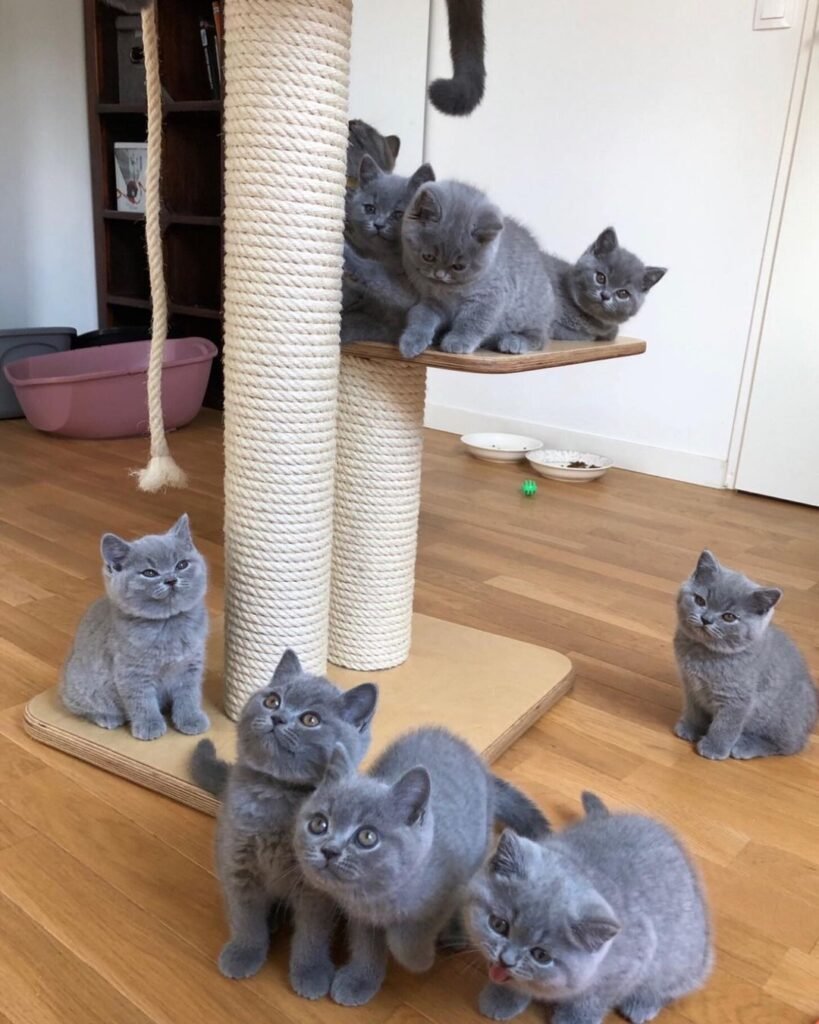
The British Shorthair is a beloved and iconic breed known for its robust build, dense coat, and charming personality. As interest in these cats continues to grow, so does the importance of finding a reputable breeder who prioritizes health, ethics, and responsible breeding practices. This article aims to guide prospective pet owners through the process of selecting the best British Shorthair breeders in the UK. By providing an overview of the breed, criteria for evaluating breeders, and insights into health testing and ethical practices, this comprehensive resource will help ensure that you find a healthy, well-bred kitten to join your family.
Overview of the British Shorthair Breed
History and Origin
The British Shorthair is a feline superstar with a history that dates back to Roman times. These charming cats were originally bred for their hunting prowess and were valued for controlling vermin. Over the centuries, they’ve evolved from rugged outdoor cats to pampered companions, gaining popularity thanks to their stout build and plush coats. The breed’s big break came after winning the “Best in Show” title at the first cat show in 1871, solidifying their place as the go-to breed for cat lovers.
Physical Characteristics
The British Shorthair is the definition of “cute but tough.” They have a rounded head, chubby cheeks, and large, expressive eyes that can be copper, gold, or blue, depending on their coat color. Their dense, plush coat comes in a variety of colors and patterns, but that classic British Blue is probably the most recognized. With a sturdy build and muscular frame, these cats are like little furry tanks—adorable but definitely not delicate!
Temperament and Personality
If you’re looking for a cat that’s as chill as a cucumber but also enjoys a playful romp, meet the British Shorthair! They are affectionate without being clingy, making them perfect for both introverts and extroverts. These cats are known to be easygoing, friendly, and quite intelligent. They’re not the type to demand attention every second but will happily curl up on your lap after a good play session. Plus, they have a quirky tendency to follow their humans around like little furry shadows, which is both endearing and slightly comedic!
Criteria for Selecting a Reputable Breeder
Licensing and Registration
First things first—make sure your potential breeder has the right credentials. A reputable breeder should be fully licensed and registered with recognized cat breeding organizations. This ensures they adhere to ethical breeding practices and prioritizes the health and well-being of their cats. Don’t be shy; ask for documentation to confirm they’re the real deal!
Breeding Environment
The environment where the kittens are raised speaks volumes about a breeder’s commitment to quality. You want to ensure that the breeding facility is clean, safe, and socialized. A good breeder will let you visit and meet the cats in their home; if they hesitate or push for a quick sale, that’s usually a red flag. Kittens raised in a loving, stimulating environment are more likely to grow into well-adjusted adults.
Communication and Support
An excellent breeder will be just as invested in your kitten’s future as you are. They should be willing to answer your questions, provide ongoing support, and share valuable insights about the breed. Good communication is key; if they ignore your emails or are hard to reach, you might want to reconsider. A responsible breeder will be a partner in your pet parent journey, ready with advice about care, health, and training.
Top British Shorthair Breeders in the UK
Regional Breeders
When it comes to finding the purr-fect British Shorthair, regional breeders are a great place to start. From the rolling hills of the Cotswolds to the bustling streets of London, you’ll find passionate breeders dedicated to their cats. Look for breeders who are known in your area, as they’ll have established reputations and happy clientele nearby.
Notable Breeding Programs
Keep an eye out for some standout breeding programs that have made a name for themselves in the British Shorthair community. These breeders typically focus on health, temperament, and breed standards, ensuring their kittens are not just adorable but also well-adjusted. Programs that regularly participate in cat shows can also be an indicator of quality and commitment to excellence.
Contact Information and Websites
Many reputable breeders will have a website where you can explore their breeding philosophy, available kittens, and contact information. Be sure to look for breeders who provide detailed information about their kittens and breeding practices. A quick online search can help you discover the best breeders in your area, complete with reviews and testimonials from happy cat owners.
Health Testing and Genetic Considerations
Common Health Issues in British Shorthairs
While British Shorthairs are generally healthy, they can be prone to specific health issues such as hypertrophic cardiomyopathy (HCM) and obesity. Regular check-ups and a healthy diet are essential to keep these cats in tip-top shape. It’s crucial to choose a breeder who screens their breeding cats for these common health problems to reduce the risk of passing on genetic issues.
Importance of Health Screening
Health screening is more than just a buzzword—it’s a vital part of responsible breeding. Ensure that your chosen breeder conducts health tests on their breeding cats to screen for genetic conditions. This not only supports the overall health of the breed but also gives you peace of mind as a new cat parent. Remember, a healthy cat equals a happy cat!
Genetic Testing for Breeding Cats
Genetic testing has become a game-changer in the world of cat breeding. A good breeder will invest in genetic testing to identify potential health risks and make informed breeding decisions. This proactive approach helps to reduce the likelihood of hereditary conditions in their kittens. So, when talking to breeders, don’t hesitate to ask about their genetic testing practices—it’s a smart move for the future of your new furry friend!
Understanding Breeding Practices and Ethics
Responsible Breeding Standards
In the world of cat breeding, responsible practices are like the golden rule—treat others (and cats) how you’d want to be treated! Ethical breeders prioritize the health and well-being of their cats over profit. They conduct health screenings, ensure genetic diversity, and raise their kittens in a loving environment. Their goal? To produce healthy, well-adjusted British Shorthairs that can charm their way into your heart (and lap).
Impact of Overbreeding
Overbreeding is the villain in our cat tale. It often leads to a plethora of health issues, from genetic disorders to behavioral problems. Think of it as that one friend who hoards snacks and ends up with a tummy ache—no good can come from too much of a good thing! Responsible breeders space out litters and keep a close eye on their cats’ health to avoid overbreeding, ensuring each kitty has the best chance at a happy, healthy life.
Breeder Associations and Certifications
Navigating the breeding landscape? Look for breeders affiliated with reputable organizations, like The Cat Fanciers’ Association (CFA) or The International Cat Association (TICA). These seals of approval are more trustworthy than a cat snuggling up to you right before mealtime. Certifications indicate that a breeder follows certain ethical standards and maintains a commitment to the breed’s integrity.
Testimonials and Reviews from Pet Owners
Owner Experiences with Breeders
Pet owners often have stories that sparkle brighter than their British Shorthair’s captivating eyes. From finding the perfect kitten to the joy of seeing their feline friend flourish, these experiences shed light on what it’s really like to work with a breeder. A great breeder will be part of that heartwarming narrative, often providing ongoing support that feels akin to having a cat whisperer on speed dial.
Success Stories of British Shorthair Cats
Every British Shorthair has a story, and trust us, they’re furr-tastic! These cats are known not just for their plush coats but also for their charming personalities. Owners rave about their quirks—like a penchant for snuggling in cozy spots or a fascination with novelty items (hello, feather toy!). Success stories often highlight how these cats have transitioned seamlessly into families, bringing joy and cuddles galore!
What to Look for in Reviews
When browsing reviews, keep an eye out for consistent positive feedback about the breeder’s communication, support, and transparency. Is the breeder responsive or as elusive as a cat during a bath? Good testimonials will also mention the overall health and temperament of the kittens, giving you clues about what to expect when bringing your new feline friend home.
Preparing for Your New British Shorthair Kitten
Essential Supplies and Equipment
Before your new royal furball arrives, stock up on essentials like a cozy cat bed, scratching post, food and water dishes, and, of course, loads of toys to keep that playful spirit engaged. A litter box is non-negotiable (cats have standards, after all), and don’t forget a carrier for those adventurous, car rides to the vet—or the elusive “cat spa.”
Initial Health Care and Vet Visits
A trip to the vet is like a first day of school for your kitten—exciting yet a tad nerve-wracking. Schedule an initial check-up to ensure your new British Shorthair is healthy and up to date on vaccinations. Your vet will also guide you on nutrition and preventive care, setting the stage for a long, happy life together. Remember, a healthy cat is a happy cat!
Socialization and Training Tips
Getting your kitten comfortable in their new kingdom requires some clever socialization. Gradually introduce them to different environments, people, and even other pets if applicable. Training should be positive and fun—think treats, not tricks! Simple commands, litter box training, and gentle interactions will help your kitten grow into a confident adult, ready to rule the roost.
Frequently Asked Questions about British Shorthair Breeders
What to Expect When Contacting a Breeder
When you reach out to a breeder, expect a conversation that dives into the nitty-gritty of their practices and your expectations. A good breeder will ask about your lifestyle and home environment, ensuring their kittens are a perfect match for your family. It’s like a cat Tinder—only for the future of feline companionship!
How to Spot Red Flags
Keep your radar sharp for red flags that could indicate a less-than-stellar breeder. If they’re evasive about health testing, lack proper documentation, or don’t want to meet you in person (or show you the kittens), it’s time to reconsider. Transparency is key; a reputable breeder should be more than happy to showcase their breeding practices and provide you with the information you need.
Cost Considerations and Payment Options
Budgeting for a British Shorthair is like preparing for a new family member: plan ahead! Prices vary based on factors like lineage and breeder reputation. While it may be tempting to seek out the cheapest option, remember that quality comes at a price (and nobody wants an unexpected vet bill!). Most breeders have straightforward payment options, so you won’t have to paw through your couch cushions for loose change! Choosing a British Shorthair kitten is an exciting journey that brings joy and companionship into your life. By following the guidelines and insights outlined in this article, you can confidently navigate the process of finding a reputable breeder who prioritizes the health and well-being of their cats. Remember that a thoughtful selection not only benefits you as a pet owner but also supports responsible breeding practices within the community. With patience and care, you’ll soon welcome a loving British Shorthair into your home.
Frequently Asked Questions
What should I look for when visiting a breeder?
Look for a clean and safe environment, the health and behavior of the parent cats, and openness from the breeder about their practices. Ask about health testing and request documentation to ensure responsible breeding.
How much can I expect to pay for a British Shorthair kitten?
Prices for British Shorthair kittens can vary significantly based on factors such as breeder reputation, lineage, and location, typically ranging from £800 to £2,000 or more.
Are British Shorthairs prone to any specific health issues?
Yes, British Shorthairs can be prone to certain health conditions, including hypertrophic cardiomyopathy (HCM) and obesity. Responsible breeders conduct health screenings to minimize these risks.
How do I know if a breeder is reputable?
A reputable breeder will provide health guarantees, transparent information about their breeding practices, and will encourage you to visit their facility. They should also be registered with recognized breed associations.