
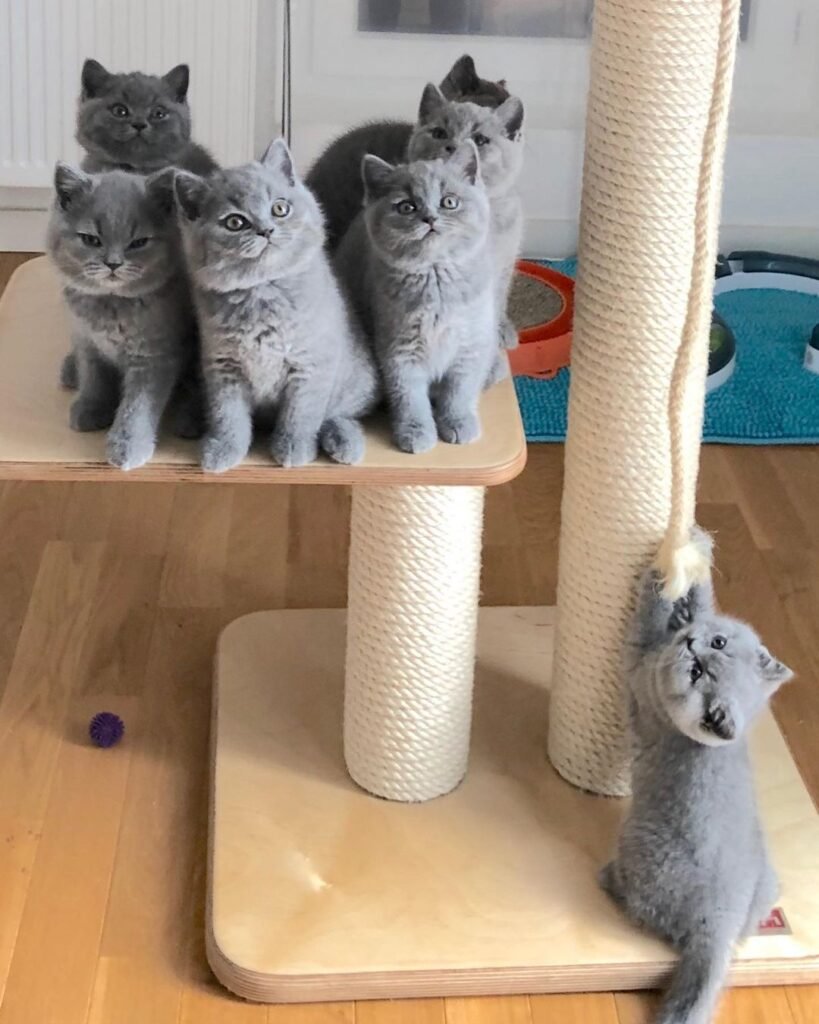
The British Blue Shorthair is a beloved breed known for its distinctive appearance and charming personality. With its plush, dense coat, rounded face, and striking copper or gold eyes, this cat exudes an aura of dignity and grace. Originally bred for their hunting prowess in the United Kingdom, these cats have evolved into affectionate companions that thrive in family settings. This article delves into the fascinating history, physical traits, and care requirements of the British Blue Shorthair, providing potential owners with insights into what makes this breed so special. Whether you’re considering adopting one or simply want to learn more about this remarkable feline, join us as we explore the world of the British Blue Shorthair.
Overview of the British Blue Shorthair
General Description
The British Blue Shorthair is the quintessential feline companion, known for its sturdy build, plush coat, and a charm that could melt even the coldest of hearts. With its round face and dense body, this breed embodies the phrase “cuddle me!” They have a broad head, chubby cheeks, and a sweet expression, making them look like a living teddy bear—but don’t be fooled; they possess a dignified air that sets them apart.
Popularity and Recognition
The British Blue Shorthair has snagged a prime spot in the hearts of cat lovers worldwide, and it’s not hard to see why. Featured in pop culture, from internet memes to movies, these cats are beloved for their laid-back nature and stunning looks. Officially recognized by major cat registries, they continue to gain fanfare, making them one of the most sought-after breeds. If cats had a Hollywood Walk of Fame, you can bet the British Blue would be getting its star!
History and Origins
Early Development
The roots of the British Blue Shorthair trace back to the Roman invasion of Britain, when cats were brought along to keep those pesky rodent populations in check. Over time, they evolved into the robust and charming breed we know today. Think of them as the original British lap cats, keeping cozy on the laps of gentlemen in Victorian parlors.
Influence of British Breeds
As a cornerstone of British cat heritage, the British Blue Shorthair played a significant role in cat breeding programs throughout the 19th and early 20th centuries. They were initially bred with various local cats, resulting in a breed that embraced the best traits of British felines. These cats showcased the perfect combination of beauty and brawn—like a fluffy bulldog with an affinity for naps!
Modern Recognition and Standards
After their official debut in the late 1800s, the British Blue Shorthair became a star in cat shows, earning accolades for their luxurious coats and sturdy physiques. Cat fancy organizations have established strict breed standards, ensuring that the essence of the British Blue remains intact. Today, they are cherished not just for their appearance but for their gentle nature as well, proudly holding their ground in the feline hall of fame.
Physical Characteristics
Coat Color and Texture
True to their name, British Blues are primarily known for their stunning bluish-gray coat, which feels as soft as a cloud. Their dense, plush fur has a unique texture that invites endless petting sessions. The coat can occasionally sport subtle tabby markings, but most are a solid, beautiful shade that appears to shimmer in the light—like a blue velvet cake you just want to dive into (but, please, don’t).
Body Structure and Size
These cats are built like little tanks—compact and muscular with a broad chest and strong legs. Adult British Blue Shorthairs generally weigh between 9 to 17 pounds, giving them a robust presence. They have a sturdy frame and a generously rounded face, making them look perpetually adorable, even when they’re plotting world domination from their favorite perch.
Eye Color and Shape
The eyes of a British Blue are nothing short of mesmerizing. They typically boast copper or orange hues that stand out beautifully against their gray coats. Round and large, their eyes give them an expressive look, often appearing both wise and a tad cheeky, as if they know all your secrets and are just waiting for the right moment to spill the beans.
Temperament and Behavior
General Personality Traits
British Blue Shorthairs are known for their calm and easygoing nature. They strike a balance between playful and relaxed, making them the perfect companions for both energetic playtime and lazy afternoons. While they can be independent and a tad aloof at times, they’re also affectionate and enjoy being around their humans—preferably while lounging on the couch!
Interaction with Families and Children
These cats are known to be particularly family-friendly. They are generally patient and gentle, making them one of the best breeds for households with children. British Blues often take on the role of the family guardian, watching over kids with a watchful eye while still engaging in the occasional game of chase. Just be prepared for some playful mischief, as these kitties can have a quirky side!
Socialization with Other Pets
British Blue Shorthairs usually have a good rapport with other pets, especially if introduced early on. Their mellow demeanor helps them get along with both fellow felines and canines alike. They may even play the role of the peacekeeper when tensions arise among furry housemates. Just remember, sharing is caring—especially when it comes to food bowls!
Care and Maintenance
Feeding Requirements
Feeding your British Blue Shorthair is like putting together a jigsaw puzzle—if you don’t have the right pieces, things just won’t fit. These cats tend to be robust and have a hearty appetite. Aim for a high-quality, protein-rich diet to keep them in tip-top shape. Generally, you’ll want to feed them about ⅓ to ½ cup of dry food daily, split into two meals. Don’t forget fresh water, as hydration is essential—even if they eye it like it’s a suspicious puddle.
Grooming Needs
Grooming a British Blue Shorthair is a walk in the park—if that park has a nice bench and a shady spot to sit. Their dense, plush coat requires a good brushing once a week to keep shedding and hairballs at bay. During shedding season, you may want to bump that up to twice a week. Plus, getting your kitty used to brushing early on can save you from a future wrestling match!
Exercise and Playtime
Exercise is crucial for your British Blue Shorthair, as they can be prone to weight gain. Think of it as keeping a playable balance between lounging like royalty and being active. Daily play sessions with interactive toys, laser pointers, or feather wands will help keep your cat entertained and healthy. Aim for at least 20-30 minutes of playtime each day, and remember: if you sit on the couch too long, they’ll assume you’re there for moral support during their epic quest to conquer the toy mouse!
Health Considerations
Common Health Issues
British Blue Shorthairs are generally hearty little nuggets, but like everyone, they come with their quirks. Watch out for potential health issues like hypertrophic cardiomyopathy (a fancy term for heart problems) and hip dysplasia, which can be as unwelcome as an unexpected knock at the door. Regular vet visits can help catch these problems early, letting your furry friend live their best life.
Regular Veterinary Care
Regular veterinary care is essential for keeping your British Blue Shorthair feeling their best. Aim for check-ups at least once a year—twice a year if your cat is aging like a fine wine. Vaccinations, dental cleanings, and parasite control shouldn’t be optional. Think of it as a spa day for your kitty, minus the cucumber slices over their eyes.
Preventive Measures
Preventive measures are the name of the game when it comes to cat health. Regular vaccinations and parasite prevention are key, but don’t forget about the power of a good diet and exercise. Keeping their weight in check and their minds active can help prevent a host of issues. Plus, a little bit of TLC and those regular vet visits? Well, that’s just being a responsible cat parent!
Training and Socialization
Basic Training Techniques
Training a British Blue Shorthair doesn’t need a degree in feline psychology—just patience and some treats! Start with basic commands like “sit” and “stay.” Use positive reinforcement techniques like treats and affection because, let’s face it, who can resist a tasty snack? Keep sessions short (5-10 minutes), or you risk running into a battle of wills that could rival a royal drama.
Importance of Early Socialization
Early socialization is crucial for your British Blue Shorthair to grow up to be a well-adjusted cat who doesn’t hide under the couch at every new sound. Expose them to various environments, surfaces, and people while they’re young. This makes them curious and confident—think of it like giving them a VIP pass to the big, wild world!
Dealing with Behavioral Issues
Got a kitty with some quirky behaviors? Don’t panic, you’re not alone! From scratching to knocking things off tables (it’s a classic cat move), addressing these issues early is important. Redirect negative behaviors with engaging toys, and consider using deterrents in areas where they tend to misbehave. And remember: always approach with love and understanding. After all, they’re not being naughty; they’re just being cats!
Choosing a British Blue Shorthair: Adoption vs. Breeders
Adoption: Pros and Cons
Choosing to adopt a British Blue Shorthair can be a win-win situation. You give a cat a second chance at life—cue the heartwarming music—and you get a cuddly companion. On the flip side, you may not know the cat’s full history or health background. It’s like getting a mystery box: exciting but slightly nerve-wracking. Weigh the choice carefully and see what fits best for your home.
Finding Reputable Breeders
If you decide to go the breeder route, finding a reputable one is essential. Look for breeders who prioritize health and temperament, and don’t shy away from asking questions about their breeding practices. A good breeder will be happy to chat about their cats and won’t mind if you request health clearances—think of it as the cat version of a resume.
What to Look for in a Healthy Cat
When picking a British Blue Shorthair, keep an eye out for bright eyes, shiny coats, and a playful demeanor—nothing says “healthy” like an energetic little ball of fluff! Make sure to check for any signs of illness, like lethargy or unusual behavior. A happy, healthy cat should also have a clean and social personality. If they’re hissing at you from the corner—well, maybe that’s a sign to keep looking! In conclusion, the British Blue Shorthair is a remarkable breed that combines beauty, charm, and a gentle temperament, making it an ideal companion for many households. With proper care, attention, and love, these cats can thrive and bring joy to their owners for many years. Whether you choose to adopt or purchase from a breeder, welcoming a British Blue Shorthair into your home promises a delightful experience filled with companionship and affection.
Frequently Asked Questions
What is the average lifespan of a British Blue Shorthair?
The average lifespan of a British Blue Shorthair is typically between 12 to 20 years, depending on genetics, diet, and overall care.
Are British Blue Shorthairs hypoallergenic?
No, British Blue Shorthairs are not considered hypoallergenic. They do produce allergens like other cat breeds, though some individuals may have a less intense reaction.
How much grooming do British Blue Shorthairs require?
British Blue Shorthairs have a dense coat that requires regular grooming, ideally once a week, to minimize shedding and prevent matting.
Do British Blue Shorthairs get along with children and other pets?
Yes, British Blue Shorthairs generally have a friendly and adaptable temperament, making them suitable companions for children and other pets with proper introduction and socialization.