
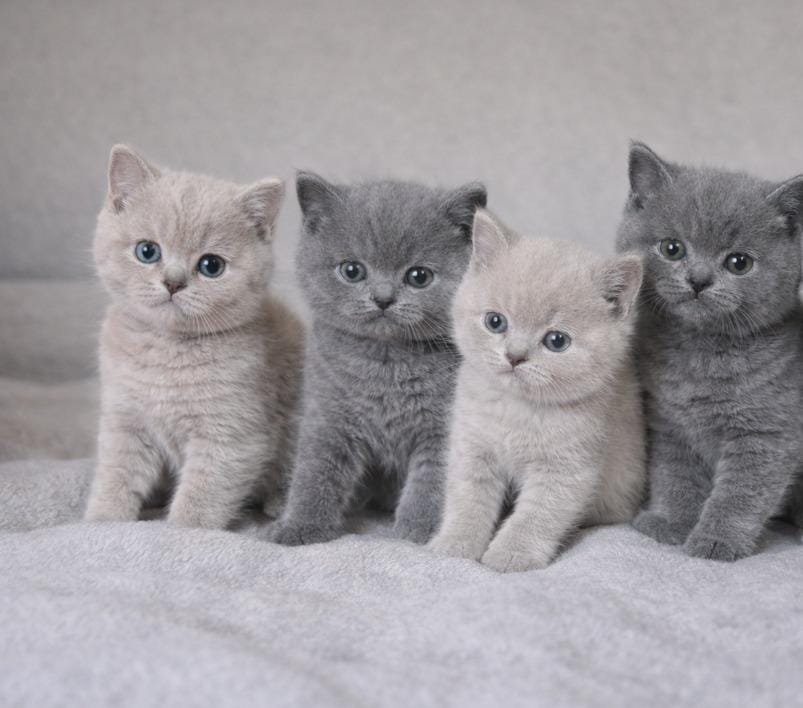
Bringing a British Shorthair kitten into your home can be an incredibly rewarding experience, as these charming felines are known for their friendly disposition and distinctive appearance. However, choosing the right kitten is crucial for ensuring a happy and healthy addition to your family. With numerous breeders and varying standards, it’s essential to know what to look for when making this important decision. In this article, we will guide you through key considerations such as breed characteristics, reputable breeders, health checks, and more, helping you to navigate the process with confidence and care.
Understanding the British Shorthair Breed Characteristics
Physical Traits
British Shorthairs are basically the fluffy tanks of the cat world. They have a stocky build, broad face, and those iconic chubby cheeks that could make them Instagram stars overnight. Their coat is dense and plush, coming in an array of colors and patterns, but let’s be real, the classic blue (grey) is like the little black dress of the cat realm—timeless and fabulous. Their round eyes are a little like saucers, giving them an adorable, somewhat surprised expression, even when they’re just contemplating their next nap.
Personality and Temperament
When it comes to personality, British Shorthairs are the cool, calm, and collected types. They’re not the hyperactive kittens that will climb your curtains or plot your demise—nope, these cats prefer the fine art of lounging. Friendly and easygoing, they get along well with families and other pets. You can expect them to be affectionate but not stage-five clingers. They’ll greet you at the door, but they also appreciate their alone time, probably plotting their next snuggle session with you.
Common Health Issues
Like any breed, British Shorthairs have a few health quirks to watch out for. They can be prone to heart disease, particularly hypertrophic cardiomyopathy (fancy term, right?). Obesity is another common issue, so it’s essential to keep an eye on their food intake—those chubby cheeks should not lead to a chubby body! Regular vet check-ups are key to keeping your kitty in tip-top shape.
Finding Reputable Breeders
Researching Local Breeders
Finding a reputable breeder is like dating—choose wisely! Start by Googling local breeders and reading up on their practices. Look for breeders who are passionate about the breed and not just selling kittens to earn a quick buck. Proper breeders will prioritize health, temperament, and temperament over cuteness alone (though let’s be real, they’re all cute). Check out breed clubs and forums for recommendations—it’s like getting the inside scoop from the kitty social circle.
Checking Reviews and Testimonials
Once you’ve gathered a list of potential breeders, it’s time for some serious sleuthing. Check online reviews and testimonials from other buyers. Did people rave about their experience? Were kittens delivered healthy and happy? If a breeder has a history of glowing reviews, you’re on the right track. Just remember, every cat parent has that one friend who swears their cat speaks fluent human—take all reviews with a pinch of catnip!
Visiting Breeder Facilities
The next step on your breeder quest is to schedule a visit. This is your chance to assess if their home looks like a cat castle or a cat disaster zone. A clean, well-maintained environment is a good sign. You’ll also want to see the kittens with their mothers—if mama cat is happy and healthy, chances are her kittens will be too. Pay attention to how the cats are treated; if they’re all well-loved and cared for, you’re onto something good!
Health Checks and Genetic Testing
Importance of Health Screening
Health screening is like a vital safety net for your future fluffball. A reputable breeder will provide proof of health checks, which can save you from unexpected vet bills later on. This includes screenings for common issues specific to the breed. After all, you want a healthy kitten to cuddle, not a pet project for your local vet!
Common Genetic Tests for British Shorthairs
Ask your breeder about genetic testing—they should be more than willing to share the results with you. Common tests include those for hypertrophic cardiomyopathy and other hereditary conditions. Knowing a kitten’s genetic background can help predict potential health risks, allowing you to be better prepared for the future. Think of it as a crystal ball for your cat’s health!
Vaccination and Health Records
Don’t forget to ask for health records! Kittens should have their first vaccinations and a health check by the time they’re ready to go home with you. These records are essential not only for your peace of mind but also so you can avoid awkward conversations with your vet about why your new kitty is unvaccinated. Plus, it helps you keep track of what your new feline friend will need in the future!
Assessing the Kitten’s Temperament and Socialization
Observing Behavior with Littermates
You can learn a lot about a kitten’s temperament by watching how they interact with their littermates. Kittens that play gently and are confident typically exhibit more sociable behavior as they grow. If you notice a little furball who is instigating play without being too rough, that’s a good sign. Just like us humans, their social skills develop in the company of their peers.
Interaction with Humans
How does the kitten respond when you approach? A well-socialized British Shorthair will likely come to investigate, probably nudging you for some petting or playtime. If they seem skittish or aloof, you might want to consider looking for a different kitten who’s more keen on human interaction. After all, you want a furry friend, not a future ghost cat!
Signs of a Well-Socialized Kitten
Look for signs of a happy and well-adjusted kitten—playfulness, curiosity, and a willingness to be handled are all good indicators. If the kitten purrs when you pick it up or rolls over for a belly rub, congratulations, you’ve hit the jackpot! A well-socialized kitten should be comfortable with various stimuli, from tiny hands to noisy vacuums. Think of it as your future cuddle buddy’s audition—you want them to shine bright like a diamond!
Evaluating Living Conditions of the Breeder
Cleanliness and Safety of the Environment
When hunting for your adorable bundle of fur, make sure to scrutinize the breeder’s living conditions. You wouldn’t buy a sandwich from a dingy deli, right? Check if the area is clean and organized—no one wants a kitten that comes with a side of mysterious smells or questionable hygiene. A safe environment should have plenty of room for the kittens to roam, play, and explore. If you encounter a place that looks like it’s seen better days, it’s a red flag waving in your face!
Socialization Opportunities for Kittens
Just like we humans need some social interaction (or Netflix and ice cream, no judgment here), kittens thrive on it too! Ask the breeder how they socialize their kittens. Are they spending time handling them and exposing them to various environments? A well-socialized kitten will be more adaptable and less likely to grow up to be a feline hermit. Plus, who doesn’t want a kitten that’s ready to grace their Instagram with charm?
Breeder’s Commitment to Animal Welfare
A good breeder will treat their kittens like royalty—after all, they’re adorable little monarchs! Look for signs that the breeder puts the health and happiness of their kittens first. Are the kittens raised in a loving environment? Are they given regular vet check-ups? If the breeder seems more interested in the cash than the kittens, thank them politely and back away slowly. You want someone who’s as dedicated to their furry subjects as you will be!
Understanding Registration and Pedigree
Importance of Registration Papers
Think of registration papers as the kitten’s birth certificate—it’s proof that they’re the real deal! These documents provide important information about the kitten’s lineage and ensure that they are from a reputable breeder. It also helps prevent any “oops” moments when inquiring about health history or potential genetic issues. If the breeder is hesitant to provide these, run for the hills!
Understanding Pedigree Lines
A pedigree line can be the difference between a fancy feline and a cat with an identity crisis. It’s like knowing your family tree—only instead of Thanksgiving dinners, you get a deeper understanding of potential health traits and behavioral quirks that run in the family. Do your research on the kitten’s lineage—it can help you predict if you’ll be showered with cuddles or bestowed with a more aloof personality.
Recognizing Reputable Cat Registries
When perusing your potential kitten’s registration, be sure it comes from a reputable cat registry. Think of them as the VIP club for cats. Well-known registries like The Governing Council of the Cat Fancy (GCCF) or The International Cat Association (TICA) can provide assurance that your kitten hails from a reputable background. If the paperwork looks more like an art project than a professional document, it’s worth taking a second look!
Preparing Your Home for a New Kitten
Creating a Safe Space
Before your furry friend arrives, it’s essential to create a kitty wonderland—or at least a cozy haven. Choose a quiet area where your new little one can feel secure and explore without the fear of being devoured by the vacuum cleaner or confronted by the golden retriever next door. Add a comfy bed, scratching post, and some toys for good measure. A safe space will make a world of difference in helping your kitten adjust!
Essential Supplies You’ll Need
Once you’ve got the perfect kitten corner, it’s shopping time! You’ll need the basics: food and water bowls, high-quality kitten food, a litter box (complete with litter), a scratching post, toys, and maybe a cozy bed for snuggles. And don’t forget—kittens may be small, but they have a knack for getting into everything, so keep your fragile items out of reach (sorry, Grandma’s vase).
Introducing the Kitten to Your Home
When it’s time to bring your kitten home, take it slow! Let them explore their new kingdom at their own pace. Start by placing them in their designated safe space and allow them to acclimate to the sounds and smells of your home. Be patient if they choose to hide at first; after all, they’ve just been uprooted from their birthplace! Offering treats and engaging gently can help encourage exploration (and your kitten’s trust in you).
Post-Purchase Care and Support
Choosing the Right Veterinarian
Once your kitten has settled in, it’s time to find their new superhero: the veterinarian! Look for a vet who specializes in feline care and has a good reputation in your area. Don’t be afraid to ask questions about their experience or approach to health. After all, we want your little fluff ball to live a long, healthy, and happy life—preferably filled with naps in sunny spots and endless chin scratches!
Understanding Nutrition and Diet
A well-fed kitten is a happy kitten! Research the best nutrition for your British Shorthair, focusing on high-quality kitten food that meets their developmental needs. Remember, kittens have a reputation for turning into tiny tornadoes of energy, and they need proper fuel to keep up. You may also want to chat with your vet about a feeding schedule—after all, a kitten’s idea of “snack time” is likely a bit different from ours.
Ongoing Socialization and Training Tips
Kittens are like sponges, soaking up their environment and experiences like it’s the latest TikTok challenge. Regular socialization will help them become well-adjusted cats, so introduce them to new people, sounds, and experiences gently. For training, patience is key—kittens may not immediately grasp the concept of “no” or “stop that!” but positive reinforcement (treats, praise) can work wonders! Remember, it’s all part of the journey to mold your little darling into a delightful companion. In conclusion, purchasing a British Shorthair kitten is a significant commitment that requires careful consideration and research. By understanding the breed, selecting a reputable breeder, and preparing your home for your new furry friend, you can ensure a smooth transition and a fulfilling companionship. Take the time to make informed choices, and you will be rewarded with a loving and loyal companion that brings joy to your life for years to come.
What is the average cost of a British Shorthair kitten?
The average cost of a British Shorthair kitten can vary widely depending on factors such as breeder reputation, pedigree, and location, typically ranging from £800 to £2,500.
How can I tell if a breeder is reputable?
A reputable breeder will provide health certificates for the kittens, allow you to visit their facility, offer references, and demonstrate a commitment to the well-being of their cats.
What should I look for in a healthy kitten?
A healthy kitten should be active, alert, and curious, with clear eyes, clean ears, and a shiny coat. Observing their behavior and interaction with littermates can also indicate good health and socialization.
Are British Shorthairs good with children and other pets?
Yes, British Shorthairs are generally known for their friendly and calm demeanor, making them good companions for children and other pets when properly socialized.