
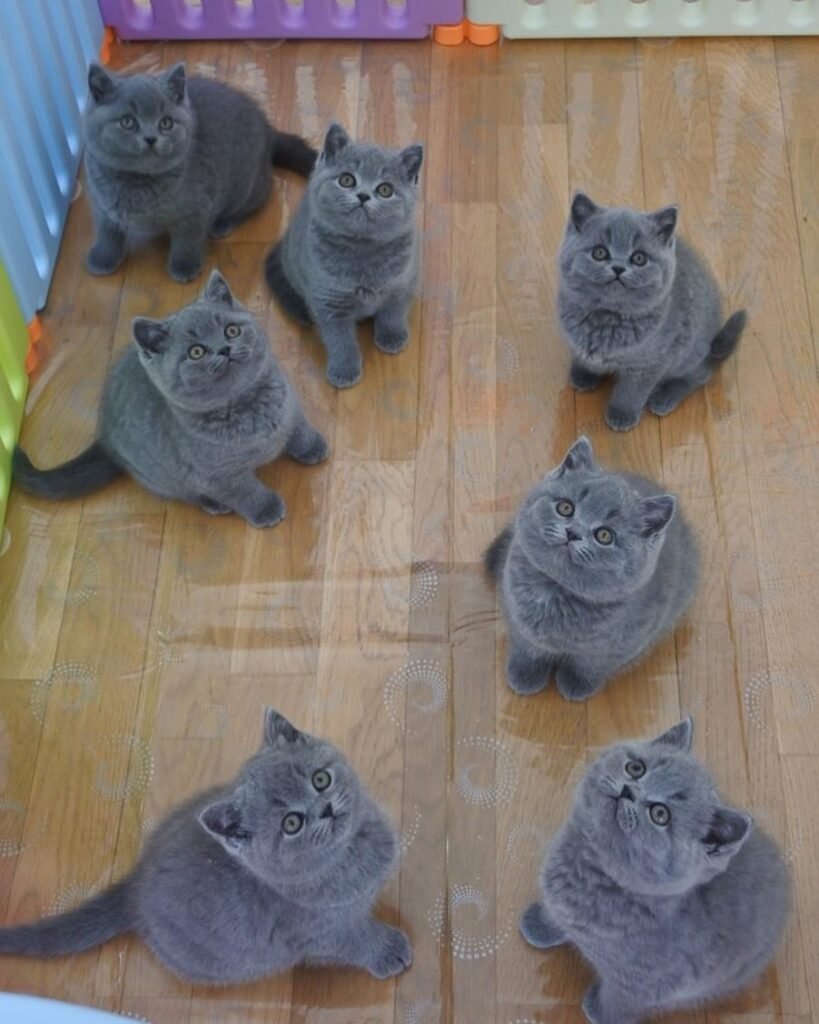
Choosing a reputable breeder for British Shorthair kittens is a crucial step for prospective cat owners who want to ensure they are bringing home a healthy, well-adjusted pet. With their charming personalities and distinctive appearance, British Shorthairs have gained immense popularity, but not all breeders uphold the same standards of care and ethics. Understanding the key characteristics of a responsible breeder, knowing what questions to ask, and being aware of potential red flags can help you make an informed decision. This article will guide you through the essential considerations for selecting a breeder who prioritizes the well-being of their cats and provides you with a loving companion for years to come.
Understanding the British Shorthair Breed
History and Origins
The British Shorthair breed boasts a storied past that stretches back to ancient Rome. These charming chaps were once the companions of Roman soldiers, keeping their owners company while they conquered territories (and maybe chased some mice). The breed has evolved over the centuries, gaining recognition for its robust build and friendly demeanor, but it wasn’t until the late 19th century that British Shorthairs began to strut their stuff in cat shows. Today, they are beloved for their regal presence and gentle nature.
Physical Characteristics
If you’re after a cat that looks as if it just stepped out of a feline fashion magazine, the British Shorthair will not disappoint. With their dense, plush coat, round face, and enchanting big eyes, these cats are the epitome of cuteness. They come in a variety of colors and patterns, but the classic blue-gray is particularly popular. They boast a sturdy, muscular build – enough to make some gym-goers envious. And let’s not forget their adorable chubby cheeks, which are not just for show; they add to their overall squishiness!
Temperament and Behavior
British Shorthairs are known for being the introverts of the cat world – in a charming, affectionate way, of course. They tend to be calm, easygoing, and relatively low-maintenance. These felines enjoy a good cuddle session but won’t mind if you’re busy binge-watching your favorite show. They’re quite independent, so don’t expect them to follow you around like a puppy. Instead, they’ll likely perch themselves in a sunbeam, watching the world go by with a hint of regal aloofness.
Importance of Choosing a Reputable Breeder
The Impact on Kitten Health
Choosing a reputable breeder is like picking a trusted mechanic – it means your precious kitten will get the best care possible. A good breeder prioritizes the health of their kittens, conducting health checks and ensuring genetic testing to avoid passing on pesky hereditary diseases. After all, you wouldn’t want to bring home a kitty with more issues than a daytime soap opera! Proper breeding practices lead to happier, healthier kittens that can thrive in their new forever homes.
Ethical Considerations in Breeding
Ethical breeding is about more than just the kittens; it’s about the overall welfare of the breed. A reputable breeder understands the responsibility that comes with creating new lives and does not engage in practices that exploit animals or contribute to overpopulation. They’ll take the time to educate you about the breed, their care, and the importance of spaying and neutering. Choosing an ethical breeder means supporting those who are genuinely concerned about the well-being of their cats, rather than just cashing in on cute kitty faces.
Key Characteristics of a Responsible Breeder
Experience and Expertise
When it comes to cat breeding, experience counts! A responsible breeder will have extensive knowledge about the British Shorthair breed and its unique needs. They should be able to answer your questions with ease and provide guidance on everything from nutrition to behavioral quirks. Ideally, they’ll have a solid track record, maybe even some awards to back up their feline prowess. Remember, you’re not just buying a kitten; you’re investing in a lifelong relationship.
Commitment to Animal Welfare
A responsible breeder puts animal welfare at the forefront of their practices. They prioritize the health and happiness of their cats, ensuring they are well-socialized and living in a clean, loving environment. If a breeder seems more interested in making a quick buck than the well-being of their animals, that’s a red flag. Look for breeders who actively engage in ongoing education about the breed and contribute to rescue efforts or local animal organizations.
Transparent Practices
Transparency is key when selecting a breeder. A reputable breeder will be open about their breeding practices, health screenings, and the lineage of their kittens. They should welcome you to their facility, allowing you to meet the kittens’ parents and see how they are raised. If a breeder is unwilling to share this information or avoid questions, it’s time to walk away. Remember, a trustworthy breeder knows that a happy customer is a well-informed one!
Researching Potential Breeders
Online Resources and Reviews
The internet is a treasure trove of information when it comes to finding a reputable breeder. A quick search can lead you to reviews, forums, and sites dedicated to responsible breeding practices. Websites of cat registries can help you find certified breeders, and online communities offer firsthand experiences from other cat owners. Just remember to take online opinions with a grain of salt – after all, not everyone is going to have the same experience.
Networking with Other Cat Owners
Sometimes the best recommendations come from fellow cat lovers. Engage with local cat clubs, attend shows, or join social media groups dedicated to the British Shorthair breed. People who already own British Shorthairs can provide valuable insight into their experiences with breeders. Plus, you’ll have the chance to meet adorable kitties in person, which is always a win-win situation! Don’t be shy about asking questions – you’ll be saving yourself from potential heartache in the long run.
Questions to Ask Before Purchasing
Health Testing and Vaccinations
Before bringing home a fluffy bundle of joy, make sure you ask the breeder about health testing and vaccinations. Reputable breeders will have their kittens screened for common genetic conditions (like hypertrophic cardiomyopathy, the fancy term for heart issues) and will provide proof of vaccinations. Ask for documentation that shows the kitten’s health history and any tests performed. If the breeder looks puzzled or starts talking about “magic” instead of paperwork, it might be time to take your kitten dreams elsewhere.
Socialization and Development of Kittens
Kittens are like sponges—soaking up everything around them, including love and social skills! A good breeder will ensure their kittens are well-socialized from a young age. Ask about how the kittens interact with people, other animals, and whether they’re exposed to different environments. You want a little furball who won’t be hiding under the couch for five years when visitors arrive!
Breeding Practices and Policies
Dive into the breeding practices of the breeder. Are they breeding for quality or quantity? A reputable breeder will prioritize the health and temperament of their cats over making a quick buck. Ask about the lineage of the kittens, how often their cats are bred, and what happens if the kitten doesn’t work out (hint: good breeders have plans!). Trust your gut—if it feels off, it probably is.
Red Flags to Watch Out For
Poor Living Conditions
When you step into a breeder’s facility, it should feel like a feline paradise. If you see cages piled high, litter boxes overflowing, or cats with sad eyes wandering around, it’s a huge red flag. Healthy kittens come from clean, spacious, and safe environments. If the place looks like a scene from a cat horror movie, run away faster than a kitten chasing a laser pointer!
Lack of Documentation
If a breeder is hesitant to provide documentation about health tests, vaccinations, or the kitten’s lineage, grab your coat and head for the exit. Good breeders keep meticulous records and are more than willing to share them with you. If you’re met with excuses or shifty looks, it’s a solid sign that something isn’t right.
Inconsistent Information
Consistency is key—especially when it comes to information that matters! If you’re getting different answers about a kitten’s health, socialization, or breeding practices from the same breeder, it’s time to raise an eyebrow. A reputable breeder should have clear and consistent answers. If they seem to be making it up on the fly, you might want to reconsider that adoption.
The Role of Contracts and Health Guarantees
Understanding the Purchase Agreement
Before signing anything, read the purchase agreement like it’s the last book on Earth. This contract should outline your responsibilities as a pet owner and the breeder’s responsibilities. Be on the lookout for clauses about returns, warranties, or conditions if you can’t keep the kitten. If it feels like you’re signing a lease for a New York apartment instead of getting a kitten, don’t hesitate to ask questions!
What to Expect in Terms of Health Guarantees
Most reputable breeders will offer some sort of health guarantee. This usually means that if your kitten has any hereditary health issues, they will either be covered for treatment or you’ll be provided a replacement kitten. Understand the terms and duration of the health guarantee so you’re not left high and dry if something goes wrong. If the guarantee sounds too good to be true or is non-existent, it might be a sign to keep looking.
Preparing for Your New British Shorthair Kitten
Setting Up Your Home
Your home will soon be a kitty castle! Before your new British Shorthair arrives, create a safe and cozy environment. Set up a designated space with a comfy bed, food and water bowls, and a litter box. Consider cat trees and scratching posts to entertain your future furry overlord. And remember: anything you don’t want to be knocked off a shelf is fair game once they arrive!
Essential Supplies and Equipment
Before bringing your new fur baby home, stock up on essential supplies. You’ll need high-quality kitten food, a litter box, litter, toys, and scratching posts—no one wants a bored kitten with a penchant for chewing on furniture. A cozy bed for snuggles is a must, and don’t forget to grab some grooming tools to keep that plush coat in tip-top shape. Your wallet may groan, but future kitten cuddles will be worth every penny.
Introducing Your Kitten to the Family
Once you’ve prepared, it’s time for the big introduction! Keep things calm and let your new kitten acclimate to their space before introducing them to the family. Supervise any introductions with pets or kids to make sure everyone plays nice. Just allow the kitty to take its time exploring—after all, they’re the new royalty in the home! Hide the crown jewels (or your favorite shoes) until they settle in. In conclusion, selecting a reputable breeder for your British Shorthair kitten is vital to ensuring a healthy and happy pet. By taking the time to research breeders, ask the right questions, and remain vigilant for red flags, you can confidently find a source that prioritizes the well-being of their cats. A responsible breeder not only contributes to the health of your kitten but also enhances your overall experience as a pet owner. With the right preparation and knowledge, you will be well on your way to welcoming a lovable British Shorthair into your home.
FAQ
What should I look for in a reputable breeder?
A reputable breeder should have a strong commitment to the health and welfare of their cats, provide health testing documentation, maintain clean living conditions, and be willing to answer your questions about their breeding practices and kitten upbringing.
How can I verify a breeder’s reputation?
You can verify a breeder’s reputation by researching online reviews, asking for references from previous customers, and seeking recommendations from veterinarians or cat clubs. Visiting the breeder’s facility in person can also provide valuable insights.
What are common red flags when choosing a breeder?
Common red flags include poor living conditions, lack of proper documentation (such as health records), reluctance to answer questions, and a focus on profit rather than the well-being of the cats.
Is it important to have a written contract when purchasing a kitten?
Yes, having a written contract is important as it outlines the terms of the sale, health guarantees, and the responsibilities of both the buyer and the breeder. This helps ensure clarity and protect your interests.