
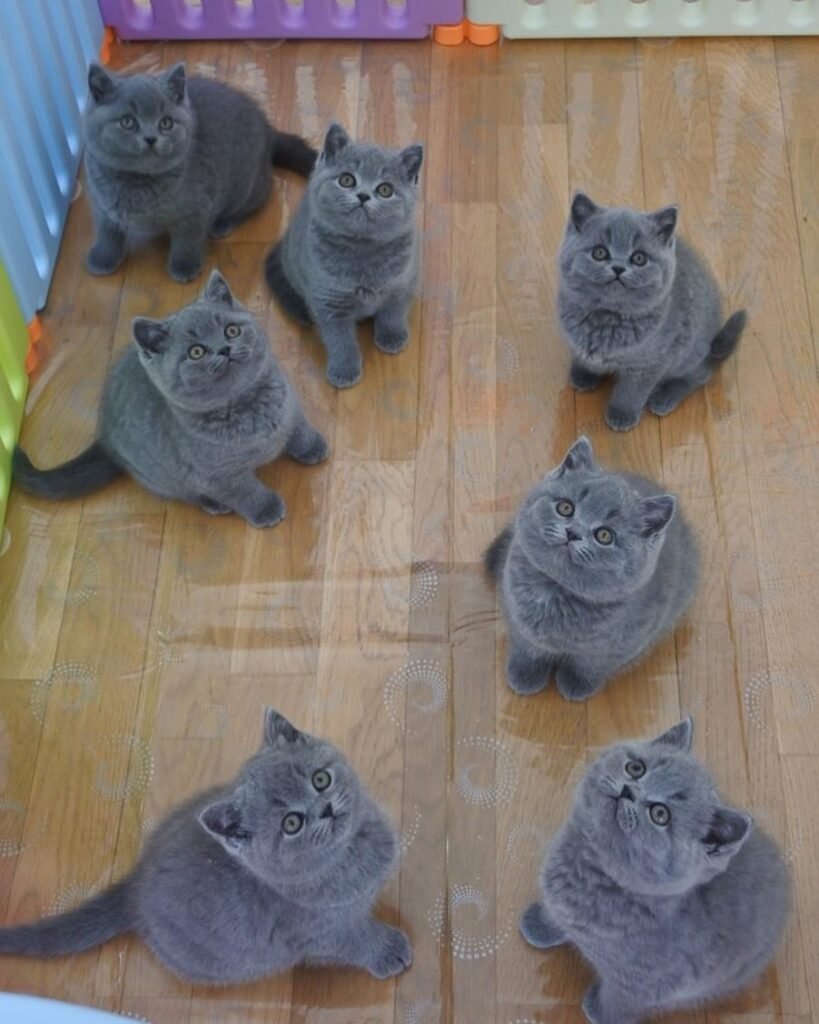
Bringing a British Shorthair kitten into your home can be a rewarding experience, filled with joy and companionship. Known for their charming personalities, distinctive appearance, and affectionate nature, British Shorthairs are one of the most popular cat breeds worldwide. However, before making the decision to buy a kitten, it’s essential to understand the breed’s characteristics, find a reputable breeder, and prepare your home for your new furry friend. This article will guide you through everything you need to know about acquiring a British Shorthair kitten, from their history and health considerations to training tips and the long-term commitment of cat ownership.
Understanding the British Shorthair Breed
History and Origins
The British Shorthair’s history reads like an epic novel, full of charm and adventure. Believed to have descended from Roman cats brought to Britain, these felines quickly adapted to their new surroundings. Over time, they became beloved companions for British families, showcasing their adorable chunky faces and plush coats. They even gained fame in literature and art, most notably as the Cheshire Cat in “Alice in Wonderland.” So, they’re not just a pretty face—they’re a piece of British history!
Physical Characteristics
If you want a cat that turns heads, the British Shorthair is your feline friend! Known for their stocky build, round faces, and dense fur that’s as soft as a cloud, these cats are the epitome of cuteness. They have short, thick legs, and their large, expressive eyes can come in various colors. Whether you fancy a classic blue, a chocolate tabby, or a lilac point, these cats are like a box of chocolates: you never know what delightful variety you’ll get!
Temperament and Personality
When it comes to personality, the British Shorthair is the cool kid on the block. They’re known for being easygoing, affectionate, and a bit cheeky. Don’t mistake their calm demeanor for being aloof; they love to be around their humans and enjoy a good cuddle! They’re also incredibly adaptable, which makes them perfect for both busy households and quiet apartments. Just keep an eye on any catnip; these little buddies know how to party!
Why Choose a British Shorthair Kitten?
Affectionate Companions
British Shorthair kittens are like furry little love bunnies. They form strong bonds with their humans and are always ready for a snuggle session. Whether you’re binge-watching your favorite series or need a fuzzy friend to help with your existential crisis, these kittens are by your side, providing all the emotional support you need. They truly believe in the healing power of cuddles!
Low Maintenance Grooming
If you want a cat that doesn’t require spa treatments every week, the British Shorthair is your answer. Their short, dense coats require minimal grooming—just the occasional brush to avoid any potential cat hair tumbleweeds. So, you can spend less time fussing over fur and more time enjoying their delightful company. Talk about a win-win situation!
Good with Families and Children
British Shorthairs are like the friendly neighbor everyone wishes they had. They’re known for being good with kids, making them the perfect family pet. They’re calm and patient, meaning they can handle a little roughhousing without batting an eye. Plus, their playful yet gentle nature means they’re ready for playtime or nap time, depending on the day. Just remember, sharing is caring—so make sure to include them in family game night!
Where to Buy British Shorthair Kittens
Breeders vs. Pet Stores
When it comes to finding your perfect British Shorthair kitten, deciding between breeders and pet stores is like choosing between a fancy restaurant and a fast food joint. Breeders typically offer healthier, well-socialized kittens with a history, while pet stores may not have the same level of care or knowledge about the kittens they sell. If you want a happy, healthy kitty that comes with an instruction manual, go the breeder route!
Online Resources and Listings
The internet is like a treasure trove of British Shorthair kittens just waiting to be discovered! Websites dedicated to breed listings or pet adoption can help you locate reputable breeders or individuals looking to rehome their adorable kitties. Just remember to do your homework: not every online listing is gold, so check reviews and credentials before diving into an online purchase.
Adoption Options
Kittens in need of a forever home are often found at local shelters and rescue organizations. While British Shorthairs may not be as prevalent in shelters (because they’re so popular!), you might just find a lovely mix that steals your heart. Adopting can be a rewarding experience—save a life and gain a furry friend all at once! Plus, you get major karma points for being a hero.
What to Look for in a Reputable Breeder
Health Certifications and Documentation
When choosing a breeder, make sure they can provide health certifications like a proud parent showing off their child’s grades. This documentation ensures that the kitten has been screened for common health issues and is well taken care of. It’s a good sign that the breeder is committed to ethical practices and the health of their furry friends. After all, you want a healthy kitty, not a surprise vet visit!
Breeder Practices and Environment
A reputable breeder will let you peek behind the curtains, or rather, into their cattery. Look for a clean, safe, and nurturing environment where kittens are raised with love and socialization. If the breeder is willing to show you around and answer your questions, that’s a great sign! Your future kitten deserves to come from a place where they’ve been treated like royalty.
References and Reviews
Don’t be shy; ask for references! Speaking with previous customers can give you a good idea of what to expect from a breeder. Online reviews can also provide insight into the experiences of others. If a breeder has more praise than a rock band on tour, you’re likely on the right path to finding a healthy, happy British Shorthair kitten—your future cuddle buddy awaits!
Preparing Your Home for a British Shorthair Kitten
Essential Supplies and Equipment
Getting ready for your new purring roommate? Here’s what you’ll need to stock up on: a cozy bed, a litter box (because kittens can’t use the toilet, despite what they might think), scratching posts, food and water bowls, quality kitten food, and, of course, an array of toys to keep that short-haired ball of mischief entertained. Bonus points if you throw in a laser pointer; they love to chase those elusive red dots!
Creating a Safe Space
Kittens are like tiny, furry tornadoes; they will explore every nook and cranny of your home. Start by designating a safe space—think of it as their little fortress. A quiet room with their bed, litter box, and toys can serve as a comfort zone. Make sure hazardous items (like cords, chemicals, and breakables) are out of reach. Your future kitty doesn’t need to be a contestant on “Survivor: Living Room Edition.”
Introducing Your Kitten to Other Pets
If you already have pets, prepare for some initial furry drama! Introducing your British Shorthair to existing pets should be done like a slow dance—not too fast, or someone’s getting stepped on. Start with scent swapping (give your new kitten a blanket that smells like the residents), and once they’re familiar, supervise their first face-to-face meeting. Use treats as reinforcement, and remember: patience is key, and possibly a few feline therapy sessions!
Health Considerations and Veterinary Care
Common Health Issues in British Shorthairs
British Shorthairs are generally robust, but like every breed, they have their quirks. Keep an eye out for common health issues such as obesity (those round faces come with a tendency to get chunky), heart disease, and dental issues. Regular vet check-ups are a must, as your fuzzy overlord won’t always speak up when something’s amiss.
Vaccination and Preventative Care
Your kitten will need a vaccine schedule to stay healthy and happy. Consult your vet to get them all the necessary shots and discuss other preventive care like spaying/neutering, flea prevention, and parasite control. After all, no one wants to host a flea party in their home!
Nutrition and Diet Guidelines
Feeding your British Shorthair a balanced diet is crucial—think of it as setting them up for success in their quest for naps and mischief. Look for high-quality kitten food that provides essential nutrients for growth. Remember to monitor their portions; while they may give you those “I’m starving” eyes, overfeeding is a recipe for weight gain. And no, you can’t just blame it on their cute, round faces!
Socialization and Training Tips for Your Kitten
Early Socialization Techniques
Getting your kitten comfortable with the world is like building a tiny, fuzzy superhero. Gradually expose them to new experiences—different people, sounds, and environments. Invite friends over to give your kitten some love, and don’t forget to throw in a few playdates with other friendly pets. Just keep it chill; we want them to be curious, not traumatized!
Basic Training Commands
Training a kitten is easier than you think, especially when there’s a treat involved! Start with simple commands like “sit” or “come” using positive reinforcement. Kittens may not be as enthusiastic about commands as dogs, but with patience and some tasty rewards, you’ll have a well-mannered British Shorthair in no time—until they decide to ignore everything you’ve taught!
Understanding Feline Body Language
Your kitten speaks a different language—mostly through body movements and tail twitches. A twitching tail can mean excitement or annoyance, while slow blinking is like a kitty kiss. Pay attention to their ears and posture; these cues will help you navigate their moods and determine when they want to play or need some quiet time. Learning this language will save you from many misunderstandings—and scratched furniture!
The Long-term Commitment of Owning a British Shorthair
Life Expectancy and Aging Considerations
British Shorthairs typically live between 12 to 20 years, giving you plenty of time to bond over cute cat memes and lazy afternoons. As they age, you may need to adjust their diet, provide joint support, and offer more cuddles than ever—because let’s face it, who doesn’t want a fluffy sidekick as they journey through their golden years?
Financial Responsibilities
Owning a British Shorthair isn’t just about snuggles; it comes with financial commitments too! Consider costs like food, vet visits, vaccinations, grooming, and the occasional designer scratching post (they deserve the best, right?). Budgeting for your kitty will ensure you can provide a happy home without going broke—unless you want to live off instant noodles!
Time and Attention Requirements
Kittens, much like toddlers, require a lot of time and attention. Playtime is essential for their development, and while they may have moments of independence, they’ll also demand a fair share of your lap space. Make sure you’re ready to engage in daily play sessions, provide mental stimulation, and of course, shower them with endless affection. If you’re ready to commit, get your snuggle game on!In conclusion, purchasing a British Shorthair kitten is an exciting journey that requires careful consideration and preparation. By understanding the breed, choosing a reputable source, and committing to their care and training, you can ensure a loving and fulfilling relationship with your new feline companion. As you welcome your British Shorthair into your home, remember that they bring not only companionship but also joy and a unique personality that will enrich your life for years to come.
Frequently Asked Questions
1. How much does a British Shorthair kitten typically cost?
The price of a British Shorthair kitten can vary significantly depending on factors such as the breeder’s reputation, the kitten’s lineage, and geographical location. On average, you can expect to pay between $1,000 and $2,500.
2. Are British Shorthairs good with children and other pets?
Yes, British Shorthairs are known for their gentle and friendly demeanor, making them great companions for children and other pets. They tend to be calm and adaptable, which helps them socialize well in family environments.
3. What type of diet is best for a British Shorthair kitten?
A high-quality, balanced diet rich in protein is essential for a British Shorthair kitten’s growth and development. Consult your veterinarian for specific recommendations on feeding and portion sizes based on your kitten’s age and activity level.
4. How much grooming do British Shorthairs require?
British Shorthairs have a dense coat that requires minimal grooming compared to long-haired breeds. Regular brushing once a week is usually sufficient to keep their coat healthy and free of mats, along with routine nail trimming and dental care.