
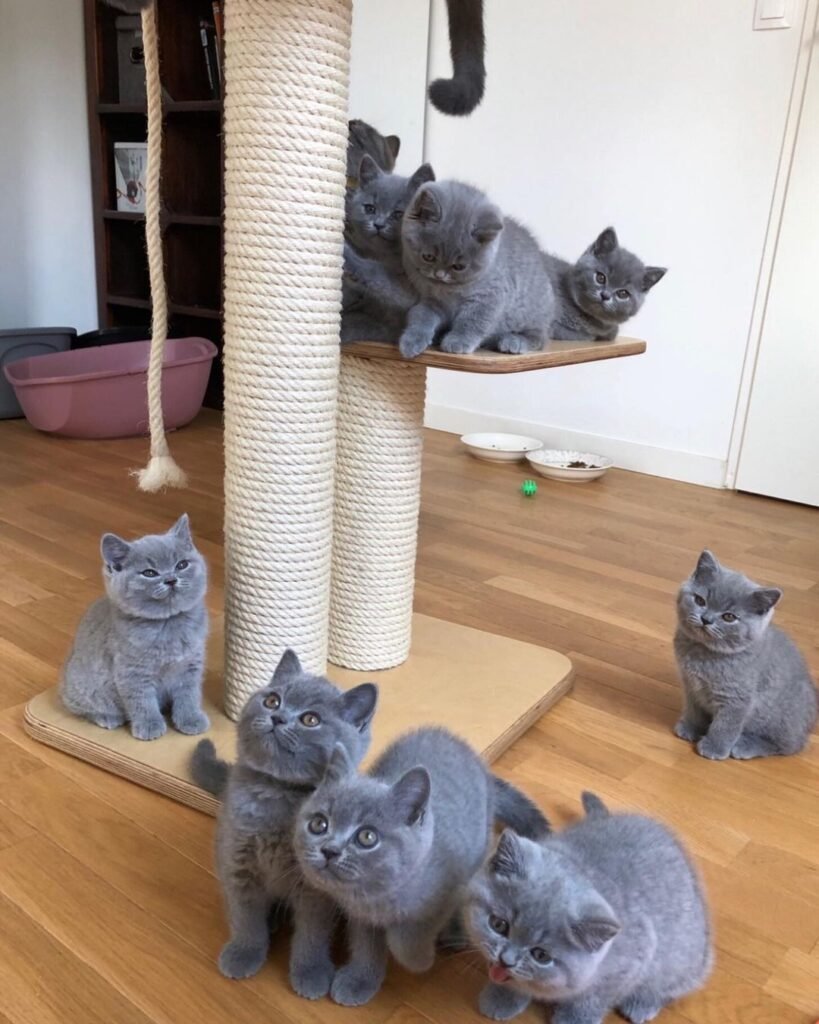
Bringing a British Shorthair kitten into your home is an exciting and rewarding experience, especially in a vibrant city like Hong Kong. Known for their distinctive round faces and plush coats, British Shorthairs are not only adorable but also possess a friendly and easygoing temperament that makes them a popular choice among cat lovers. However, as a new owner, it’s essential to be well-prepared to ensure your furry friend thrives in their new environment. This guide will provide you with all the essentials you need to know about caring for a British Shorthair kitten, from preparing your home to understanding their specific needs, helping you create a happy and healthy life together.
Understanding the British Shorthair Breed
History and Origins
The British Shorthair is not just another pretty face; this breed has a rich heritage that dates back to the Roman times when cats were brought to the UK to keep the rodent population in check. They quickly became favorites, adored for their charming looks and robust build. Over time, selective breeding honed their distinctive round faces and plush coats. Think of them as the aristocrats of the feline world—eloquent, dignified, and yet ever so playful.
Physical Characteristics
These kittens pack a lot of cuteness into their stocky little bodies. With broad heads, chubby cheeks, and tiny noses, British Shorthairs resemble plush toys—just don’t try to squeeze them! Their dense coats, and surprisingly soft fur comes in a variety of colors and patterns, though the classic blue is always a crowd favorite. Plus, they have those big, round eyes that can melt the coldest of hearts. Sure, they might look like they’re judging you, but deep down they’re just plotting their next nap.
Temperament and Behavior
British Shorthairs are the laid-back companions we all dream of living with. They exude a calm and friendly vibe, making them perfect for families and singles alike. These little fluffballs are affectionate but not overly clingy—think buddy who respects your personal space. They enjoy playtime (especially with an enticing feather toy) but also love lounging about, recharging their batteries for their next round of mischief. Loyal and intelligent, they often attach themselves to their humans without being needy, which is a fine line that they tread expertly.
Preparing Your Home for a New Kitten
Kitten-Proofing Your Space
Before your new British Shorthair arrives, it’s time to channel your inner safety expert. Begin by securing cords, covering electrical outlets, and stashing away any small objects they could mistakenly think are toys. Move houseplants to safe heights; some of them can be nasty little things if ingested. And let’s not forget about the trash cans—your kitten will see those as gourmet buffets, so tuck them away where curious paws can’t reach.
Designating a Safe Area
Create a cozy nook that your furry friend can call home base. Pick a quiet corner, preferably away from the hustle and bustle of daily life. This space should have all their essential gear—food bowls, litter box, and toys—so they can acclimate without feeling overwhelmed. It’s like their very own fort, where they can retreat and plot their world domination (or just nap, which is more probable).
Choosing the Right Environment
Hong Kong’s unique living spaces can pose a challenge for any new pet owner. Ensure your home is cat-friendly by providing vertical spaces, like cat trees or shelves, for climbing and exploring. Make sure the windows have secure screens to keep your little explorer safe while they gaze out at the world. Adequate ventilation and play areas will keep your kitten entertained and stimulate their curious minds—because a bored British Shorthair is a mischievous British Shorthair!
Essential Supplies for Your British Shorthair
Food and Water Bowls
Invest in sturdy, easy-to-clean food and water bowls because your kitten will need to refuel after all that playtime. Look for bowls with non-slip bases—spillage is bound to happen with an eager eater. Go for ceramic or stainless steel options, as they’re durable and less likely to harbor bacteria. Keep those bowls full of fresh water; hydration is key to keeping that plush coat in tip-top shape!
Cat Litter and Litter Box
A high-quality litter box is non-negotiable—your kitten deserves the best! Go for one with high sides to contain any litter explosions, and remember to choose a litter that’s gentle on those precious paws. Your British Shorthair might be a bit picky, so consider experimenting with different types until you find one that gets their stamp of approval. The litter box should be located in a quiet yet accessible area, away from their food and water.
Comfortable Bedding and Sleeping Areas
Comfort is key for your British Shorthair, who will likely snooze for about 16 hours a day (they take their napping seriously). Provide them with cozy beds or blankets in designated spots where they can curl up and recharge. They’ll appreciate a warm and soft space to drift into dreamland—maybe filled with visions of chasing feather toys or plotting their next cuddle attack.
Toys and Enrichment Activities
Keep your little furball mentally and physically stimulated with a variety of toys! Think wand toys, balls, and interactive puzzles to engage their brains and encourage exercise. Rotate the toys regularly to keep things fresh—after all, even the most dedicated cat can get bored of the same old plaything. A few scratching posts will also help them channel their inner catnip-fueled wild child while protecting your furniture from becoming their next target.
Nutrition and Feeding Guidelines
Selecting Quality Cat Food
Your British Shorthair’s diet is crucial for their health and wellbeing, so choose a high-quality cat food that’s appropriate for their age. Look for options with real meat as the first ingredient and avoid unnecessary fillers. It’s like checking the label on your favorite snack—you want the good stuff! Consulting with your vet is always a wise idea to tailor their diet to their unique needs.
Feeding Schedule Recommendations
Set up a feeding schedule that works for you and your kitten. Generally, young kittens thrive on three to four meals a day, while adults usually do just fine with two meals. Keep an eye on their weight and adjust the portions as needed—remember, a well-fed cat is not the same as a well-fed couch potato!
Understanding Portion Control
Portion control is the name of the game when it comes to feeding your kitten—measure out their food and resist the urge to overindulge, even if they give you those irresistible puppy eyes. Consult the feeding guidelines on your cat food package, and use your vet’s advice to determine the right amount for your British Shorthair’s weight and activity level. A healthy cat is a happy cat, and that’s what we all want!
Health Care and Veterinary Considerations
Choosing a Veterinarian in Hong Kong
When it comes to picking a vet for your British Shorthair kitten, remember: not all heroes wear capes—some wear scrubs! Look for a clinic that specializes in feline care, has good reviews, and ideally, a friendly atmosphere that doesn’t smell like a hospital. Don’t hesitate to schedule a visit beforehand—you want a place where you feel comfortable asking questions and your kitten feels safe.
Vaccination and Preventative Care
Your pint-sized furball will need a few essential vaccinations to keep those sneezes and sniffles at bay. Common vaccines include those for feline viral rhinotracheitis, calicivirus, and panleukopenia (the triple threat!). Don’t forget about preventative care like flea control and deworming. A healthy kitten is a happy kitten—no one wants to deal with an itchy, sneezy ball of fluff!
Recognizing Common Health Issues
British Shorthairs are generally sturdy, but they can be prone to certain health issues like hypertrophic cardiomyopathy (HCM) or obesity, especially if that kibble hits the spot too much. Keep an eye out for symptoms such as lethargy, difficulty breathing, or unusual lumps. Regular check-ups with the vet are vital; remember, you’re not just a cat parent—you’re a cat detective!
Grooming and Maintenance Tips
Brushing and Coat Care
British Shorthairs have thick, plush coats that may make you think they are extra low maintenance. Spoiler alert: they need love too! Brush your kitten at least once a week to remove loose fur and prevent pesky hairballs. A good brush can also help you bond with your fluffy friend while keeping their coat sleek and shiny—bonus!
Nail Trimming Techniques
Nail trimming might feel a bit like a wrestling match, but with the right technique, it doesn’t have to be a full-contact sport. Start by getting your kitten used to having their paws handled. Use a quality cat nail clipper and trim just the tip of each claw—think of it like a manicure for your furry friend. If your kitten protests, give them treats and hugs as a reward (and as a distraction)!
Ear and Teeth Care
Got a kitten? Get ready for some dental drama and ear escapades! Start cleaning their ears early with a vet-recommended solution to prevent wax build-up. For dental care, brushing your kitten’s teeth might be a challenge at first, but don’t worry—cat toothpaste tastes much better than the human kind! Regular dental check-ups will also go a long way in keeping those pearly whites shining.
Socialization and Training Techniques
Early Socialization Strategies
Socialization is key for your British Shorthair to grow into a well-rounded adult cat. Introduce your kitten to various sounds, people, and other pets slowly and positively. Play is a great way to help your little fluffball feel confident. Remember, the world isn’t as scary when it’s accompanied by a feather wand or a jingly ball!
Basic Training Commands
Yes, kittens can be trained! Start with simple commands like “come” and “no,” using treats as motivation. Repetition is your friend, but don’t expect perfection—your kitten may just be too busy plotting their next nap. Keep training sessions short and fun—think of it as a cute game rather than a chore.
Behavioral Issues and Solutions
If your kitten starts acting like a tiny tyrant—whether it’s knocking over plants or excessive meowing—don’t panic! Identify the behavior and redirect it with positive reinforcement. Offering toys, playtime, or even just extra cuddles can solve most issues. In tough cases, don’t hesitate to consult your vet for advice; they can help with insight or recommend solutions.
Finding a Reputable Breeder or Adoption Center
Questions to Ask Breeders
Before you hand over your deposit, be sure to ask breeders critical questions: What health tests have been performed? Can I see the kitten’s parents? How socialized are the kittens? A good breeder will be open, informative, and happy to share details. If they seem shifty or defensive, it might be time to take your adorable self elsewhere!
Adoption Process and Considerations
Thinking of adopting? Yay for being awesome! When seeking a furry companion from a shelter or rescue, be prepared to fill out an application and possibly undergo an interview. Be honest about your lifestyle and have questions ready. Remember, you’re not just adopting a pet; you’re gaining a lifelong buddy.
Resources for Finding Kittens in Hong Kong
Check out local animal shelters, rescue agencies, and pet adoption websites like HKDR (Hong Kong Dog Rescue) or Paws United. Social media groups can also be treasure troves of kitten listings. And, of course, don’t forget the ever-popular “word of mouth”—ask your friends and family if they know any available furballs looking for forever homes! In conclusion, welcoming a British Shorthair kitten into your home is a delightful journey filled with love and companionship. By understanding their unique needs and preparing adequately, you can ensure a smooth transition for both you and your new furry friend. Remember, the bond you build through proper care, socialization, and attention will lead to a fulfilling relationship that enriches your life. Embrace the joy of being a cat owner, and enjoy the adventure that comes with your charming British Shorthair!
Frequently Asked Questions
1. How much exercise does a British Shorthair kitten need?
British Shorthair kittens are relatively low-energy and enjoy playtime, but they don’t require excessive exercise. Daily interactive play sessions of about 15-30 minutes are usually sufficient to keep them active and stimulated.
2. Are British Shorthairs good with children and other pets?
Yes, British Shorthairs are known for their calm and friendly nature, making them generally good companions for children and other pets. Early socialization helps them adapt well to family environments.
3. How often should I groom my British Shorthair?
British Shorthairs have a dense, plush coat that requires regular grooming. Brushing them once a week is typically sufficient to remove loose fur and prevent matting, while also reducing shedding.
4. What type of diet is best for a British Shorthair kitten?
A high-quality, balanced diet formulated for kittens is ideal, as it supports their growth and development. Look for food that contains high protein and essential nutrients, and consult your veterinarian for specific dietary recommendations.