
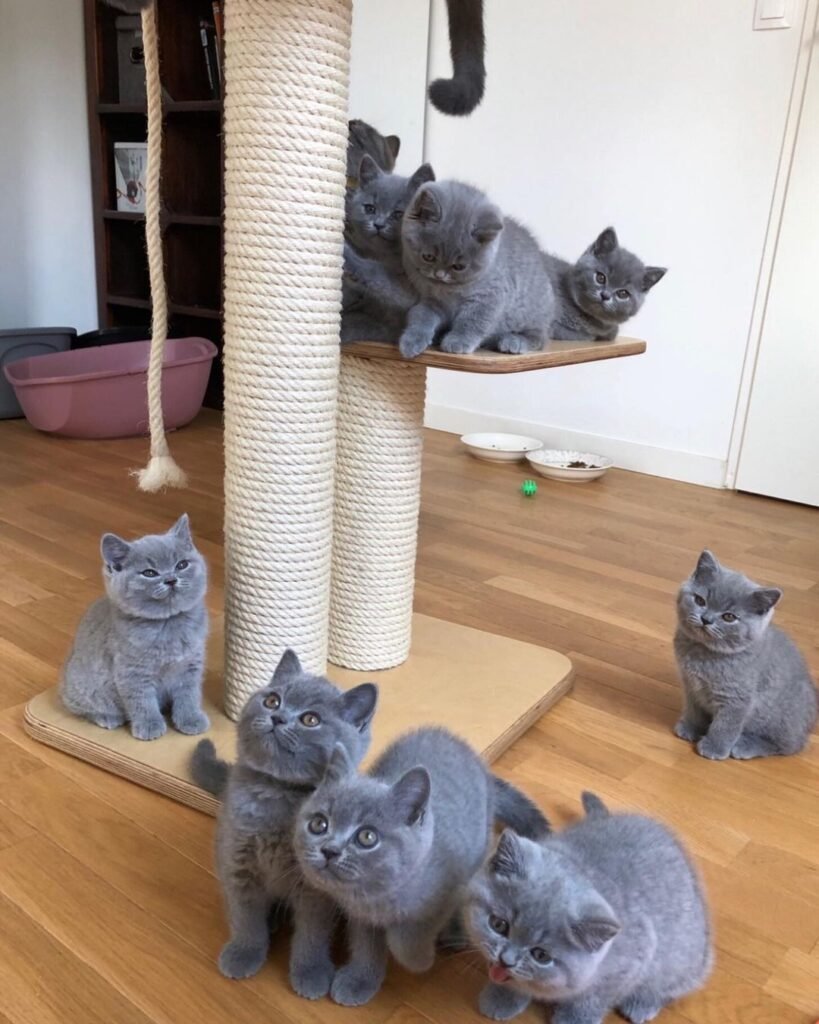
The British Shorthair kitten, known for its distinctively round face and dense, plush coat, is a beloved breed among cat enthusiasts around the world. With a history that dates back to ancient times, these kittens are not only charming in appearance but also boast a delightful personality that makes them ideal companions for families and individuals alike. As you consider welcoming a British Shorthair kitten into your home, it’s essential to understand their unique characteristics, care requirements, and health considerations. This article will provide a comprehensive guide to help you navigate the joys and responsibilities of raising a British Shorthair kitten, ensuring a happy and fulfilling relationship with your new furry friend.
Overview of British Shorthair Kittens
Historical Background
The British Shorthair has a history that stretches back to the Roman times, when feline companions arrived with the invading forces to help keep the rodent population in check. Fast forward a few centuries, and these little furballs became a British staple, known for their stocky bodies and charming personalities. They really hit the spotlight in the late 19th century when breeders started cultivating the breed, and since then, they’ve rolled their way into the hearts of cat lovers everywhere—because who can resist those chubby cheeks?
Breed Recognition and Standards
The British Shorthair is recognized by multiple cat registries, including The International Cat Association (TICA) and the Cat Fanciers’ Association (CFA). With a standard that emphasizes their muscular build, round faces, and dense coats, these kittens are the embodiment of cuteness and cuddly charm. They come with a must-have checklist: sturdy stature, deep-set eyes, and a plush coat that can make even the most sophisticated cat feel like a cuddly teddy bear. If you want a kitten that looks like it just walked out of a storybook, this is your breed!
Physical Characteristics and Appearance
Coat Colors and Patterns
British Shorthair kittens sport a variety of coat colors and patterns, so there’s one for every palette-loving pet parent. From classic blues and grays to striking whites, blacks, and tabbies, their coats come in a smorgasbord of options. You’ll also find them in unique patterns like bi-color or color-point, ensuring that every kitten is as unique as your favorite coffee order (extra shot of espresso, please!).
Size and Build
These kittens are the little tanks of the feline world, with their robust, muscular build that gives them an almost plushy appearance. Adult British Shorthairs can weigh anywhere from 9 to 18 pounds, depending on their gender and genetics. But don’t let their size fool you; they’re surprisingly agile and light on their feet. It’s like carrying around your own fluffy bowling ball that can pounce when the mood strikes!
Facial Features and Expression
If you think their bodies are adorable, wait until you see their faces! With round, chubby cheeks, large, expressive eyes, and a broad, flat nose, British Shorthair kittens have a face that could launch a thousand ‘awws.’ Their expressions can range from stoic to downright mischievous, making them the perfect subjects for Instagram photos. Just make sure you’ve got the camera rolling when they decide to give you their best “who, me?” look!
Temperament and Personality Traits
Social Behavior with Humans
British Shorthair kittens are known for their laid-back nature and will typically warm up to their humans with all the grace of a tiny, furry boulder. They enjoy companionship but aren’t the clingy type; think of them as that friend who enjoys spending time together but also appreciates a good solo Netflix binge. They can be quite affectionate, often seeking cuddles and purring like a well-oiled machine, but they also respect your personal space—most of the time.
Interaction with Other Pets
When it comes to sharing space with other critters, British Shorthairs are generally quite friendly. They tend to get along well with other cats and even dogs, as long as they’re introduced properly. They’re like that calm friend who diffuses tension and helps everyone play nice—just be prepared for a bit of playful shenanigans now and then. After all, what’s the fun of having a furry sibling if you can’t occasionally partake in a good-old-fashioned chase?
Playfulness and Energy Levels
While British Shorthair kittens are not the most hyper of felines, they definitely have their moments of playful exuberance. Expect bursts of energy that will have them zooming around the house, chasing after feather toys or engaging in an epic battle with a crumpled piece of paper. However, they quickly tire out and will happily settle down for a nap in their favorite sunbeam. Think of them as your personal “purr-sonal trainer”—they keep it light, but also remind you to relax and recharge!
Care and Maintenance Requirements
Grooming Needs
Despite their plush coats, British Shorthair kittens have it pretty easy on the grooming front. A good brush once a week is usually enough to keep their fur looking soft and fluffy, without turning you into a full-time cat stylist. During shedding seasons, you might want to step up your game a bit, but overall, they’re pretty low-maintenance—just don’t forget to check those adorable ears!
Exercise and Playtime
While they’re not marathon runners, British Shorthairs do enjoy their playtime to keep their hearts healthy and their minds sharp. A mix of interactive toys, climbing towers, and a few good old-fashioned laser pointers can keep your kitten entertained and engaged. Just don’t be surprised if they suddenly decide a box is more fun than all those fancy toys you bought—sometimes simplicity reigns supreme!
Creating a Comfortable Environment
To keep your British Shorthair kitten in the lap of luxury, make sure to provide a cozy mix of beds, blankets, and perch spots where they can lounge like the royalty they believe they are. Cats are all about personal space, so a few designated areas will help them feel safe and secure. And of course, a good supply of scratchers will keep their claws happy and your furniture intact. After all, a kitten in comfort is a happy kitten!
Health Considerations and Common Issues
Genetic Health Predispositions
British Shorthairs are generally robust, but they do come with a few genetic quirks. One notable issue is hypertrophic cardiomyopathy (HCM), a fancy term for a heart condition that can lead to serious complications. Additionally, be on the lookout for joint problems and obesity, thanks to their love for lounging. Regular check-ups can help catch these issues before they become drama llamas.
Regular Veterinary Care
Routine vet visits are your kitten’s ticket to a long and healthy life. They’ll need vaccinations, dental check-ups, and possibly spaying or neutering—because let’s face it, we don’t need any little furballs running around. Don’t skip those annual check-ups; they’re not just for putting on kitty cologne!
Signs of Illness to Watch For
Keep your eyes peeled for any signs that your British Shorthair is not feeling its best. Unusual behaviors like hiding, excessive meowing, changes in eating or litterbox habits, and any lethargy can be red flags. If your kitty suddenly decides to act like a cat version of a couch potato, it’s time for a vet visit. Trust me, you don’t want to play the guessing game when it comes to health!
Nutrition and Diet Recommendations
Choosing the Right Cat Food
A healthy British Shorthair needs high-quality food to maintain those adorable chubby cheeks. Opt for a diet rich in protein—think chicken or fish—as their muscles will appreciate it. Look for cat food with real meat as the first ingredient and avoid anything with too many fillers, because those are about as useful as a cat door for a dog!
Feeding Schedule and Portion Control
Establishing a feeding schedule will help manage their weight and keep them from playing the “I’m starving!” card. Aim for two meals a day, spaced about 12 hours apart. Use a measuring cup to ensure you’re not doling out enough kibble to feed a small army; portion control is key to preventing a kitty bulge!
Special Dietary Needs
Some British Shorthairs may develop unique dietary needs as they age. Look out for food sensitivities, allergies, or those occasional tummy troubles. If your furball starts to exhibit digestive fireworks after meals, a vet-approved diet change might do the trick. Always consult with your vet before making any dietary adjustments; it’s like asking a cat to take a bath—best done with professional advice!
Training Tips for British Shorthair Kittens
Litter Training Basics
Litter training a British Shorthair is usually as easy as pie (or should I say as easy as catnip?). Start by placing the litter box in a quiet, accessible spot, and show your kitten where it is. Most kitties will instinctively use it, but if your little furball shows resistance, don’t fret. Gently place them in the box after meals to help them get the hang of it. Patience is key; remember, Rome wasn’t built in a day!
Socialization Techniques
Socializing your British Shorthair early on will turn them into a well-adjusted adult cat (trust me, no one likes a shy kitty). Introduce them to various sounds, sights, and smells, and let them interact with other pets and humans. Playtime is essential—engaging with toys or even simple games encourages your kitten to feel confident and curious. Just don’t be surprised if your kitten shows more interest in the box than the toy inside!
Commands and Tricks
Training your British Shorthair to follow commands can be a fun game. Start with simple commands like “sit” using treats as motivation. Use positive reinforcement—nobody likes harsh corrections, especially not cats! Remember, your British Shorthair may not be impressed by your trickery, but with a little persistence, you might just earn a nod of approval… or at least a slow blink!
Finding a Reputable Breeder or Adoption Options
Questions to Ask a Breeder
If you’re going the breeding route, make sure you have a list of questions ready. Ask about the kitten’s parents, any health tests they underwent, and their living conditions. If the breeder provides a detailed health history and is open to answering your questions, you might have found your kitten matchmaker! Oh, and don’t forget to ask about the cuteness factors—there should be plenty of photo evidence!
Adoption from Shelters vs. Breeders
Adopting from a shelter can be a heartwarming experience. Many adorable British Shorthairs (and other breeds) await loving homes. Shelters often provide health checks and vaccinations, making adoption a pretty sweet deal. Just remember, whether you adopt or buy from a breeder, make sure to factor in the whole “forever home” commitment—like a lifelong game of cat and mouse, sans the mouse.
What to Look for in a Healthy Kitten
When searching for your new fluffy friend, look for bright eyes, a shiny coat, and a playful attitude. Healthy kittens should be active and curious, not lethargic lumps. Check for a clean bottom (sorry, no easy way to say that!), and make sure they don’t have any sneezes, coughs, or weird lumps. If the kitten seems ready to conquer the world (or at least your living room), you’re probably onto a winner! Bringing a British Shorthair kitten into your home can be a rewarding experience filled with love and companionship. By understanding their unique needs and characteristics, you can create an environment that nurtures their health and happiness. Whether you’re caring for their grooming, nutrition, or training, your commitment will pave the way for a strong bond with your furry friend. With the right knowledge and preparation, you’ll enjoy many joyful moments together as you embark on this wonderful journey of pet ownership.
Frequently Asked Questions
What is the average lifespan of a British Shorthair kitten?
The average lifespan of a British Shorthair is typically between 12 to 20 years, depending on their overall health and care.
Are British Shorthair kittens good with children and other pets?
Yes, British Shorthair kittens are known for their gentle and affectionate nature, making them great companions for children and other pets.
How much exercise do British Shorthair kittens need?
While they are not overly active, British Shorthair kittens require regular playtime to keep them physically and mentally stimulated. Short play sessions several times a day are sufficient.
What type of food is best for a British Shorthair kitten?
A high-quality, balanced diet that is specifically formulated for kittens is ideal. Look for food that contains protein, vitamins, and minerals necessary for their growth and development.