
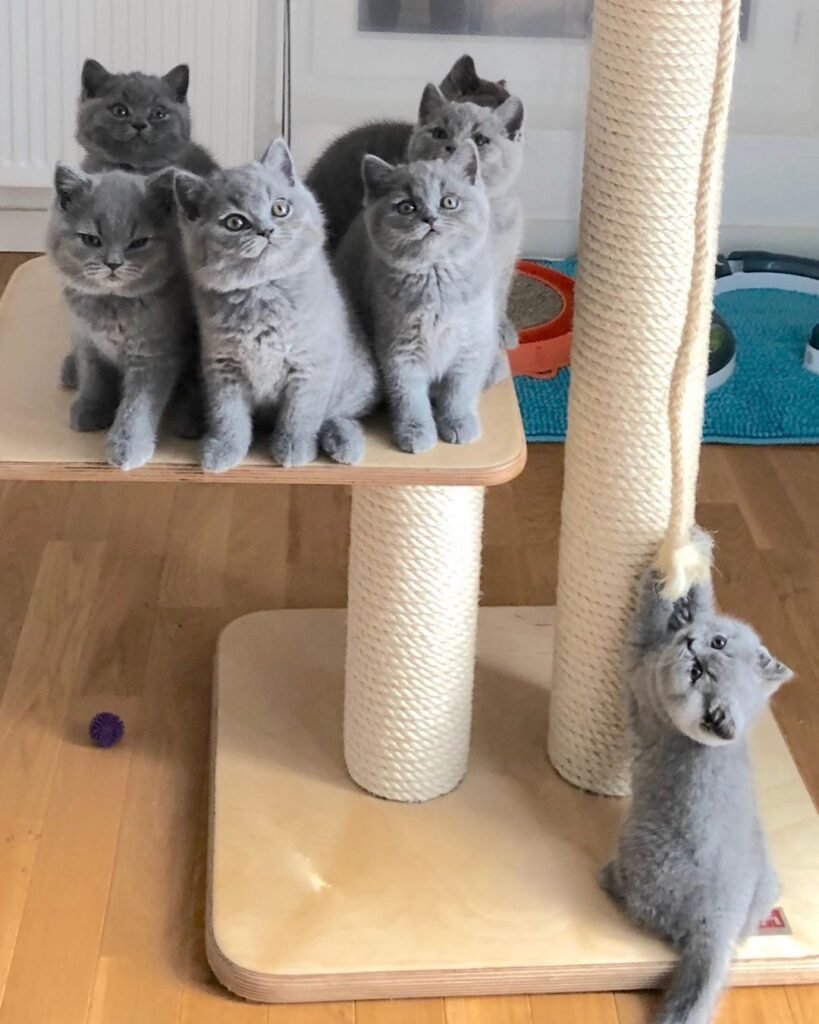
British Shorthair kittens are not just adorable companions; they are also a breed rich in history and charm, known for their distinctive features and gentle temperament. If you’re considering bringing one of these delightful felines into your home, it’s essential to understand what makes them unique and what responsibilities come with their care. From finding a reputable breeder to preparing your home for a new arrival, this guide will provide you with valuable insights and tips to ensure that you make an informed decision and offer the best possible start for your British Shorthair kitten.
Overview of British Shorthair Kittens
History and Origin
The British Shorthair breed boasts a history as rich as a good cuppa tea. Originating in the UK, these felines can trace their lineage back to the Roman era when they roamed freely, keeping pests at bay. Over centuries, they’ve become the poster cats of British culture, thanks to their sturdy build and charming demeanor. With a sprinkle of love and a dollop of history, the British Shorthair has solidified its spot as one of the most beloved cat breeds.
Distinctive Features
What sets British Shorthair kittens apart? Well, they have a plush coat that feels like a cloud (seriously, you’ll want to pet them all day), round faces that could win at any cuteness contest, and a stocky build that suggests they’ve been lifting weights in their spare time. Their big, round eyes come in a spectrum of shades—gold, copper, blue—making you wonder if they can see into your soul. And let’s not forget their iconic chubby cheeks, which give them that eternally cute look, even when they’re plotting world domination.
Characteristics of British Shorthair Kittens
Physical Traits
British Shorthair kittens are often described as the “teddy bears” of the feline world. They have dense, short fur that doesn’t just look good; it’s practical too! Their broad, rounded heads and full cheeks lend them a certain charm, while their strong, muscular limbs and compact bodies mean they could probably out-sprint you on a good day. And let’s not gloss over their adorable stubby tails—who could resist that little wiggle?
Temperament and Personality
When it comes to personality, British Shorthairs are like the perfect blend of aloof and affectionate—think of them as the introverts of the cat world. They enjoy being around their humans but won’t smother you like a clingy friend. These kittens are calm, easygoing, and often quite playful, making them the ideal companions for families and individuals alike. Just don’t be surprised if they sit on your books as you try to read; they have a penchant for being the center of attention.
Common Color Variations
British Shorthair kittens come in a delightful array of colors, from classic blue (think of a misty London morning) to cream and chocolate shades that look good enough to eat. You’ll also find them in tabby, tortoiseshell, and even white! Each color variation has its own unique appeal, and let’s be honest—you’d probably adopt them all if you could.
Finding a Reputable Breeder
What to Look for in a Breeder
Before you whip out your wallet and run off with a kitten, it’s crucial to find a reputable breeder who truly cares about the health and temperament of their cats. Look for someone who is transparent about their breeding practices, has a clean and safe environment for the kittens, and is willing to share health records. A good breeder will have the happy, healthy kittens prancing around like they’re on a catwalk, not just churning them out like a factory.
Questions to Ask a Breeder
When chatting with a potential breeder, don’t be shy! Ask them about the kitten’s lineage, health screenings, and any genetic issues in the breed. Inquire about socialization practices and what kind of environment the kittens have been raised in. And, of course, be sure to ask if you can meet the kitten’s parents—after all, you wouldn’t buy a car without checking under the hood!
Adoption vs. Purchase
While buying from a breeder is one option, don’t overlook the joy of adopting! Shelters and rescue organizations often have kittens in need of forever homes, including British Shorthairs. Adoption can be a rewarding experience that saves a life and helps reduce the number of strays. Whether you choose to buy or adopt, the key is to ensure you’re providing a loving home for your future feline friend.
Kitten Care and Preparation
Essential Supplies
Before your new arrival comes home, you’ll need to stock up on supplies. Grab the essentials: food and water bowls, a cozy bed, litter box (and litter, of course), scratching post, and a few stimulating toys to keep your kitten entertained. Don’t forget a proper collar and ID tag (or better yet, a microchip) so that your little explorer can be found if they decide to go on an adventure!
Creating a Safe Environment
Kittens are curious creatures, which means they’re likely to get into everything and anything. Cat-proof your home by removing toxic plants, securing loose wires, and making sure small items (like hair ties and paperclips) are well out of reach. Create a safe space with cozy hiding spots and climbing spaces; after all, a happy kitten is an adventurous kitten!
Nutrition and Feeding Guidelines
Feeding your British Shorthair kitten the right diet is crucial for their growth and health. Look for high-quality kitten food that’s rich in protein and nutrients. It’s essential to feed them appropriately sized portions throughout the day—no one wants a chubby kitty! Consult with your vet for specialized advice on feeding schedules and dietary preferences, and you’ll be well on your way to raising a healthy, happy British Shorthair.
Price Range and Costs Associated
Initial Purchase Price
When you’re on the hunt for a British Shorthair kitten, be prepared to part with some cash. Initial purchase prices can range from $1,000 to $2,000, depending on factors like breeder reputation, pedigree, and geographical location. While that might sound steep, think of it as an investment in your future furry companion – one who will rule your household with an iron paw!
Ongoing Care Expenses
Once you’ve secured your adorable fluffball, the costs don’t stop there. Monthly expenses for food, litter, and routine supplies can add up to around $50 to $100. Don’t forget to budget for grooming, especially if your kitten decides they want to be a model and grow out a mane. Plus, consider adding a scratch tree to your living room so your new roommate can take out their feline frustrations without ruining your furniture.
Budgeting for Unexpected Costs
Life is full of surprises, and your kitten’s health can be one of them. It’s wise to set aside an emergency fund of $500 or more for unexpected vet visits or health issues. Just like you wouldn’t want to go on a road trip without a spare tire, don’t welcome a British Shorthair without a financial safety net to keep both your wallet and your kitten happy!
Health Considerations and Veterinary Care
Common Health Issues
British Shorthairs are generally sturdy little creatures, but they can be prone to some specific health issues, like hypertrophic cardiomyopathy (a fancy term for heart disease) and obesity (hello, chunky kitties!). Regular vet visits can help you catch these problems early, so your fluffy friend can continue to be the adorable cuddle bug that they were born to be.
Vaccination Schedule
Kitten vaccinations are critical, and not just an excuse for your vet to take your money! Your new bundle of joy will need a series of vaccinations starting around 8 weeks old. Think feline version of a school immunization program, but cuter. This includes core vaccinations against things like feline panleukopenia and calicivirus. Keep that calendar handy because your little furball needs boosters as they grow!
Regular Check-Ups
Just like people, kittens need regular check-ups to stay healthy and spry. Annual vet visits are a must to ensure your British Shorthair is thriving. These appointments typically include physical exams and tooth inspections, as dental health is key to a long, happy life. So don’t skip them unless you want your kitten to start giving you the stink-eye for neglecting them.
Socialization and Training Tips
Introducing Your Kitten to New Environments
Initially, your British Shorthair may be a little shy in their new domain. To ease them into their castle, introduce them to different rooms gradually. Let them explore at their own pace – after all, they need to assess their new kingdom! Keeping other pets away at first will help your kitten feel safe and secure. Eventually, they’ll be ruling your house like the little monarch they are!
Basic Training Techniques
Training a kitten can be a delightful adventure! Use positive reinforcement techniques – think treats, cuddles, and a sprinkle of patience. Start with the basics: litter box training can usually be achieved in a few days, as long as you’re not engaging in a game of hide-and-seek with your litter box. Remember, consistency is key, and yelling at a kitten is about as effective as using a feather duster to swat a bear!
Playtime and Enrichment Activities
British Shorthairs are playful and curious creatures, so invest in some toys that provide mental stimulation. Things like interactive toys, feather wands, or cardboard boxes (yes, the classic!) will keep your kitten entertained. A bored kitty is a mischievous one, so be sure to engage them through playtime. And trust us, watching them leap around will be the highlight of your day!
Conclusion: Making the Right Choice
Assessing Your Lifestyle
Before diving headfirst into kitten parenthood, take a moment to assess your lifestyle. Do you work long hours? Do you travel often? British Shorthairs thrive on companionship, so be sure you have the time and energy to devote to your new furry friend. If you’re a social butterfly, they might just enjoy the attention – provided you promise to scratch behind their ears frequently.
Long-Term Commitment
Owning a kitten is not a spur-of-the-moment decision! Remember that your British Shorthair will be part of your family for 15 years or more. That’s a long time to commit to taking care of and loving a furry ball of cuteness! Be prepared for snuggles, unexpected joy, and the occasional bout of mischief. If you’re ready for the long haul, then congratulations, you’re about to embark on an adventure of a lifetime! In conclusion, bringing a British Shorthair kitten into your home can be a rewarding experience filled with joy and companionship. By understanding their unique characteristics, finding a reputable breeder, and preparing adequately for their care, you can ensure that both you and your new furry friend have a happy and fulfilling life together. Take the time to research and make thoughtful decisions, and you’ll pave the way for a wonderful bond with your British Shorthair kitten.
Frequently Asked Questions
What is the average lifespan of a British Shorthair kitten?
The average lifespan of a British Shorthair can range from 12 to 20 years, depending on their overall health, diet, and care.
Are British Shorthairs good with children and other pets?
Yes, British Shorthairs are known for their calm and gentle temperament, making them suitable for families with children and other pets.
How often should I groom my British Shorthair?
British Shorthairs have a dense coat that requires regular grooming. Brushing once a week is typically sufficient to remove loose hair and prevent matting.
What health issues should I be aware of with British Shorthairs?
Common health issues include hypertrophic cardiomyopathy (a heart condition), obesity, and dental problems. Regular veterinary check-ups can help monitor and manage these risks.