
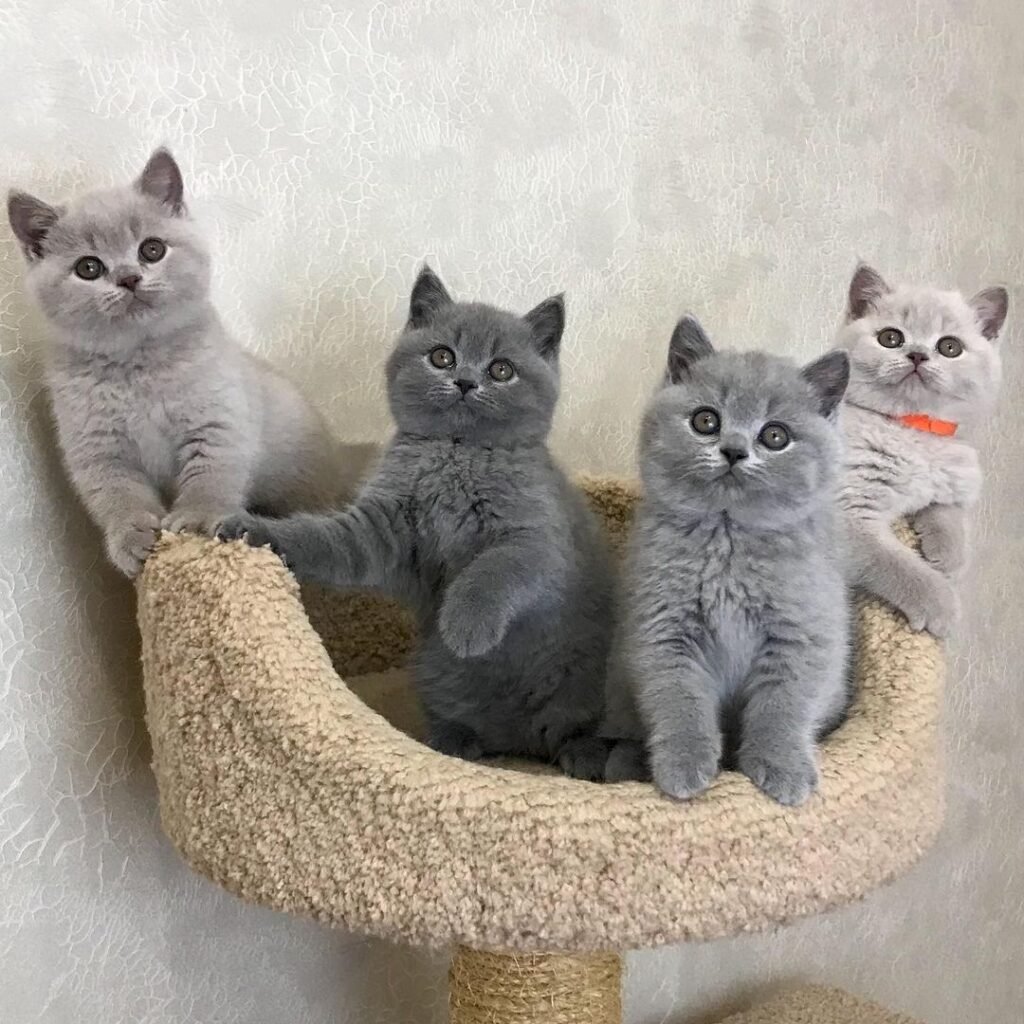
The British Shorthair is one of the most beloved cat breeds, known for its distinctive round face, sturdy build, and charming personality. As potential pet owners consider bringing a British Shorthair kitten into their homes, understanding the price of these adorable companions is essential. The cost of a British Shorthair kitten can vary significantly based on factors such as lineage, location, and breeder reputation. This article explores the various elements that influence the price, offering insights into average costs, ongoing expenses, and tips for finding a reputable source for your future feline friend. Whether you are leaning towards adoption or purchasing from a breeder, this comprehensive guide will help you make an informed decision.
Overview of British Shorthair Kittens
History and Characteristics
The British Shorthair is essentially the cool kid in the cat world, with roots tracing back to ancient Rome (yes, those Romans loved their cats). Known for their round faces, dense coats, and stocky builds, these felines exude charm. They come in various colors, but their signature blue-grey hue has captured hearts across the globe. With a laid-back personality, they’re often described as being the ultimate couch companions—perfect for binge-watching while you endlessly scroll through cat videos.
Popularity and Demand
If British Shorthairs were a band, they’d definitely top the charts. Their popularity has surged in recent years thanks to their striking looks and the fact they’re as low-maintenance as a cat can get—ideal for busy people or the “accidentally adopted a cat” types. The demand for these fluffballs is consistently high, which means you might find yourself in a bidding war for your dream kitten. Spoiler alert: It’s usually the kittens that win.
Factors Influencing the Price
Breed Lineage and Pedigree
Just like fine wine, British Shorthairs come with a pedigree that can affect their price tag. Kittens from champion bloodlines flaunt a higher price due to their superior genetic heritage. Breeders who have invested time and care into developing these lines are likely to charge more, and you might just be getting a future cat-show superstar—if you’re into that sort of thing.
Health Certifications
A kitten’s health is paramount, and responsible breeders ensure their furballs come with health certifications that scream “I’m healthy, adopt me!” These certifications can raise costs, but think of them as a worthy investment in your cat’s long-term wellness. After all, a happy, healthy kitty is worth its weight in gold (or at least in catnip).
Age and Size of the Kitten
Kittens are like fine cheese—the younger, the better (in the eyes of most cat enthusiasts). Generally, younger kittens tend to be pricier, as they’re often more desirable for first-time cat owners. Plus, who can resist a wobbly little ball of fluff? Size can also be a factor; bigger kittens could be seen as more robust and appealing, leading to a bump in the price.
Average Price Range
Typical Prices for Various Coat Colors
Brace yourself for some sticker shock; the price of a British Shorthair kitten can range anywhere from $1,000 to $2,500. But here’s the kicker: coat color can impact pricing too. Standard colors like blue might be on the more affordable side, while rarer shades like lilac or golden can send prices skyrocketing. Who knew a cat’s wardrobe could be so pricey?
Price Differences Based on Gender
When it comes to gender, male British Shorthairs often command higher prices (cue the “men are from Mars” jokes). This is due to factors like their potential to be used for breeding, which makes them more appealing to breeders and enthusiasts alike. Of course, there’s always the quirky outlier who prefers female cats, but generally, expect to pay a little more for that fluffy male companion.
Variations in Price by Region
City vs. Rural Pricing
Location, location, location! Prices for British Shorthair kittens can vary widely, especially between urban and rural settings. City dwellers might find themselves shelling out more due to higher breeder costs and increased demand. Meanwhile, those in rural areas might snag a better deal (bonus points if you can convince the breeder to throw in some catnip!).
International Price Comparisons
If you thought prices were just a local affair, think again! The cost of a British Shorthair varies internationally, with U.S. prices often outpacing those in the UK or Eastern Europe. Factors like importation fees and the kitten’s breeding rights can add extra zeros to your bill. So, unless you’re planning a worldwide kitten tour, it’s best to do some serious research before you hit that ‘buy now’ button.
Costs Beyond the Initial Purchase Price
Initial Setup Costs
Buying a British Shorthair kitten is just the tip of the financial iceberg, my friend. Before you can say “Meow,” you’ll need to invest in a cozy cat bed, litter box, scratching post, and all the toys necessary to keep your new furry friend entertained (and out of trouble). Don’t forget the food and water bowls—because hydration and sustenance are important, even for the fluffiest of felines. Factor in the cost of transitioning your home into a cat-friendly abode; plants that are toxic to cats? Yeah, those need to go!
Ongoing Care and Maintenance Expenses
Now that you’ve welcomed your adorable ball of fluff into your home, brace yourself for ongoing expenses. Food, litter, and routine grooming are just the beginning. British Shorthairs often enjoy a high-quality diet to maintain their plush coats and overall health, which can add up. And let’s not forget the never-ending cycle of replacing that adorable scratching post as it becomes a battleground for your kitten’s claws. Plus, there’s always the unexpected splurge on the latest cat toy or that fancy feather wand that promises hours of entertainment.
Insurance and Veterinary Costs
Ultimately, your investment in your British Shorthair’s health is crucial. Regular veterinary visits for check-ups, vaccinations, and any surprise visits for those moments when they decide to channel their inner acrobat and land awkwardly are essential. This is where pet insurance comes into play. It’s not just an option; it’s a safety net. Having coverage can save you a fortune in emergencies, but do your homework because not all plans are created equal. Vet bills can hit hard, so be prepared to shell out for those routine check-ups, flea treatments, and occasional “I didn’t know they could eat that” visits.
How to Find a Reputable Breeder
Identifying Red Flags
Choosing a breeder is a bit like dating; you want the best, but you’ve got to watch out for the red flags. If the breeder is reluctant to show you the kitten’s living conditions or their health records, that’s a huge warning sign. Additionally, if they seem overly eager to sell you a kitten without asking about your experience or lifestyle, they might be more interested in a paycheck than the welfare of their cats. And if they offer kittens at suspiciously low prices, it’s time to pump the brakes and ask yourself why.
Questions to Ask Potential Breeders
When you meet potential breeders, don’t hold back—channel your inner journalist and ask questions. Inquire about the kitten’s parents, their health history, and any genetic conditions common in British Shorthairs. Ask how they socialize their kittens; a well-adjusted kitten will have been exposed to a variety of experiences. Don’t forget to inquire about breed-specific traits and any after-sale support they offer. A responsible breeder will welcome your enthusiasm and provide clear, thoughtful answers.
Adoption vs. Purchasing from a Breeder
Benefits of Adoption
Adopting a cat is like finding a hidden treasure at an estate sale – oh, what joy awaits! When you adopt, you’re giving a loving home to a cat in need, which can be incredibly rewarding. Plus, adoption fees are generally lower than purchasing from a breeder, which means more cash for treats. Many shelters also ensure that animals are vaccinated, spayed or neutered, and even microchipped—talk about a good deal!
Potential Drawbacks
However, adopting comes with its own set of challenges. It can be tough to find a British Shorthair in a shelter, as they’re often in high demand and may not be readily available. Also, some adoptive cats may have an unknown history or behavioral quirks that could take time and patience to work through. So, if you’ve set your heart on a specific breed, the search might take longer than expected.
Conclusion and Final Considerations
Making an Informed Decision
Deciding to bring a British Shorthair kitten into your life is no small feat. It requires research, consideration of costs, and an understanding of the commitment involved. Whether you choose to adopt or purchase from a reputable breeder, the goal is to find a match that suits your lifestyle. Take your time, ask a lot of questions, and remember: this little furball will be part of your family for many years to come!
Long-Term Commitment of Pet Ownership
Owning a pet is a long-term relationship filled with snuggles, joy, and yes, some challenges along the way. From the daily care to the attention they need, owning a British Shorthair is about more than just cute Instagram photos. Embrace the journey, be prepared to adapt, and remember that the rewards far outweigh the challenges. So gather your kitty supplies, and get ready for paws-itively adorable moments ahead! In conclusion, the price of a British Shorthair kitten can vary widely based on several factors, including pedigree, location, and breeder reputation. By understanding these elements and considering the ongoing costs of care, potential owners can make a well-informed decision that aligns with their budget and lifestyle. Whether you choose to adopt or purchase from a breeder, welcoming a British Shorthair into your home can bring joy and companionship for many years to come.
Frequently Asked Questions
1. How much should I expect to pay for a British Shorthair kitten?
The price for a British Shorthair kitten typically ranges from $1,000 to $3,000, depending on factors such as pedigree, age, and breeder reputation.
2. Are there significant ongoing costs associated with owning a British Shorthair?
Yes, in addition to the initial purchase price, ongoing costs such as food, litter, veterinary care, and pet insurance can add up over time.
3. Is it better to adopt a British Shorthair or buy from a breeder?
Both options have their pros and cons. Adopting can be more cost-effective and provides a home for a cat in need, while purchasing from a breeder may ensure specific traits and health guarantees.
4. How can I find a reputable breeder for a British Shorthair kitten?
Look for breeders who are registered with cat breed organizations, ask for health certifications, and read reviews. Visiting the breeder’s facility and asking questions can also help ensure they are reputable.