
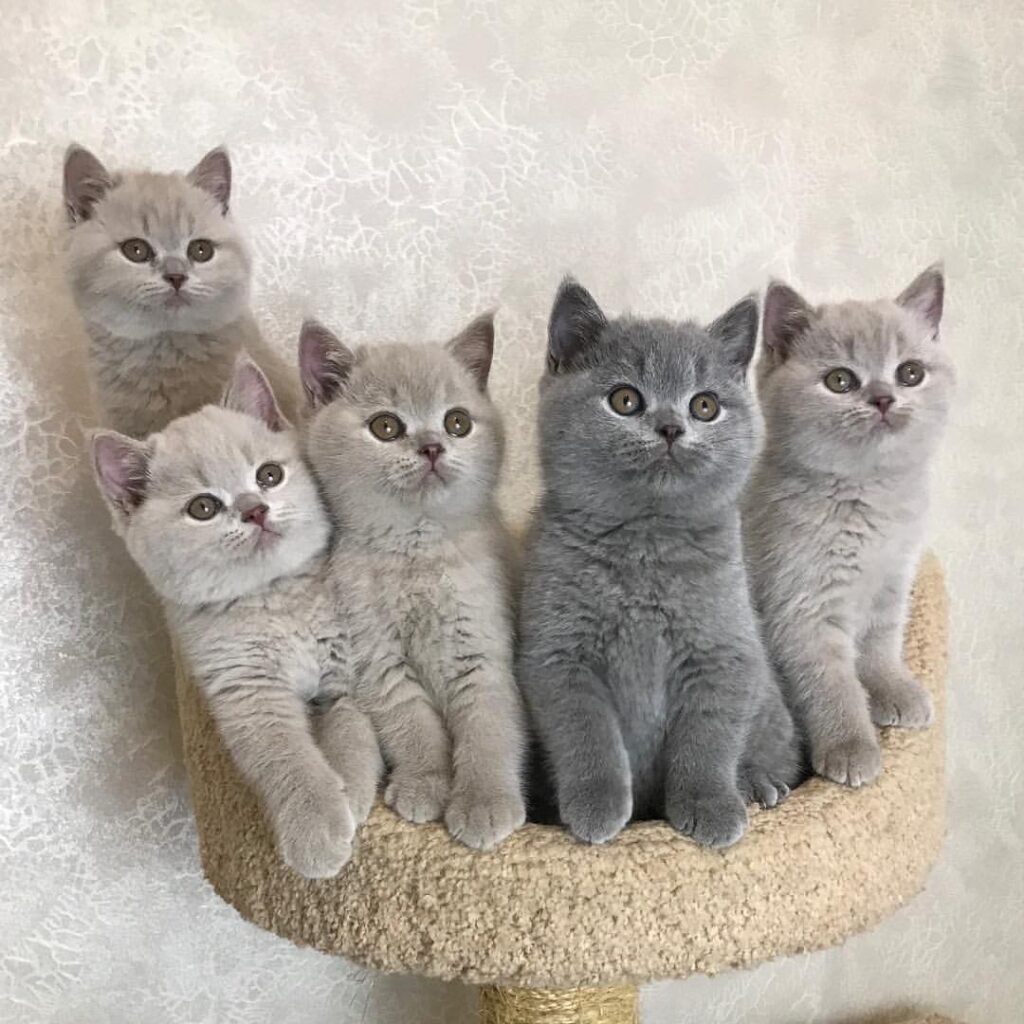
The British Shorthair is one of the most beloved cat breeds, known for its charming appearance and gentle demeanor. As a prospective cat owner, finding a responsible and reputable breeder is crucial to ensuring the health and well-being of your future feline companion. This article will explore the key aspects of British Shorthair breeding, including the breed’s characteristics, the importance of ethical practices, and what to look for when selecting a breeder. Whether you are a first-time cat owner or an experienced enthusiast, understanding these elements will help you make informed decisions as you welcome a British Shorthair into your home.
Understanding British Shorthairs: Origin and Characteristics
History of the British Shorthair
The British Shorthair boasts a royal lineage that dates back to the Roman conquest of Britain. These charming felines were originally bred for their hunting prowess, padding about the countryside with an aura of grace and a penchant for catching mice. Over time, they evolved into companion animals for British households, thanks to their appealing appearance and amiable nature. In fact, their status as one of the oldest cat breeds is enough to make even the most seasoned aristocrats nod in approval.
Physical Traits and Appearance
With their sturdy build and plush, dense coat, British Shorthairs are essentially the fluffy teddy bears of the cat world. Sporting a round face, chubby cheeks, and big, sparkling eyes, they are the embodiment of cuteness. Their coats come in a plethora of colors, from classic blue (that’s cat-speak for gray) to a rainbow of other shades, making them a purr-fect choice for anyone who appreciates diversity. Plus, their short hair means less time on your hands when it comes to grooming – a win-win for those who prefer their laps furry but not overly so!
Temperament and Behavior
British Shorthairs are cool cats, quite literally. They strike a balance between playful and laid-back, making them ideal companions for both families and individuals. While they enjoy a good romp with a toy mouse, they also appreciate a cozy spot on the sofa for an afternoon snooze. Known for their loyalty and affectionate nature, they tend to form strong bonds with their humans—think of them as the loyal sidekick in your life’s adventures, minus the cape.
The Importance of Choosing a Responsible Breeder
Ethical Breeding Practices
Choosing a responsible breeder is crucial because it’s akin to picking a reliable source for your favorite recipe: one wrong ingredient can spoil the whole dish! Ethical breeders prioritize the health and well-being of their cats over monetary gain. They ensure that their breeding cats are only paired based on quality traits and temperament, enhancing the breed while dodging dubious practices like inbreeding. Because, let’s be honest, no one wants a cat that looks like it should be in a horror movie.
Impact of Breeding on Cat Health
Good breeding practices can significantly affect a cat’s health—think of it as a genetic lottery. A responsible breeder will take the time to produce kittens with superior health, reducing the risk of hereditary diseases. By investing in quality breeding standards, you’ll not only contribute to the cat’s quality of life but also ensure that your future feline friend is as robust as a British bulldog—minus the drool, of course.
Key Traits to Look for in a British Shorthair Breeder
Experience and Reputation
When searching for a British Shorthair breeder, experience is key. You wouldn’t trust a chef who can’t boil water, right? Similarly, an experienced breeder will have a track record for producing healthy, well-socialized kittens. A good reputation precedes them—check reviews, ask for references, and maybe even sneak in a few clandestine inquiries among fellow cat aficionados.
Facility Standards and Environment
A breeder’s facility should resemble the cat version of a five-star hotel – clean, welcoming, and filled with cozy nooks for napping. If you walk into a breeding environment and feel as though you’ve stumbled into a cat version of a crime scene, it’s time to run (not walk). Responsible breeders provide spacious, safe environments for their cats, ensuring they have plenty of room to play and explore.
Communication and Transparency
A top-notch breeder will welcome you with open paws and open communication. They should be more than happy to answer your questions, provide insights into their breeding practices, and share health records for kitten parents. If a breeder is vague or evasive, consider it a red flag waving like a cheerleader at a football game—time to look elsewhere!
Health Testing and Genetic Screening in Breeding
Common Health Issues in British Shorthairs
Despite their robust appearance, British Shorthairs can be prone to certain health issues such as hypertrophic cardiomyopathy (a fancy term for a heart condition) and obesity. While we all love a good snack, it’s important to keep these cats fit and healthy. Regular check-ups and screenings can help catch potential issues before they snowball into serious problems.
Importance of Genetic Screening
Genetic screening is like a crystal ball for breeders—it helps predict and prevent hereditary health issues. By testing the breeding cats, responsible breeders can make informed decisions about pairings, ensuring future kittens are as healthy as possible. It’s science meets feline destiny, and everybody wins!
Vaccination and Health Records
When bringing a new British Shorthair into your home, having a complete health record is like getting the ultimate welcome gift. Responsible breeders provide vaccination histories, ensuring your new furball is protected right from the start. Being proactive about health can save you not just heartache but also a chunk of change down the road—after all, those vet bills can climb faster than a cat scaling a tree!
The Breeding Process: From Mating to Kittens
Selection of Breeding Cats
Choosing the right cats for breeding is like casting the perfect duo for a rom-com. You want a good match, with both physical traits and temperaments that complement each other. Responsible breeders assess genetic health, lineage, and even personality quirks—yes, even the occasional aloofness is taken into account. The goal? To produce adorable kittens who inherit the best traits from both parents, minus any of their weird uncle’s habits.
Gestation and Birth
Once the breeding pair has been selected, it’s time for some feline romance—cue the mushy music! After a successful mating, female British Shorthairs will carry their precious cargo for about 63-65 days. During this gestation period, momma cat needs all the TLC she can get, including a cozy space, proper nutrition, and plenty of naps (because who doesn’t love a good snooze fest?). When the big day arrives, it’s a whirlwind of fluffy chaos as kittens make their grand entrance—like tiny, furry ninjas!
Socialization of Kittens
Once the kittens are born, the real fun begins! Socialization is crucial to ensure these little furballs grow into well-adjusted adults. Breeders introduce various stimuli—think toys, noises, and gentle human handling—so the kittens can learn the ropes of the big, wacky world. This playful phase also helps them develop their personalities and can lead to some hilarious antics (like mistaking shoelaces for snakes). The aim is to create confident kittens who are ready to charm their future families!
Responsible Breeding Practices and Ethical Considerations
Importance of Spaying and Neutering
Spaying and neutering are the unsung heroes of responsible pet ownership. Not only do they prevent unwanted litters, but they also help reduce health risks in pets and can curb certain behavioral issues. It’s like giving your cat a VIP pass to a healthier life, complete with reduced aggression and a lessened urge to roam the neighborhood like a feline Casanova.
Reducing Overpopulation and Rescue Efforts
The cat overpopulation crisis is no laughing matter; it’s like a never-ending game of feline musical chairs—too many cats, not enough laps. By practicing responsible breeding and encouraging spaying and neutering, breeders help combat this issue. Supporting local rescues and shelters also plays a part; adopting a cat saves lives and makes room for more kitties in need. It’s a win-win for everyone, especially the cats!
Preparing for Your New British Shorthair: What to Expect
Setting Up Your Home for a New Kitten
Bringing home a new British Shorthair requires more than just an adorable carrier filled with fluff. You’ll need to transform your home into a kitten paradise—think cozy beds, scratching posts, and plenty of toys (yes, you might be spending more money on catnip than on yourself). Remember to cat-proof your space by hiding wires and toxic plants; your new roommate has a talent for mischief and curiosity!
Initial Health Check and Vet Visits
Just like new parents take their babies for check-ups, your kitten needs a few trips to the vet for vaccinations, deworming, and general health assessments. It’s important to establish a relationship with your vet early on to ensure your British Shorthair stays healthy and happy. Plus, it’s a great way to practice your best “please don’t bite me” face when it’s time for those pesky shots!
Adjusting to Life with a British Shorthair
Once your British Shorthair is home, expect a delightful mix of cuddles and quirky behaviors. They may take time to adjust to their new territory and may even give off a “royal” vibe—after all, they are descendants of noble cats! Patience is key as they explore their new domain and get comfortable with their humans. Over time, you’ll both settle into a routine filled with purring, playful antics, and shared snacks (because those treats are for sharing, right?).
Resources for Finding Reputable British Shorthair Breeders
Online Directories and Associations
The internet is a treasure trove of information—like an encyclopedia but with more cat pictures! Look for reputable online directories and associations focused on British Shorthairs. Sites like The International Cat Association (TICA) and the Cat Fanciers’ Association (CFA) provide listings of registered breeders who prioritize ethical practices and the well-being of their cats.
Questions to Ask Breeders
When you finally find a breeder who catches your eye, be prepared to interview them like it’s a job! Ask about their breeding practices, health screenings, and what socialization methods they use for kittens. Don’t forget to inquire about their support post-adoption; a good breeder is like a friendly neighborhood superhero who’s always there to offer advice and assistance.
Understanding Contracts and Guarantees
Before signing on the dotted line, make sure to read through any contracts or guarantees carefully. A reputable breeder will typically have a contract that spells out the responsibilities of both parties, including health guarantees and return policies. Think of it as the fine print for an exciting new chapter in your life—minus the hidden fees and annoying legal jargon. It’s all about ensuring a smooth transition for both you and your future feline friend!In conclusion, choosing a British Shorthair involves more than just falling in love with their striking looks; it requires careful consideration of the breeder and their practices. By prioritizing responsible breeding and understanding the breed’s needs, you set the foundation for a healthy and joyful companionship.
Frequently Asked Questions
1. How can I find a reputable British Shorthair breeder?
Look for breeders who are members of recognized cat associations, have positive reviews from past clients, and prioritize the health and well-being of their cats. It’s essential to visit their facilities and ask about health testing and breeding practices.
2. What health issues are common in British Shorthairs?
British Shorthairs can be prone to certain health issues, including hypertrophic cardiomyopathy (HCM), obesity, and dental problems. Responsible breeders conduct health testing to minimize these risks.
3. How do I prepare my home for a new British Shorthair kitten?
Ensure you have a safe, comfortable space for your kitten, complete with a cozy bed, litter box, scratching post, and toys. It’s also important to cat-proof your home by removing hazards and securing loose cables.
4. What should I expect in terms of the kitten’s socialization?
Kittens should be well-socialized with people and other pets before going to their new homes. A reputable breeder will expose the kittens to various stimuli, helping them develop into confident and well-adjusted adults.