
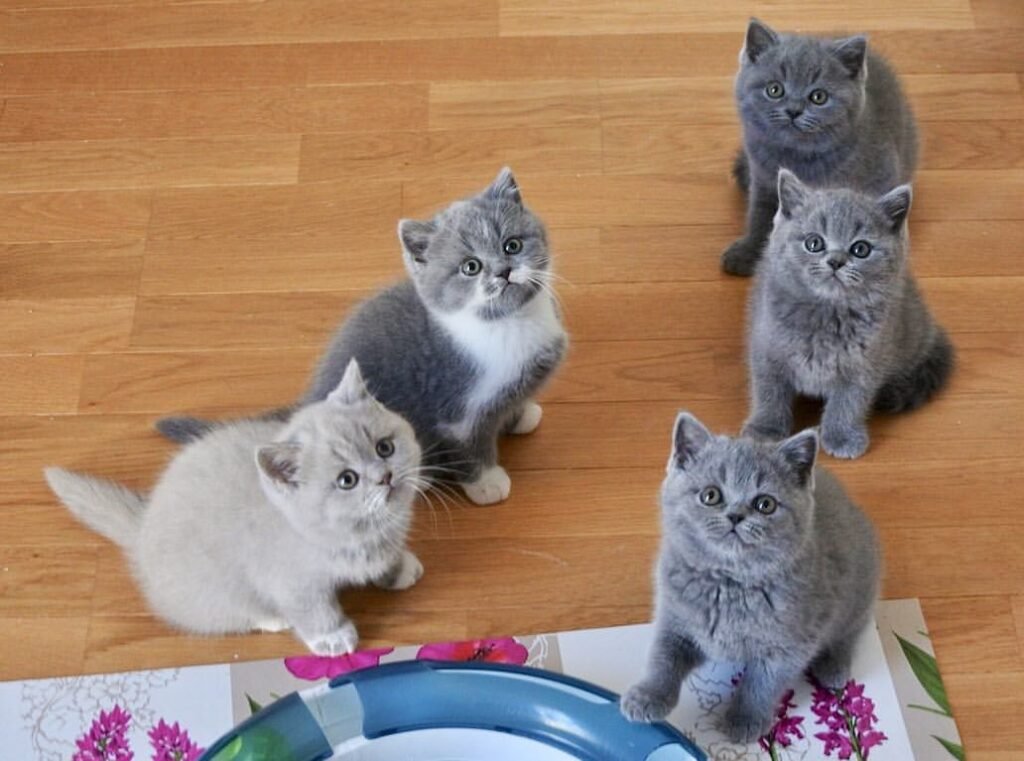
The British Shorthair is a beloved breed known for its distinctive round face, dense coat, and charming personality. As potential cat owners consider adding one of these gentle giants to their families, understanding the financial commitment involved is crucial. The cost of a British Shorthair can vary widely based on factors such as breeder reputation, color, and age, as well as ongoing expenses associated with care, food, and veterinary services. This article explores the various elements that influence the price of British Shorthairs, offering insights to help prospective owners make informed decisions about this popular feline companion.
Overview of British Shorthair Pricing
Understanding the Breed’s Popularity
British Shorthairs have become the darlings of the cat world, winning hearts with their plush coats and charming round faces. But with great popularity comes a price tag that reflects their desirability. These cuddly companions are in high demand, which naturally drives up their cost, making them a sought-after addition to many households. If you’ve had your eye on that squishy little face, prepare your wallet!
Comparative Costs with Other Breeds
When you compare British Shorthairs to other breeds, their price point often sits a little higher. While you might find a tabby or a rescue cat for a song, British Shorthairs typically start at a premium, thanks to their unique looks and laid-back personalities. In the grand tapestry of feline pricing, they’re kind of like the fashionable designer bag of the cat world—worth every penny, but definitely an investment!
Factors Influencing the Cost of British Shorthairs
Breeder Reputation and Location
The world of cat breeders can be as diverse as the breeds themselves. A reputable breeder with a strong track record and ethical practices can charge more, as they ensure you’re getting a healthy and well-socialized kitten. Plus, location matters! Cats from urban centers may be pricier than those from rural areas, not unlike the difference between buying a latte in London versus a small town.
Age and Health of the Cat
Kittens are adorably expensive, but if you’re looking for a slightly older British Shorthair, you might find a better deal. Just remember, the health of the cat is paramount. Healthy cats with good vet records will usually come at a premium, so factor in future vet bills when considering your overall budget. After all, no one wants a surprise vet visit to ruin their day (or their bank account).
Pedigree and Show Quality
If you’re after a British Shorthair with a pedigree that could impress even the snootiest of show judges, get ready to shell out some serious cash. Show-quality cats, with all the right markings and temperaments, will definitely cost more than your average fluffball. But hey, if you plan on entering them in competitions, it may just be worth the investment!
Average Price Range for British Shorthairs
Typical Prices for Kittens
On average, British Shorthair kittens can set you back anywhere from £800 to £2,000, depending on various factors like pedigree, breeder reputation, and location. Expect to pay more for those adorable little furballs with impeccable bloodlines and an air of sophistication that could rival a royal.
Prices for Adult Cats
If kittens aren’t your jam (maybe you just want a cat with a bit of life experience), adult British Shorthairs can range from £300 to £1,500. These seasoned felines often come with lower price tags, but don’t underestimate their charm—they can still bring a ton of joy (and a few good laughs) into your home.
Cost Variations by Breed Type and Color
Standard Colors and Their Prices
Standard colors, like the classic blue or black, are generally more affordable, typically falling in the lower end of the price spectrum. If you’re after a typical British Shorthair, expect to pay in the ballpark of £800 to £1,500 for these common hues. They may be common, but they sure are cute!
Rare Colors and Patterns
If you fancy yourself a connoisseur of all things unique, rare colors like lilac, chocolate, or silver tabby can drive the price up significantly—sometimes reaching £2,500 or more! These rare beauties are like the limited-edition sneakers of the cat world, and you can bet they’ll turn heads (and possibly empty your wallet)!
Expenses Beyond Initial Purchase Price
Food and Nutrition Costs
Once you’ve brought your fluffy British Shorthair home, brace yourself for the recurring costs of feeding your new feline overlord. A high-quality diet is essential; think premium cat food that’s tailored to their specific nutritional needs. Depending on the brand and whether you prefer wet or dry food, you might find yourself spending anywhere from £20 to £60 a month. Remember, a well-fed cat is a happy cat—and a happy cat typically stays out of trouble (mostly).
Healthcare and Vet Expenses
Veterinary care is an unavoidable aspect of pet ownership. Regular check-ups, vaccinations, and preventative treatments can quickly add up. Expect to pay around £100-£300 annually for routine care. Additionally, pet insurance is always a good idea; though it may feel like a financial leap at first, it could save you a fortune in unforeseen illnesses or accidents. Because let’s face it—nothing can prepare you for the financial heartache of a pet emergency.
Grooming and Maintenance Costs
British Shorthairs may not have the fluffiest of coats, but they still need some grooming love. Regular brushing can minimize shedding and hairballs, so a good brush is a must-have. You might spend about £10-£20 every month on grooming supplies. If you’re not up for the task, professional grooming can cost a little more. And don’t forget about litter and litter boxes—those little expenses can really add up over time!
Where to Buy British Shorthairs: Breeders vs. Shelters
Finding Reputable Breeders
If you decide to go the breeder route, it’s crucial to do your homework. Look for reputable breeders who prioritize the health and temperament of their kitties. They should be open about health tests for common issues like hypertrophic cardiomyopathy (HCM). Prices at breeders can vary significantly, typically ranging from £800 to over £1,500. But hey, you’ll likely get a little furball with a stellar pedigree, so you can strut down the street like a proud cat parent.
Adoption from Shelters and Rescues
Adopting a British Shorthair from a shelter is a fantastic option for those who want to save a life while snagging a marvelous companion. You might find a wonderful cat at a fraction of the price of a breeder, usually around £100 to £300. Plus, you get the added bonus of doing a good deed. Just ensure the cat has been spayed or neutered and has a clean bill of health before you sign the adoption papers.
Tips for Budgeting for a British Shorthair
Initial vs. Ongoing Costs
When budgeting for a British Shorthair, tally up both the initial costs (adoption/purchase price, initial vet visits, etc.) and ongoing costs (food, grooming, healthcare). While the initial chunk might give you sticker shock, keeping tabs on monthly expenses will give you a clearer picture of what you’re signing up for. Planning for the long haul is key to ensuring your cat’s needs are met—without breaking the bank.
Saving for Unexpected Expenses
Life is unpredictable, and your cat’s health can also throw curveballs. Create a little “cat emergency fund” to cushion the blow of unexpected vet bills or other surprise expenses. Sticking away a small amount each month can go a long way. And who knows, you might even have some leftover for catnip-infused toys and those fancy scratching posts your British Shorthair will definitely use as a throne!
Conclusion: Assessing Value vs. Cost
Long-term Investment in a Pet
While the upfront costs of a British Shorthair can be daunting, remember that you’re investing in a furry friend for many years to come. These cats can live for 12-20 years, so consider the long-term happiness and companionship they’ll provide. Yes, it’s an investment, but one with immeasurable rewards (like purring cuddles, free entertainment, and a furry alarm clock).
Making an Informed Decision
Before you rush out to bring home your British Shorthair, take some time to weigh the costs and benefits. Do your research, budget wisely, and consider what makes sense for your lifestyle. After all, a happy cat (and human) is a well-prepared one. So go ahead and embrace your new lifestyle as a proud cat parent—flea treatments and all! In conclusion, while the initial cost of a British Shorthair may vary based on several factors, it’s essential to consider the long-term financial responsibilities that come with pet ownership. By understanding the total investment required, including food, healthcare, and grooming, prospective owners can better prepare for a rewarding experience with their new feline friend. Ultimately, the joy and companionship offered by a British Shorthair can make the investment well worth it.
Frequently Asked Questions
What is the average price of a British Shorthair kitten?
The average price for a British Shorthair kitten typically ranges from $800 to $2,000, depending on factors such as pedigree, breeder reputation, and location.
Are there any cheaper alternatives to buying a British Shorthair?
Yes, adopting from shelters or rescue organizations can be a more affordable option, with adoption fees generally ranging from $100 to $400, although these cats may not be purebred.
What additional costs should I expect after purchasing a British Shorthair?
In addition to the purchase price, new owners should budget for food, litter, grooming, regular veterinary check-ups, vaccinations, and potential emergency medical expenses.
Do British Shorthairs have any specific health issues that could affect costs?
British Shorthairs can be prone to certain health issues such as hypertrophic cardiomyopathy (HCM) and obesity, which may lead to higher veterinary costs over time. Regular check-ups and a healthy diet can help mitigate some of these risks.