
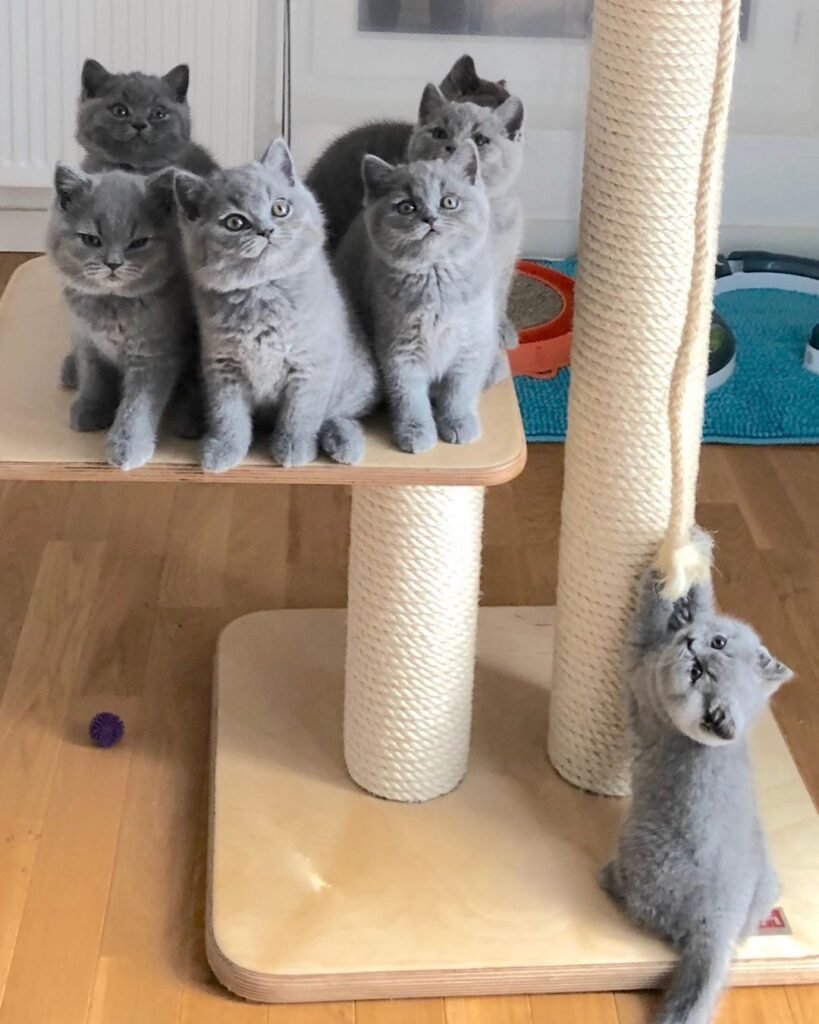
The British Shorthair is one of the most beloved cat breeds, known for its sturdy build, plush coat, and charming demeanor. With a rich history that dates back to ancient Rome, these cats have captured the hearts of pet owners around the world. Establishing a British Shorthair cattery not only requires a deep understanding of the breed’s unique characteristics and care needs but also a commitment to ethical breeding practices. This article will explore the essential aspects of creating and managing a successful British Shorthair cattery, from their origins and traits to practical advice on health care, breeding ethics, and effective cattery management. Whether you’re a seasoned breeder or a newcomer to the feline world, this guide will provide valuable insights to help you navigate the journey of caring for these delightful cats.
Overview of British Shorthair Cats
Physical Characteristics
British Shorthairs are the stocky bodybuilders of the cat world—think more ‘powerlifter’ than ‘marathon runner’. They boast a broad, round head, chubby cheeks that would make any toddler envious, and big, round eyes that might just melt your heart. Their short, plush coat feels like a teddy bear you’ve had since childhood, and they come equipped with a dense bone structure giving them a sturdy appearance. It’s almost as if they were designed to be the perfect loaf!
Common Color Variations
When it comes to colors, British Shorthairs could easily be the fashion icons of the feline realm. Their classic blue (which is really a gray) is the most popular choice, but don’t underestimate the charm of other colors. They also come in shades like cream, black, chocolate, lilac, and even tabby variations. Some might sport a dapper tuxedo, while others flaunt a strikingly beautiful colorpoint pattern. It’s a veritable rainbow of adorable, and each cat is unique—like fluffy little snowflakes!
Temperament and Behavior
If you’re looking for a cat that’s the perfect combination of playful and chill, you’ve found your feline soulmate. British Shorthairs are famously easygoing and affectionate but not the kind of cat that will follow you around like a puppy. They enjoy companionship but also appreciate their alone time—ideal for when you need a Netflix binge buddy. They’re generally good with kids and other pets, making them the Switzerland of the cat world—neutral, friendly, and never one to cause drama.
History and Origins of the Breed
Early Beginnings in Britain
British Shorthairs can trace their ancestry back to Roman times when they were brought to Britain to control rodent populations—essentially, furry little exterminators. They quickly became beloved companions to the locals, praised for their hunting skills and charming demeanor. With time, these cats evolved, and the British Shorthair we know and love today emerged from the gene pool, proving once and for all that good things come to those who wait (and breed selectively).
Development and Recognition by Cat Fanciers
By the late 19th century, cat fanciers began to take notice of these marvelous beings. The first cat show in 1871 at Crystal Palace showcased British Shorthairs, giving the breed a prestigious debut. Since then, they’ve been the darlings of cat shows across the globe, earning accolades for their distinct features and unmatched charm. Recognition by various cat associations cemented their reputation as one of the top breeds, and let’s be honest, they’ve been stealing hearts ever since.
Impact of British Shorthairs in Popular Culture
British Shorthairs have clawed their way into the hearts of many and into pop culture. From the iconic Cheshire Cat in “Alice in Wonderland” to gracing Instagram feeds of influencers, they’ve become symbols of luxury and comfort. Their adorable appearance has led to numerous plush toys and merchandise, ensuring that even those allergic to cats can still enjoy their fuzzy essence. They’ve solidified their status as not just pets but icons—turning heads and hearts wherever they go.
Characteristics and Personality Traits
Typical Size and Build
British Shorthairs aren’t just cute; they’re also solidly built. Males typically weigh between 9-17 pounds, while females hover around 7-12 pounds. It’s an impressive heft that matches their big-hearted personalities. With broad shoulders and a muscular physique, they look like they could bench press their own body weight—if that were a thing for cats. Their sturdy structure is part of their charm, and they carry it with an air of confidence that is irresistible.
Social Behavior with Humans and Other Pets
These cats are like the cool kids at school—friendly but not overly needy. They enjoy human companionship but are perfectly fine entertaining themselves when you’re busy. They tend to get along well with children and other pets, making them the ultimate team player in a multi-pet household. Just be prepared for them to roll their eyes at your attempts to play fetch; they’re more likely to observe from a distance before deciding whether to join in or just nap like a true aristocrat.
Intelligence and Trainability
Let’s not beat around the bush: British Shorthairs are smart cookies. They can be trained to do simple tricks and even play games like fetch (though they might look at you like you’ve lost your marbles). Their intelligence means they can easily learn boundaries and routines, making them great companions. But don’t expect them to jump through hoops—unless it involves a treat. They’ll engage on their own terms, which keeps things interesting for both you and them.
Setting Up a Cattery for British Shorthairs
Choosing the Right Location
When it comes to cattery real estate, location matters! Look for a quiet space away from the hustle and bustle of daily life; no cat wants to be woken up by lawnmowers or barking dogs. Ideally, it should have easy access to sunlight (after all, they need their daily dose of vitamin D) and be close to essential services like veterinary clinics. Make sure there’s enough room for them to frolic and feel safe—because let’s face it, they deserve nothing less than a royal palace.
Essential Equipment and Supplies
You’ll need to channel your inner cat-loving entrepreneur—this is where the fun begins! Start with comfy beds, litter boxes (one per cat, plus one extra, because cats are divas), food and water bowls (preferably stainless steel for the bling factor), and scratching posts to save your furniture. Cat trees? Absolutely. Toys? Yes, please! Invest in quality supplies that can withstand a bit of mischief; these cats are durable and, let’s be honest, curious to a fault.
Creating a Comfortable Environment
Comfort is the name of the game. Aim for a cozy atmosphere where your British Shorthairs can relax and feel at home. Use soft bedding, provide plenty of hiding spots, and create spaces for climbing and exploration. Consider adding some cat-safe plants to liven things up (and hopefully distract them from scratching your favorite curtains). Most importantly, ensure it’s a clean and safe environment—your royal furballs won’t settle for anything less! A little TLC goes a long way in ensuring they love their cattery as much as you love them.
Health Considerations and Care Requirements
Common Health Issues
British Shorthairs are generally sturdy cats, but they do have a few health quirks worth noting. One of the most prevalent issues is hypertrophic cardiomyopathy (HCM), a heart condition that can sneak up on even the fluffiest of felines. Obesity is another concern, so keep those treat portions in check and make sure they’re getting enough playtime (because, let’s face it, they’re not going to chase after that feather toy on their own). Regular monitoring for dental disease is also essential—because no one wants a cat with bad breath, am I right?
Nutritional Needs and Diet
Feeding your British Shorthair a balanced diet is crucial for keeping them in tip-top shape. Since they have a propensity for weight gain, opt for high-protein, low-carb foods—no, that doesn’t mean you can share your pizza! Look for quality cat food with real meat as the first ingredient and aim to follow your vet’s recommendations for portion sizes. Don’t forget to keep the water bowl full; hydration is key to keeping your kitty (and their kidneys) happy!
Regular Veterinary Care and Vaccinations
Don’t let the whiskers fool you—regular vet visits are non-negotiable even for the most laid-back British Shorthair. Schedule yearly check-ups to catch any early signs of health issues and keep their vaccinations up to date (because nobody wants to have a battle of the germy germs). Think of it as preventative maintenance; after all, cats may not love the car ride, but it’s a lot better than a surprise visit for an emergency!
Breeding Practices and Ethical Considerations
Understanding Responsible Breeding
Breeding British Shorthairs isn’t just about having cute kittens; it’s about ensuring they’re healthy and well-adjusted little furballs. Responsible breeders prioritize the breed standard, focusing on temperament, health, and genetic diversity. Avoid any temptation to cut corners—like breeding just for looks or to meet unqualified demand. Remember, a kitty’s character is just as important as their chubby cheeks!
Genetic Testing and Health Screening
Before you start your cattery, genetic testing is your new best friend. It helps identify potential health issues that could pop up later, allowing you to make informed breeding decisions. Think of it as a preemptive strike against unfortunate surprises down the line. If you’re breeding, a solid breeding plan and health screening for both the dam and sire can save you a mountain of heartache (and vet bills) later on.
Finding Suitable Mates
Finding the right mates for your British Shorthairs may feel like setting up a feline Tinder date—only with way less swiping and more serious evaluations. Look for potential partners with similar health backgrounds and complementary traits. Also, consider their temperament; after all, you don’t want your kittens to inherit the sass of a diva or the chill vibes of a potato!
Choosing the Right British Shorthair Kittens
Evaluating Breeders
When it comes to finding a British Shorthair kitten, not all breeders are created equal. Look for someone who’s registered with a reputable cat fancy organization and has a solid reputation for ethical breeding practices. Ask about health screenings, visit their cattery if possible, and don’t hesitate to ask for references. If they seem cagey (pun intended), it might be a sign to keep searching.
Signs of a Healthy Kitten
So you’ve found a litter of adorable fluffballs, but how do you choose the healthiest one? Look for kittens that are active (but not bouncing off the walls), have clear eyes, and a shiny coat that seems to glow with health. Their tummies should feel firm—not bloated—and they should be playful. If they’re the scaredy-cat of the bunch, it might signal a problem; a little bravery is a good sign of a well-adjusted kitten!
Preparing for a New Kitten
Congratulations, you’re about to welcome a little ball of fur into your home! Before they arrive, set up a cozy space with scratching posts, toys, and a litter box (because they won’t know to hold it, believe me). Stock up on quality kitten food and ensure all hazards like loose cables and toxic plants are out of paw’s reach. A few hours of kitten-proofing is worth it to avoid an accidental feline demolition of your favorite plant.
Tips for Cattery Management and Success
Best Practices for Daily Care
Managing a cattery is a lot like running a miniature zoo—but with more naps and kitty cuddles! Establish a daily routine that involves feeding, litter box cleaning, and socialization time. Consistency is key; the more your cats know what to expect, the happier and healthier they’ll be. And don’t forget to schedule playtime—because a bored cat is a troublemaker, and nobody wants to come home to a mini feline tornado.
Building a Community and Networking
Creating a strong network of fellow breeders and enthusiasts can be incredibly rewarding. Engage with online forums, attend cat shows, and join local cat clubs. Sharing tips, experiences, and even the occasional kitten memes can lead to valuable friendships. Plus, knowing other breeders means access to potential mates and valuable insights on best practices!
Marketing Your Cattery
In the world of catteries, standing out is essential! Use social media to showcase your cuddly cuties and share their antics with the world. High-quality photos, engaging videos, and regular updates on the kittens’ progress can attract potential buyers. Remember, a little personality goes a long way—don’t be afraid to let your cats steal the spotlight (it’s what they do best anyway).In conclusion, establishing a British Shorthair cattery can be a rewarding endeavor that allows you to share the joy of this remarkable breed with others. By understanding their unique characteristics, adhering to ethical breeding practices, and providing proper care, you can create a thriving environment for both your cats and potential owners. As you embark on this journey, remember that the health and happiness of your British Shorthairs should always remain a top priority, ensuring a positive experience for everyone involved.
FAQs
What are the common health issues associated with British Shorthair cats?
British Shorthairs are prone to certain health issues, including hypertrophic cardiomyopathy (HCM), obesity, and dental problems. Regular veterinary check-ups and monitoring their diet can help mitigate these risks.
How often should I groom my British Shorthair?
British Shorthairs have a dense, plush coat that requires regular grooming. It is recommended to brush them at least once a week to prevent matting and reduce shedding.
What should I consider when choosing a British Shorthair breeder?
When selecting a breeder, look for one who is reputable and ethical. Check for health testing, positive reviews from previous buyers, and a commitment to the welfare of their cats. Visiting the cattery and meeting the kittens’ parents can also provide valuable insights.
How can I ensure my British Shorthair kitten is well-socialized?
Socialization starts early; expose your kitten to various environments, people, and other pets. Positive experiences during their formative weeks will help them grow into well-adjusted adults. Engaging play and gentle handling will also contribute to their social development.