
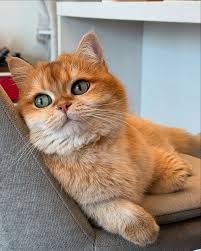
The British Shorthair is a beloved breed known for its distinctive round face, dense coat, and sturdy build. Among its various color variations, the orange British Shorthair stands out with its vibrant and striking appearance. These kittens not only capture hearts with their charming looks but also with their gentle and affectionate nature. As potential pet owners consider adding an orange British Shorthair kitten to their family, it is essential to understand the breed’s unique characteristics, care requirements, and the joys of owning such a delightful companion. This article delves into the key aspects of these enchanting kittens, providing insights that will help prospective owners make informed decisions.
Overview of British Shorthair Kittens
History and Origin
British Shorthairs have a pedigree that dates back to ancient Rome when they were used for pest control. Fast-forward a few centuries, and they emerged as fancy show cats in the UK during the late 19th century. Think of them as the original British cat stars—before cat videos went viral, they were already stealing hearts with their round faces and plush coats. As a breed, they’ve weathered wars and trends, standing the test of time as one of the UK’s most beloved feline companions.
Physical Features
These adorable fluff balls are known for their robust build and charming “teddy bear” appearance. A typical British Shorthair boasts a round face, stocky body, and thick, muscular limbs that could probably handle a gym membership or two. Their cheeks are delightfully chubby, and they often sport big, expressive eyes that come in shades of copper, gold, or blue—like tiny, mesmerizing gems peering out from their plush fur. And speaking of fur, the orange British Shorthair has a dense coat that’s incredibly soft to the touch, perfect for those cozy snuggles.
Characteristics of the Orange British Shorthair
Color Genetics
The vibrant orange hue of these kittens is more than just a pretty coat; it’s a gene party! This eye-catching color arises from the “orange” gene, which is a result of a lack of the pigment known as eumelanin. Essentially, the orange British Shorthairs are flaunting a fur hue that makes them stand out like a sunny rock star at a dull concert. They can also pass down this genetic gift, so you might be in for a whole litter of little orange cuties if you’re lucky!
Distinctive Coat Patterns
While the classic orange British Shorthair is a solid, vibrant shade, these kittens can also sport a range of other patterns—think tabby stripes or spots, all in delightful ginger glory! The beauty of the orange coat can vary from deep, rich tones to lighter shades, giving them the aesthetic appeal of a fashionable autumn leaf. The patterns only add to their charm, making them look equally at home on a cozy couch or an Instagram feed.
Temperament and Behavior
General Personality Traits
British Shorthairs, including their orange variety, are known for their laid-back and easygoing nature. They’re the cool cats of the feline world—often independent but friendly. These kittens are perfectly capable of entertaining themselves, yet they’re also happy to curl up with you for a binge-watching session. Their playful antics can bring a smile to anyone’s face, making them the ultimate companions for both cozy nights in and lively playtimes.
Socialization with Other Pets
When it comes to socializing, orange British Shorthairs tend to be pretty chill. They’re usually amiable with other pets, and they can coexist with dogs and other cats as long as introductions are done right. Think of them as the diplomatic cats of the household, often taking the role of “erudite mediator” in any feline squabble. Just be sure to provide plenty of space and time for your orange buddy to adjust to new furry family members!
Care and Maintenance Requirements
Feeding Guidelines
To keep your orange British Shorthair feeling as fabulous as they look, a well-balanced diet is essential. High-quality cat food, rich in protein, is a must! They have a knack for maintaining a healthy weight, but an occasional indulging in treats might tempt them, so moderation is key. Consult your vet for specific dietary needs based on their age, activity level, and any unique health concerns. After all, we all want our kittens to be as fit as a fiddle (or at least as fit as a plush ball of fur can be).
Grooming Needs
Although orange British Shorthairs have a thick coat, they’re usually low-maintenance when it comes to grooming. A weekly brush should do the trick to keep their fur smooth and shiny while reducing shedding. Their chubby cheeks may benefit from the occasional wipe-down to keep them looking spick and span. Regular nail trims and dental care will also help keep your feline friend in tip-top shape—bonus points if you can convince them it’s a game!
Environmental Needs
These kittens thrive in a loving home environment where they can lounge and play to their heart’s content. They appreciate cozy spots to nap and climbing structures to explore (or supervise from a safe height). Whether you live in a spacious home or a cozy apartment, as long as they have a stimulating environment and enough love to go around, your orange British Shorthair will flourish like the star they are. Just remember, they are not a fan of extreme weather—too hot or too cold can put a damper on their laid-back lifestyle!
Health Considerations
Common Health Issues
British Shorthair kittens, including the fiery orange ones, can face a few health hiccups as they grow. Some common issues include obesity (yes, even kittens can get a bit pudgy!), heart problems like hypertrophic cardiomyopathy, and dental diseases. Keeping an eye on their diet and ensuring regular exercise will go a long way in preventing these conditions. Always monitor those adorable, round faces for any signs of trouble—like lack of energy or unusual behavior.
Regular Veterinary Care
To maintain the purr-fect health of your orange British Shorthair, regular vet check-ups are essential. Schedule vaccinations, parasite control, and routine health assessments. It’s also wise to discuss spaying or neutering, as this can prevent many health issues and unwanted behaviors. Remember, a happy, healthy kitten is a mischievous one, so don’t skip those appointments!
Training Tips for Owners
Basic Commands and Tricks
Training your British Shorthair kitten can be a delightful experience, especially when you’re met with those big, curious eyes. Start with basic commands like “sit” and “come,” using treats as bait. Keep training sessions short and fun—otherwise, you might end up with a little orange devil on your hands instead of a well-behaved angel! And don’t be afraid to throw in some silly tricks for good measure—who wouldn’t want a kitten that can high-five?
Litter Box Training
Litter box training is a breeze with British Shorthairs, as they’re naturally clean creatures. Start by placing the box in a quiet, accessible location. Use a fine-grained litter that they can dig into easily, and show them where it is by gently placing them inside after meals. Be patient; accidents can happen! Just remember to praise your little furball when they use the box correctly—positive reinforcement is your best friend here.
Finding a Reputable Breeder
Questions to Ask Potential Breeders
When hunting for your perfect orange British Shorthair, it’s crucial to find a breeder who knows their stuff. Ask them about health testing and the genetic history of the kittens. Inquire about their rearing practices and socialization efforts—kittens that grow up in a loving environment tend to be the most well-adjusted. Don’t forget to ask about any potential health guarantees!
Red Flags to Watch For
While on the quest for your new furry friend, keep an eye out for red flags. If a breeder is unwilling to show you the kitten’s parents or dodge questions about health testing, it’s time to walk away. Purse your lips at those who have a “no returns” policy or seem more interested in your wallet than the kittens. A responsible breeder will want to ensure a good match and provide a loving environment for their adorable pets.
Conclusion: Why Choose an Orange British Shorthair Kitten
Unique Appeal and Companionship
Choosing an orange British Shorthair kitten is like adding a splash of sunshine to your life. Their playful antics and charming personalities make for delightful companions. Plus, that thick, plush coat is just begging for snuggles! You’ll find that their unique appearance and affectionate nature set them apart from the crowd of other feline friends.
Long-Term Commitment and Joy
Keep in mind, adopting a kitten is no mere fling; it’s a long-term commitment that can bring years of joy. With their laid-back attitude and loyal nature, an orange British Shorthair will fill your home with laughter, warmth, and the occasional mischievous adventure. So, grab your fuzzy buddy and get ready for a lifetime of cuddles and companionship! In conclusion, the orange British Shorthair kitten is a wonderful addition to any home, offering a perfect blend of charm, playfulness, and companionship. By understanding their unique traits and care needs, potential owners can ensure a happy and healthy life for their furry friend.
Frequently Asked Questions
What is the average lifespan of a British Shorthair kitten?
The average lifespan of a British Shorthair is typically around 12 to 20 years, depending on their health, diet, and living conditions.
Are orange British Shorthairs more prone to specific health issues?
While all British Shorthairs can face certain genetic health issues, the orange color itself does not significantly increase the risk of specific conditions. However, regular veterinary check-ups are essential for early detection.
How do I socialize my orange British Shorthair kitten?
Socializing your kitten can be achieved through gentle exposure to various environments, people, and pets. Start early, use positive reinforcement, and create a safe space for them to explore.
What is the best diet for a British Shorthair kitten?
A balanced diet rich in high-quality protein, vitamins, and minerals is crucial for a British Shorthair kitten’s growth. Consulting a veterinarian for specific dietary recommendations is always a good idea.