
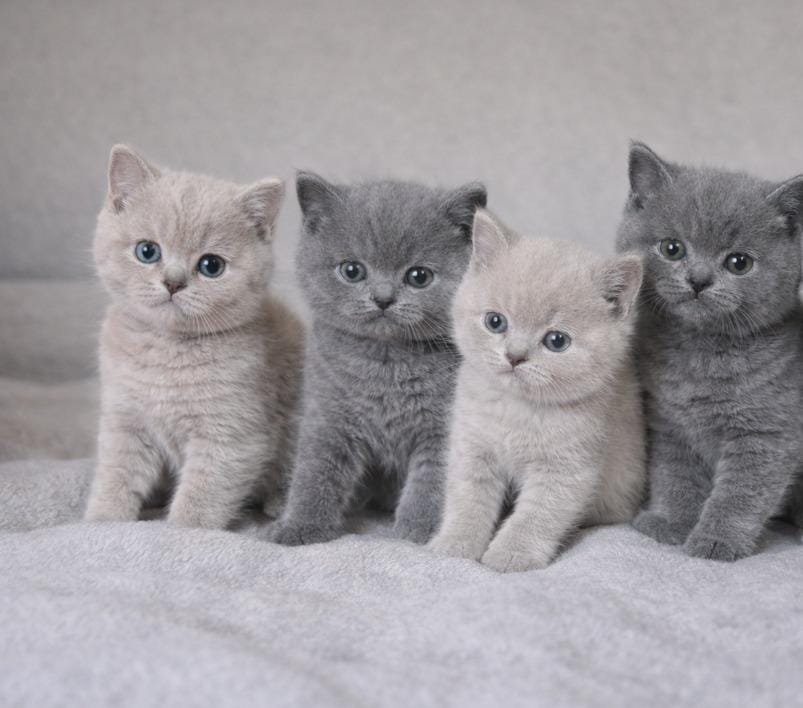
British Shorthair kittens are beloved for their charming personalities and distinctive appearance, making them one of the most sought-after breeds in the UK. Known for their robust build, plush coat, and round faces, these kittens bring joy and companionship to many households. However, before bringing a British Shorthair into your home, it’s essential to understand the unique needs and characteristics of this breed. From selecting a reputable breeder to preparing your living space and ensuring proper care, this guide will provide you with valuable insights to help you make an informed decision and ensure a happy transition for both you and your new furry friend.
Overview of British Shorthair Kittens
History and Origin of the Breed
The British Shorthair breed has roots as deep as your grandmother’s old photo albums. Originating in the British Isles, these cuddly companions can trace their lineage back to ancient Rome, where they were prized for their mouse-hunting skills. They gained popularity in the 19th century and were recognized as an official breed by the GCCF (Governing Council of the Cat Fancy) in 1871. With their plush coats and round faces, they were practically begging to be Instagram-famous long before social media existed.
Popularity and Demand in the UK
These kittens are like the cool kids in high school – everyone wants to be their friend! The British Shorthair is one of the most popular breeds in the UK, and it’s easy to see why. Their easygoing nature, striking appearance, and playful demeanor make them quite the catch for cat lovers. Demand continues to soar, with prospective owners often finding themselves on waiting lists that rival those for the latest iPhone release.
Key Characteristics of the Breed
Physical Appearance and Size
Picture a plush teddy bear that’s also incredibly graceful – that’s the British Shorthair for you. They are robust and muscular, boasting a broad chest and strong bones. Males typically weigh between 12-18 pounds, while females are slightly lighter at 8-12 pounds. With their signature round faces, chubby cheeks, and dense coats, these kittens possess a charming allure that’s hard to resist. And let’s not forget the color variety; they can come in any hue under the sun, although the classic blue-gray is the breed’s poster child.
Temperament and Personality Traits
If you’re looking for a feline that enjoys your company without being overly clingy, the British Shorthair might just be your soulmate. They have a calm and laid-back demeanor, making them fantastic companions for families and singles alike. Known for their playful yet independent spirit, they’ll happily chase after toys one moment and lounge in a sunny spot the next. Plus, they’re generally good with kids and other pets, making them the ultimate social butterflies of the cat world.
Health Considerations and Common Issues
Genetic Disorders and Health Risks
While British Shorthairs are generally a hearty bunch, they aren’t immune to health issues. One of the most notable concerns is hypertrophic cardiomyopathy (HCM), a genetic condition that affects the heart. Other potential issues may include hip dysplasia and obesity, as these little furballs can be prone to packing on the pounds if their diet isn’t managed. Regular check-ups with a vet can make a world of difference in catching any problems before they blossom into serious issues.
Regular Veterinary Care and Vaccinations
Just like humans, these cuddly companions need their regular ‘health spa’ days – aka vet visits. Keeping up with vaccinations, flea control, and routine health checks is crucial for ensuring your kitten grows into a healthy adult cat. Don’t forget about dental care; it’s as vital for your kitten as it is for you. A little brushing here and there can prevent dental drama later on, keeping those whiskered smiles looking their best.
Choosing a Reputable Breeder
Red Flags to Watch Out For
Finding a reputable breeder is like finding a unicorn—rare but totally worth the hunt. Be wary of those promising cats at prices that are too good to be true. A health guarantee should be standard, and if you find a breeder who skips vet checks or has questionable living conditions for their kittens, it’s time to take a hard pass. Look for breeders who prioritize the well-being of their cats and are genuinely passionate about the breed, not just those swimming in kitty profits.
Questions to Ask Potential Breeders
When you finally meet a breeder, channel your inner journalist! Ask about the kittens’ health history, socialization practices, and any genetic testing they conduct. Inquire about the parents’ temperaments, as this can give you insight into how your future feline friend might behave. Don’t forget to ask how long they’ve been breeding—as a rule of thumb, the longer, the better! Ultimately, a good breeder will be more than happy to share their knowledge and show off their precious kittens.
Preparing Your Home for a British Shorthair Kitten
Safe Spaces and Environment Setup
Before your fluffy companion arrives, ensure your home is kitten-proofed like a celebrity mansion. This means securing electrical cords, hiding away toxic plants, and tidying up stray bits of string that might seem like irresistible toys to them. Create cozy, secure spaces where your British Shorthair can retreat when it needs some “me-time”. A comfy bed or a cardboard box (because, let’s be honest, they love those!) in a quiet corner can work wonders for their peace of mind.
Introducing the Kitten to Your Home
When your kitten arrives, it’s a bit like bringing home a tiny, purring ball of fluff with a personality. Let them explore at their own pace – rushing them into the deep end might lead to more hiding than playing. Start by keeping them in one room with their essentials (litter box, food, water, and a couple of toys) and gradually let them wander out into the rest of the house. And remember, patience is key. You’re not adopting a cat; you’re gaining a new housemate with plenty of opinions on where the best sunspots are.
Essential Supplies and Equipment
Must-Have Items for New Owners
First things first, stock up on the essentials. You’ll need a litter tray (preferably one your kitten can hop into easily), a scratching post (to save your furniture from becoming a catnip-scented scratch pad), food and water bowls (bonus points for being cute), and, of course, toys to keep their inner wild beast entertained. Don’t forget a carrier for future trips to the vet – it’s basically a stylish taxi for your furball.
Grooming Tools and Accessories
British Shorthairs have that plush coat that begs to be touched, but they still require some grooming love. A good quality brushing tool will help keep their coat healthy and shiny, while a nail clipper will prevent you from inadvertently becoming a scratch victim. And hey, consider investing in a cat toothbrush – yes, they exist! It may sound silly, but keeping those tiny teeth clean can save you a lot of vet bills down the line.
Nutrition and Care Requirements
Feeding Guidelines and Diet Options
Feed your British Shorthair a balanced diet that’s more gourmet than cafeteria food. High-quality kitten food is essential for proper growth (think protein-packed goodness). Look for options that include meat as the first ingredient and avoid fillers like corn or soy. And while it might be tempting to spoil them with treats, moderation is key, unless you want a cuddly chubster. Consult your vet for portion sizes – it’s their job to rain on your treat parade if needed.
Exercise and Play Needs
Don’t let your British Shorthair’s calm demeanor fool you; they need their daily dose of exercise to stay fit and fabulous. Interactive toys, feather wands, and laser pointers can turn your living room into a mini sports arena. A few play sessions a day not only keeps them active but also strengthens the bond between you two. And while they may enjoy their beauty sleep, a good play session will ensure they wake up as the purring machine you fell in love with.
Understanding the Cost of Ownership
Initial Purchase Price and Adoption Fees
Before you dive into the wonderful world of British Shorthair ownership, let’s talk money. The initial purchase price can range significantly based on pedigree, breeder reputation, and location (you might want to sit down for this). Expect to pay anywhere from £800 to £2,000, depending on various factors. If you’re considering adoption, fees can be much lower (usually around £100-£200), plus you’ll be giving a kitten a loving home, which is a win-win in our books!
Ongoing Expenses and Budgeting Tips
Once you’ve splurged on your new fur baby, the expenses keep coming. Monthly costs include food, litter, routine vet visits, vaccinations, and insurance. A good rule of thumb is to budget around £50-£100 a month for standard care. And don’t forget the occasional splurge on toys and catnip! Setting up a savings account for those unexpected vet bills will save your sanity and your wallet when the time comes. Remember, a happy kitty means a happy life – and possibly a few less scratches on your favorite couch.In conclusion, bringing a British Shorthair kitten into your home can be a rewarding experience filled with love and companionship. By understanding the breed’s unique characteristics, health needs, and care requirements, you can ensure a happy and healthy life for your new pet. Whether you’re preparing your home, choosing the right supplies, or selecting a reputable breeder, taking the time to educate yourself will help you create a nurturing environment for your British Shorthair kitten. With the right preparation and commitment, you’ll be well on your way to enjoying the many joys this wonderful breed has to offer.
Frequently Asked Questions
1. How much do British Shorthair kittens typically cost in the UK?
The price of British Shorthair kittens can vary significantly based on factors such as the breeder’s reputation, the kitten’s lineage, and geographical location. On average, you can expect to pay anywhere from £800 to £2,000.
2. What are the common health issues associated with British Shorthairs?
British Shorthairs are generally healthy, but they can be prone to certain genetic conditions, such as hypertrophic cardiomyopathy (HCM) and obesity. Regular veterinary check-ups can help monitor and manage these risks.
3. How much exercise do British Shorthair kittens need?
British Shorthairs are playful and enjoy interactive playtime. While they don’t require excessive exercise, daily play sessions of 15 to 30 minutes are beneficial for their physical and mental well-being.
4. Are British Shorthair kittens good for families with children or other pets?
Yes, British Shorthairs are known for their gentle and easygoing nature, making them suitable for families with children and other pets. They tend to be sociable and can adapt well to various household dynamics.