
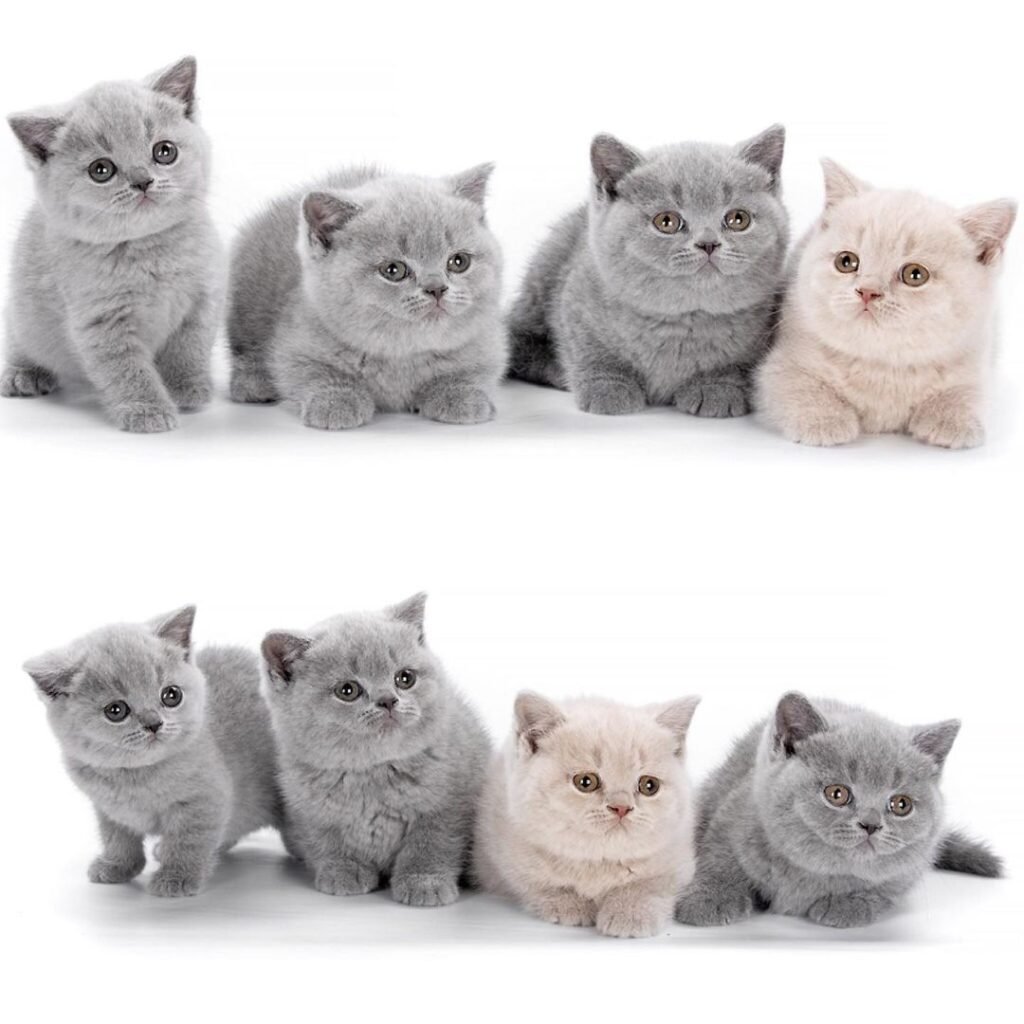
Bringing a British Shorthair kitten into your home can be an exciting and rewarding experience, especially in a vibrant city like Singapore. Known for their charming appearance and affectionate nature, these kittens require specific care to thrive in their new environment. From understanding their unique personality traits to providing a safe and stimulating living space, proper care is essential for ensuring your British Shorthair grows into a healthy and happy adult cat. This article will guide you through the essential aspects of caring for your British Shorthair kitten, helping you create the best possible home for your new furry friend.
Understanding the British Shorthair Breed
Physical Characteristics
The British Shorthair is the feline equivalent of a teddy bear—plump, round, and oh-so-cuddly! They typically sport a dense, plush coat that can come in a variety of colors, though the iconic “British Blue” color is the most recognized. Their broad, rounded heads are complemented by chubby cheeks and large, expressive eyes that can make any heart melt. On average, these cats are sturdy and muscular, looking like they’ve just come from a gym session, even though they might prefer lounging on your couch.
Temperament and Personality Traits
British Shorthairs have personalities as charming as their appearance. They’re often described as easygoing, affectionate, and a tad aloof—like that cool friend who still wants to hang out but also enjoys their personal space. They tend to be good with kids and other pets, making them excellent companions. Expect a playful kitten who can also turn into a snuggly couch potato when the mood strikes. Just remember, they may show their independent side, so don’t take it personally if they want to curl up alone sometimes.
Common Health Issues
Like any breed, British Shorthairs are prone to certain health issues. One of the most common is hypertrophic cardiomyopathy (HCM), a fancy term for heart disease that can affect the muscle of the heart. Be on the lookout for symptoms like lethargy or difficulty breathing. Additionally, they can face dental issues and obesity if not kept in check—after all, they are masters at looking innocent while stealing treats! Regular vet check-ups and a healthy diet can keep these concerns at bay.
Preparing Your Home for a New Kitten
Kitten-Proofing Your Space
Kittens are like tiny tornadoes with paws; they’ll explore every nook and cranny in your home! Start by securing loose wires, removing toxic houseplants, and putting cleaning products high up. It’s also a good idea to block off any small spaces where a curious kitten might try to squeeze through and get into trouble. Parenting tip: think like a kitten—if it looks like fun, they’ll probably want to play with it!
Essential Supplies You’ll Need
Before your new fluffball arrives, stock up on the essentials. You’ll need a litter box (with kitten-friendly litter), food and water dishes, a scratching post, comfortable bedding, and some engaging toys. Don’t forget a good quality kitten food—preferably one that is high in protein and formulated for growth. Think of it as stocking a mini-cat grocery store—only it’s for your tiny, furry overlord.
Creating a Comfortable Living Area
Designate a cozy corner of your home as your kitten’s safe haven, complete with all the necessary supplies. This area should be quiet and away from high foot traffic; think of it as your kitten’s luxurious penthouse suite. Add soft bedding, a few toys, and maybe even a sunny spot for those classic “cat naps.” Ensuring they have a safe space will do wonders for their confidence as they adjust to their new kingdom—your home!
Essential Nutrition and Feeding Guidelines
Choosing the Right Food
Selecting food for your British Shorthair kitten can feel like navigating a grocery store with a blindfold on—overwhelming! Look for high-quality kitten food that lists meat as the first ingredient. Kittens need protein for growth, but don’t be fooled into thinking all kitten food is equal; check for the right balance of fats, carbs, and essential nutrients. Consult your vet for recommendations tailored to your kitten’s needs, especially to accommodate the Singapore heat (they love their food, but not too much!).
Feeding Schedule for Kittens
Kittens thrive on routine—think of it as their mini version of a meal prep schedule. Aim to feed your British Shorthair kitten small meals about three to four times a day. As they grow, you can start transitioning to two meals per day. This keeps their tiny tummies happy and helps prevent overeating. Just remember, their idea of a snack might be different from yours, so measure portions wisely!
Monitoring Weight and Health
Keeping an eye on your kitten’s weight is crucial for their health and well-being. Regularly check in with your vet to ensure they’re growing at a healthy rate. If your kitten seems to be gaining a bit too much weight (or is looking more like a furry beach ball), it’s time to reassess their diet and exercise habits. Active playtime is essential—this isn’t just for your entertainment; it’s also important for keeping your kitten trim and fit!
Regular Health Check-ups and Veterinary Care
Vaccination Schedule
Your British Shorthair kitten will need a series of vaccinations to protect them from nasty germs and illnesses. The typical schedule includes vaccines for feline panleukopenia, calicivirus, and rhinotracheitis, usually starting around six to eight weeks. Consult your veterinarian for an appropriate timeline tailored to your kitten’s needs, and remember—those tiny shots are necessary, but they don’t come with a lollipop prize!
Parasite Prevention
No one wants to be haunted by unwelcome guests, especially not furry ones! Regular parasite prevention is crucial for your kitten. This includes regular deworming and flea treatments, as these pesky critters can turn a happy home into a scratchy nightmare. Ask your vet for the best prevention methods that suit your kitten’s lifestyle, especially considering Singapore’s tropical climate—after all, nobody likes sharing their space with unwanted roommates!
Signs of Illness to Watch For
Being a vigilant kitten parent means knowing what to look out for when it comes to your kitten’s health. Keep an eye out for changes in appetite, lethargy, abnormal litter box habits, or unusual vocalizations. If your kitten suddenly decides that they don’t want to play anymore or start hiding more than usual, it may be time to have a chat with the vet. Remember, the sooner you catch something, the better—and your kitten will thank you for it in snuggles!
Socialization and Training Tips
Introducing Your Kitten to Family and Pets
When welcoming a British Shorthair kitten into your home, think of it as hosting a little royal. Start by allowing them to explore their new kingdom at their own pace. Introduce family members one by one, using calm voices and gentle movements. If you have other pets, try a gradual introduction: let them sniff each other’s scents before meeting face-to-face. Remember, patience is key; your kitten may take their sweet time to feel comfortable in their new court!
Basic Commands and Training Techniques
Believe it or not, you can train your British Shorthair—even if they act like they own the place (which they probably do!). Start with simple commands like “come” or “sit,” using treats as motivation. Incorporate clicker training for a fun twist! Always keep sessions short (we’re not training a dog here, after all) and end on a positive note. And remember, consistency is crucial—unless you’re rewarding them with treats, in which case, all bets are off!
Encouraging Positive Behaviors
Want your fluffy companion to be a model citizen? Reinforce good behavior with treats, praise, and those adorable ear scratches they crave. If they’re scratching the couch instead of their scratch post, gently redirect them, and reward them when they use the post. With a little time and positive reinforcement, you’ll turn your mischievous kitten into a well-behaved furball.
Creating a Safe and Stimulating Environment
Choosing Safe Toys and Play Areas
Your kitten is a curious little explorer, so make sure their play area is kitten-proof! Opt for safe, non-toxic toys without small parts that they could swallow. Think plush mice, feather wands, and crinkle balls—anything that piques their interest. Designate a play area that’s free from hazards, like electrical cords and houseplants that could bring on the kitty- bellyache.
Importance of Scratching Posts and Climbing Structures
For a British Shorthair, climbing isn’t just fun—it’s essential! Investing in a sturdy scratching post and a few climbing structures helps satisfy their natural instincts. This keeps them entertained and helps save your furniture from becoming an accidental scratching post. Plus, it provides a great vantage point for them to oversee their domain (because every king and queen needs a high throne).
Balancing Playtime and Rest
Kittens are like a perpetual motion machine—always on the go (unless they’re sleeping, of course). Be sure to schedule regular play sessions to tire them out, but don’t forget to let them catch those Z’s. British Shorthairs can snooze like champions, so create cozy napping spots around the house. A balance of energetic playtime and peaceful rest will keep your little guy healthy and happy.
Grooming and Coat Care
Brushing Your British Shorthair
Brushing your British Shorthair isn’t just for looks; it’s a bonding activity! With their dense coats, these cats require regular brushing—aim for at least once a week. Use a soft-bristled brush to remove loose fur and prevent hairballs (eww). Your kitten will appreciate the pampering, and you’ll end up with fewer fur bunnies rolling around your home.
Bathing Guidelines
Unlike some fancy breeds, British Shorthairs generally don’t need frequent baths. In fact, they might think you’re trying to ruin their day! However, if your kitten gets into something particularly sticky (or stinky), give them a gentle bath with kitten shampoo. Make the experience positive with treats and a warm, calm setting—think spa day, not torture session!
Ear and Dental Care
Just like people, your kitten will need some ear and dental TLC. Check their ears regularly for dirt or wax buildup, and gently clean them with a damp cloth if needed. For dental care, introduce brushing early. Use a small toothbrush and toothpaste designed for cats. Keeping their pearly whites clean will help prevent those dreaded vet visits in the future. Happy mouth, happy kitty!
Managing Kitten Behavior and Enrichment Activities
Understanding Normal Kitten Behavior
Kittens are quirky little beings! It’s normal for them to wrestle, pounce, and explore their environment with curious abandon. They may dart around the house like they’re in a race for the Olympic gold—don’t worry, it’s just their inner hunter coming out. Understanding their behavior helps you provide the right outlets for their energy and playfulness.
Interactive Play Ideas
Engage your kitten with fun play sessions using interactive toys! Laser pointers, feather toys, and string wands can keep them entertained for hours. Try rotating the toys to keep things fresh and exciting. The goal is to mimic their natural hunting instincts, so get ready to be the best playmate ever—after all, it’s their world, and you’re just living in it!
Using Puzzle Toys for Mental Stimulation
Puzzle toys are a fantastic way to give your British Shorthair’s brain a workout—think of it as cat CrossFit! These toys challenge your kitten to figure out how to access treats or toys hidden inside. They’re excellent for keeping boredom at bay and can help curb mischievous behaviors by channeling their energy into something productive. So, let the puzzles roll and watch your little genius thrive! Caring for your British Shorthair kitten in Singapore can be a fulfilling journey filled with joy and companionship. By understanding their specific needs and creating a nurturing environment, you can ensure your kitten grows into a well-adjusted adult cat. Remember to invest time in their health, socialization, and play to strengthen your bond. With the right care, your British Shorthair will not only thrive but also bring endless love and happiness into your home.
Frequently Asked Questions
How often should I take my British Shorthair kitten to the vet?
It is recommended to take your British Shorthair kitten to the vet for a check-up and vaccinations every 3 to 4 weeks until they are about 16 weeks old. After that, annual check-ups are advisable.
What type of food is best for my British Shorthair kitten?
A high-quality kitten food that is rich in protein and specifically formulated for growth is ideal. Look for brands that list meat as the first ingredient and avoid fillers like corn and soy.
How can I help my British Shorthair kitten adjust to a new home?
Allow your kitten to explore their new environment at their own pace. Provide a safe space with familiar items, and gradually introduce them to different areas of your home. Spend time playing and bonding to help them feel secure.
Are British Shorthairs good with children and other pets?
Yes, British Shorthairs are generally known for their calm and friendly demeanor, making them good companions for children and other pets. However, early socialization is key to ensuring they adapt well to different family dynamics.