
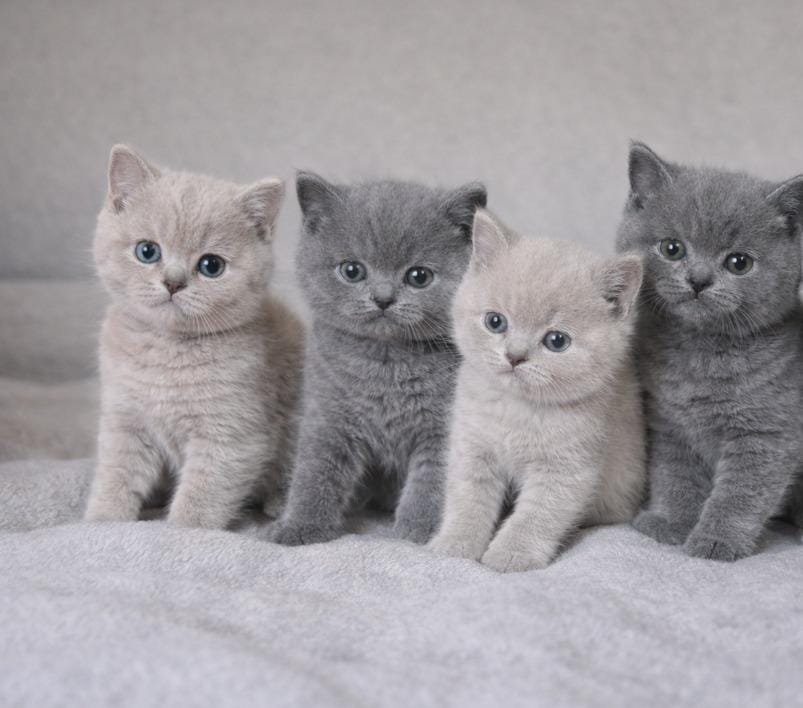
Bringing a British Shorthair kitten into your home can be an exciting and rewarding experience, especially for cat lovers in Singapore. Known for their charming personalities, distinctive round faces, and plush coats, British Shorthairs have become one of the most sought-after breeds. However, purchasing a kitten requires careful consideration and planning to ensure you find a healthy, well-socialized feline companion. In this guide, we will explore essential tips for buying a British Shorthair kitten in Singapore, from understanding the breed to selecting a reputable breeder and preparing your home for your new furry friend.
Understanding the British Shorthair Breed
History and Origin
The British Shorthair is like the James Bond of the cat world—classy, rugged, and a bit mysterious. Originally bred in the UK for mouse control, these felines have a storied past that dates back to the Roman invasion. They were popularized in the 19th century and became the poster cats for the British Cat Fancy. With their sturdy build and plush coats, they’ve purred their way into the hearts of many!
Physical Characteristics
British Shorthairs are the fluffiest of charmers, boasting round faces, stocky bodies, and dense fur that feels like a pillow in your lap—who wouldn’t want that? Their copper or gold eyes are typically super expressive, and they come in various colors, though the classic blue is a fan favorite. Plus, their broad, muscular frame makes them look like they’ve just bench-pressed a catnip mouse.
Personality Traits
If you’re looking for a kitty with a personality as big as their round cheeks, you’ve found your match! British Shorthairs are known for being calm, easy-going, and a tad aloof—think the cool kid in school who’s a little too cool to care. They enjoy companionship but aren’t clingy, making them the perfect furry roommate. Despite their dignified demeanor, they have a playful side that will keep you entertained!
Researching Reputable Breeders in Singapore
Identifying Red Flags
When hunting for a British Shorthair, beware of the ‘too good to be true’ deals, like a $100 kitten selling for $10. Red flags include breeders who won’t let you visit, refuse to show health records, or have more cats than they can count. A good breeder will provide a clean environment, happy cats, and a wealth of knowledge. If they look more like a cat mill than a cat palace, it’s time to walk away!
Questions to Ask Breeders
Don your detective hat and get ready to ask some pressing questions! You’ll want to know about the kitten’s health history, socialization practices, and whether the parents are tested for genetic diseases. Don’t be shy—ask how they raise their kittens and what kind of temperament you can expect. A passionate breeder will be eager to chat, while a dodgy one might start to resemble a cat-shaped ghost.
Checking References and Reviews
Like Yelp for cats, checking references and reviews is crucial before you make the leap. Look for testimonials from other buyers and ask the breeder for references. If they can’t point you to satisfied kitten parents, or if their online reviews are all “1 star,” it might be time to adjust your filter settings. Your perfect kitten should come from a place where others rave about their amazing experience!
Evaluating the Health and Temperament of Kittens
Signs of a Healthy Kitten
A healthy British Shorthair should look like a little ball of joy! Look for bright eyes, a clean coat, and a playful demeanor. Watch out for sneezing, coughing, or lethargy—yikes! These signs are not ideal for your new furball. A good breeder will have health checks in place and will provide documentation to back it up, so always ask for the kitty’s health records.
Temperament Assessment Tips
Before you bring your new buddy home, take a moment to assess their temperament. Gentle handling is key—do they purr when you pet them or bat your hand like a furry ninja? Look for signs of affection, like nuzzling or head-butting. If a kitten is aloof, don’t force interaction; it’s not a bad sign, just a personality trait. The goal is to find a match that fits your lifestyle as much as they fit in your lap!
Importance of Early Socialization
Kittens are like sponges, soaking up life lessons and experiences—so the earlier they get socialized, the better! Engage them with toys and people, and expose them to different sounds and environments. A well-socialized kitten will grow up to be more adaptable and confident. Plus, you’ll be thankful when your future furball isn’t hiding under the couch on the first day you bring them home!
Preparing Your Home for a New Kitten
Creating a Safe Environment
Before your new British Shorthair arrives, ensure your home is a feline fortress! Keep dangerous items (think cleaning supplies and electrical cords) out of paw’s reach. Create a cozy space that feels safe, and remove any hazards that could lead to unexpected cat-astrophes. Remember, a curious kitten can turn into an adventurous ninja in seconds, so safety first!
Setting Up a Comfortable Space
Every kitten deserves their own chill zone! Set up a comfy bed, litter box, food, and water that’s easily accessible and distraction-free. Toys are a must for keeping your new furball entertained—think balls, feathers, and anything that jingles! A scratching post is also key; it’ll keep your furniture safe while allowing your kitten to express their inner lion.
Introducing Other Pets
Bringing a new kitten home can feel like introducing a new roommate—awkward at first! For existing pets, introduce them gradually. Start with scent swapping by exchanging blankets or toys, then let them meet in a neutral space. Supervise their interactions to ensure everyone plays nice. Remember, patience is key—give them time to adjust, and soon enough, they’ll be the best of friends (or frenemies).
Essential Supplies for Your British Shorthair
Food and Nutrition Needs
Your British Shorthair will need a diet fit for royalty—after all, they do have a lofty lineage. Look for high-quality cat food that lists meat as the first ingredient to keep your furball’s chubby cheeks and hearty frame in tip-top shape. Opt for a mix of wet and dry food to keep them hydrated and satiated. Don’t forget to check with your vet on portion sizes—overfeeding can lead to a rather portly kitty!
Grooming Tools
British Shorthairs have dense, plush coats that require a smidgen of TLC. Invest in a slicker brush to keep their fur looking fabulous and free of mats. A pair of cat nail clippers will also come in handy unless you want your furniture to double as a scratching post. And let’s be real: nobody wants to spend their evenings wrestling with their cat’s claws while trying to watch Netflix!
Toy and Play Recommendations
Engaging toys are essential for keeping your British Shorthair mentally stimulated and physically active. Think feather wands, laser pointers, and puzzle toys that challenge their feline prowess. While they enjoy playtime, they also appreciate good old-fashioned catnip mice. Just make sure you don’t have too many ‘catnapping’ episodes—our furry friends need their exercise too!
Understanding Adoption Fees and Costs
Breakdown of Initial Costs
Before you bring home your new furry friend, it’s important to prepare your wallet. Adoption fees for a British Shorthair can range from a few hundred to over a thousand dollars. Factor in initial costs like vaccines, spaying/neutering, and basic supplies (think litter box, bed, and scratching post). Adding these up might sting a bit, but your kitten will be worth every penny!
Ongoing Expenses
Once your British Shorthair is settled in, the bills keep rolling in. Budget for monthly food, litter, and regular playtime activities. Don’t forget about grooming supplies if you choose to pamper your kitty at home. While they may have a royal attitude, keeping their needs met won’t break the bank if you plan wisely!
Budgeting for Veterinary Care
A trip to the vet isn’t just for break-ups with your beloved pizza; it’s crucial for your kitten’s well-being. Regular check-ups, vaccinations, and preventive treatments will add a few dollars to your monthly budget, but it’s smarter than spending a fortune on emergency care later. Consider pet insurance for added peace of mind—after all, who doesn’t want pawsitive coverage?
Tips for Post-Purchase Care and Socialization
Establishing a Routine
Kittens thrive on routine—after all, they are creatures of habit! Establish feeding times, play sessions, and cuddle marathons to help your British Shorthair feel secure in their new kingdom. Consistency is key to raising a confident kitty, so keep the snacks, scratches, and snuggles coming at predictable times.
Health Check-ups and Vaccinations
As soon as your precious fluff-ball arrives, it’s time to schedule their first vet appointment. Regular check-ups and vaccinations are vital for their health. Think of it as a spa day—only with shots and less cucumber water. Stay on top of these visits to ensure your kitty stays as healthy as their royal counterparts!
Socialization with People and Other Pets
Introducing your British Shorthair to new people and other pets can be a game-changer. Start slowly, providing a safe space for your kitten to observe and acclimate. Offer treats and praise when they interact positively—who knew socialization could be so rewarding? Just keep in mind that some British Shorthairs can be a bit shy, so respect their personal space while coaxing them into new friendships.
Common Health Issues and Preventive Measures
Genetic Health Concerns
British Shorthairs are generally robust, but they do come with a few genetic health quirks. Heart issues, such as hypertrophic cardiomyopathy, can pop up, so be sure to choose a reputable breeder who screens their breeding cats. Keeping an eye on your kitten’s weight and activity levels can also help steer clear of common health woes. It’s all about that fit life, right?
Regular Veterinary Care
Routine veterinary visits are as vital as that morning coffee—essential and not to be skipped! Regular check-ups allow for early detection of potential health issues and ensure your cat stays up-to-date on vaccinations. Plus, you can ask the vet any burning questions about your fur baby without feeling like you’re just bothering them at a party.
Diet and Exercise Recommendations
Lastly, let’s not forget the importance of a balanced diet and ample exercise. Keep those kitties moving with interactive toys and play sessions—after all, it’s a tough job keeping a British Shorthair from napping all day. A healthy diet rich in proteins along with a good playtime routine can help maintain a healthy weight and prevent health issues. It’s like cat CrossFit, minus the sweatbands!In conclusion, purchasing a British Shorthair kitten in Singapore is a journey that requires thoughtful preparation and informed decision-making. By understanding the breed, researching reputable breeders, and ensuring your home is ready for a new arrival, you can create a loving environment for your kitten to thrive. With the right care and attention, your British Shorthair will bring joy and companionship to your life for many years to come. Happy kitten hunting!
FAQ
1. How much does a British Shorthair kitten cost in Singapore?
The price of a British Shorthair kitten in Singapore can vary significantly based on the breeder, lineage, and whether the kitten is for show or pet purposes. On average, you can expect to pay between SGD 1,500 to SGD 3,000.
2. What should I look for when choosing a breeder?
When selecting a breeder, look for those who are registered with reputable cat associations, offer health guarantees, and prioritize the well-being of their cats. It’s also important to visit the breeding facility, ask about the kitten’s health history, and observe the conditions in which the cats are raised.
3. Are British Shorthairs good with children and other pets?
Yes, British Shorthairs are generally known for their friendly and adaptable nature, making them good companions for children and other pets. However, early socialization is crucial to ensure they develop positive relationships with family members and other animals.
4. What kind of diet is best for a British Shorthair kitten?
A balanced diet formulated specifically for kittens is essential for their growth and development. Look for high-quality commercial kitten food that contains appropriate levels of protein, fat, and essential nutrients. Always consult your veterinarian for personalized dietary recommendations.