
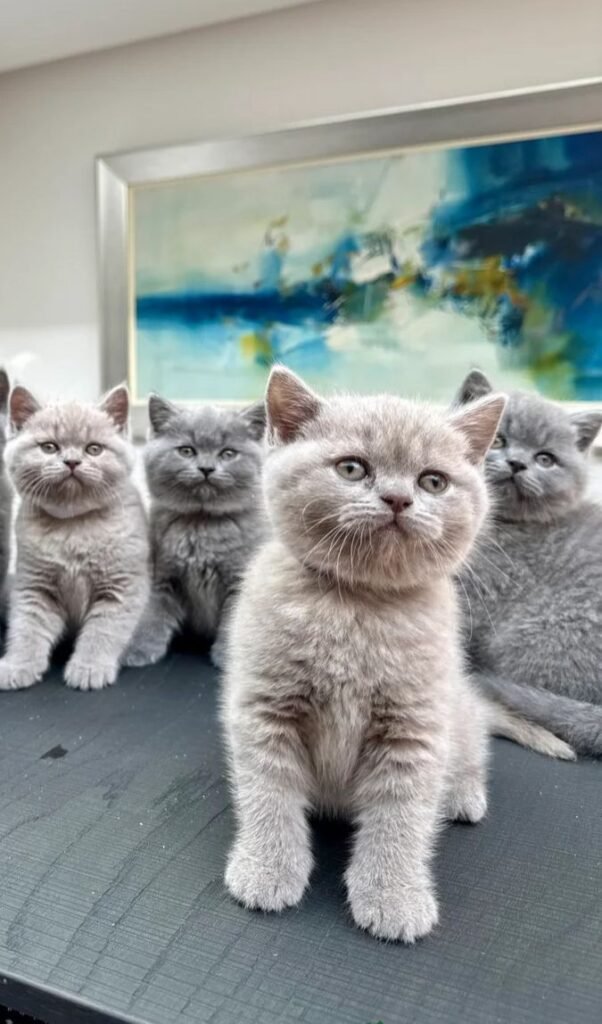
Raising a British Shorthair kitten in Singapore can be a rewarding and enriching experience for both new and seasoned pet owners. Known for their plush coats, round faces, and amiable personalities, British Shorthairs make for delightful companions. However, like any breed, they come with unique needs and characteristics that require careful consideration and preparation. This beginner’s guide aims to provide you with essential information and practical tips to ensure your kitten thrives in its new environment, covering everything from breed traits and essential supplies to health care and socialization strategies. Whether you’re a first-time pet owner or looking to expand your feline family, this guide will help you navigate the exciting journey of raising a British Shorthair in the vibrant city of Singapore.
Understanding the British Shorthair Breed
History and Origins
The British Shorthair is a breed with a rich history that dates back to ancient Rome when they were known as the “Domestic Shorthair.” After the Romans invaded Britain, they brought their cats with them to keep their homes free of pests. These cats adapted to the British climate and evolved into the robust British Shorthair we know today. With their charming round faces and thick, plush coats, they became quite popular in the late 19th century, even starring in cat shows! So, you could say they have a bit of a royal pedigree.
Physical Characteristics
British Shorthairs are like the bodybuilders of the cat world. They are muscular with broad shoulders and sturdy legs, and their round faces are often accompanied by big, expressive eyes. Their dense, plush coats come in a range of colors, though the classic blue-grey is a fan favorite. Let’s not forget that signature chubby-cheeked look, which gives them that adorable teddy bear vibe. Seriously, who doesn’t want a fluffy, round cat at home?
Temperament and Behavior
When it comes to personality, British Shorthairs are the laid-back, easygoing types that blend well into any home. They’re affectionate but not overwhelmingly needy, making them perfect companions for busy lifestyles. Known for their intelligence, these cats enjoy playtime but also appreciate a good cat nap on the couch. Be prepared for some delightful quirks, like staring at walls and pretending to be a fierce lion while chasing a feather toy. They will keep you entertained for sure!
Preparing Your Home for a New Kitten
Creating a Safe Environment
Safety first! Before bringing your British Shorthair home, make sure to create a kitten-friendly environment. This means tucking away any sharp objects, electrical cords, and toxic plants (sorry, peace lily!). Don’t forget to secure heavy items that the little furball could knock over during a playful sprint. Your kitten’s curiosity might lead to some ‘exploratory missions,’ so let’s keep those missions safe and sound.
Designating a Kitten Space
Every kitten should have its own designated space—think of it as their personal kingdom. Set up a cozy corner with a bed, a scratching post, and some toys. This will help your British Shorthair feel secure in its new environment. It’s also a great spot for them to retreat when they need a break from all the excitement (and from you, of course). You might want to invest in a cute little throne, because what’s a kingdom without a throne?
Kitten-Proofing Your Home
Kitten-proofing is like baby-proofing, but with extra fluff and a lot more mischief. Check for any items that could be hazardous, like small objects they might choke on or anything they could jump on that might fall. Remember, a curious kitten is basically a mini ninja in training. Consider buying childproof locks for cabinets and gates for stairways to keep your little explorer safe while they master the art of climbing.
Essential Supplies for Raising a British Shorthair
Food and Water Bowls
Every dignified British Shorthair deserves proper dining arrangements. Invest in sturdy ceramic or stainless steel bowls—because nothing says “I’m a classy cat” like a shiny bowl. Make sure to keep their water bowl filled with fresh water at all times; hydration is key! You might even consider a pet water fountain, as cats generally prefer running water over stagnant water (they’re quite the connoisseurs, after all).
Cat Litter and Litter Boxes
When it comes to litter boxes, size matters! A spacious litter box is essential for your British Shorthair’s comfort and cleanliness. Clumping litter tends to be a favorite among cats because it makes cleanup easier for you—win-win! Place the litter box in a quiet, accessible area; nobody wants to do their business in a bustling hallway. And remember, clean it regularly, as nobody enjoys a smelly bathroom!
Scratching Posts and Toys
Prepare for a scratching extravaganza! British Shorthairs need scratching posts to keep their claws healthy and their furniture intact. Look for sturdy options that won’t topple over during enthusiastic scratching sessions. As for toys, think feathers, balls, and anything that crinkles—these cats have an inner hunter just waiting to be unleashed! A mix of interactive and solo toys will keep them entertained and mentally stimulated. Bonus points if you can join in on the fun!
Nutrition and Diet for Kittens
Choosing the Right Food
When it comes to choosing food, opt for high-quality kitten food that lists meat as the first ingredient—your British Shorthair needs protein to fuel all that playful energy! Look for brands that are formulated specifically for kittens, as they have higher calorie content and essential nutrients to support growth. And while you might be tempted to spoil them with table scraps, resist the urge! Their little tummies can be picky, and human food isn’t always suitable.
Feeding Schedule and Portions
Establishing a feeding schedule is crucial for a healthy kitten. Aim for three to four meals a day in small portions, as kittens have tiny tummies! Measuring their food can prevent overfeeding (we don’t want a rounder cat than necessary, right?). As they grow, you’ll adjust their portions—but let’s be honest, those pleading eyes will always make you feel bad for sticking to the plan!
Understanding Nutritional Needs
Kittens have unique nutritional needs as they grow. Look for food rich in DHA for brain development, and ensure it contains a good balance of proteins, fats, and carbohydrates. Don’t forget to check with your vet for any specific dietary recommendations, especially as your kitty approaches adulthood. A well-fed British Shorthair is a happy one, and happy cats make for an even happier human!
Health Care and Veterinary Considerations
Initial Veterinary Visits
The first trip to the vet is a rite of passage for any new kitten owner—think of it as an initiation ceremony into the world of cat parenting. Schedule a visit within the first week of bringing your British Shorthair home. The vet will conduct a thorough health check, assess vaccinations, and set a plan for their future health care. This is also a great time to have a chat about diet, behavior, and any quirky habits your kitty might exhibit. Bonus: you can brag about how adorable your new furball is!
Vaccinations and Preventive Care
Just like you wouldn’t send your child to school without their vaccinations (and a lunchbox full of snacks), your kitten needs the same treatment! Core vaccines typically include those for feline viral rhinotracheitis, calicivirus, panleukopenia, and rabies. In Singapore, it’s important to discuss additional preventive care, such as parasite control and spaying/neutering options. All of this is part of the deal for a healthy, happy kitty that can live its best nine lives!
Common Health Issues to Watch For
British Shorthairs are generally robust, but they can be susceptible to certain conditions like obesity, heart disease, and dental issues. Keep an eye out for signs of lethargy, changes in appetite, or any funny lumps where there shouldn’t be. Remember, addressing health concerns as they arise is much easier than dealing with them later. Plus, you’ll want your little ball of fluff to get through their shenanigans with flying colors!
Socialization and Training Tips
Introducing Your Kitten to Family Members
When bringing a new kitten home, think of it as hosting a family reunion—everybody wants to meet the new addition! Gradually introduce your British Shorthair to family members, ensuring each interaction is calm and positive. Encourage gentle, slow petting and let your kitten set the pace. It’ll help them associate your loved ones with fun and safety, rather than a terrifying group of giants looming over them!
Basic Commands and Litter Training
Kittens, like toddlers, can be a little clueless at times. Training starts with the basics! Teaching simple commands such as “sit” or “come” can be done with treats and plenty of praise. As for litter training, place your kitten in the litter box after meals and naps, and they’ll figure it out in no time. If they miss the mark occasionally, don’t panic. Just gently guide them back to the litter box and clean up the mess like a pro!
Encouraging Positive Behavior
Positive reinforcement is your best friend when it comes to training your British Shorthair. Treats, affection, and a bit of playtime go a long way. If your kitten does something you approve of—like using their scratching post instead of your favorite couch—shower them with praise. If they misbehave, redirect their energy toward appropriate toys. Remember, patience is key; Rome wasn’t built in a day, nor was the perfect kitten!
Grooming Needs and Maintenance
Brushing and Bathing Tips
British Shorthairs have plush coats, and while they don’t need frequent baths (unless they’ve taken a dive into a mud puddle), regular brushing is a must to keep their fur looking squishable. Aim for brushing sessions a couple of times a week to minimize shedding and hairballs. Bathing, should it ever be necessary, should be a calm experience—think spa day, not a wrestling match!
Nail Trimming and Ear Cleaning
Claws and ears can easily become neglected in the hustle of kitten rearing. Nail trimming can be daunting, but it’s essential—start when your kitten is young to help them get used to it. Use cat-specific clippers and reward them afterward (no, it doesn’t work to promise them a trip to the catnip store). As for ears, check them weekly for dirt or wax, and gently clean with a damp cloth. A clean kitten is a happy kitten!
Regular Health Check-ups
Just like you wouldn’t skip your annual health check, neither should you skip your kitten’s vet visits. Schedule regular check-ups to monitor their growth and health. These trips can help catch any health issues early on and keep your furry friend on the right track. Think of it as a mini spa day with a side of “what’s new in the world of cat care?”
Common Challenges and Solutions in Kitten Raising
Dealing with Aggression and Fear
It’s not uncommon for kittens to have bursts of energy that can translate into aggressive play, especially if they’re feeling anxious. The key is to provide plenty of outlets for their energy—interactive toys and play sessions can help keep those claws away from your unsuspecting hands! If your kitten is shy or fearful, create a safe space where they can retreat and feel secure while they adjust to their new environment.
Managing Playtime and Boredom
British Shorthairs are naturally playful, but that doesn’t mean you’ll want them to transform your living room into a feline playground. Rotate their toys regularly to keep things fresh and interesting, and consider investing in puzzle toys that challenge their brains. Scheduled playtime is essential—set aside time each day to engage with your kitten, and they’ll thank you with a million purrs and perhaps a few less shredded curtains.
Understanding Kitten Development Stages
Kittens grow up fast, and each stage of development can come with its own set of challenges. From the hyperactive baby stage to the more rebellious teenage phase, understanding these stages can help you navigate your kitten’s behavior like a pro. Keep patience close and remember that while they may occasionally act like tiny tornadoes, they’re also learning and growing, and they’ll soon become the cool, sophisticated cats we all know and love!In conclusion, raising a British Shorthair kitten in Singapore can be a fulfilling journey filled with joy, companionship, and learning. By understanding their unique needs and providing a loving and nurturing environment, you can help your kitten grow into a healthy and well-adjusted adult cat. Remember to stay patient and enjoy the process, as each moment spent with your furry friend is a valuable experience. With the right preparation and care, you’ll be rewarded with a loyal and affectionate companion for years to come.
Frequently Asked Questions
1. How much exercise does a British Shorthair kitten need?
British Shorthair kittens are generally playful and energetic, requiring regular playtime to keep them stimulated. Aim for at least 15-30 minutes of interactive play each day to help them develop their physical and mental skills.
2. What is the typical lifespan of a British Shorthair?
The typical lifespan of a British Shorthair ranges from 12 to 20 years, depending on factors such as genetics, diet, and overall care. Regular veterinary check-ups and a healthy lifestyle can contribute to a longer life.
3. Are British Shorthairs hypoallergenic?
No, British Shorthairs are not considered hypoallergenic. While they may produce fewer allergens than some breeds, they still shed and can trigger allergies in sensitive individuals.
4. How often should I groom my British Shorthair kitten?
British Shorthairs have a dense coat that requires regular grooming. Aim to brush your kitten at least once a week to minimize shedding and matting. During shedding seasons, more frequent grooming may be necessary.