
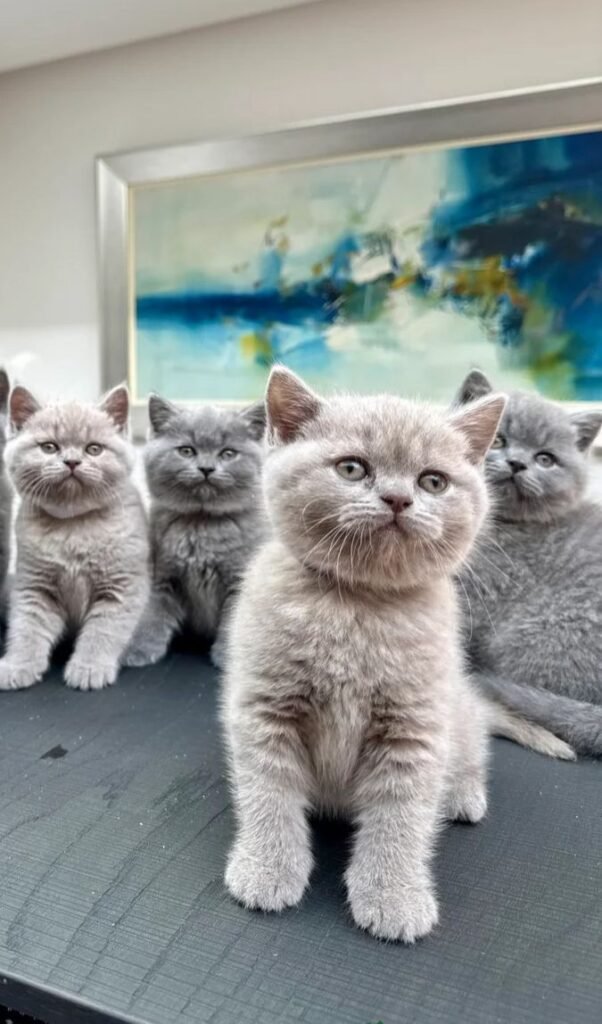
Owning a British Shorthair kitten in Singapore can be a rewarding experience, but it comes with its own set of responsibilities and considerations. Known for their charming personalities and striking appearance, British Shorthairs are a popular choice among cat enthusiasts. However, before bringing one into your home, it’s essential to understand the breed’s unique characteristics, prepare your living space, and navigate the local laws regarding pet ownership. This article will guide you through the key aspects you need to know to ensure a happy and healthy life for your new feline companion in Singapore.
1. Understanding the British Shorthair Breed Characteristics
1.1 Physical Traits and Appearance
British Shorthairs are the cuddle-buddies of the cat world, boasting a robust, stocky build and a plush coat that practically begs to be petted. They typically feature broad heads, round faces, and large, expressive eyes that come in shades of copper or gold. Their distinctively dense fur—think soft clouds—is often blue-gray, but they can show up in a kaleidoscope of colors and patterns. Just be prepared: with their chunkiness, they might resemble fluffy little bowling balls.
1.2 Temperament and Personality
These cats are the classic introverts of the feline family, mixing independence with a splash of affection. British Shorthairs are known for their friendly yet laid-back personalities. They’re not the type to follow you around like a golden retriever, but they’ll happily sit beside you—just don’t expect them to jump into your lap at a moment’s notice. They also have a quirky sense of humor; you might find them staring at a wall for an hour, pondering the mysteries of life (or plotting world domination).
1.3 Common Health Issues
While British Shorthairs are generally healthy, they can be prone to some genetic health issues. Look out for conditions like hypertrophic cardiomyopathy (a fancy way of saying heart disease) and hip dysplasia (which is as unpleasant as it sounds). Regular vet check-ups and a balanced diet will keep your little furball in purring condition. Plus, establishing a routine will make you the vet’s favorite customer.
2. Preparing Your Home for a British Shorthair Kitten
2.1 Safe Spaces and Environment
Creating a safe haven for your new British Shorthair kitten is paramount because, let’s be honest, they can get into all sorts of mischief. Designate cozy areas with comfy beds or blankets where they can snuggle and feel secure. Avoid noisy or chaotic spots; your kitten is more likely to thrive in peaceful nooks where they can observe the world—and your attempts at cat-wrangling—from a safe distance.
2.2 Cat-proofing Your Home
Your playful British Shorthair will see your home as their personal playground, so cat-proofing is a must! This includes stashing away anything remotely breakable, hiding electrical cords like a ninja, and securing cabinets like they’re Fort Knox. Remember, a curious kitten is a master of stealth, so think like a cat: if it looks like a toy or a climbable surface, they will play with it.
2.3 Designating a Play Area
Every kitten needs a dedicated play zone—preferably away from your favorite vase collection. A designated play area should include toys, interactive puzzles, and space for zoomies (because who doesn’t love a good cat sprint?). Ensure it’s well-lit and safe, with surfaces they can paw at, scratch, and explore without fear of injury. Just be ready for the chaos that comes with kitten energy!
3. Legal Considerations and Regulations in Singapore
3.1 Pet Ownership Laws
Before bringing home your new feline companion, familiarize yourself with Singapore’s pet ownership laws. You’ll need to be aware of regulations regarding the types of pets you can own, as well as any restrictions on breeding or owning specific breeds. Spoiler alert: you’ll be in the clear with a British Shorthair.
3.2 Registration and Licensing Requirements
In Singapore, cats must be registered with the Animal & Veterinary Service (AVS). Failure to register can lead to hefty fines—so don’t let your new furball be the reason you have to explain to your spouse why you’re now on first-name terms with the local fines department. The registration process is simple and well worth the effort for peace of mind.
3.3 Import Regulations for Cats
If you’re considering importing a British Shorthair into Singapore, brace yourself—there’s paperwork involved! You’ll need to adhere to strict import regulations, including health certificates and vaccinations. It’s a bit of a hassle, but once you navigate the red tape, your new kitten will be ready to rule over your household.
4. Essential Supplies and Equipment for Your Kitten
4.1 Food and Water Bowls
Investing in the right food and water bowls is vital. Look for sturdy, non-tip options that are easy to clean—because nothing says “fun” like a water bowl that’s turned into a mini swimming pool. Stainless steel or ceramic bowls are usually best, ensuring your kitten stays stylish while hydrating and dining.
4.2 Cat Litter and Litter Box
Choose a litter box that’s the right size for your kitten—no one likes to feel cramped while doing their business! Use unscented clumping litter for easy cleanup and minimal odor. Remember, a clean litter box is non-negotiable; otherwise, your kitten may take it upon themselves to “redecorate” your living room.
4.3 Toys and Enrichment Items
Bored kittens are mischievous kittens, so stock up on toys and enrichment items. Wand toys, feathered trinkets, and laser pointers will provide hours of entertainment. Try to rotate their toys regularly to keep the excitement alive—because even your new kitty diva likes to have options.
4.4 Scratching Posts and Cat Trees
To save your furniture (and sanity), invest in scratching posts and cat trees. British Shorthairs, like all cats, have an innate desire to scratch, and providing designated spots for this will protect your couch from becoming a feline playground. A cat tree also offers a space for climbing and surveying their kingdom—after all, every cat should have a throne!
5. Nutrition and Health Care for Your British Shorthair
5.1 Choosing the Right Food
Feeding your British Shorthair the right diet is like finding the perfect pair of shoes—comfortable, stylish, and not too expensive! Opt for high-quality cat food that’s rich in protein and low in fillers. Look for brands that specifically cater to the dietary needs of indoor cats, keeping in mind their potential tendency to pack on the pounds. Also, remember that British Shorthairs can be picky, so mix in some wet food for variety and hydration—plus, who can resist those adorable mews when it’s dinnertime?
5.2 Regular Veterinary Check-ups
Think of your vet as the personal trainer for your kitty’s health. Regular check-ups are essential to catch any health issues before they become a problem. Schedule these visits at least once a year, and don’t forget to bring along your best “I’m a proud cat parent” smile. Your vet can recommend the right diet, conduct essential health screenings, and keep your furry friend up to date on vaccinations. Remember, a happy cat means a happy home!
5.3 Vaccination and Preventative Care
Vaccinations are like a shield of armor for your British Shorthair, saving them from nasty diseases that can cut their life short. Make sure to follow your vet’s vaccination schedule, and consider preventative treatments for parasites like fleas and ticks. Regular dental care is also important; after all, no one wants to deal with a kitty with bad breath! Ensuring your kitty is healthy can save you money and heartbreak in the long run.
6. Socialization and Training Tips
6.1 Early Socialization Techniques
Getting your British Shorthair socialized early is key to avoiding a grumpy cat later on. Start with short, positive interactions with different people and environments. Gradually introduce them to various sounds, sights, and even other pets. Think of it as exposing them to the world without throwing them into the deep end. Positive reinforcement, like treats and praise, will ensure your kitty grows up to be a confident and sociable feline!
6.2 Basic Training Commands
Believe it or not, cats can learn commands too! Start with simple cues like “sit” or “come,” using treats as motivation. Keep training sessions short and sweet—no more than 5-10 minutes—to keep your British Shorthair engaged and eager. Who knew that this fluffball could also be a high achiever? With consistent practice, you’ll have a kitty that not only looks regal but behaves like one too!
6.3 Behavioral Considerations
Your British Shorthair might possess the charm of a royal, but they can also have some quirky behaviors. Understanding their body language is crucial—tail twitching, ear positioning, and those wide, curious eyes can tell you a lot about how they’re feeling. Take time to observe and learn what makes them tick. Patience is key; if they’re acting out, it might just be their way of saying, “Hey, I need something!”
7. Finding a Reputable Breeder or Adoption Center
7.1 Researching Breeders
When it comes to finding a British Shorthair, a little sleuthing goes a long way. Research breeders online, and check for reviews; your future fluffball deserves the best start in life! Look for breeders who prioritize health testing and have a solid reputation. Don’t be shy—reach out and ask questions! A reputable breeder will be as eager to share information as you are to learn.
7.2 Questions to Ask Potential Breeders
Before sealing the deal on that adorable furball, arm yourself with questions! Inquire about the kitten’s health history, socialization efforts, and any genetic testing done for common breed-related issues. A good breeder will provide clear, honest answers and be just as invested in ensuring their kittens go to loving homes. If they dodge your questions or seem hesitant, consider that a red flag!
7.3 Adoption Process and Considerations
Adopting a British Shorthair is like bringing home a new family member—exciting and full of responsibilities. Research local shelters or rescue groups specializing in specific breeds and stay patient; finding the right match may take time. When adopting, prepare for an application process where you’ll likely need to prove your commitment to providing a loving home. And remember, adopting means giving a kitty in need a second chance, which is a huge win in our book!
8. Costs and Financial Commitment of Ownership
8.1 Initial Costs: Purchase or Adoption Fees
Before you fall head over heels for that fluffy British Shorthair, let’s talk numbers. If you’re buying from a breeder, expect to shell out anywhere from SGD 2,500 to SGD 5,000. Adoption fees, on the other paw, are often less—usually ranging from SGD 100 to SGD 400. While the initial sticker shock can be daunting, remember that adopting saves lives and gives your new friend a loving home. Budgeting for food, litter, vet visits, and the occasional indulgent toy should also be part of your financial game plan. After all, a happy kitty means a happy wallet (eventually)!In conclusion, owning a British Shorthair kitten in Singapore can be an enriching journey filled with joy and companionship. By understanding the breed’s needs, preparing your home, and being aware of local regulations, you can create a loving environment for your new pet. With proper care, attention, and commitment, your British Shorthair will thrive and become a cherished member of your family for years to come.
Frequently Asked Questions
1. How much does it cost to adopt or buy a British Shorthair kitten in Singapore?
The cost of adopting or buying a British Shorthair kitten in Singapore can vary widely, typically ranging from SGD 1,500 to SGD 3,000, depending on the breeder, lineage, and whether the kitten has been vaccinated and microchipped.
2. Are British Shorthairs good for first-time cat owners?
Yes, British Shorthairs are generally known for their calm and easygoing nature, making them suitable for first-time cat owners. They are adaptable and typically require less maintenance than some other breeds.
3. Do British Shorthairs require a lot of grooming?
No, British Shorthairs have a dense, plush coat that requires minimal grooming. Regular brushing once a week will help minimize shedding and keep their coat healthy.
4. How can I help my British Shorthair adjust to a new home?
To help your British Shorthair adjust, create a quiet and safe space for them, provide familiar items like toys or blankets, and allow them time to explore their new environment at their own pace. Regular interaction and playtime will also help them feel more comfortable.