
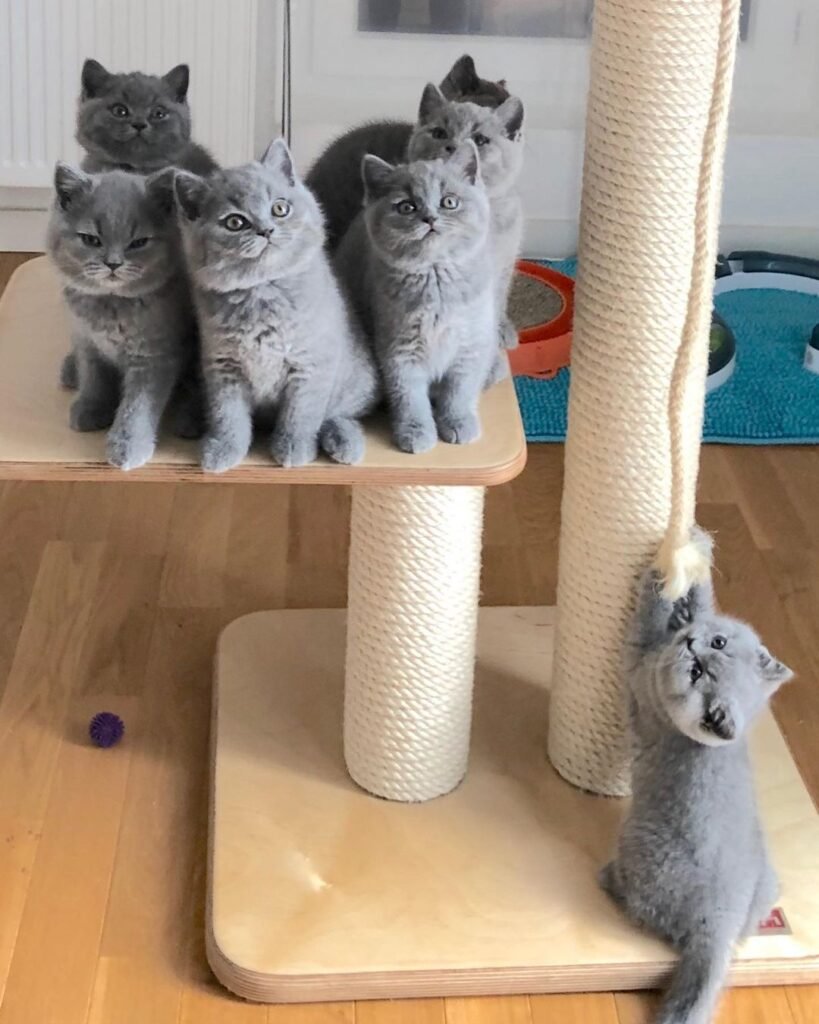
British Shorthair kittens are renowned for their charming appearance, affectionate nature, and easygoing personality, making them a popular choice for cat lovers around the world. However, before bringing one of these delightful kittens into your home, it’s essential to understand the breed’s unique characteristics, health considerations, and the responsibilities of pet ownership. This guide will provide you with crucial information to help you make an informed decision, ensuring that both you and your new furry friend can enjoy a happy and fulfilling life together. Whether you’re seeking a playful companion or a laid-back lap cat, knowing what to expect can set the stage for a successful adoption experience.
Understanding the British Shorthair Breed
History and Origin
The British Shorthair boasts a rich history that dates back to the Roman Empire. Brought to Britain by the Romans to control the local rodent population, these sturdy cats have evolved into the beloved companions we know today. After nearly disappearing due to the introduction of other breeds in the 19th century, dedicated cat enthusiasts helped revive their population, leading to the breed we adore now—chubby cheeks and all.
Distinctive Features
With their round face, dense coat, and stocky build, British Shorthairs are like the teddy bears of the cat kingdom. Their large, copper-colored eyes are exceptionally expressive, often giving the impression that they’re silently judging your life choices. Their thick, plush fur comes in a variety of colors and patterns, making them not only cute but the perfect subject for your Instagram feed.
Temperament and Behavior
British Shorthairs are known for their calm and easy-going nature. They’re the introverted friends of the cat world, often preferring quiet observation to the typical feline frenzy. These affectionate cats enjoy human companionship but aren’t overly needy—ideal for those who prefer cuddling on their terms. If you’re looking for a kitty who won’t interrupt your Netflix binge, the British Shorthair might just be your perfect match.
Key Characteristics of British Shorthair Kittens
Physical Traits
British Shorthair kittens are the epitome of cuteness, with stocky little bodies, round faces, and those unmistakably chubby cheeks. They have short, dense coats that feel like a soft pillow and wide-set, expressive eyes that seem to hold a world of mischief. As they grow, their robust structure becomes more pronounced, resembling tiny, furry tanks ready to conquer your heart.
Color Variations
One of the things that makes British Shorthairs so delightful is their diverse color palette. From classic blue (which is basically the breed’s signature color) to creams, blacks, and even color-point variations, there’s a shade for every potential cat parent. Want a kitten that matches your sofa? Good luck—your choices are overwhelming, but totally worth it.
Size and Growth Expectations
These kittens start small and adorable, but don’t let that fool you! British Shorthairs grow into hefty cats, typically weighing between 9 to 18 pounds as adults. They’ll reach their full size around the age of 3-5 years, so prepare yourself for a big, affectionate furball that might just sit on your lap and claim that space as their throne.
Health Considerations and Vet Checks
Common Health Issues
While British Shorthairs are generally robust, they are prone to some health issues, such as hypertrophic cardiomyopathy (an inherited heart condition) and obesity. Keep an eye on their diet and exercise to avoid them turning into fluffy marshmallows—though, let’s be honest, who doesn’t love a marshmallow?
Vaccination Schedule
When you welcome a British Shorthair kitten into your home, vaccinations are crucial for keeping them healthy. Early vaccinations usually begin at around 8 weeks and continue until they are about 16 weeks old, covering key diseases like feline distemper and feline leukemia. Your vet will have all the details, but it’s one of those “don’t skip it” things—like that final episode of your favorite show.
Importance of Regular Check-ups
Taking your cat for regular vet check-ups isn’t just a chore; it’s a chance to ensure your kitty stays healthy and happy. These visits help detect any potential issues before they become serious problems. Plus, who doesn’t love the chance to brag about their cat’s latest weight gain (healthy, of course)?
Finding Reputable Breeders
What to Look for in a Breeder
When searching for British Shorthair kittens, finding a reputable breeder is key. Look for someone who prioritizes health screening, socialization, and overall kitten care. If their breeding space is clean and they’re genuinely passionate about their cats, you’re on the right track.
Questions to Ask Potential Breeders
Don’t be shy—asking questions is part of the process! Inquire about the kitten’s health history, the parents’ health records, socialization practices, and any potential genetic issues. A good breeder will be open to your questions and eager to provide info. If you get vague answers like, “Uh, you know, cats,” it might be time to move on.
Signs of a Responsible Cattery
A responsible cattery will have the following signs: clean living spaces, happy and healthy cats, and a knowledgeable breeder who’s happy to engage in conversation. They should also be willing to show you the kittens’ living environment and let you interact with them before making a decision. If their priority is the well-being of their cats—congratulations, you’ve found a winner!
The Cost of British Shorthair Kittens
Initial Purchase Price
When it comes to purchasing a British Shorthair kitten, be prepared to open your wallet wide. These adorable fluffballs typically range from $1,500 to over $3,000 depending on their lineage and the breeder’s reputation. Show quality kittens, with impeccable bloodlines and that perfect “British” roundness, will leave a bigger dent in your bank account.
Ongoing Expenses
Once you’ve paid for your new feline friend, the costs don’t just vanish. Budgeting for ongoing expenses is crucial. Think food, litter, regular vet check-ups, vaccinations, and, of course, the occasional impulse buy at the pet store (because who can resist a feather toy?). These costs can add up to around $500 to $1,000 annually.
Factors Affecting Price
Several factors affect the price of British Shorthair kittens. Breeders’ location, the kitten’s pedigree, and whether it has been spayed or neutered before sale all play a role. The more extravagant the lineage, the more you can expect to pay. Also, remember to consider the breeder’s reputation—quality often comes with a price tag!
Preparing Your Home for a New Kitten
Essential Supplies
Before you bring home your new British Shorthair, stock up on the essentials: a comfy bed (no more shoeboxes, please), food and water dishes, high-quality kitten food, a litter box, and, let’s not forget, some toys for those all-important zoomies. Also, cat trees are great for climbing—because who doesn’t want their kitten to feel like the king or queen of the castle?
Creating a Safe Environment
Kittens are naturally curious, which translates to mischief in a matter of seconds. To kitten-proof your home, secure any loose wires, hide toxic plants, and ensure that windows and balconies are safe. You might love your collection of breakable knickknacks, but your new furry friend might see them as the ultimate plaything!
Introducing the Kitten to Your Home
When your new kitten arrives, give them a quiet space to explore at their own pace. It’s like a welcome party, but without the loud music. Let them sniff around and adjust while you keep an eye on them. Slowly introduce them to different rooms and family members, making sure it’s all low-pressure and full of treats and affection.
Initial Care and Socialization Tips
Feeding Guidelines
Feeding your British Shorthair isn’t rocket science, but it does require a bit of knowledge. Kittens have small tummies but big appetites! Choose high-quality kitten food formulated for their growth needs and split meals into multiple servings throughout the day. Just remember, no table scraps—unless you want a miniature kitten version of a Mafia boss.
Litter Training Basics
Most kittens instinctively know how to use a litter box, thanks to their maternal instincts. Place the box in a quiet, easily accessible location, and show them where it is. If accidents occur (they will), don’t panic—just gently place them in the box after meals or when they wake up. Consistency is key, like a catnip-infused mantra.
Socializing with Family and Other Pets
Begin the socialization process early by letting your kitten interact with family members gently. Consider how your existing pets might react; slow introductions are best. Treats and positive reinforcement go a long way in ensuring a peaceful household. Remember, a well-socialized cat is a happy cat—and a happy cat means more joy for you!
Common Questions About British Shorthair Ownership
How Long Do They Live?
The lifespan of a British Shorthair is typically around 12 to 20 years, depending on their health and lifestyle. With proper care, your fluffy companion can be a part of your life for a long time—just make sure to stock up on catnip and cozy blankets for the long haul.
Are They Good with Children?
Absolutely! British Shorthairs are known for their gentle and calm temperament, making them great companions for children. Just remember, they’re not a fan of roughhousing, so teaching kids to respect the kitty’s space is a must. A well-behaved child and a chill cat—sounds like the dream duo!
Grooming Requirements
Grooming a British Shorthair is a breeze. Their short, dense coat requires minimal grooming, usually just a weekly brush to keep it sleek and shiny. While they don’t need frequent baths (unless they decide to roll in something suspicious), a regular check of their ears and dental hygiene will keep them looking fabulous. A well-groomed cat is a happy cat—and we all want that! In conclusion, bringing a British Shorthair kitten into your home can be a rewarding and joyful experience, provided you are well-informed and prepared for the journey ahead. By understanding the breed’s characteristics, health needs, and the responsibilities of ownership, you can ensure that your new feline friend thrives in a loving environment. Whether it’s finding a reputable breeder or creating a safe space for your kitten, taking these steps will help foster a strong bond and happy life together. Embrace the adventure of kitten parenthood, and enjoy the companionship of your new British Shorthair!
FAQ
How much do British Shorthair kittens typically cost?
The price of British Shorthair kittens can vary widely based on their lineage, breeder reputation, and location, typically ranging from $800 to $2,500.
Do British Shorthairs require special grooming?
While British Shorthairs have dense coats, they require minimal grooming compared to long-haired breeds. Regular brushing can help minimize shedding and keep their coat healthy.
Are British Shorthair cats good with children and other pets?
Yes, British Shorthairs are known for their gentle and tolerant nature, making them generally good companions for children and other pets when properly socialized.
What is the typical lifespan of a British Shorthair?
British Shorthairs usually have a lifespan of 12 to 20 years, depending on factors such as genetics, diet, and overall care.