
Bringing a British Shorthair kitten into your home can be a delightful and rewarding experience, especially for buyers in Singapore. Known for their charming personality, distinctive appearance, and robust health, British Shorthairs make excellent companions for families and individuals alike. However, proper care and understanding of the breed are essential to ensure that your new furry friend thrives in their new environment. This guide will provide you with valuable insights into the unique needs of British Shorthair kittens, covering everything from preparation and nutrition to grooming and socialization, helping you create a loving and nurturing home for your new pet.
Understanding the British Shorthair Breed
History and Origins
The British Shorthair is a feline superstar with a lineage that dates back to ancient Rome. Initially, these sturdy cats were bred for their ability to chase mice and other pests. Over centuries, they charmed their way into British hearts, becoming a beloved companion. The breed gained immense popularity in the 19th century, thanks in part to the artwork of renowned painter Louis Wain, who immortalized their plush coats and round faces. Today, they’re renowned not just for their history but also their adorable looks, making them one of the most sought-after breeds worldwide.
Temperament and Behavior
British Shorthairs are the definition of chill. These little fluffy balls are generally easygoing and affectionate, but they aren’t overly needy. Think of them as the perfect roommate who respects your personal space but loves to cuddle on the couch while binge-watching your favorite series. They’re playful yet dignified, rarely turning into the “crazy cat” stereotype. Their friendly nature makes them excellent companions for families, singles, and anyone who appreciates a cat with a little bit of sass and a whole lot of love.
Physical Characteristics
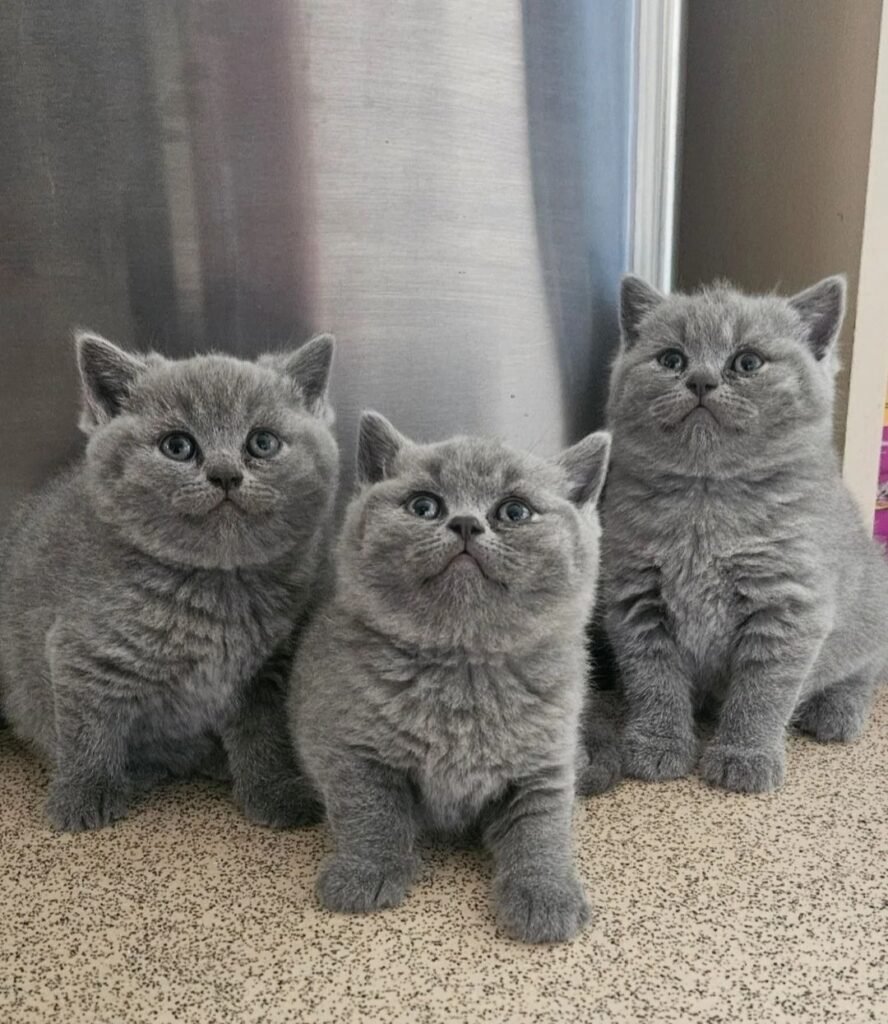
With their plush coats, round faces, and big, expressive eyes, British Shorthairs look like they’ve just stepped out of a cat-themed fairy tale. They’re known for their stocky build and robust frames, which make them look like they could moonlight as tiny bouncers. The breed comes in a variety of colors and patterns – from classic blues to cream and even tabby – reminding us that they’re as diverse in their looks as they are in their personalities. Their cute chubby cheeks and short, dense fur are irresistible, making it hard to resist those kitten cuddles!
Preparing Your Home for a British Shorthair Kitten
Creating a Safe Environment
Before your adorable British Shorthair kitten arrives, it’s time to channel your inner Marie Kondo and ensure your home is ready. Start by decluttering spaces to eliminate any potential hazards, like loose wires, tiny objects they could swallow, or anything that may send them into a chaotic leap of curiosity. Secure window screens and stash away any toxic plants. Just think of it as preparing a cozy little fortress for your new fur baby!
Designating a Kitten Space
Every kitten needs a designated area to call their own. Choose a quiet corner to set up a comfy bed, a few toys, and their food and water bowls. This will be their safe haven where they can retreat, nap, and plot their world domination (or at least plan their next meal). Make sure it’s away from excessive foot traffic so they can lounge in peace without being disturbed by the hustle and bustle of daily life.
Kitten-proofing Your Home
Kittens are like tiny ninjas, always seeking trouble and adventure. To avoid unexpected feline gymnastics, it’s essential to kitten-proof your home. Secure loose cords, cover electrical outlets, and hide away any precious knickknacks that may become catapult targets. Lock away cleaning supplies and chemicals, and keep any small items like buttons or paper clips out of reach. With a few simple precautions, you can ensure that both your home and your mischievous kitten stay safe and sound.
Essential Supplies for New Owners
Food and Water Bowls
Invest in sturdy, non-tip food and water bowls—trust us, you don’t want to be cleaning up a miniature flood every mealtime. Opt for ceramic or stainless steel, as they can withstand the enthusiastic attempts of your kitten’s hungry paws. Bonus points if they’re cute enough to match your decor; after all, a stylish feeding station is a must in any chic home!
Comfortable Sleeping Areas
Every British Shorthair kitten needs a cozy spot for those epic cat naps. Look for soft beds or blankets that are easy to wash (because, let’s face it, kittens can be messy). You might even want to get a few different sleeping areas placed around your home, so wherever they decide to curl up, they’ll be both snug and stylish.
Toys and Enrichment Items
Keep your little ball of fluff entertained with an array of toys! From feather wands to laser pointers, variety is key to keeping them stimulated. Puzzle toys that dispense treats can also keep their clever minds busy. Just remember, the more engagement they have, the less likely your furniture will become their personal scratching post!
Litter Box Setup
A clean litter box is crucial for your kitten’s happiness (and yours). Choose a box that’s the right size for your British Shorthair and fill it with unscented, clumping litter. Place it in a private, low-traffic area, so they can do their business in peace. Cleaning it daily will help keep odors at bay and ensure your kitty thinks you’re the best roommate ever!
Nutrition and Feeding Guidelines
Choosing the Right Food
When it comes to selecting food for your British Shorthair kitten, quality matters. Look for a high-protein diet formulated specifically for kittens; after all, they’re growing at a rapid pace (and are perhaps secretly plotting world domination). Consult with your vet to identify the best brands and types, whether wet, dry, or a mix of both. The key is to fuel their fabulous little bodies with everything they need to thrive.
Feeding Schedule and Portion Control
Establishing a feeding schedule will help create a routine for your kitten—because even little furballs appreciate consistency! Generally, kittens should be fed three to four times a day, but watch their portion sizes to prevent overfeeding. Remember, those big eyes can be deceiving; they may look like they’re starving, but they’re actually just cute little opportunists!
Supplementing with Treats
Treats aren’t just for bribing your kitten to come to you (though they’re super effective for that!). Use them sparingly as rewards for good behavior or during training sessions. Just keep it balanced; after all, we wouldn’t want your British Shorthair to resemble a fluffy little bowling ball! Opt for healthy options and remember to keep an eye on those daily calorie counts.
Health Care and Veterinary Considerations
Vaccination Schedule
To keep your British Shorthair kitten as healthy as a little furry horse, it’s essential to follow a proper vaccination schedule. Typically, kittens should receive their first vaccinations at around 8-9 weeks of age, including vaccines for feline viral rhinotracheitis, calicivirus, and panleukopenia (the FVRCP combo). A follow-up booster will usually be needed around 12-16 weeks, and don’t forget the rabies vaccine, which is usually given at 12-16 weeks as well. Check with your vet for exact timing and additional vaccinations based on your lifestyle (looking at you, outdoor adventurers).
Regular Health Check-ups
Think of regular vet visits as your kitten’s spa days, but instead of facials, they get check-ups. Aim for a veterinary visit at least once a year, or more frequently if your kitten has health concerns. These visits can help catch any sneaky health issues before they turn into full-blown dramas, so make sure you keep your vet in the loop about any odd behaviors or symptoms.
Common Health Issues to Watch For
While British Shorthairs are known for their robust health, they aren’t invincible. Be on the lookout for common issues such as obesity (because who can resist those big, round eyes?), heart disease (hypertrophic cardiomyopathy is a particular risk), and dental problems. Regularly check their eyes, ears, and coat to catch any irregularities early on. Remember, prevention is key, and a happy kitten means fewer trips to the vet!
Socialization and Training Tips
Introducing Your Kitten to Family Members
Bringing home a new British Shorthair is like adding a new member to the family—everyone wants to meet the adorable fluffball! Start introductions slowly and allow them to explore safely without feeling overwhelmed. Encourage gentle interactions with family members, reminding everyone that sudden movements and loud noises aren’t the best way to win a kitten’s heart. Treats and soft voices are your best friends here!
Basic Commands and Training Techniques
Believe it or not, British Shorthairs can learn basic commands! Use positive reinforcement techniques such as treats and praise to encourage them to respond to their names, come when called, or even sit. Keep training sessions short and fun (no one wants a cranky kitty) and be patient—every kitty learns at their own pace, and if they totally ignore you, just know they’re probably plotting world domination instead.
Encouraging Positive Behavior
To cultivate a well-behaved kitten, consistency is key. Use clicker training or verbal cues for positive reinforcement when they exhibit good behavior. Remember, British Shorthairs can be quite stubborn (the royalty in them knows no bounds), so patience and persistence are important. Avoid negative reinforcement; instead, redirect unwanted behaviors to more suitable outlets like scratching posts or interactive toys. Before you know it, your kitten will be a well-mannered companion who knows what’s what!
Grooming and Maintenance Needs
Brushing and Coat Care
British Shorthairs have that fabulous dense coat that can sometimes look like it needs a little loving care. Brush your kitten at least once a week to keep that coat looking top-notch. This also helps reduce shedding and prevents matting, which can be a real hair-raising experience—trust us, nobody wants that! Plus, this grooming time is also a great opportunity for bonding.
Nail Trimming and Ear Cleaning
Nail trimming is probably on your list of “fun things to do” right alongside a root canal, but it’s a necessary evil. Get your kitten used to having their paws handled early, and aim for a trim every few weeks. As for their ears, a quick weekly check can prevent any waxy build-up. If you notice any unusual smells or excessive dirt, give your vet a shout for advice on cleaning.
Bathing Your British Shorthair
Bathing a British Shorthair may seem as appealing as a trip to the dentist, but sometimes it’s necessary. If your kitten gets into something particularly sticky (or smelly), a gentle bath is in order. Use lukewarm water and a shampoo designed for cats—never humans, unless you want to embark on an epic battle. Make sure to dry them off thoroughly afterward—hair dryers can be terrifying, so stick to a cozy towel and some cuddles!
Finding a Reputable Breeder in Singapore
What to Look for in a Breeder
When searching for a British Shorthair breeder in Singapore, quality over quantity is essential. Look for breeders who prioritize health and temperament, with clear health records for their kittens. They should be willing to show you their breeding facility and the living conditions of the cats. Good breeders are passionate and knowledgeable, and they’ll be eager to answer any questions you have—consider it a good sign if they ask you questions too!
Questions to Ask Before Buying
Before you take the plunge, arm yourself with questions to vet the breeder. Inquire about the kitten’s health history, socialization practices, and what sort of diet they’ve been on. Don’t forget to ask about any health guarantees or contracts. A reputable breeder will be happy to discuss any concerns and provide ongoing support after you bring your new feline friend home.
Adoption vs. Buying from a Breeder
While buying from a breeder certainly has its perks, don’t overlook the option of adoption! Shelters often have adorable British Shorthairs looking for a forever home, and adopting is a wonderful way to give a cat a second chance. Decide what’s best for you and your lifestyle, and remember that love is what truly makes a home—whether it’s through adoption or purchasing from a reputable breeder, your British Shorthair will relish in the affection you provide!Caring for a British Shorthair kitten is a rewarding journey filled with joy and companionship. By following the guidelines outlined in this article, you can ensure that your new furry friend receives the love, attention, and proper care they need to thrive. Remember, building a strong bond with your kitten takes time, patience, and understanding. With the right preparation and commitment, you’ll create a happy and healthy environment for your British Shorthair, making every moment together truly special.
Frequently Asked Questions
What is the typical lifespan of a British Shorthair?
The average lifespan of a British Shorthair is between 12 to 20 years, depending on their overall health, diet, and care.
How much should I feed my British Shorthair kitten?
A British Shorthair kitten should be fed a high-quality, age-appropriate diet, typically divided into multiple meals throughout the day. Consult your veterinarian for specific portion recommendations based on your kitten’s age, weight, and activity level.
Are British Shorthairs hypoallergenic?
No, British Shorthairs are not considered hypoallergenic. While they may produce fewer allergens than some other breeds, they still shed fur and dander, which can trigger allergies in sensitive individuals.
How often should I groom my British Shorthair?
British Shorthairs have a dense coat that requires regular grooming, ideally once a week. This helps to reduce shedding and prevent matting, while also allowing you to check for any skin issues or parasites.