
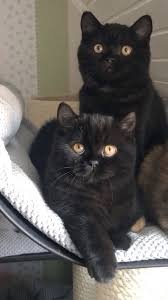
Finding the perfect Black British Shorthair kitten in the U.S. can be an exciting yet challenging journey for prospective pet owners. Known for their striking appearance, friendly demeanor, and unique personality, these cats have become increasingly popular among feline enthusiasts. However, navigating the process of locating a reputable source for your future furry companion requires careful consideration and research. This article outlines the top five tips to guide you in your search, ensuring that you find a healthy, well-adjusted kitten that will bring joy to your home for years to come.
Understanding the Black British Shorthair Breed
Characteristics and Temperament
The Black British Shorthair is the ultimate cat companion, boasting a sturdy build, round face, and plush coat that could make even the most stoic cat lover swoon. Known for their playful yet calm demeanor, these felines thrive on social interaction and are often described as loyal and affectionate. While they have bursts of playful energy, they’re also content to lounge around, making them the perfect couch potato buddy. If you’re looking for a kitten that appreciates both playtime and Netflix binges, this breed might just be your new best friend!
Common Health Issues
Like any breed, Black British Shorthairs are not immune to health hiccups. Some common issues include hypertrophic cardiomyopathy (a fancy term for heart problems), obesity (because who can resist a fat cat meme?), and dental diseases. Regular vet check-ups, a balanced diet, and a sprinkle of exercise (think toy mice, not real ones) can help keep these little furballs in tip-top shape. Remember, a healthy cat is a happy cat, which translates to fewer vet visits and more cuddle sessions!
Researching Reputable Breeders
Identifying Ethical Breeding Practices
When hunting for your future furry friend, it’s crucial to find a breeder who treats their cats like royalty, not just a means to a paycheck. Look for breeders who prioritize the health and wellbeing of their kittens, provide clean living conditions, and encourage you to meet the kitten’s parents. A responsible breeder should be transparent about their practices and willing to share health clearances. If they’re dodgy about details or only interested in your money, run – don’t walk – in the opposite direction!
Questions to Ask Potential Breeders
When interviewing potential breeders, channel your inner Sherlock Holmes. Ask about the kitten’s health history, socialization practices, and whether they provide health guarantees. Inquire about the breeder’s experience and whether they’re involved in any breed clubs. And don’t be shy to ask for references – a good breeder will proudly show off their success stories. Think of it as a job interview for the cutest position in your household: Chief Snuggle Officer!
Utilizing Adoption Platforms and Shelters
Benefits of Adopting a Kitten
Adopting a kitten not only saves a life but also opens up your heart to a little ball of joy who’s just waiting to bring happiness into your home. Adoption fees are often much lower than what you’d pay a breeder, plus many shelters provide initial vaccinations, spaying/neutering, and sometimes even a goodie bag of supplies. Plus, you get the feel-good bonus of knowing you’ve helped a kitty in need, which is a win-win in our book.
How to Find Local Shelters and Rescue Groups
Finding local shelters is easier than finding an Internet cat meme! Websites like Petfinder and Adopt a Pet are goldmines for searching for adoptable kittens. You can filter your search by breed and location, making it almost too easy. Additionally, local animal control agencies and rescue groups often host adoption events and can connect you with available kittens. So, grab your phone and start scrolling; your future feline friend is just a click away!
Networking with Cat Enthusiast Communities
Online Forums and Social Media Groups
If you thought cat people were just those crazy cat ladies, think again! Online forums and social media groups dedicated to cat lovers can be invaluable resources. Joining communities like these not only helps you connect with fellow feline enthusiasts but can also lead to tips on where to find British Shorthair kittens, both for sale and for adoption. Plus, you might score some adorable cat memes along the way – who can resist those?
Attending Cat Shows and Events
Don your best cat-themed attire and prepare for an outing! Cat shows are a fantastic way to meet breeders, see the British Shorthairs in action, and learn more about the breed. These events often feature expert judges who can provide insights and tips. But remember, it’s not just about the kitties on stage – you’ll also have a chance to network with other cat lovers and perhaps spot a future kitten for adoption. Just be sure to pack extra treats – for both you and your future feline companion!
Evaluating Health and Temperament
Signs of a Healthy Kitten
When you’re on the hunt for a Black British Shorthair kitten, it’s vital to ensure you’re picking a pint-sized bundle of health. Look for bright, clear eyes—no goop or redness allowed! Their coat should be shiny and free of bald patches (no one wants a baldy kitty). Check their ears for cleanliness and watch for a perky tail; drooping isn’t a good sign. Also, a healthy weight is important—kittens should be chubby but not like tiny fur-coated beach balls! Lastly, a well-formed belly is a good indication. If your potential new friend looks like they’ve swallowed a bouncy ball, it might mean worms are in the picture.
Assessing Behavior and Socialization
A kitten’s personality is just as crucial as its health. Observe how your furry candidate interacts with people and other animals. If they’re running for the hills at the first sight of you, it might be time to keep shopping. Healthy socialization is key; a kitten that doesn’t mind being handled or cuddled is likely to adapt well to their new home. Playful behavior, like pouncing and chasing after toys, is a great sign they’re ready to be your new best friend. Just be cautious—if they’re over-the-top hyper or surprisingly aggressive, that could be a red flag. You want a little furball who’s more “purr” than “hiss.”
Preparing Your Home for a New Kitten
Essential Supplies and Equipment
Before you bring home your adorable new feline companion, make sure you’ve got the right gear. You’ll need a cozy bed that’s soft enough for all that cuteness. Don’t forget the litter box—your kitten needs a private powder room! Invest in high-quality food and water dishes (because they deserve the best, right?), along with some kitten-specific food to help them grow big and strong. Toys are a must—think feathers, balls, or anything that can be batted around. And let’s not forget scratching posts, because your furniture deserves a break from those tiny claws!
Creating a Safe and Stimulating Environment
Your home should be a sanctuary for your new kitten, keeping them safe from hazards while providing plenty of fun. Start by kitten–proofing the area—remove anything breakable and tuck away cords that look like chew toys. Create a comfortable space where they can retreat when they feel overwhelmed, complete with a bed and some toys. To keep that inquisitive mind engaged, rotate toys regularly and consider setting up climbing trees or shelves to satisfy their inner mountain goat. And don’t forget, a sunny window perch is practically a five-star hotel for a kitty!
Financial Considerations and Budgeting
Initial Costs of Adoption or Purchase
Bringing a Black British Shorthair kitten into your life comes with some initial wallet shedding. If you’re adopting, be prepared for an adoption fee that covers vaccinations and spaying or neutering, which might range from $50 to $200 depending on where you adopt. If you’re purchasing from a breeder, the price can skyrocket to anywhere between $1,000 to $2,500 (yes, you read that right). Before you take the plunge, ensure you factor in the cost of gear and supplies as well. Spoiler alert: kittens can be pricier than they initially appear!
Ongoing Expenses for Care and Maintenance
Once your fluffy friend is home, the expenses don’t stop there. Regular vet check-ups, vaccinations, and preventive care can run you a pretty penny each year. Factor in food (because they must eat!) which will cost anywhere from $20 to $80 monthly depending on the brand and type you choose. Don’t forget about litter and other supplies that will keep your home fur-free. And let’s not overlook grooming, especially if your kitty wants to make a fashion statement! Budget at least a few hundred dollars annually to keep things running smoothly (and keep your bank account from going into cardiac arrest).In conclusion, finding a Black British Shorthair kitten in the U.S. can be a rewarding experience if approached with the right knowledge and preparation. By understanding the breed, researching reputable sources, and preparing your home, you can ensure a smooth transition for both you and your new feline friend. Remember to be patient during your search, as the perfect companion is worth the effort. With the right tips in mind, you’ll soon enjoy the love and companionship that a Black British Shorthair kitten can bring to your life.
Frequently Asked Questions
What is the average price of a Black British Shorthair kitten in the U.S.?
The average price can range from $1,500 to $3,000, depending on factors such as breeder reputation, lineage, and location.
Are Black British Shorthairs good with children and other pets?
Yes, they are generally known for their friendly and adaptable nature, making them suitable companions for families and other pets when properly socialized.
How can I ensure that I’m buying from a responsible breeder?
Look for breeders who are registered with recognized cat associations, provide health clearances, and allow you to visit their facilities to meet the kittens and their parents.
What should I consider before adopting a Black British Shorthair kitten?
Consider your lifestyle, the long-term commitment of caring for a cat, your home environment, and any financial obligations for health care, food, and supplies.