
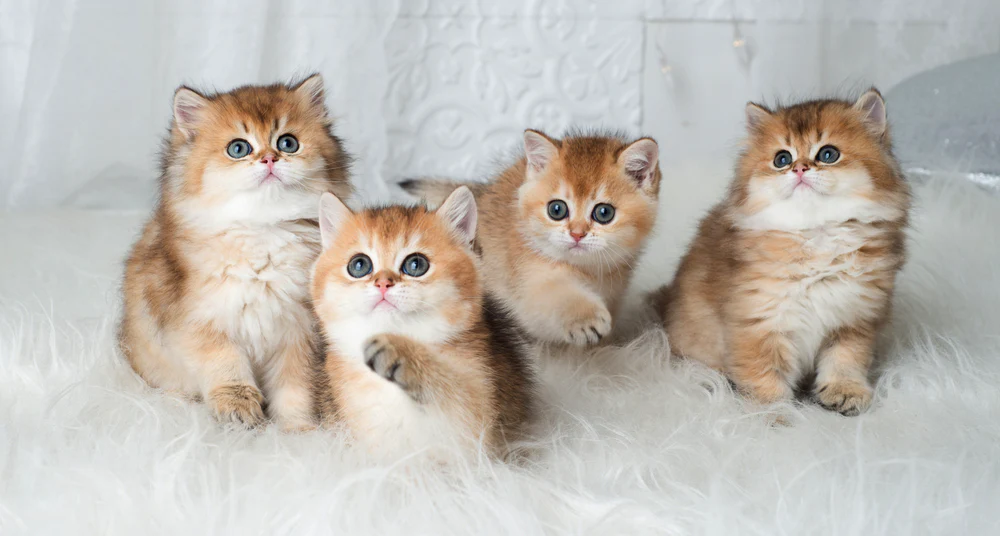
Bringing home a Golden British Shorthair can be an exciting and rewarding experience, especially for first-time cat owners. Known for their charming personalities, striking appearance, and affectionate nature, these cats quickly become beloved members of the family. However, like any pet, they require specific care and attention to thrive in their new environment. This article will provide you with essential tips to ensure a smooth transition for both you and your new feline friend, covering everything from understanding the breed and preparing your home to grooming, nutrition, and health care. Whether you’re a seasoned pet owner or embarking on your first journey into cat ownership, these tips will help you create a happy and healthy life for your Golden British Shorthair.
Understanding the Golden British Shorthair Breed
Origin and History
The Golden British Shorthair is like the aristocrat of the cat world, tracing its lineage back to the cats of ancient Rome and Britain. These charming felines were bred to be robust and resilient, originally serving as mousers in barns and homes. Over the years, they’ve evolved from practical companions to luxurious lap cats, with this golden hue catching the eyes of cat lovers everywhere—think of them as the golden retrievers of cats, but without the incessant barking.
Physical Characteristics
With their stocky, muscular bodies and round faces that could melt butter, Golden British Shorthairs are eye-catching in every sense. They sport dense, plush coats that shine like a freshly polished trophy, and their big, round eyes can range from copper to deep gold. Add in those irresistible chubby cheeks, and you’ve got a feline that’s as photogenic as a cat can be. Their thick tails and sturdy legs complete the picture, making them the embodiment of feline royalty.
Temperament and Personality Traits
The Golden British Shorthair is known for its calm and laid-back demeanor, which is perfect for both cuddles and lounging. These cats are affectionate but not overly needy—think of them as the roommate who respects your personal space but loves to come for a cuddle on the couch. They are also known for their playful yet dignified nature, making them great companions for families, singles, or those who simply enjoy a good feline friend with a touch of class.
Essential Supplies for Your New Pet
Must-Have Supplies
Before your new furball moves in, it’s time to channel your inner shopper! Your supply list should include the essentials: high-quality cat food, a sturdy litter box (more on that later!), cat litter, food and water bowls, and a scratching post to keep those claws sharp and your furniture (mostly) intact. Don’t forget a cozy carrier for trips to the vet or the occasional adventure outside. Finally, throw in some treats because who doesn’t love a bribe to get their kitty to cooperate?
Choosing the Right Litter Box
A litter box is basically a cat’s throne, so let’s ensure it’s fit for royalty. The Golden British Shorthair is a robust breed, so opt for a litter box that’s spacious enough for them to comfortably turn around— no one likes feeling cramped while doing their business. Covered boxes can help contain odors and litter, but your cat might prefer the openness. Choose a low-dust, clumping litter for easy cleanup and a happy kitty. Now, just to clarify, we don’t recommend buying a litter box with a miniature castle theme… unless you want to offend their royal sensibilities.
Finding the Perfect Bed and Toys
When it comes to beds, think plush and cozy, because your Golden British Shorthair deserves only the best! Look for one that’s easy to wash—because cats have a knack for sudden hairball parties. As for toys, a combination of interactive ones and solo playthings will keep your kitty entertained. Wand toys for that delightful hunt instinct and sturdy catnip mice for solo thrills will ensure they have a blast. Just remember: the cardboard box might end up being their favorite “toy” after all.
Nutrition and Feeding Guidelines
Recommended Diet for Golden British Shorthairs
Feeding your Golden British Shorthair is all about quality over quantity. Look for high-protein, low-carb cat food that’s specifically formulated for their age and lifestyle. Whether you lean toward wet, dry, or a combo of both, ensure that the food is rich in real meat and packed with essential nutrients. Your kitty’s golden coat will thank you, and you’ll appreciate the added benefit of less litter box odor (a win-win!).
Feeding Schedule and Portions
When it comes to feeding schedules, consistency is key. Most adult cats thrive on two meals a day, while kittens need three to four smaller meals. Portion control is crucial, as Golden British Shorthairs can be prone to weight gain; you don’t want your cat turning into a fluffy little potato (although they do make adorable potatoes). Follow the feeding guidelines on the food packaging and adjust according to your vet’s recommendations.
Understanding Dietary Restrictions
Like us, cats can have dietary restrictions or sensitivities, so keep an eye out for any unusual behavior (like a sudden aversion to dinner). Some Golden British Shorthairs may develop allergies to certain proteins or grains. It’s best to consult with your vet on dietary needs and restrictions. And just a heads-up: no matter how much they beg, chocolate and onions are still off the menu—sorry, little buddy!
Grooming and Maintenance Needs
Brushing and Shedding Management
Golden British Shorthairs have plush coats that need a little TLC, but thankfully, they’re not high-maintenance. Regular brushing—about once a week—is recommended to keep their luxurious fur in tip-top shape and to minimize shedding. This also helps reduce hairballs, which is a definite plus. Grab a slicker brush or a grooming glove, and let the bonding (and fur-flying) begin!
Bathing and Coat Care
While most cats are self-cleaners, occasionally your Golden British Shorthair might need a bath—especially if they’ve rolled in something questionable (hey, it happens!). Use a gentle cat shampoo and ensure that the water is lukewarm. Just remember: cats are not fans of water, so approach bath time as you would a delicate mission—smoothly and with lots of treats on standby.
Nail Trimming and Ear Cleaning
Nail trimming is an essential part of grooming that can seem daunting, but with patience, it’s a breeze. Aim to trim your Golden British Shorthair’s nails every couple of weeks—just don’t go for a full-on purr-nicure at the salon! When it comes to ear cleaning, check their ears regularly for dirt and wax buildup. Use a vet-approved cleaner, and if you find any funky stuff, just make sure you schedule a check-up. Happy paws make for a happy kitty!
Training and Socialization Techniques
Basic Commands Every Cat Should Know
While cats may not be as eager to please as dogs, certain basic commands can make cohabitation smoother. Start with simple instructions like “sit,” “stay,” and “come.” Use treats or their favorite toy as motivation—who can resist a tasty snack? With consistency and patience, you’ll have a little feline who knows when to strut and when to settle!
Positive Reinforcement Strategies
Forget the old myth that cats can’t be trained. Positive reinforcement is the way to go! Every time your Golden British Shorthair exhibits the desired behavior, reward them with treats or a gentle pat. This method is more effective than waving around a broomstick—trust us, the cat will just laugh at you! Keep it fun and light; after all, a happy cat is a willing learner.
Socializing with Other Pets and People
Golden British Shorthairs are social butterflies (or rather, social lions). Introduce them to new people and pets slowly and in a controlled environment. Use treats to create positive associations—nothing says “I like you” like the smell of tuna! Gradually increase interaction time, and soon your kitty will be the life of the party, making friends with everyone from your neighbor to that rather grumpy-looking dog next door.
Health Care and Veterinary Considerations
Regular Health Check-ups
Taking your Golden British Shorthair for regular check-ups is essential. A yearly vet visit can catch issues before they develop into full-blown catastrophes—like that time Mr. Whiskers ate a whole shoelace! Make it a routine, and soon your cat will think of the vet as “that place we go for green beans” (it’s all about the treats, right?).
Vaccination Schedule
Vaccinations keep your feline friend safe from nasty diseases. Consult with your veterinarian to establish a vaccination schedule that suits your kitty’s needs. Just remember, most cats would choose a good nap over a trip to the vet, so plan the appointments around their most active times—likely when you’ve just settled in with a good book.
Common Health Issues in Golden British Shorthairs
Like any breed, Golden British Shorthairs can be prone to specific health issues, such as obesity and respiratory concerns. Keep an eye on their diet and weight—no one wants a cat that resembles a furry beach ball! Regular vet visits will help you catch any potential problems early on so that your golden fluff can keep ruling your household for many years to come.
Creating a Safe and Comfortable Home Environment
Setting Up a Cat-Friendly Space
Create a haven for your Golden British Shorthair by setting up cozy spots to chill, scratch, and play. Invest in a cat tree (preferably one that’s sturdy enough to withstand the inevitable “leaping into action” moments) and plenty of soft places for them to nap. A few sunny windowsills will be their favorite perch for bird-watching—because snoozing is a serious sport, after all.
Safety Precautions for Your Home
Be a responsible human! Secure loose wires, hide away toxic plants, and keep cleaning supplies (and your favorite pair of shoes) out of paw’s reach. Cats are natural explorers—curiosity could lead them into trouble, so create a safe environment while allowing them the freedom to roam (just not into the mystery of the attic).
Environmental Enrichment Ideas
Your Golden British Shorthair will appreciate a little pizzazz in their life! Rotate their toys regularly to keep things fresh and introduce various textures and scents. Why not create a mini obstacle course or hide treats around the house for an exciting scavenger hunt? Stimulate their minds, and you’ll be the proud owner of the next feline mastermind.
Engaging Activities for Your Golden British Shorthair
Interactive Toys and Games
Interactive toys are the cat’s pajamas! Look for feather wands, puzzle feeders, or laser pointers to get those instincts kicking. Playtime not only keeps your cat fit, but it also strengthens the bond between you two—just be prepared for a “competitive” game of who tires out first!
Exercise and Playtime Recommendations
Aim for at least 15-30 minutes of playtime every day—after all, a tired cat is a happy cat. Get creative with their exercise routine! Try chasing after a string or tossing a ball. Just remember, if you end up being the one panting on the floor, that’s just part of the fun!
Building a Bond Through Activities
The time you spend engaging with your Golden British Shorthair is crucial for building a strong bond. Whether it’s sitting together while binge-watching your latest favorite series or indulging in a little play, these moments of connection will deepen your relationship. Just be ready for that inevitable moment when they decide they prefer your lap to their fancy cat bed—cats can be quite the charmers!In conclusion, becoming a first-time owner of a Golden British Shorthair can be a delightful journey filled with companionship and joy. By following these tips, you can provide the love, care, and environment your new cat needs to thrive. Remember that every cat is unique, so be patient and attentive to your Golden British Shorthair’s specific needs as you both settle into your new life together. Embrace the bond you’ll build, and enjoy the many wonderful moments that come with having this charming breed as part of your family.
FAQ
What is the average lifespan of a Golden British Shorthair?
The average lifespan of a Golden British Shorthair is typically around 12 to 16 years, depending on factors such as genetics, diet, and overall care.
Are Golden British Shorthairs good with children and other pets?
Yes, Golden British Shorthairs are known for their gentle and affectionate nature, making them good companions for children and other pets when properly socialized.
How often should I groom my Golden British Shorthair?
Regular grooming is recommended, ideally once a week, to manage shedding and keep their coat healthy, though some may require more frequent grooming during shedding seasons.
What type of diet is best for my Golden British Shorthair?
A balanced diet that includes high-quality commercial cat food formulated for indoor cats is ideal. Be sure to consult with your veterinarian for specific dietary needs based on your cat’s age, weight, and health status.