
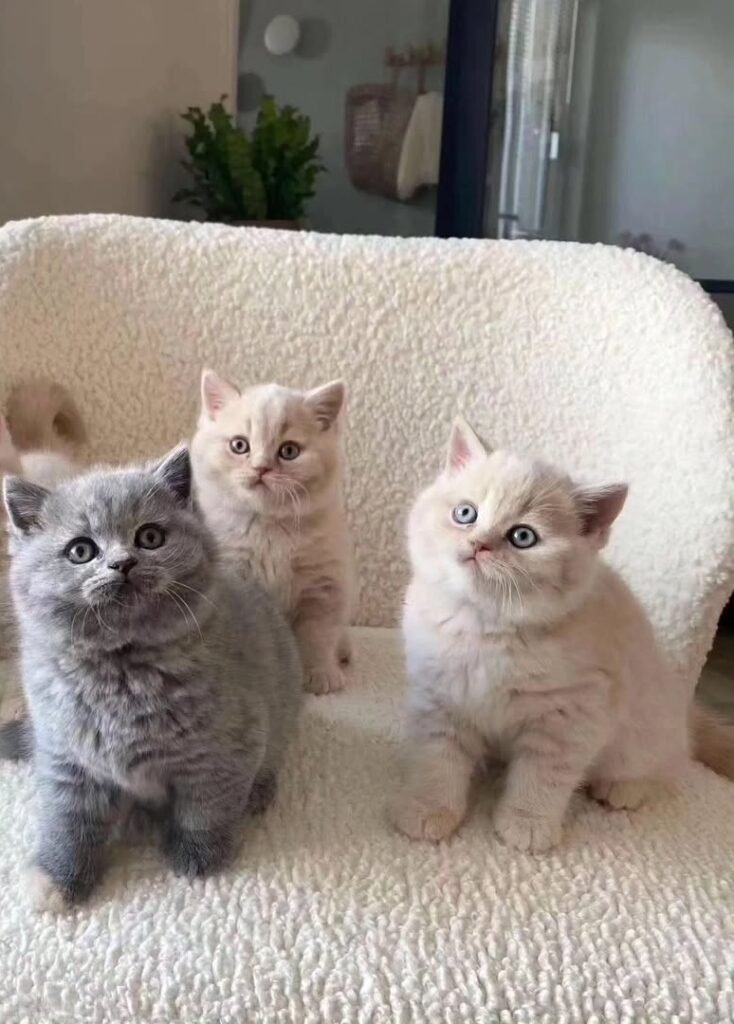
In recent years, the British Shorthair Orange has emerged as one of the most sought-after feline companions in American households. Known for their striking appearance, charming personalities, and affectionate nature, these cats have captivated the hearts of pet lovers across the country. As social media showcases their playful antics and delightful features, more families are embracing these adorable companions, leading to a surge in their popularity. This article delves into the reasons behind this trend, exploring the unique traits of British Shorthair Oranges, their appeal to American cat owners, and what the future may hold for this beloved breed in homes nationwide.
The Rise of British Shorthair Oranges in America
Historical Overview of the Breed
British Shorthairs are no ordinary felines; they boast a history as rich as a double cream scone. Originating in Britain, they were the original working-class cats, prowling around farms and hunting vermin. The breed’s journey took a turn in the late 19th century when they strutted their stuff at cat shows, capturing the hearts of those with a penchant for fluff. Fast forward to the present, and it seems the orange variant, with its charmingly chubby cheeks and dreamy demeanor, is making its way across the pond, enchanting American households like never before.
Current Popularity Trends
Recent trends indicate that British Shorthair Oranges are the new black—or orange, rather! Social media is flooded with adorable photos of these feline beauties, garnering likes and followers faster than a cat can chase a laser pointer. Pet adoption rates are skyrocketing, and breed availability has expanded thanks to the increased demand. Cat cafes, shelters, and breeders across the U.S. are reporting a shocking uptick in interest, as Americans are suddenly realizing the charm of this fuzzy orange ambassador of joy.
Distinctive Traits of the British Shorthair Orange
Physical Characteristics
When it comes to looks, British Shorthair Oranges are the posh models of the cat world. Their plush, dense fur—reminiscent of a perfectly baked biscuit—has a stunning orange hue, which can range from a soft peach to a vibrant pumpkin. Their round faces are framed by sturdy necks and chubby cheeks that scream, “I’m adorable, pet me!” With their large, round eyes and stocky build, these cats are like cuddly little teddy bears brought to life, ready to snuggle or lounge like the royalty they think they are.
Personality and Temperament
If their looks are anything to write home about, their personality is equally captivating. British Shorthair Oranges are known for their calm and laid-back demeanor, often adopting a “chill” attitude that makes them the perfect couch companions. They can be playful when the mood strikes but are also masters of the art of relaxation, often found napping in the sun. With a reputation for being good-natured and affectionate, these cats are more than just pretty faces—they’re the friends we didn’t know we needed.
Why Americans are Falling in Love with this Breed
Affectionate Companionship
What’s not to love about a cat that gives you the warm fuzzies? British Shorthair Oranges are known for their affectionate nature, often forming strong bonds with their human counterparts. They’ll follow you around the house like a loyal shadow, ready to curl up on your lap or nudge your leg for some much-deserved attention. This breed’s loving and gentle demeanor makes them perfect for families, singles, and everyone in between—because let’s be honest, who can resist a cat that has perfected the art of snuggling?
Low Maintenance and Adaptability
For those of us who are juggling a busy lifestyle, British Shorthair Oranges are a dream come true. Their low-maintenance grooming needs (thanks to their short, thick coat) mean less time spent on cat spa days and more time for belly rubs. Plus, they adjust well to various living situations, from cozy apartments to spacious homes with sprawling backyards. They’re not overly demanding, making them ideal companions for anyone who wants to enjoy the perks of cat ownership without the high-maintenance drama.
Health and Care Considerations for British Shorthair Oranges
Common Health Issues
Like any breed, British Shorthair Oranges come with their own set of potential health issues. While they’re generally robust and hearty, be wary of genetic conditions such as hypertrophic cardiomyopathy (HCM) and hip dysplasia. Regular check-ups, a watchful eye on their weight (those cute cheeks can be deceiving!), and a good relationship with your vet can help you avoid any feline drama down the road.
Diet and Nutrition Requirements
Feeding your British Shorthair Orange is like hosting a fancy dinner party—quality matters! To keep them in their prime, opt for high-quality cat food that meets their nutritional needs, ensuring it’s rich in protein while keeping pesky fillers at bay. Portion control is key; these kitties can easily become couch potatoes if left to their own devices. A balanced diet paired with a sprinkle of playtime will keep your purring companion healthy and happy, leaving you with one less thing to worry about.
The Impact of Social Media on Pet Adoption Trends
Influencers and Their Role
Social media has transformed the way we adopt pets—thanks to influencers showcasing their adorable furry companions. With the click of a button, a perfectly posed British Shorthair Orange can go from “just another cute cat” to an internet sensation, pushing their adoption rates through the roof. These online cat dignitaries demonstrate the breed’s charming personality and striking looks, making them irresistible to potential owners scrolling through their feeds. Brands, memes, and viral videos help cat lovers realize that they, too, can have the real-life equivalent of a living teddy bear lounging on their couch.
Visual Appeal of British Shorthair Oranges
Let’s face it—British Shorthair Oranges are like the supermodels of the feline world. With their plush, round faces and plushy bodies, they are a visual feast. Their orange coats are not just a color; they’re a mood! This striking appearance makes for easy social media stars, capturing hearts (and likes) on platforms like Instagram and TikTok. Each image of their candy-colored fur and those mesmerizing big, round eyes just begs to be shared, creating a viral cycle that only boosts their desirability and, subsequently, adoption rates. If a cat can have a following, these orange darlings have the potential for a global fanbase!
Comparing British Shorthair Oranges to Other Popular Breeds
Similar Breeds and Their Differences
While the British Shorthair Orange may be stealing the limelight, they aren’t the only cats purring around the block. Breeds like British Longhairs, Scottish Folds, and even the American Shorthair bring their own flair to the table. However, the British Shorthair Orange stands out with its stocky build, charming vocabulary of meows, and endearing, laid-back demeanor. Scottish Folds, for example, may have those cute folded ears, but they can be a bit high-maintenance. Meanwhile, the British Shorthair keeps life simple: cuddle, nap, repeat.
Why Choose British Shorthair Over Other Breeds?
The age-old question: why pick one breed over another? For starters, British Shorthair Oranges embody the best of both worlds—they’re affectionate enough to be your cuddle buddy but independent enough to keep their own company when you’re busy. Plus, their unique personality makes them conversation starters. With a British Shorthair Orange, you’re not just adopting a pet; you’re gaining a fluffy friend who can ease your worries and bring a sweet touch to even the blandest of days. So, if you want a companion who’s as chill as a weekend afternoon, look no further!
Real-Life Stories: Happy Owners of British Shorthair Oranges
Testimonials from Owners
Don’t just take our word for it—let the happy owners of British Shorthair Oranges do the talking! One ecstatic adopter named Lucy swears by her orange fluffball, Max, saying, “He’s like a tiny, furry therapist who doesn’t charge by the hour!” Another owner, Tom, chirps in, “My British Shorthair is like a potato on four legs—he’s the king of naps and the ruler of my heart.” Their glowing testimonials alone have created an army of potential adopters, each dreaming of their own British Shorthair Orange cuddle buddy.
Adoption Success Stories
If you’re wondering whether the leap into adopting a British Shorthair Orange is worth it, look no further than success stories like those from local shelters. After they showcased these orange cuties on social media, adoption rates skyrocketed. Many cats who were once overlooked found loving homes, transforming lives and creating lasting bonds. One particularly heartwarming story features a British Shorthair named Ginger who went from being a shelter resident to a viral sensation. Now, Ginger is an Instagram star, proving that with a little social media magic, every cat can find their forever home.
The Future of British Shorthair Oranges in American Households
Predictions for Increased Popularity
As the British Shorthair Orange continues its reign as the “it” cat, experts predict that their popularity will only grow. With their charming personalities and photogenic appeal, they’re set to become the most sought-after felines in America. More shelters and breeders are likely to ramp up their offerings of these orange cuties, catering to the ever-increasing demand. With a little luck, and a whole lot of cuteness, every cat lover will soon find themselves falling under the spell of these captivating cats.
Potential Challenges Ahead
However, not all that glitters is gold. While the British Shorthair Orange is winning hearts, potential challenges could arise, such as overbreeding and health concerns associated with popularity. As their demand surges, some breeders might prioritize quantity over quality, potentially leading to genetic issues down the line. Plus, with such a rapid rise in adoption rates, some owners may find themselves unprepared for the commitment that comes with caring for these lovable furballs.
Frequently Asked Questions
1. What are the main characteristics of British Shorthair Oranges?
British Shorthair Oranges are known for their round faces, dense coats, and large, expressive eyes. They typically have a calm and friendly demeanor, making them great companions.
2. How do I care for a British Shorthair Orange?
Caring for a British Shorthair Orange involves regular grooming, a balanced diet, and routine veterinary check-ups. They require moderate exercise and enjoy interactive playtime.
3. Are British Shorthair Oranges good with children and other pets?
Yes, British Shorthair Oranges are generally known to be good with children and other pets. Their friendly and tolerant nature allows them to adapt well to family environments.
4. What should I know before adopting a British Shorthair Orange?
Before adopting, it’s important to consider their social needs, potential health issues, and the commitment required for their care. Researching the breed and connecting with reputable breeders or shelters is essential for a successful adoption.