
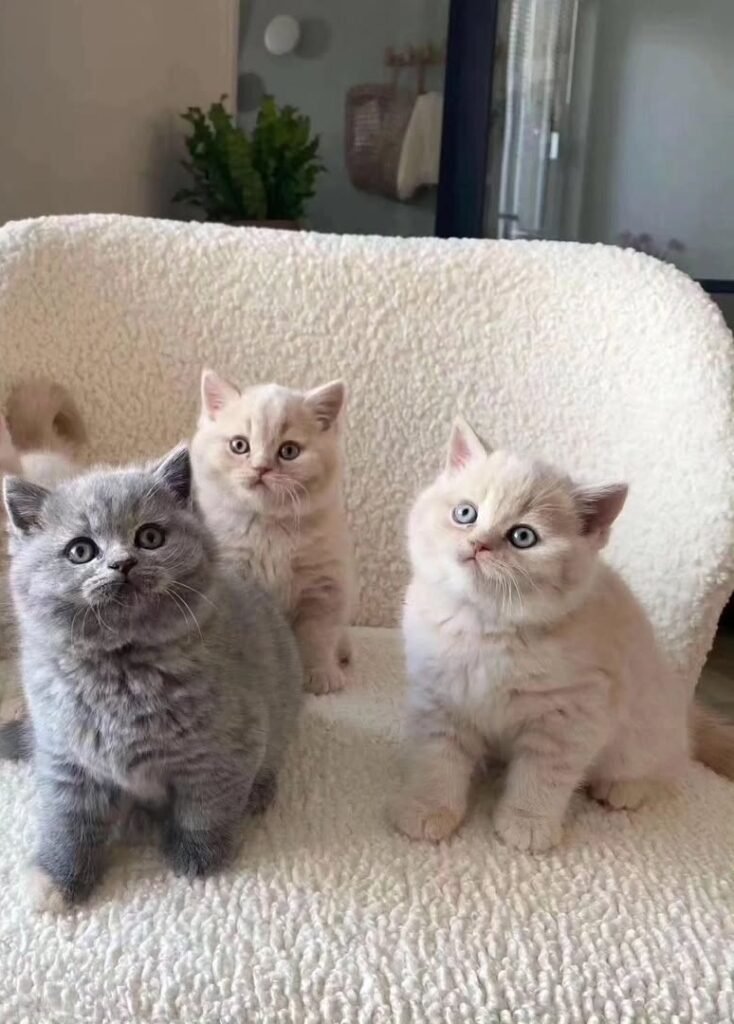
The British Shorthair Orange is a captivating breed known for its striking appearance and charming demeanor. With its plush, dense coat and round, expressive eyes, this cat not only stands out in a crowd but also endears itself to cat lovers around the world. This guide delves into the unique traits of the Orange British Shorthair, exploring its rich history, physical characteristics, temperament, and care requirements. Whether you are considering adding one of these delightful felines to your family or simply want to learn more about this popular breed, understanding their distinctive qualities will enhance your appreciation for these lovable companions.
Overview of the British Shorthair Breed
The British Shorthair is the quintessential cat of the British Isles, known for its sturdy build, round face, and dense coat. With their charming appearance and calm demeanor, these fluffy companions have stolen the hearts of many cat lovers. Their easy-going nature makes them perfect for both families and singles, as long as they get plenty of love and a sunbeam to lounge in.
History and Origin
The history of the British Shorthair dates back to the Roman conquest of Britain. Roman soldiers brought cats with them to control the rodent population, resulting in the development of this robust breed. Over the years, the British Shorthair evolved, gaining popularity in the 19th century due to its unique appearance and charming personality. Thankfully, they did not become extinct during World War II, and now they thrive as one of the most beloved breeds worldwide.
Breed Standards and Recognition
British Shorthairs are recognized by major cat registries like The International Cat Association (TICA) and the Cat Fanciers’ Association (CFA). They boast a few breed standards that highlight their distinctive features—most notably, their round faces, chubby cheeks, and thick, plush coats. These standards ensure that every British Shorthair maintains the unique characteristics that make them so endearing, including their sturdy bodies and charming “grumpy” expressions.
Distinctive Coloration of Orange British Shorthairs
When it comes to color options, the British Shorthair doesn’t shy away from being fabulous. The orange variant—or “red” as some purists call it—adds a delightful splash of vibrance to the breed’s already charming palette.
Understanding the Orange Color Variant
The orange British Shorthair is a striking sight, characterized by its warm, rich color that can range from a soft ginger to a deep copper. Unlike a traffic cone, however, these cats blend effortlessly with their surroundings, especially when it comes to warm sunny spots. The orange hue is a result of a specific genetic makeup, which also influences their delightful personality traits. Many believe that orange cats are just a little bit more sassy!
Color Patterns and Variations
While the orange coat can be predominantly solid, British Shorthairs can also sport unique patterns, such as tabby stripes or spots. Classic tabbies can have flashy swirls or an intriguing mackerel pattern, resembling an artist’s whimsical brushwork. It’s like each cat is wearing its own piece of fine art, making it tough to resist those mesmerizing fur coats.
Physical Characteristics and Features
British Shorthairs are the feline equivalent of a cozy teddy bear, and their appearance tells you everything you need to know about their loving nature.
Body Structure and Size
With a solid, muscular build, British Shorthairs are stocky and compact, often weighing between 9-18 pounds (4-8 kg), depending on their gender and lifestyle choices—ahem, snacks. Their strong bones support a wide chest, giving them an air of dignified strength. You won’t find a frail British Shorthair here; they exude healthiness and robustness.
Eye Color and Facial Features
One of the most charming features of the British Shorthair is its round face, accentuated by large, expressive eyes. While the classic version has copper-colored eyes, some orange variants can surprise you with gold or even green peepers. It’s almost as if they’re trying to hypnotize you into giving them more treats! Their short, broad nose adds to their adorable “grumpy cat” look, making them irresistibly cute.
Temperament and Behavioral Traits
Now, if you think an orange British Shorthair is just a pretty face, think again! These cats come with a delightful personality that makes them the perfect companion for just about anyone.
Personality Overview
British Shorthairs are known for their calm, easy-going temperament. They’re the laid-back friends who won’t judge you for binge-watching an entire season of your favorite show. These affectionate cats enjoy cuddles but also appreciate their independence, making them the ideal mix of love and “me-time.” They aren’t overly demanding, so their idea of a great day might just involve lounging somewhere sunny with their favorite toy.
Social Behavior with Humans and Other Pets
Social butterflies in their own right, British Shorthairs are generally friendly and adaptable, getting along well with humans, children, and other pets. They’re not the type to cause drama at the feline social club, preferring collaborative play over territorial tiffs. Just make sure to introduce them to new friends slowly—after all, who likes a surprise party? Their genial nature makes them the ultimate furry roommate, always ready for a warm cuddle session or a friendly game of chase.
Care and Maintenance Tips
Diet and Nutrition
To keep your British Shorthair Orange feeling like the royalty they are, invest in high-quality cat food rich in protein. These fluffy felines can be prone to obesity, so watch their portions and sprinkle in a few veggies on the side—just avoid anything that might turn their noses up, like peas (seriously, what cat likes peas?). Always provide fresh water and consider a balanced diet to maintain their gorgeous orange coat and overall health.
Grooming Requirements
Caring for their dense, plush coat is key to keeping them looking fabulous. Brush your British Shorthair Orange at least once a week to minimize shedding and hairballs—because no one wants a surprise furball during a dramatic movie moment. Bathe them occasionally if they get into something messy (like that time they thought the litter box was a sandbox) but don’t overdo it. Their coats naturally repel dirt, so a little brushing is usually all they need.
Exercise and Mental Stimulation
These cats may look like living teddy bears, but they still need their daily dose of playtime to stay fit and happy. Engage them with interactive toys, feather wands, or even laser pointers (just don’t point it in their eyes, please). Schedule play sessions that mimic hunting behaviors, and watch them leap and pounce like the true predators they are—disclaimer: no actual prey needed. Puzzle toys are also great for mental stimulation; it keeps their minds sharp and diminishes the risk of boredom-induced mischief (catnip extravaganza, anyone?).
Health Considerations
Common Health Issues
British Shorthairs are relatively healthy, but they do come with a few quirks. They can be prone to obesity (a bit too much cuddling, perhaps?) and heart conditions like hypertrophic cardiomyopathy. Regularly monitor their weight and keep an eye on any unusual lethargy or breathing issues. Eye conditions and dental issues can also arise, so keep those pearly whites shining and their adorable peepers checked.
Regular Veterinary Care
Scheduled veterinary check-ups are essential for your feline’s well-being. Those adorable orange fluffballs need vaccinations, dental cleanings, and occasional “let’s talk about your diet” chats with the vet. Missing regular check-ups can lead to serious health issues down the line, so stay on top of their healthcare—I promise, they won’t mind the car ride (much).
Training and Socialization Techniques
Basic Training Tips
Yes, cats can be trained! The key is to keep it fun and rewarding. Use treats and positive reinforcement to encourage desired behaviors. Teach your British Shorthair Orange basic commands like “sit,” “stay,” or even “come here, you magnificent creature.” Start training early while they’re still impressionable—just be patient, as they may choose the “not interested” route occasionally (but who can blame them for being a bit sassy?).
Importance of Socialization
Socializing your British Shorthair Orange isn’t just a good idea; it’s essential for a well-rounded kitty. Expose them to different environments, people, and even other pets (if they’re accepting of the idea). The earlier you start, the better. This helps to reduce anxiety and makes them more adaptable to life’s little surprises—like the vacuum cleaner or an unexpected visit from Aunt Mildred.
Conclusion: The Appeal of Orange British Shorthairs
Summary of Unique Traits
The British Shorthair Orange is not just a pretty face; they’re charming, affectionate, and maintain a perfect balance of playful and laid-back. With their striking color, dense fur, and adorable round faces, it’s hard to resist their appeal. Add a touch of personality (and that signature sass), and you have a delightful companion that can turn any home into a loving haven.
Why They Make Great Companions
These cats embody the perfect companion spirit. Their easygoing nature makes them suitable for families, singles, and everyone in between. Plus, their ability to entertain themselves means you don’t have to play the role of a full-time entertainer. With the right care and love, your British Shorthair Orange will shower you with affection, making every day a little brighter with their cheerful presence.In conclusion, the British Shorthair Orange is a remarkable breed that combines beauty and personality in one delightful package. Their distinct traits, playful nature, and affectionate demeanor make them excellent companions for families and individuals alike. By understanding their needs and characteristics, you can ensure a happy and healthy life for your Orange British Shorthair, enriching your home with their unique charm and companionship.
Frequently Asked Questions
1. How do I care for an Orange British Shorthair’s coat?
Regular grooming is essential to maintain the health of their dense coat. Brush them at least once a week to remove loose hair and minimize shedding. You may need to increase the frequency during shedding seasons.
2. Are Orange British Shorthairs good with children and other pets?
Yes, Orange British Shorthairs are known for their gentle and friendly temperament, making them great companions for children and other pets. Early socialization helps them adapt well to various environments.
3. What is the typical lifespan of a British Shorthair Orange?
On average, British Shorthair cats live between 12 to 20 years. Proper care, regular veterinary check-ups, and a healthy diet can contribute to a longer, healthier life.
4. Do Orange British Shorthairs have any specific health issues?
While generally healthy, British Shorthairs can be prone to certain genetic conditions, such as hypertrophic cardiomyopathy (HCM). Regular vet check-ups and monitoring can help catch potential issues early.