
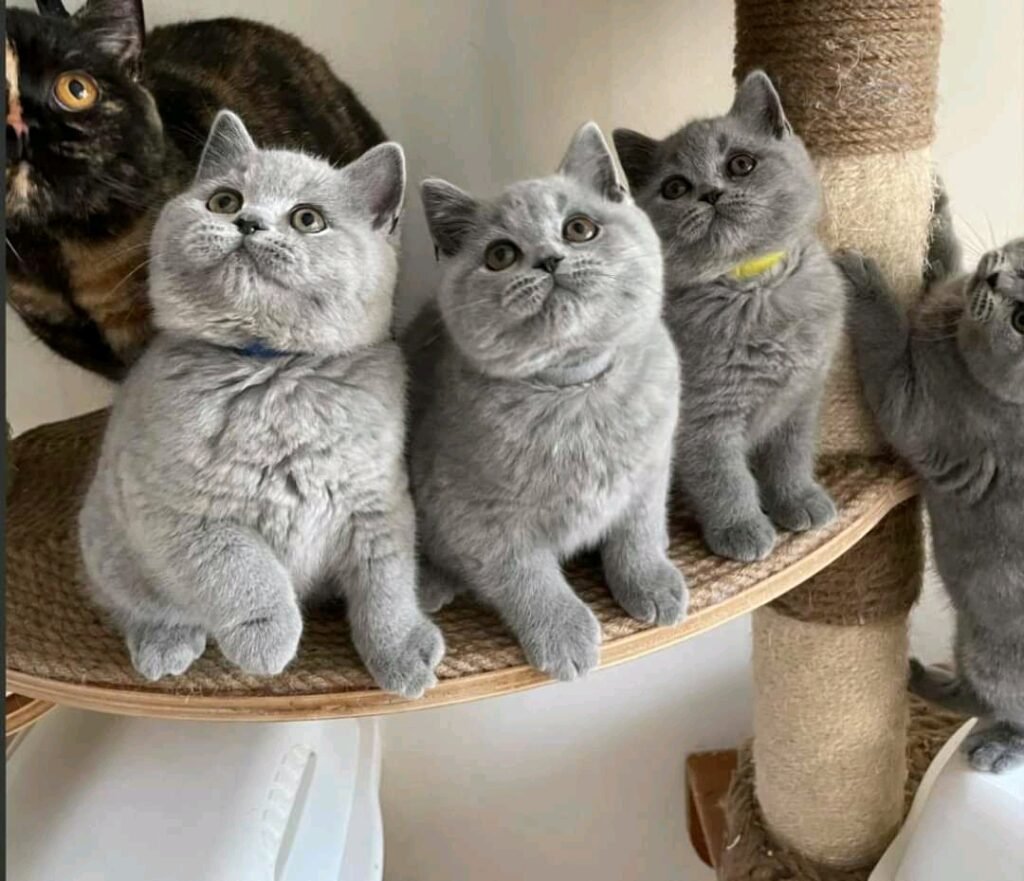
The British Shorthair is a beloved breed known for its robust physique, plush coat, and charming demeanor. Among its various color variants, the orange British Shorthair stands out with its striking hue and distinctive personality traits. This article delves into the unique characteristics, history, and care requirements of the orange British Shorthair, while also exploring its rising popularity in homes around the world. Whether you’re a prospective owner or simply an admirer of this captivating breed, understanding its traits and needs can enhance your appreciation and help you make informed decisions when considering adding one to your family.
Overview of the British Shorthair Breed
The British Shorthair is the cuddly teddy bear of the cat world. With their stocky build, round faces, and dense coats, they look like they were designed to be the purr-fect companion. These cats are famous for their laid-back demeanor and easygoing nature, making them ideal pets for families, singles, and everyone in between.
Physical Features
British Shorthairs are like the muscle cars of feline architecture. They have a broad, rounded head, large round eyes, and chunky cheeks that make them look perpetually surprised (or just incredibly cute). Their sturdy bodies are supported by thick, muscular legs, and their tails are short but thick – perfect for wrapping around your legs while you try to work from home.
Coat Colors and Patterns
These cats come in an impressive array of colors and patterns, including classic blue, cream, and black. The coat is short, dense, and plush, which gives them that irresistible squishy feel when you snuggle them. While their uniform color is lovely, it’s the patterns—like tabby or color-point—that add flair and personality to their appearance.
Size and Weight
British Shorthairs are robust felines, typically weighing between 9 to 18 pounds, depending on whether they’ve been sneaking extra treats from the pantry. Males are generally larger than females, but both genders share a common trait: their compact, muscular bodies give them a sturdy, solid appearance that belies their playful nature.
Characteristics of the Orange British Shorthair
There’s something undeniably regal about an orange British Shorthair. Their vibrant coats and charming personalities make them a standout in any room. But what truly sets them apart? Let’s dive in!
Distinctive Color Traits
The orange British Shorthair boasts a rich, warm hue that can range from a light, almost golden shade to a deep, fiery orange. Their coat typically carries a tabby pattern, with faint stripes or spots that add a touch of charm. The color is not just visually striking; it’s often associated with a lively and affectionate personality that warms the heart.
Comparative Analysis with Other Colors
While all British Shorthairs are lovely, orange ones seem to have a special glow. Compared to their blue or black counterparts, orange Shorthairs often appear more playful and sociable. They’ve got a bit more zest for life, and their sunny disposition makes them irresistible to cat lovers. But let’s be honest – all colors have their own unique charm; it just depends on which one speaks to you.
Genetics Behind the Orange Coat
The fascinating genetics of the orange British Shorthair come down to a single gene known as the “orange gene.” This remarkable gene in the X chromosome is responsible for creating that beautiful orange coat. Interestingly, because of the way X-linked inheritance works, most orange cats are male. So, if you ever find yourself with a sassy orange queen, know that she’s quite the genetic anomaly!
History and Origins of the British Shorthair
The British Shorthair’s history reads like a feline fairytale, with roots going back centuries. From noble companions to working cats, their story is as rich as their plush coats.
Early Beginnings in Britain
These cats can trace their ancestry back to Roman times when they were brought to Britain to control the rodent population. With their strong build and hunting prowess, they quickly became an essential part of British households. Over the years, they morphed from farm cats into beloved pets, capturing the hearts of the populace with their laid-back attitude and adorable looks.
Influence of Other Breeds
While the British Shorthair has its roots firmly planted in British soil, their modern appearance was influenced by crossbreeding with Persian and other breeds. This deliberate mixing improved their coat texture and color diversity. Thankfully, this blend retained their original charm while giving us these delightful, plushy companions we adore today.
Development of the Orange Variant
The orange variant of the British Shorthair emerged from genetic mutations within the breed, taking the spotlight in the early 1900s. Breeders appreciated their playful nature and stunning color, giving rise to a growing population of these sunbeam-colored cuties. Over the years, the orange British Shorthair has become a favorite among cat enthusiasts worldwide, proving that orange cats truly bring sunshine into our lives!
Care and Maintenance for Orange British Shorthairs
Owning an orange British Shorthair is like having a fluffy ray of sunshine in your home. But like any feline friend, they come with their own set of care instructions to keep them happy and healthy.
Feeding Guidelines
To keep your orange ball of fluff in tip-top shape, a balanced diet is essential. High-quality cat food formulated for their age, weight, and activity level will keep them energized and prevent them from turning into plump little potatoes. Be mindful of portion sizes, and remember: no matter how much they beg, that extra piece of chicken on your plate isn’t going to magically teleport into their food bowl!
Grooming Needs
Fortunately, the short coat of the British Shorthair requires minimal maintenance. Regular brushing (about once a week) keeps their coat looking its best and reduces shedding around your home. And let’s face it, who doesn’t love the excuse to bond during grooming time? Just don’t be surprised if they insist on helping by “supervising” from your lap!
Exercise Requirements
While these felines may have a reputation for being laid-back, they still need their playtime! Providing interactive toys, scratching posts, and play sessions will keep them fit and mentally stimulated. An orange British Shorthair enjoys a good chase, whether it’s a feather toy or an errant piece of string. Just make sure you’re not too much of a couch potato yourself, or you might find yourself on the losing end of a play battle!
Personality Traits and Temperament
General Behavior Characteristics
British Shorthair oranges are like the friendly neighborhood cats of the feline world. Calm and laid-back, they embody the “chill” vibe, often opting for a nap in the sun over a game of chase. These cats are not just pretty faces; they are also quite affectionate, forming strong bonds with their humans. With a robust build and a round, inviting face, they have mastered the art of adorableness, and their playful yet gentle demeanor makes them perfect companions for families and singles alike.
Socialization with Humans and Other Pets
Social butterflies, these cats are known for their sociable nature. They thrive on human interaction and love to be in the thick of things. Whether you’re entertaining friends or just binge-watching your favorite show, expect your orange British Shorthair to be your furry sidekick. They usually get along well with other pets, too, often treating them as honorary siblings. Just remember, they might try to take over the bed—because why sleep on the floor when you can be the king of the castle?
Training and Intelligence
While they may not be the Einsteins of the cat world, British Shorthairs are surprisingly intelligent and trainable. Equipped with a good combination of curiosity and willingness to please, they can learn tricks and even walk on a leash—if they feel like it. Consistency is key here, and a sprinkle of patience will go a long way. Just be prepared for the occasional cat-titude if they decide they’ve had enough of your instructions.
Health Considerations for British Shorthairs
Common Health Issues
Like all breeds, British Shorthairs come with their own set of potential health hiccups. The most common issues include obesity (because we all know they can’t resist a good treat), heart disease, and hip dysplasia. Regular check-ups can help catch any problems early, giving your fluffy friend the best chance for a long, happy life.
Routine Veterinary Care
A visit to the vet might not be a cat’s idea of a good time, but it’s crucial for maintaining their health. Routine check-ups, vaccinations, and dental care are not just for humans, guys! Regularly scheduled vet visits will help catch any sneaky signs of illness before they become full-blown dramas. Just make sure to bring some treats to bribe that feisty feline into the carrier.
Preventative Health Measures
Preventing health issues often feels like playing a game of cat and mouse—except you’re the one doing all the running. A balanced diet, regular exercise, and maintaining a healthy weight can help fend off obesity-related problems. Investing in quality food and cat toys (because, yes, they require a gym too) will pay off in purrs and cuddles down the line. Don’t forget to keep up with vaccinations to keep those pesky bugs at bay!
Popularity and Demand for Orange British Shorthairs
Market Trends and Pricing
Orange British Shorthairs are the trendsetters of the cat world—everyone wants a piece of their fluffy, warm charm. Due to their rarity, the price tag can be on the higher side, and it can fluctuate based on the breeder and the cat’s lineage. Expect to pay a pretty penny for these orange wonders, but remember, you’re investing in a lifetime of cuddles and companionship.
Impact of Social Media and Pop Culture
Thanks to the wonders of social media, these charismatic furballs are quickly achieving celebrity status. Instagram and TikTok are flooded with adorable videos of orange British Shorthairs, showcasing their quirky personality and fluffy antics. Pop culture references and memes have only added to their charm, elevating them from mere pets to Instagram influencers. Prepare yourself; your cat may be more famous than you!
Breeder Insights
When it comes to breeders, finding the right one is crucial for securing a healthy and happy orange British Shorthair. Reputable breeders prioritize health testing, socialization, and early development of their kittens. They are typically passionate about the breed and can provide valuable insights into your new furry friend’s personality and care needs. So, ask questions and sniff out the best options before deciding—just like your cat would!
Tips for Adopting an Orange British Shorthair
Choosing a Reputable Breeder
Finding a reputable breeder is like looking for gold in a haystack—well, hay is good for scratching, but you get the point. Look for breeders who are certified, transparent about their practices, and willing to answer your questions. A good breeder will not only provide you with a healthy kitten but will also ensure you know everything there is to know about them.
Preparing Your Home for a New Pet
Before welcoming your fluffy bundle of joy, you’ll need to prepare your home like you’re hosting a royal gala. Make sure the space is safe and secure—no loose wires or precarious shelves waiting to be toppled. Invest in scratching posts, toys, and cozy spots for napping so your new mate feels right at home.
Understanding Adoption Fees and Contracts
Adoption fees might feel like a hefty price for a ball of fluff, but they usually cover vaccinations, microchipping, and the initial health check. Always read the adoption contract carefully and make sure you understand the obligations involved—because bringing home an orange British Shorthair is a long-term commitment, not a fleeting romance!In conclusion, the orange British Shorthair is a delightful breed that combines beauty with a gentle and affectionate nature. Their unique charm and striking appearance make them a wonderful addition to any household. By understanding their specific needs and characteristics, potential owners can ensure a happy and healthy life for their furry companions. Whether you’re considering adoption or simply wish to learn more about this captivating breed, the orange British Shorthair exemplifies the perfect blend of companionship and character.
FAQ
What is the average lifespan of an orange British Shorthair?
The average lifespan of an orange British Shorthair is typically between 12 to 20 years, depending on their overall health and care.
Are orange British Shorthairs prone to specific health issues?
Like other British Shorthairs, orange variants can be prone to certain health issues such as hypertrophic cardiomyopathy (HCM) and obesity, making regular veterinary check-ups essential.
How much grooming do orange British Shorthairs require?
Orange British Shorthairs have a dense coat that benefits from regular grooming, ideally once a week, to reduce shedding and prevent matting.
Can orange British Shorthairs get along with other pets?
Yes, orange British Shorthairs are generally sociable and can get along well with other pets, especially if they are properly socialized from a young age.