
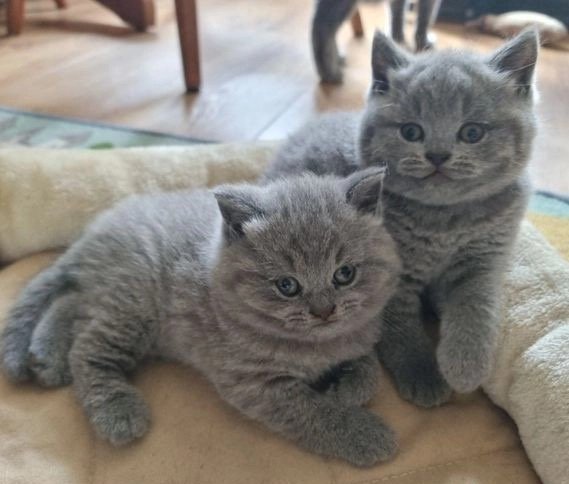
Finding the perfect British Shorthair can be an exciting yet challenging journey for prospective cat owners. Known for their charming personalities and distinctive looks, British Shorthairs are a beloved breed that requires careful consideration when selecting a breeder. To ensure a healthy and happy kitten, it’s crucial to ask the right questions and understand what to look for in a reputable breeder. This article will guide you through the essential aspects of finding the ideal British Shorthair, from understanding the breed’s characteristics to evaluating breeder practices, ultimately helping you make an informed decision as you welcome a new feline companion into your home.
Understanding the British Shorthair Breed
History and Origins
The British Shorthair has a history as rich as a cup of English tea. This breed dates back to Roman times when cats were brought to Britain to keep rodents at bay. Over the centuries, they’ve evolved from working cats to the charming companions we know today. With their sturdy build and plush coats, these cats have been celebrated in literature and art, making them a true British icon—think of them as the aristocrats of the feline world!
Physical Characteristics
British Shorthairs are perhaps best recognized for their round faces, short legs, and dense, plush fur that begs to be stroked. They boast a broad chest and a thick tail, giving them a stocky appearance that’s simply irresistible. Their big, copper-gold eyes can melt even the coldest of hearts. And let’s not forget their varied color palette—from classic blue to cream, tabby, and even calico—these cats have a style for everyone!
Common Health Issues
While British Shorthairs are generally healthy, they can be prone to a few quirks. One major concern is hypertrophic cardiomyopathy (HCM), a heart condition that can affect middle-aged cats. Additionally, they may suffer from obesity if their diet isn’t monitored—because who can resist those pleading eyes when it’s dinner time? Regular vet visits and a balanced diet can go a long way in ensuring your furry friend stays fit and fabulous.
Importance of Choosing a Reputable Breeder
What Defines a Reputable Breeder?
A reputable breeder is like a trusted friend who knows their stuff. They prioritize the health and well-being of their cats over profit, ensuring that their breeding practices are ethical and responsible. Look for breeders who are transparent about their breeding goals, provide health clearances for their cats, and are involved in breed clubs. They’ll likely have a wealth of knowledge about British Shorthairs and will happily share it—kind of like your overly enthusiastic friend who can’t stop talking about their latest obsession.
The Impact of Poor Breeding Practices
Let’s face it—poor breeding practices can lead to a whole host of issues, from genetic disorders to behavioral problems. Cats bred in less-than-ideal conditions may experience health issues or temperament problems, which can lead to a lifetime of vet bills and heartbreak. Basically, a bad breeder is like a bad haircut—one wrong snip can lead to a lot of regret! So, take your time and choose wisely; your future feline companion deserves the best.
Key Questions to Ask Potential Breeders
About the Breeder’s Experience
Don’t be shy—ask potential breeders about their experience. How long have they been breeding British Shorthairs? Have they participated in any cat shows or breed clubs? A seasoned breeder will be more than happy to share their journey and passion for these cuddly companions. Plus, their experience can assure you that they really know what they’re doing—nobody wants to end up with the cat version of a DIY project gone wrong!
Questions Regarding the Kittens’ Background
Inquire about the kittens’ lineage and upbringing. Are the parents tested for health issues? How many litters has the mother had? Ideally, you want to know that the kittens are not just adorable fluff balls, but also come from a long line of healthy and well-cared-for cats. This information can help you gauge the likelihood of future health issues and give you some peace of mind as you prepare to welcome your new furry friend.
Inquiries About Socialization and Early Care
It’s essential to know how the kittens were raised. Ask about the environment they’ve been in and whether they’ve been socialized with people and other animals. Well-socialized kittens tend to grow into well-adjusted adults, so you want to make sure your future cuddle buddy hasn’t spent their early days hidden under a sofa. A good breeder will have plenty of funny stories about their kittens’ antics and will ensure that they’re ready for a loving home.
Assessing Breeder Practices and Ethics
Breeder’s Living Conditions and Environment
You wouldn’t buy a house without checking the neighborhood, right? The same goes for selecting a breeder. Visit their facilities and observe their living conditions. Are the cats well-cared for and in a clean, spacious environment? A reputable breeder will take pride in their setup and be happy to show you around. If the kittens are living in cramped or unsanitary conditions, it’s best to steer clear—there are plenty of fish in the sea (or cats in the shelter)!
Transparency and Communication
Good communication is key! A reputable breeder will be open and transparent about their practices, health screenings, and any questions you might have. They should encourage you to ask anything you’d like and provide thorough answers. If they seem dodgy or evasive, it’s probably a sign you should look elsewhere. Your cat is a family member, and you want to ensure that you have a solid relationship with someone who genuinely cares about them as much as you do.
Evaluating the Health and Welfare of Kittens
Health Screenings and Documentation
When searching for that purr-fect British Shorthair, don’t skip the health screenings. Ask breeders about any genetic testing done on the parents and the kittens. This includes screenings for common breed-specific health issues, such as hypertrophic cardiomyopathy (HCM). Request documentation; if a breeder hands you a folder of health clearances, they’re likely a responsible one. If they pause and mumble about “just fine,” it’s time to pick up your search.
Vaccination and Veterinary Care
Like a passport to a happy life, vaccinations are crucial for your kitten’s well-being. A responsible breeder should provide a record of all vaccinations administered. Inquire about the vet’s role in the kitten’s life so far—did they visit like clockwork or is the vet just a distant figure in a blurry photo? A solid veterinary care history is a good indicator that your future feline friend has been well-tended to and is ready to take on the world (or at least your home).
Understanding the Breed’s Temperament and Care Needs
Personality Traits of British Shorthairs
British Shorthairs are like the cool kid at school; laid-back, friendly, and surprisingly hearty. Known for their sweet and easy-going nature, they’re often referred to as being “gentle giants.” They love to lounge but have playful streaks that catch you off guard. Ask breeders about their kittens’ personalities to ensure you’re getting a fuzzy companion that meshes well with your own vibe. You don’t want a couch potato if you’re an adventurous spirit—or vice versa!
Grooming and Maintenance Requirements
Owning a British Shorthair isn’t all about snuggles and soft fur; they do require a touch of maintenance. These stout little darlings have plush coats that can mat if left unattended. A good brush once a week will keep their fur pristine and your furniture fur-free. Additionally, dental care and nail trimming are essential parts of the grooming routine. So, if you’re not keen on hairballs or kitty nails snagging your favorite blanket, make sure you ask breeders about their grooming tips!
The Role of Contracts and Guarantees in Purchases
Understanding Purchase Agreements
Before you sign on the dotted line for your new best friend, dive into the nitty-gritty of the purchase agreement. A solid contract outlines the terms of the sale and any particular responsibilities you may have as a new cat parent. Look for clauses about spaying/neutering, and keep an eye out for those hidden “what-ifs.” A trustworthy breeder will not only provide you with clear terms but also be open to questions. If they hand you a contract as if it’s a classified document, it might be time to rethink that choice.
Health Guarantees and Return Policies
Let’s face it, life throws curveballs—even at our pets. A good breeder should offer a health guarantee for your kitten, which often covers hereditary issues for a specific period. Make sure you know what happens if your new pal turns out to be more “sneezy” than “sneezy adorableness.” Also, inquire about their return policy; a responsible breeder will want to ensure their kittens are in loving homes, even if things don’t go perfectly. If they offer a come-back option, it shows they care about the well-being of their kittens, not just the sale.
Preparing for Bringing Your British Shorthair Home
Creating a Safe and Comfortable Environment
Before your kitten arrives, set the stage for their grand entrance! Ensure your home is kitten-proofed—think of it as baby-proofing but with fur and claws. Remove any dangerous items, secure loose wires, and provide cozy hiding spots. Stock up on essentials like a litter box, scratching post, toys, and of course, a comfy bed. The better the welcome mat you roll out, the more likely your British Shorthair will feel right at home and not plot an escape!
Introducing Your New Cat to the Family
When your little fluffball arrives, it’s showtime! Introduce them gradually to family members, especially that overly excited dog or curious toddler. Use a calm demeanor (you’ve got this!) and let your kitten explore at their own pace. Remember, it’s all about first impressions. Instead of hosting an all-out family reunion, let your new feline friend acclimate to their surroundings before diving into playtime. Patience is key—just like teaching a toddler not to pull the cat’s tail (good luck with that!).In conclusion, finding the perfect British Shorthair involves more than just picking a cute kitten; it requires careful research and thoughtful inquiries to ensure a responsible and ethical breeding process. By asking the right questions and evaluating breeders thoroughly, you can increase the chances of bringing home a healthy and well-adjusted feline companion. Remember that your investment in time and effort will lead to a rewarding relationship with your new British Shorthair, bringing joy and companionship for years to come.
Frequently Asked Questions
What should I look for in a responsible breeder?
A responsible breeder should provide a clean and safe environment for their cats, share health screening documentation, and be transparent about their breeding practices. They should also prioritize the health and welfare of their cats and kittens.
How can I tell if a kitten is healthy?
A healthy kitten should be active, alert, and have bright eyes. Look for signs such as clear breathing, clean ears, and a shiny coat. Additionally, ask the breeder about health screenings and vaccinations.
What is the average cost of a British Shorthair kitten?
The price of a British Shorthair kitten can vary widely based on factors such as breeder reputation, lineage, and location, typically ranging from $1,500 to $3,000 or more.
Are British Shorthairs good with children and other pets?
Yes, British Shorthairs are generally known for their friendly and easygoing temperament, making them suitable companions for families with children and other pets, provided they are socialized properly from a young age.