
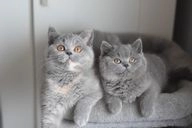
British Shorthair cats are a beloved breed known for their stocky build, dense coat, and striking appearance. With a rich history that dates back to ancient Rome, these cats have become popular companions due to their charming personalities and adaptability to various living environments. Before bringing a British Shorthair into your home, it’s essential to understand their unique traits, health considerations, and grooming needs. This comprehensive guide will provide you with all the information you need to make an informed decision about welcoming one of these delightful felines into your life.
Overview of British Shorthair Cats
Physical Appearance
British Shorthair cats are the epitome of feline charm, sporting a broad, rounded face and chubby cheeks that make them look perpetually surprised (or slightly confused). Their dense, plush coat is short but oh-so-soft, giving them a teddy bear-like appearance. With sturdy, muscular bodies, short legs, and a thick neck, they have an overall look that screams “I’m regal, but I also love the occasional catnip binge.”
Color Variations
When it comes to colors, British Shorthairs are like a box of crayons—except with more fur and less risk of breaking. They come in a dazzling array of shades, including classic blue (which resembles a smoky gray), cream, black, chocolate, lilac, and, of course, the coveted bi-color and spotted varieties. With such a palette, you can pick a British Shorthair that matches your home décor or your mood (because who doesn’t want a cat that complements their aesthetic?).
Size and Weight
These cats are not the fragile show ponies of the cat world. British Shorthairs are solidly built and can weigh anywhere from 9 to 18 pounds, depending on their gender and overall build. Males tend to be heftier, like the feline equivalent of a burly bouncer, while females are a bit lighter but just as adorable. Their robust size makes them perfect for cuddles—just be prepared to lift a cat that might weigh as much as a toddler!
Historical Background and Breed Characteristics
Origins of the Breed
British Shorthair cats have a history that dates back to the Roman Empire when cats were brought to Britain to control rodent populations (because apparently, ancient Romans didn’t just sit around building aqueducts all day). They’re considered one of the oldest cat breeds in the UK, evolving over centuries to become the beloved companions we know today.
Development Over Time
Through the ages, British Shorthairs have faced many ups and downs, including nearly disappearing after World War II. Luckily, cat enthusiasts rallied to rebuild the breed, and now they are a staple at cat shows and in homes all over the world. Their robust genetic makeup has made them a resilient breed, but don’t let that fool you into thinking they don’t require love and care—these cats thrive on attention!
Recognized Standards
The cat fancy world has taken a keen interest in British Shorthairs, resulting in recognized standards that highlight their unique features. Organizations like The International Cat Association (TICA) and The Cat Fanciers’ Association (CFA) have specific guidelines regarding their appearance and temperament, ensuring that these fluffy beauties stay true to their roots in both looks and personality.
Personality Traits and Temperament
Affectionate Nature
British Shorthairs are known for their delightful affectionate nature. They enjoy spending time with their humans, whether it’s curling up on the couch or following you around the house like your very own furry shadow. Don’t expect them to be lap cats 24/7, but when they do decide to snuggle, it’s a heartwarming experience that you’ll cherish.
Social Behaviors
These cats are generally easygoing and sociable, making them excellent companions for families or singletons alike. While they might not be as overtly attention-seeking as some other breeds, they appreciate social interaction and can often be found observing the happenings in their household with a discerning eye. They might even play the part of “Judgey Cat” when you have guests over, which can be endlessly entertaining.
Playfulness and Activity Levels
Despite their stout appearance, British Shorthairs are surprisingly playful! They can sprint across your living room like they’ve just seen a mouse or engage in epic battles with their toys (you know, the ones they’ve declared as their nemeses). Regular playtime is important for their well-being, but they balance their playful antics with a healthy dose of napping—a true masterclass in cat life.
Health Considerations and Common Issues
Genetic Conditions
Like all breeds, British Shorthairs are prone to certain genetic conditions such as hypertrophic cardiomyopathy (a fancy term for heart disease), hip dysplasia, and obesity (which can be a side effect of their love for food). Regular health checks can ensure that these lovable lumps remain happy and healthy.
Preventative Health Care
Keeping your British Shorthair in tip-top shape involves regular preventative care measures, such as a balanced diet, appropriate exercise, and, of course, pampering. Staying on top of vaccinations and dental care is key, as nobody wants a cat with bad breath stealing your heart (or your sandwich).
Regular Veterinary Check-ups
To keep your British Shorthair’s purring engine running smoothly, schedule regular check-ups with your veterinarian. A routine visit can help catch any potential issues early on and ensure your furry friend stays as spirited and snuggly as ever. Plus, your cat might just make a new best friend—after all, who doesn’t love a good cuddle with an unsuspecting vet?
Grooming and Maintenance Requirements
Coat Care
British Shorthairs are known for their plush, dense coats that feel like a fluffy cloud you can’t help but squeeze. While they aren’t high-maintenance when it comes to grooming, regular brushing (about once a week) is recommended to remove loose hair and prevent hairballs. Plus, it’s a great excuse to bond with your feline friend—what’s better than a cozy cuddle session?
Nail Trimming and Dental Health
Keeping those claws in check is essential, not just for your furniture’s sake but also for your cat’s health. Trim their nails every few weeks, and don’t worry—you’ve got a built-in excuse to use treats as bribery! As for dental hygiene, aim for a vet-approved dental routine, which may include special treats or toys that help keep plaque at bay because a healthy mouth equals a happy cat (and less fishy kitty breath!).
Bathing Tips
Unlike some of their more water-loving counterparts, British Shorthairs aren’t fans of bath time. They generally keep themselves clean, but if they get into a sticky situation (like too much catnip or an unfortunate food spill), a gentle bath may be necessary. Use a cat-specific shampoo, and remember to keep the water lukewarm. If your cat protests loudly, it’s likely they’re just expressing their opinion on your bathing skills!
Finding a Reputable Breeder
What to Look For
A good breeder is like a cat whisperer—knowledgeable, passionate, and a tad eccentric (but in a good way). Look for someone who actively participates in cat shows and breeding associations. They should prioritize health and temperament, ensuring their kittens are well-socialized and raised in a loving environment. If they seem more interested in your wallet than your cat needs, you might want to keep looking.
Questions to Ask Breeders
When meeting a potential breeder, channel your inner detective. Ask about the kitten’s health history, genetic testing, and if they offer any health guarantees. Inquire about socialization practices and even the parents’ personalities. A reputable breeder will happily showcase their adorable fur babies and provide you with all the information you need. Plus, it’ll give you a chance to show off your cat trivia knowledge—bonus points for you!
Adoption vs. Buying
When considering a British Shorthair, you can either adopt from a rescue or buy from a breeder. Adoption is often less costly and gives a kitty a second chance at happiness, while buying from a breeder typically guarantees a specific pedigree and known lineage. Whichever route you choose, remember that every cat deserves a loving home—even the ones plotting world domination from your kitchen counter!
Costs and Financial Commitment
Initial Purchase Price
Brace yourself for the sticker shock! A British Shorthair kitten typically costs between $1,500 and $3,000, depending on the breeder’s reputation and the kitten’s pedigree. This initial investment covers the genetics but remember, that’s just the tip of the financial iceberg—you’re in it for the long haul.
Ongoing Care Costs
Once your fluffy companion is home, the costs don’t stop. Budget for food, litter, routine vet visits, vaccinations, and preventive care like flea treatments and spaying or neutering. On average, expect to spend about $500 to $1,000 annually—so make sure your wallet is ready for some feline-related fun!
Emergency Medical Expenses
Just like humans, cats can have emergencies, and they never seem to happen at a good time! Set aside a kitty emergency fund because unexpected vet visits can cost anywhere from a few hundred to thousands of dollars. Consider pet insurance to help mitigate those costs, but be sure to read the fine print; not all insurance policies are created equal, and you’ll want your cat to be covered for their unique adventures.
Preparing Your Home for a British Shorthair Cat
Creating a Safe Environment
Before you welcome your new feline overlord, make your home a fortress of safety. Remove any hazardous plants, secure cords, and find a home for all those little knick-knacks that could become projectiles during an enthusiastic play session. A cat-proof home is also a happy home—just ask your sofa!
Necessary Supplies
Stock up on the essentials: a scratching post (because your furniture doesn’t need to be the designated climb-and-claw zone), litter boxes, cozy beds, and, of course, plenty of toys to stimulate those hunting instincts. Don’t forget food and water bowls—your kitty needs to hydrate between naps and snack breaks!
Introducing Your Cat to the Home
When your British Shorthair arrives, prepare for a royal entrance! Allow them to explore their new kingdom at their own pace, ideally confining them to one room initially. Gradually introduce them to the rest of the house to help reduce stress. Keep the treats flowing and your voice cheerful; soon enough, they’ll be surveying their realm (a.k.a. your living room) with a regal demeanor!In conclusion, bringing a British Shorthair cat into your home can be a rewarding experience filled with love and companionship. By understanding their unique needs and characteristics, you can ensure that both you and your feline friend thrive together. Whether you choose to adopt or buy from a reputable breeder, being well-informed will help you provide a happy and healthy environment for your new pet. Embrace the joy that a British Shorthair can bring to your life!
Frequently Asked Questions
1. Are British Shorthair cats good for families?
Yes, British Shorthair cats are known for their gentle and calm demeanor, making them great companions for families. They are typically good with children and other pets, adapting well to a family environment.
2. How much exercise do British Shorthair cats need?
British Shorthairs are moderately active cats. While they enjoy playtime and interacting with their owners, they do not require excessive exercise. Regular play sessions and interactive toys are usually sufficient to keep them engaged.
3. Do British Shorthair cats have any specific health issues?
Like all breeds, British Shorthairs are prone to certain genetic health issues, such as hypertrophic cardiomyopathy (HCM) and obesity. Regular veterinary check-ups and a balanced diet can help mitigate these risks.
4. How often should I groom my British Shorthair cat?
British Shorthairs have a dense coat that requires regular grooming, ideally once a week, to prevent matting and reduce shedding. During shedding season, more frequent grooming may be beneficial.