
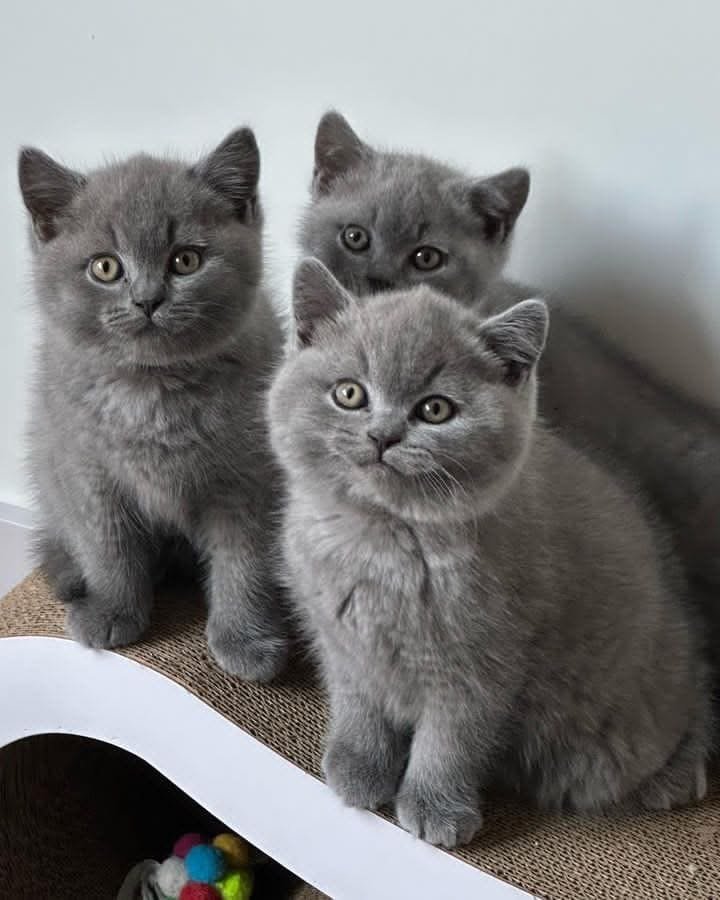
The British Shorthair cat, with its round face, plush coat, and captivating eyes, has won the hearts of cat lovers around the globe. Known for their charming demeanor and striking appearance, these felines embody a delightful blend of cuteness and character. Their easygoing nature makes them excellent companions, whether you’re a busy professional or a family with children. In this article, we’ll explore the unique traits of British Shorthairs, their history, care requirements, and why they might just be the perfect addition to your home.
Overview of British Shorthairs
History and Origins
The British Shorthair is as British as a cup of tea and crumpets! This breed traces its roots back to ancient Rome when they were brought to England as working cats to keep rodents at bay. Over the years, they’ve evolved from street-savvy hunters to the beloved purring plush toys we adore today. The breed garnered recognition in the late 19th century, thanks to cat shows and a sprinkle of royal approval. Today, the British Shorthair is not just a cat; it’s a living piece of history!
Breed Characteristics
British Shorthairs are like the charming, dependable friends we all wish we had. Known for their round faces, chubby cheeks, and robust bodies, they exude an aura of adorable strength. Their personalities? A delightful mix of calm confidence and gentle affection. These cats are incredibly easy-going, making them perfect for families, singles, and everyone in between. Think of them as the quintessential couch companions who will happily sit with you while you binge-watch your favorite series.
Distinctive Physical Traits
Coat Colors and Patterns
When it comes to fashion, British Shorthairs are the supermodels of the feline world, showcasing a stunning array of colors and patterns. From classic blues (which isn’t just a mood) to whites, blacks, cream, and even tabby patterns, their coats are soft, dense, and irresistible to pet. With over 100 color variations, it’s nearly impossible not to fall in love with their stylish fur — it’s the kind of fur that begs for endless petting!
Facial Features and Eye Color
The iconic rounded face of a British Shorthair is basically a license to melt hearts. With their broad, chubby cheeks and short, flat noses, these cats look like they’ve just stepped out of a cartoon. And let’s not forget their mesmerizing eyes, which can be gold, copper, or even blue, depending on their coat color. Staring into those big, expressive eyes is like looking into a captivating cat-shaped kaleidoscope!
Body Structure and Size
British Shorthairs are not just cute; they’re also built like little tanks! They boast muscular bodies, broad chests, and sturdy limbs. On average, these sturdy felines weigh between 9 to 18 pounds, depending on their gender and overall lifestyle. Their thick tails only add to their robust appearance, making them resemble living plush toys ready to dish out cuddles and charm!
Personality and Temperament
Affectionate Nature
If you’re in the market for a feline who brings affection without the clinginess, look no further. British Shorthairs are known for their sweet and loving nature. They’ll often follow you around the house, plopping down beside you for a casual cuddle session. But don’t worry; they’re not the needy type. These cats strike the perfect balance between independence and affection, making them great companions for introverts and extroverts alike.
Playfulness and Energy Level
While they may not be the hyperactive types that zoom around your living room, British Shorthairs have their moments of playful antics. They enjoy interactive playtime with toys (who doesn’t love a good feather wand?) and will happily chase a laser dot like it’s their life mission. Their energy level is moderate, which means they know how to have fun but also appreciate those marathon nap sessions — just like us!
Socialization with Other Pets and Humans
British Shorthairs are often social butterflies in their own right. They tend to get along well with other pets, whether it’s dogs or fellow feline friends. Their calm demeanor makes them approachable, even for those unsure of a cat’s reputation for aloofness. With humans, they are friendly and often enjoy interacting with everyone in the household, making new friends wherever they go, just like an enthusiastic party-goer!
Care and Maintenance Requirements
Grooming Needs
You might think a cat with such a luxurious coat requires a royal grooming routine, but fear not! British Shorthairs have a short, dense coat that doesn’t mat easily. A good brush once a week will keep their fur looking fabulous and can help minimize shedding. Plus, it’s an excellent opportunity for bonding — because who doesn’t love a good brushing session with their fluffball?
Diet and Nutrition
Keeping your British Shorthair happy and healthy is all about the right nutrition. A well-balanced diet rich in protein is essential for maintaining their muscle mass and energy levels. Opt for high-quality cat food that meets their specific needs, whether it’s kitten, adult, or senior. And, of course, watch their treats; they might not say no to extra snacks, but a healthy diet is key to preventing those adorable rolls from becoming a bit too prominent!
Exercise and Mental Stimulation
While they enjoy their lounge time, it’s vital to keep British Shorthairs mentally and physically stimulated. Regular playtime with interactive toys, puzzle feeders, or climbing structures will keep them entertained and prevent boredom. Incorporating a little exercise into their day helps maintain a healthy weight and a happy heart. Remember, a well-stimulated British Shorthair is a happy British Shorthair, and that’s a win-win for everyone involved!
Health Considerations
Common Health Issues
British Shorthairs are generally robust and sturdy cats, but like any breed, they come with their own set of health quirks. The most common issues include hypertrophic cardiomyopathy (a fancy term for heart disease), obesity (because who can resist those adorable, round faces?), and dental problems due to their distinct jaw structure. Regular monitoring and a balanced diet can help keep these fluffy friends in tip-top shape.
Regular Veterinary Care
Routine vet visits are crucial for every cat, especially for British Shorthairs. Annual check-ups help catch any sneaky health problems before they turn into big issues. Your vet will also keep them up to date on vaccinations and may recommend spaying or neutering to avoid unwanted litters and health complications. So, consider those vet trips as a beauty regime—your cat deserves to feel like royalty!
Preventative Measures
Prevention is key to keeping your British Shorthair thriving! A healthy diet tailored to their specific needs, regular playtime to encourage exercise, and dental care (yes, brushing your cat’s teeth is a thing) can significantly reduce health risks. Also, keep an eye on their weight—those squishy cheeks shouldn’t come with muffin tops! A little proactive care goes a long way in ensuring your feline is happy and healthy.
Popularity and Cultural Significance
British Shorthairs in Literature and Media
With their captivating charm, British Shorthairs have strutted their stuff into various books and films, often portrayed as the wise companion or the epitome of feline grace. Most notably, they’ve been featured in “Alice in Wonderland” as the Cheshire Cat, causing mischief with their signature grin. Their debonair presence has graced advertisements, social media, and countless cute cat videos, solidifying their status as internet royalty.
Global Popularity Trends
British Shorthairs have become feline celebrities across the globe. From the UK to the US to Japan, their popularity knows no bounds. Trends show that people are gravitating toward this breed not just for their good looks but also for their sweet temperaments. The increasing number of British Shorthairs in homes worldwide speaks to their adaptability and charm. Who wouldn’t want a fluffy, plush companion?
Adopting a British Shorthair
Finding a Reputable Breeder or Shelter
When it comes to welcoming a British Shorthair into your life, finding a reputable source is crucial. Look for breeders who prioritize health and temperament over appearances—your future fluffy friend should be as healthy as they are adorable. Alternatively, check local shelters and rescues! Sometimes the best companions are found waiting for a home, ready to steal hearts (and maybe some snacks).
Initial Setup for Your New Pet
Preparing your home for a British Shorthair is half the fun! Stock up on cat essentials like litter boxes (one for each kitty plus one extra—because they’re royalty), quality food, scratching posts, and plenty of cozy spots for napping. Don’t forget the toys; a bored British Shorthair is a mischievous one! Set up a safe area where they can explore and settle in without feeling overwhelmed.
Integration into Your Home
Bringing your new British Shorthair home means introducing them to their new kingdom. Give them time to adjust; they may need a minute (or an hour) to come out from behind the couch. Gradually introduce them to other pets and family members, offering treats and gentle encouragement. Soon enough, they’ll be strutting around like they own the place—which, in their minds, they totally do.
Conclusion: Why They Make Great Pets
Summarizing the Appeal
British Shorthairs are undoubtedly the purrfect blend of charm and cuteness. With their round faces, plush coats, and mellow demeanor, they capture hearts all over the world. Their loyalty, playful yet calm nature makes them an ideal companion for families, singles, and everyone in between. Plus, who can resist a cat that looks like a soft, furry cloud?
Final Thoughts on Ownership
Owning a British Shorthair is a delightful journey full of purrs, snuggles, and a few cat-tastrophes along the way. These charming cats bring joy, laughter, and companionship. If you’re considering adding one to your family, be prepared for heaps of love and the occasional sass. In the end, a British Shorthair isn’t just a pet; they’re a furry little bundle of happiness ready to make your home feel a bit cozier! In conclusion, the British Shorthair stands out as a wonderful breed, combining charm, intelligence, and affectionate companionship. Whether you are drawn to their distinctive looks or their friendly personalities, these cats offer a rewarding experience for any pet owner. By understanding their needs and characteristics, you can ensure a happy and fulfilling life for your British Shorthair, making them an ideal choice for those looking to welcome a furry friend into their home.
Frequently Asked Questions
1. Are British Shorthairs good with children and other pets?
Yes, British Shorthairs are known for their gentle and friendly temperament, making them great companions for children and other pets.
2. How much grooming do British Shorthairs require?
While their dense coat doesn’t mat easily, regular brushing is recommended, especially during shedding seasons, to keep their fur healthy and reduce loose hair.
3. What is the average lifespan of a British Shorthair?
British Shorthairs typically have a lifespan of 12 to 20 years, depending on their health care and living conditions.
4. Do British Shorthairs have any specific health concerns?
Like all breeds, British Shorthairs can be prone to certain health issues, including heart disease and obesity, so regular veterinary check-ups and a balanced diet are essential.