
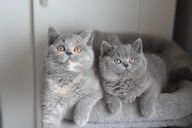
If you’re considering adding a feline friend to your household, the British Shorthair might just be the perfect choice for you. Renowned for their charming personalities, distinctive features, and affectionate nature, these cats have captivated the hearts of pet lovers around the world. With a rich history and a unique blend of playful and laid-back traits, British Shorthairs are not only beautiful companions but also adaptable pets that thrive in various living environments. In this article, we’ll explore the enchanting world of British Shorthairs, offering insights into their characteristics, care requirements, and tips for creating a harmonious home with your new furry friend. Unleash the magic of British Shorthairs in your home today!
Introduction to British Shorthairs: The Perfect Feline Companion
British Shorthairs are like the laid-back kings and queens of the cat world—affectionate yet independent, regal yet playful. With their plush coats and chubby cheeks, they have a way of capturing hearts (and turning heads) in any room faster than you can say “catnip.” Whether you’re a seasoned cat owner or a newbie looking for a furry friend, British Shorthairs might just be the purr-fect companion for you.
Brief History of the Breed
The British Shorthair’s journey began centuries ago, tracing back to the Roman invasion of Britain in AD 43, when these charming cats were likely brought along to keep pesky rodents at bay. Over the years, they’ve morphed from practical working cats into the cuddly companions we know today, gaining recognition in cat shows and becoming stars in their own right. With a heritage steeped in British tradition, they’ve stolen the show (and our hearts) with their unmistakable charm.
Why Choose a British Shorthair?
Why choose a British Shorthair, you ask? Well, beyond their adorable pudginess and plush coats, they come with a treasure trove of benefits. They’re known for their easygoing disposition, making them fantastic family pets. Need a couch buddy for those lazy Sundays? Done. Looking for a buddy who won’t judge your choice of Netflix series? Absolutely. They’re low-maintenance, sociable, and have a knack for brightening even the gloomiest of days—who wouldn’t want that kind of magic in their home?
Distinctive Features of British Shorthairs
British Shorthairs aren’t just cute; they’re downright iconic. Their appealing looks and unique physical traits make them stand out in the feline crowd.
Physical Characteristics
With a robust, stocky build and a broad face that screams “I just woke up like this,” the British Shorthair is hard to resist. Their plush, round bodies, short legs, and big, round eyes come together to create a picture of feline perfection. And let’s not forget those adorable cheeks—seriously, it’s like they’ve been sculpted by a cat-loving artist. They carry themselves with an air of confidence that suggests they were born to rule the household, and we’re just lucky to be in their presence.
Coat Colors and Patterns
If variety is the spice of life, the British Shorthair is living proof! Their coat comes in an array of colors and patterns, ranging from the classic blue (a fancy way of saying gray) to cream, black, white, and even more exotic shades like lilac and chocolate. And don’t get us started on the patterns—torties, tabbies, and bicolors galore! You can easily pick one that fits your home decor, or—let’s be honest—your personal vibe. It’s like having a fashionable friend who always matches your mood.
Understanding the Temperament and Personality Traits
When you bring a British Shorthair into your home, you’re not just getting a pet; you’re gaining a full-blown personality with a side of sass.
Social Behavior and Interaction with Humans
British Shorthairs are like the introverted extroverts of the cat world—they enjoy human company but still appreciate their alone time. They’re generally affectionate without being overbearing, making them the ideal companions for those who want a friendly feline without the clinginess. Expect some gentle headbutts and a few soft purrs when they’re feeling particularly affectionate, and don’t be surprised if they follow you around like your own personal furry shadow. Just remember, they reserve the right to demand attention on their own terms.
Playfulness and Activity Levels
While British Shorthairs are regal and composed, they’ve also got a playful streak that can make any cat owner chuckle. They enjoy interactive playtime—think feather toys, laser pointers, or even a good ol’ game of hide and seek. However, they’re not the most hyperactive breed out there, preferring to exercise at their own leisurely pace. So, while they’ll gladly chase a ball, don’t expect them to catapult off the walls. They’re masters of balance: a little playtime coupled with ample lounging is all they really need to stay happy.
Health and Care Essentials for Your British Shorthair
Keeping your British Shorthair happy and healthy is essential, and it’ s easier than you might think!
Nutrition and Diet Requirements
Feeding your British Shorthair a balanced diet is crucial to keeping their plump and fluffy shape in check. Look for high-quality cat food tailored for their life stage (kitten, adult, or senior). Watch the portions, though! It’s a good idea to consult your vet about the right diet since British Shorthairs are prone to weight gain. After all, nobody wants a cat that resembles a furry bowling ball!
Regular Vet Check-ups and Vaccinations
Routine vet check-ups are the golden ticket to a healthy fur baby. Make sure your British Shorthair stays up-to-date on vaccinations and receives regular health screenings to catch any potential issues before they become problems. It’s like a spa day with a side of “Let’s keep this royal bloodline healthy.”
Grooming Needs and Practices
Grooming is a breeze with British Shorthairs. Their short, dense coat requires minimal maintenance—just the occasional brush to keep shedding in check. However, don’t skip the tooth brushing and nail trimming! Regular grooming not only helps keep your kitty looking fabulous but also strengthens the bond between you and your furry friend. Plus, it’s a great way to assert your “I’m the boss around here” status while indulging in some quality cuddle time.
Creating the Ideal Home Environment for Your Cat
Safe Spaces and Enrichment Activities
To truly unleash the magic of your British Shorthair, start by creating a safe haven. Cats are like introverted ninjas—loving their humans but also cherishing their alone time. Designate cozy spots where they can curl up, away from the hustle and bustle. Think soft blankets, plush beds, or even a sunny windowsill where they can pretend to be royalty surveying their kingdom.
Now, let’s talk about enrichment activities! British Shorthairs are playful and need stimulation to keep their little minds sharp. Provide them with a variety of toys—think feather wands, crinkly mice, or interactive puzzles. Rotate these toys regularly to keep your cat engaged and prevent them from staging a revolt out of boredom. Bonus points if you can incorporate some climbing shelves or cat trees; after all, every cat needs a throne!
Choosing the Right Supplies and Accessories
Choosing supplies for your British Shorthair isn’t just a matter of picking the cutest options (though that’s a major factor). First on the list is a sturdy scratching post. These kitties have claws that need attention and they’ll definitely prefer your new couch if you don’t provide an appropriate scratching outlet. Look for posts that can withstand some serious scratching sessions.
Next up: litter boxes! A litter box that’s the right size—not too small for their royal stature—is a must. Additionally, invest in a high-quality litter that minimizes odors because, let’s be honest, no one enjoys the aftermath of a cat’s business. Finally, don’t forget the food and water dishes. Opt for shallow bowls to accommodate their flat faces, because no one likes to feel like they’re playing a game of peek-a-boo every meal.
Training Tips for British Shorthairs
Basic Commands and Tricks
Training a British Shorthair is like trying to coax a cat into a bath—challenging but rewarding, with plenty of treats involved! Start with the basics. Use positive reinforcement techniques like treats and praise to teach commands like “come” or “sit.” Remember, these kitties are intelligent but often prefer to operate on their own timetable, so be patient and keep sessions short and fun.
You can also spice things up with tricks like “high-five” or “roll over.” Start with a low-key approach and gradually build up to more complex tricks. And if your cat looks at you as if you’ve just spoken in another language, don’t take it personally. It’s all part of their delightful personality!
Litter Box Training Strategies
Litter box training your British Shorthair is generally easier than a cat-sized yoga class. Most are instinctively good at using a litter box, but you can set them up for success. Start with a clean, easily accessible box filled with the right litter, and place it in a quiet, low-traffic area (because let’s face it, privacy is key).
If there are any accidents, don’t panic—just make sure to clean the area thoroughly to remove odors. Consider using an enzymatic cleaner; it’s like magic for pet messes! If they seem reluctant to use it, try different types of litter to find the one that suits their fancy. You’ll quickly discover that a happy cat is one who thinks their litter box is the feline version of a five-star resort!
Common Myths and Misconceptions About British Shorthairs
Debunking Stereotypes
Ah, the British Shorthair—a breed often shrouded in myths like a magician behind a curtain. One common misconception is that they are aloof and unsocial. In reality, while they may not be the clingiest of lap cats, they absolutely crave companionship and form strong bonds with their humans. Think of them as the cool kid who’s just a little too shy to approach you first.
Another stereotype is that they are lazy couch potatoes. Sure, they enjoy their snuggle time, but British Shorthairs also enjoy playtime and mental stimulation. They might not be diving off the walls like a hyperactive kitten, but give them a toy mouse, and you’ll see playful pouncing that would impress even the fiercest of hunters.
Understanding Their Behavior
Understanding a British Shorthair’s behavior is crucial to harmonizing your home life. One quirk you might notice is their tendency to sit at a distance and observe like they’re the judges on a cat talent show. This isn’t shyness—this is their way of assessing the situation. They often prefer to be in control of their space, so let them approach you on their terms.
Another delightful behavior is their penchant for head-butting or “bunting,” which is a sign of affection and ownership. If your British Shorthair is giving you this special treatment, consider it a high compliment! And while they may be more independent than some other breeds, they still enjoy regular interaction, playtime, and a good chin scratch.
Conclusion: Why a British Shorthair is the Right Choice for You
Summarizing Key Benefits
So, why should you consider welcoming a British Shorthair into your heart and home? Aside from their charming personalities and adorable faces that could melt even the hardest of hearts, they are also known for being relatively low-maintenance. They’re generally healthy, have a loyal and affectionate nature, and are excellent companions who will sit quietly by your side like your personal cheerleader—just minus the pom-poms.
Moreover, they adapt well to various living situations, whether you’re in a cozy apartment or a spacious house. Their playful antics can entertain you for hours, and their regal demeanor adds a touch of class to your home. Who wouldn’t want a little furry aristocrat lounging around?
Final Thoughts on Adoption and Care
When considering adoption, remember that bringing a British Shorthair into your life means committing to their care and well-being. They thrive on love, attention, and a good routine. Make sure you’re ready to provide a nurturing environment, and always consider adopting from shelters or rescues. It not only helps a cat in need but also enriches your life in countless ways.
In the end, a British Shorthair doesn’t just become a pet; they become a beloved member of the family—one who will fill your home with magic, laughter, and those perfectly timed head nudges. So go ahead, take the plunge and let a British Shorthair sprinkle a little feline enchantment into your life!Bringing a British Shorthair into your home can be a rewarding experience filled with love and companionship. Their unique personalities and striking appearances make them a delightful addition to any family. By understanding their needs and creating a nurturing environment, you can ensure a happy and healthy life for your feline friend. As you embark on this journey, remember that the bond you build with your British Shorthair will be one of the most fulfilling relationships you can have. Embrace the joy they bring and enjoy every moment with your new companion!
Frequently Asked Questions
1. Are British Shorthairs good with children and other pets?
Yes, British Shorthairs are generally known for their calm and friendly temperament, making them great companions for children and other pets. They are typically tolerant and can adapt well to family dynamics.
2. How much exercise do British Shorthairs need?
While British Shorthairs are not overly active, they do benefit from regular playtime to keep them mentally and physically stimulated. Engaging them with toys and interactive play is a great way to provide exercise.
3. What is the typical lifespan of a British Shorthair?
The average lifespan of a British Shorthair is around 12 to 15 years, but with proper care, some can live even longer. Regular veterinary check-ups and a healthy diet contribute significantly to their longevity.
4. Do British Shorthairs require a lot of grooming?
British Shorthairs have short, dense coats that require minimal grooming. Regular brushing helps reduce shedding and keeps their coat healthy, but they do not require extensive grooming like long-haired breeds.