
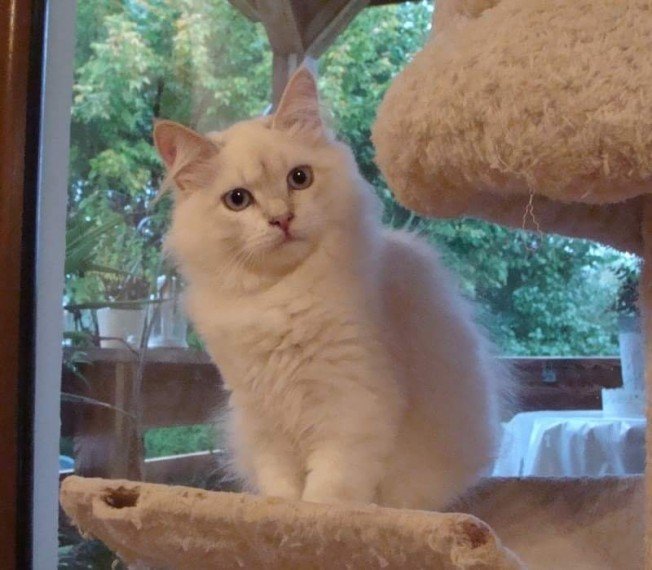
The British Shorthair kitten, with its plush coat, round face, and charming demeanor, is rapidly becoming a beloved companion across the United States. Known for their affectionate yet independent personalities, these kittens are not only captivating in appearance but also offer a unique blend of playfulness and calmness that appeals to a wide range of cat lovers. As their popularity surges, prospective pet owners are eager to learn more about what makes British Shorthairs special, from their distinctive traits and care requirements to the best practices for welcoming one into the home. This ultimate guide delves into the fascinating rise of British Shorthair kittens in the USA, providing valuable insights and practical advice for anyone considering adding one of these delightful felines to their family.
The Rise of the British Shorthair in America
Historical Background
The British Shorthair has a storied past, originally bred in the UK to catch vermin and keep homes free of pests. They are thought to be descendants of the cats brought to Britain by the Romans, which gives them an impressive lineage. Fast forward to the 19th century, and these plump, round-faced felines became the stars of the show at cat exhibitions. It wasn’t until recent years that they hopped across the pond to become the adored companions of American families.
Key Factors Contributing to Popularity
So, what makes these chunky cuties so desirable? For starters, their adorable, plush coats and distinctive chubby cheeks make them hard to resist. Add to this their laid-back temperament and low grooming requirements, and you’ve got the ultimate furry friend. Couple that with their adaptability to various lifestyles, and it’s no wonder they’ve clawed their way into hearts across the USA.
Regional Preferences and Trends
Interestingly, the British Shorthair seems to have made itself at home in urban centers like New York and Los Angeles, where their easy-going nature makes them perfect for apartment living. However, they’re not exclusive to big cities; suburban families are also drawn to their gentle demeanor. Trends show that regions with higher pet ownership rates are embracing this breed, proving it’s not just a passing fad but a lasting love affair.
Characteristics of British Shorthair Kittens
Physical Traits
British Shorthair kittens are often the poster children for “cute and cuddly.” With their stocky bodies, round faces, and large, expressive eyes, they look like living stuffed animals. Their short, dense fur comes in various colors and patterns, including classic blue, black, and silver tabby. Oh, and let’s not forget about those adorable chubby cheeks that make them the feline equivalent of a cartoon character!
Personality and Temperament
These kittens are known for their calm and collected personalities. They’re like the laid-back friends we all wish we had—friendly but not overly clingy, playful yet entirely capable of entertaining themselves. Their gentle nature makes them perfect for families and individuals alike, adapting easily to new situations and becoming the perfect couch potato partner or playful companion.
Color Variations and Patterns
While the classic blue hue often steals the show, the British Shorthair comes with a colorful wardrobe! From cream and chocolate to lilac and even color-point variations, there’s a flavor for every feline enthusiast. Their coats can also feature a variety of patterns, including tabby, bicolor, and tortoiseshell, ensuring that no two kitties are quite alike—just like snowflakes but way fluffier!
Why They’re Capturing Hearts in the USA
Social Media Influence
Thanks to platforms like Instagram, British Shorthair kittens have become the internet’s darlings. With their irresistibly photogenic faces and playful antics, they’ve taken over our feeds, making it nearly impossible to scroll without stopping for a quick “aww.” Influencers and cat enthusiasts alike are showcasing their charm, giving these cuddly beings the celebrity status they deserve.
Celebrity Endorsements
Let’s face it—everyone loves a good celebrity endorsement, and our four-legged friends are no exception. When stars start posting pictures of their British Shorthairs, it’s like a snowball effect of cute! Felines like these are popping up in the homes of A-listers, amplifying their desirability and turning every cat lover into a proud member of the British Shorthair fan club.
Community and Breed Clubs
The growing community surrounding British Shorthairs is as strong as their stocky build. Cat shows, breeder associations, and online forums are fostering a sense of camaraderie among fans. These clubs not only provide resources for care and breeding but also create a supportive network where enthusiasts can share tips, stories, and, of course, undeniably cute photos of their beloved kitties.
Care and Maintenance of British Shorthair Kittens
Nutritional Needs
To keep your British Shorthair in tip-top shape, a balanced diet is key. These little bundles of fluff thrive on high-quality cat food that’s rich in protein. Look for formulas designed for their age and activity level; after all, they need the right fuel to transform from adorable kittens into majestic cuddle machines.
Grooming Requirements
One of the many perks of having a British Shorthair is their low grooming needs. Their short, plush coats shed minimally, so brushing them once a week should keep your home fur-free and reduce hairballs to a manageable level. Just keep an eye on those adorable cheeks—occasional wipes might help them stay clean and pristine!
Exercise and Playtime
While they are known for being laid-back, British Shorthair kittens still require playtime to help burn off their energy and encourage healthy development. Engage them with interactive toys, climbing structures, and even a bit of laser tag—because who doesn’t love a good chase? Just provide some stimulating activities and watch them transform into playful little dynamos!
Popularity Trends and Statistics
Adoption Rates Over the Years
British Shorthairs have seen a meteoric rise in popularity across the United States over the past decade. Adoption rates have surged, with shelters reporting a 40% increase in inquiries about this breed—a sign that they’re the feline flavor of the month (or year, or decade). The pandemic may have played a role here, as more people adopted pets to combat loneliness, and who could resist those plush cheeks and round bodies?
Comparison with Other Breeds
When it comes to popularity contests, British Shorthairs aren’t just participating; they’re stealing the spotlight! Compared to other breeds like Maine Coons and Ragdolls, British Shorthairs are rapidly gaining ground. In fact, they’ve outpaced some of their competitors, thanks to their easy-going temperament and handsome good looks. It’s like they walked into a room and instantly became the cool kids, while others are still trying to figure out what to wear.
Market Insights and Future Projections
The future looks bright for our British Shorthair pals. As more people become aware of this lovable breed, market projections indicate steady growth in demand. With pet industry revenues hitting record highs, expect more kitsch cat paraphernalia featuring these cuddly cats. From themed merchandise to kitten cafes, the British Shorthair is on the verge of becoming a household name… if it isn’t already!
Adopting vs. Buying: What You Need to Know
Benefits of Adoption
Adoption isn’t just a noble choice; it’s a heartwarming experience that benefits both you and the kittens! By adopting, you’re giving a sweet feline a second chance at happiness and possibly saving a life. Plus, many shelters provide vaccinations, spaying/neutering, and a health check, so it’s essentially a kitten starter pack! Who wouldn’t want to add a new member to the family while doing a good deed?
Finding Reputable Breeders
If you decide to buy instead of adopt, make sure you don’t fall for the first flashy website you stumble upon. Look for breeders who prioritize the health and temperament of their kittens. Red flags include a lack of health screenings, unwillingness to show you their breeding environment, or any hint of a cat mill vibe. Remember, you want a reputable breeder, not a feline factory!
Cost Considerations
Cost can be a deciding factor in whether you choose to adopt or buy. Adoption fees typically range from $50 to $200, a steal compared to the $1,000+ that a British Shorthair from a breeder might run you. However, consider the lifetime costs too—food, litter, vet visits, and, let’s be honest, those irresistibly cute toys that you’ll end up buying. Your credit card may just convince you to go for the adoption route!
Health Considerations for British Shorthairs
Common Health Issues
British Shorthairs are generally sturdy cats, but they aren’t immune to certain health issues. Flat faces can mean they’re more prone to breathing problems (thankfully, they don’t struggle to express their opinions). Additionally, they can be susceptible to obesity, so keep those treats in moderation unless you enjoy a cat trying to roll off the couch!
Preventive Care and Regular Check-ups
Regular check-ups are essential to keeping your kitty in tip-top shape. Think of it as a spa day minus the cucumbers on the eyes. These visits to the vet can help catch any issues early and keep vaccinations up to date. Plus, you’ll leave with a plethora of advice on how to keep your British Shorthair as sprightly as a kitten—well, almost!
Understanding Lifespan and Aging
British Shorthairs have a lifespan of about 12 to 20 years, depending on care and genetics. They might start to slow down around their golden years, so consider investing in some cozy beds and gentle toys—think more ‘yarn balls’ and less ‘laser pointers.’ Understanding their aging process can help you adapt your care, ensuring your furry friend stays happy and healthy throughout their life.
Tips for New Owners: Integrating Your Kitten into Home Life
Creating a Safe Environment
First things first: kitten-proof your home. This isn’t just a suggestion; it’s an essential step in ensuring your new fuzzy friend doesn’t get into any mischief—or have a mini heart attack when they knock over your favorite vase. Secure loose wires, stash away small objects, and create a cozy nook where they can retreat to when the world feels overwhelming (or just too many visitors).
Socialization Strategies
Socializing your British Shorthair is key to their happiness. Expose them to different sounds, people, and environments gradually. Start with short sessions and reward them with treats and playtime to create positive associations. Before you know it, you’ll have a confident kitty who’s ready to take on the world—or at least your living room.
Understanding Behavior and Training
British Shorthairs are pretty independent, so training may require a sprinkle of patience and a dollop of treats. Focus on litter training, basic commands, and scratching post etiquette. They can be quite stubborn, but like with all things in life, persistence pays off. Plus, who can resist those big, pleading eyes when they realize they did something right?As the British Shorthair continues to charm households across the USA, potential owners can take pride in knowing they are welcoming a breed that is not only beautiful but also possesses a wonderful temperament.
Frequently Asked Questions
1. How much do British Shorthair kittens typically cost?
The price of a British Shorthair kitten can vary widely depending on the breeder, location, and the kitten’s pedigree. On average, you can expect to pay between $1,000 to $2,500.
2. Are British Shorthairs suitable for families with children and other pets?
Yes, British Shorthairs are generally known for their friendly and adaptable nature, making them a good choice for families with children and other pets. Proper introductions and socialization will help ensure a harmonious environment.
3. What are the common health issues associated with British Shorthairs?
British Shorthairs can be prone to certain health issues, including obesity, heart disease, and respiratory problems. Regular veterinary check-ups and a balanced diet can help mitigate these risks.
4. How can I keep my British Shorthair mentally stimulated?
Providing a variety of toys, engaging in interactive play, and allowing for exploration and climbing opportunities will keep your British Shorthair mentally stimulated and happy.