
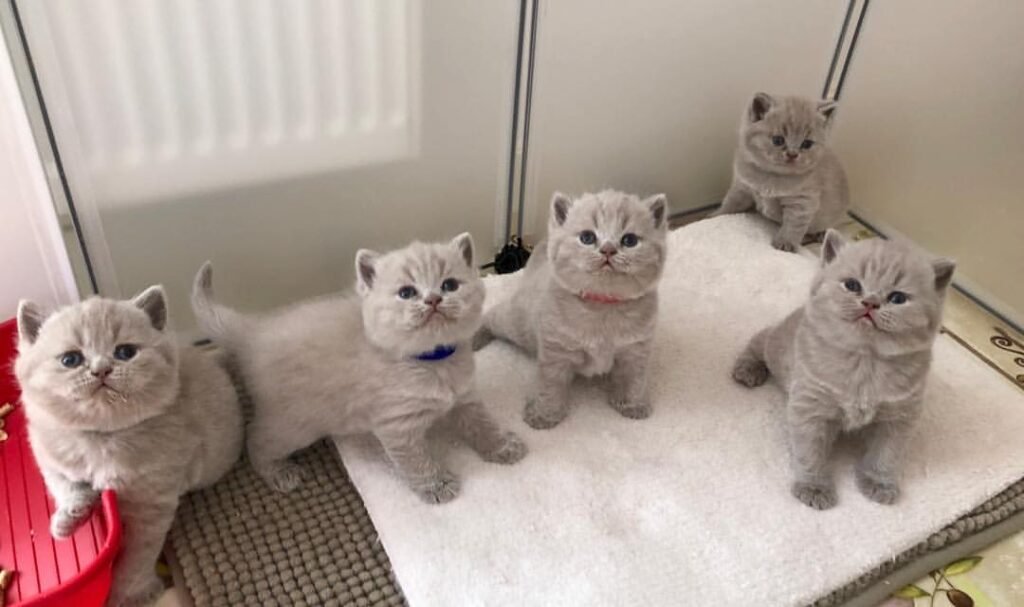
The British Shorthair is a beloved breed known for its charming personality, striking appearance, and gentle disposition, making it one of America’s ultimate cuddle companions. With a rich history dating back to ancient Rome, these cats have captured the hearts of pet lovers with their plush, round faces and robust bodies. Their affectionate nature and calm demeanor make them ideal for families, singles, and everyone in between. This article will explore the fascinating characteristics, care requirements, and unique traits of the British Shorthair.
Introduction to the British Shorthair
Overview of the Breed
The British Shorthair is like the gentle giant of the cat world, embodying that perfect blend of plush charm and endearing quirks. With their stocky build, round faces, and dense coats, they look as if they’ve just stepped out of a whimsical cartoon. Known for their calm demeanor and affectionate nature, these cats are not just pets; they are full-fledged family members who’ll curl up on your lap while you binge-watch your favorite show.
Popularity in America
Once upon a time, the British Shorthair was a well-kept secret of the UK, but thanks to social media and a collective obsession with all things feline, they’ve pounced their way into the hearts of Americans. Their popularity has surged, making them one of the most sought-after breeds in the U.S. today. It’s no wonder—they’re the purrfect blend of snuggly and sassy, winning over cat enthusiasts from coast to coast.
History and Origins of the Breed
Early Beginnings in Britain
The British Shorthair has roots that date back to ancient Rome, when they were first bred to control the rodent population. Picture a Roman soldier—armor-clad and wielding a sword—while a chunky blue cat lounges nearby, ready for a well-deserved snooze after a hard day’s work. Over time, they became a staple in British households, cherished for their hunting skills and charming presence.
Development and Recognition
Fast forward to the late 19th century, when these plump felines started strutting their stuff in cat shows. Their unique appearance caught the eye of breeders, leading to a more standardized breed. The British Shorthair was officially recognized by the Governing Council of the Cat Fancy in 1871, making it one of the first breeds to be shown in a competitive setting. Since then, they haven’t looked back, charming judges and onlookers alike.
Distinctive Features and Characteristics
Physical Appearance
You can’t miss a British Shorthair! With their broad, round faces, chubby cheeks, and stocky bodies, they are the embodiment of cuteness. Their strong, muscular build gives them an almost bear-like quality, while their large, expressive eyes can be blue, copper, or gold—making it hard to resist a good snuggle session. And those paws? They’re like built-in cuddle machines, ensuring they’re always ready for some quality time.
Coat Color Variations
In terms of fashion, British Shorthairs are the trendsetters of the feline world. While the classic blue-gray coat is iconic, they come in an astounding array of colors and patterns, including lilac, cream, black, and even tabby. Each coat is a plush masterpiece, inviting you to scoop them up and feel the luxurious fur against your cheek. Who knew a wardrobe could be so fluffy?
Temperament and Personality Traits
Affectionate Nature
British Shorthairs are the snuggle champions of the cat kingdom. With their laid-back disposition and fondness for human companionship, they thrive on love and affection. They’re not the type to make a scene when you walk in the door; rather, they’ll greet you with a slow blink and a gentle nudge, silently asking for a pat or two—or maybe a few dozen. Get ready to be their personal cuddle pillow!
Playfulness and Energy Levels
But don’t let their relaxed demeanor fool you—these cats have a playful side that emerges like a ninja at unexpected times. They enjoy interactive play sessions and can engage in spontaneous bursts of energy, darting around like fluffy little rockets. Think of them as the ideal mix of couch potato and playful kitten; they’ll happily chill with you on the sofa but are always ready to engage in a good game of chase whenever the mood strikes.
Grooming and Care Requirements
Brushing and Bathing
British Shorthairs have that plush, teddy bear-like coat that begs to be touched. To keep it looking irresistibly soft (and to minimize shedding—because nobody wants to look like they’re wearing a cat sweater), a weekly brushing is your magic wand. A slicker brush or a grooming glove will do the trick! Bathing is usually a no-go since they’re generally self-cleaning ninjas, but if your feline friend decides to dive into a mud puddle, a gentle shampoo can save the day.
Nutrition and Diet
Let’s talk food, shall we? British Shorthairs can be prone to a few extra pounds, so a balanced diet is essential. High-quality, protein-rich cat food is your best bet—think chicken, turkey, or something that sounds more like dinner than a science project. Keep an eye on their portions and consider feeding them small, frequent meals to help maintain their svelte figure. Because let’s be real; nobody wants a cat who’s both fluffy and fluffy-challenged!
Health Considerations for British Shorthairs
Common Health Issues
While British Shorthairs are generally robust, they can be susceptible to a few health quirks. Heart disease, particularly hypertrophic cardiomyopathy (try saying that three times fast), is a common concern. Additionally, watch out for joint issues like hip dysplasia, and of course, weight gain—because those adorable, chubby cheeks can lead to some serious health woes. Regular check-ups can keep your kitty in the clear!
Regular Veterinary Care
Regular vet visits are essential to keep your British Shorthair in tip-top shape. Annual check-ups will help catch any potential issues before they become full-blown drama queens. Vaccinations, dental cleanings, and flea and tick prevention are all part of the deal. Remember, a healthy kitty means fewer vet visits—which means more cuddle time on the couch!
Ideal Living Environment and Companionship
Space Requirements
British Shorthairs are low-key cats that don’t need a mansion to be happy. A cozy apartment or a home with a sunny spot for napping will suffice. They love lounging around, but don’t be fooled; they also enjoy a good romp (or ten) with their toys. Just provide them with scratching posts and some climbing areas—after all, they need a place to plot their next cuddle ambush.
Compatibility with Other Pets
When it comes to sharing space with other fur babies, British Shorthairs are typically quite chill. They’re like that friend who’s down to hang out but also appreciates their alone time. Socialize them early, and they’ll get along fabulously with dogs, cats, and even the occasional guinea pig. Just ensure introductions are smooth, and keep an eye on those who might try to out-cuddle each other.
Why the British Shorthair is the Perfect Family Pet
Great with Children
British Shorthairs are basically the babysitters of the cat world! They’re patient, loving, and often enjoy a good game of chase or an impromptu cuddle session with kids. Their chill demeanor makes them perfect playmates, and they usually handle the chaos of family life like pros. Just teach the kids gentle hands, and everyone will be happy!
Longevity and Lifespan
One of the best-kept secrets about British Shorthairs? They can live into their late teens! With good care, proper nutrition, and, of course, plenty of love, they’ll be your snuggle buddy for years to come. So, if you’re looking for a long-term cuddle companion who won’t ghost you after a couple of years, a British Shorthair could be your purr-fect match! In conclusion, the British Shorthair is more than just a beautiful breed; it is a loyal and loving companion that thrives in various living environments.
Frequently Asked Questions
What is the average lifespan of a British Shorthair?
The average lifespan of a British Shorthair is typically between 12 to 20 years, provided they receive proper care and regular veterinary check-ups.
Are British Shorthairs good with children and other pets?
Yes, British Shorthairs are known for their gentle and friendly demeanor, making them great companions for children and other pets.
How much grooming do British Shorthairs require?
British Shorthairs have a dense coat that requires regular brushing, ideally once a week, to minimize shedding and keep their fur healthy.
What are common health issues associated with British Shorthairs?
Some common health issues in British Shorthairs include heart disease, obesity, and dental problems, so regular veterinary check-ups are essential for early detection and management.