
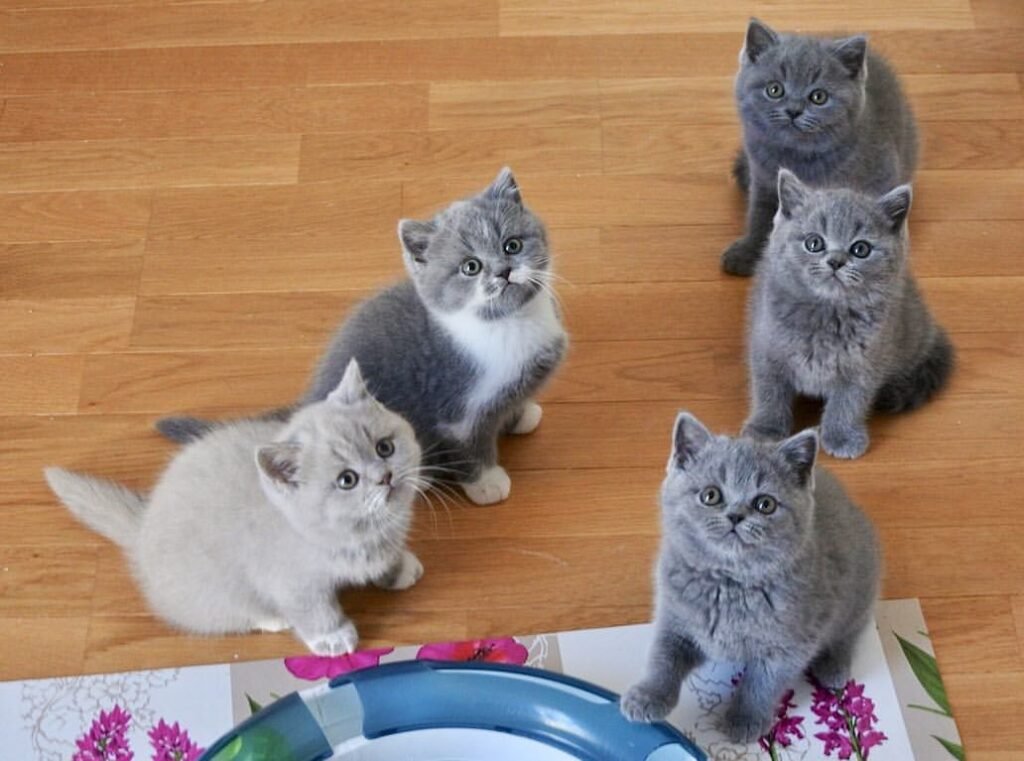
British Shorthair cats, with their charming round faces and dense, plush coats, have captured the hearts of cat lovers around the world. Known for their gentle demeanor and robust build, these felines boast a rich history that dates back to ancient times, making them one of the oldest domestic cat breeds. As we delve into the secret world of British Shorthairs, we will explore their unique characteristics, caring needs, and fascinating personalities. Whether you’re considering adopting one or simply intrigued by this endearing breed, join us on a journey to discover what makes British Shorthair cats so special.
The History of British Shorthair Cats
Origins and Ancestry
British Shorthair cats can trace their roots back to ancient times, with some historians believing they descended from the domestic cats of the Romans. Imagine fluffy felines lounging around Roman villas, purring as they kept rats at bay. These sturdy cats were bred for their hunting skills and hardiness, eventually becoming the beloved companions we know today.
Evolution Through the Ages
Through the centuries, the British Shorthair evolved alongside humans, adapting to various climates and lifestyles. They survived the Middle Ages while making appearances in folklore and art, including Lewis Carroll’s Cheshire Cat. Fast forward to the late 1800s, when breeders took a keen interest in developing breed standards, ensuring these cats were as charming as they were practical.
Recognition and Breed Standards
The British Shorthair gained formal recognition in cat shows by the late 19th century, establishing itself as a star on the feline stage. The Cat Fancy established breed standards to define their features, from their round faces to dense coats. Today, they’re the darlings of cat enthusiasts, celebrated for their robust build and sweet disposition.
Distinctive Characteristics and Traits
Physical Features
When it comes to appearance, British Shorthairs are the quintessential “round” cats. With their stocky bodies, chunky cheeks, and large, expressive eyes, they look like they just jumped out of a cartoon. Their plush coat is both a joy to pet and a testament to their British aristocratic roots—regal yet approachable.
Color Varieties and Patterns
Dive into the color palette of British Shorthairs, and you’ll find an array of options that’ll give even the most indecisive decorator pause. From classic blue (which is basically a gray that’s too cool for school) to cream, black, and even dazzling tabby patterns, there’s a British Shorthair to match every personality—and every Instagram aesthetic.
Unique Grooming Needs
Caring for their luxurious fur isn’t all that complicated, but it does require a bit of commitment. Regular brushing (about once a week) helps keep their coats looking plush and reduces unwanted hairball incidents. It’s like maintaining a royal mane—just with fewer tiaras and more catnip.
Personality and Temperament
Social Behavior
British Shorthairs are the social butterflies of the cat world, thriving on companionship and interaction. They get along well with children and other pets—just imagine the adorable cat-and-kid playdates. They may not be the clingiest of cats, but don’t worry, they’ll always find a spot nearby to keep an eye on you (and judge your snack choices).
Playfulness and Energy Levels
While they enjoy a good romp with a feather toy or laser pointer, British Shorthairs are not a whirlwind of chaos. Their energy levels are a delightful mix of playful and relaxed, making them perfect companions for both cozy nights in and occasional play sessions. They know when it’s time to get wild and when it’s time to lounge like royalty.
Affectionate Nature
These cats wear their hearts on their furry sleeves. British Shorthairs are known for their gentle and loving demeanor, providing the kind of companionship that feels like a warm hug after a long day. They may not be overly demanding of affection, but when they decide it’s cuddle time, you’re in for a treat—purring included!
Care and Maintenance Requirements
Feeding Guidelines
To keep your British Shorthair in tip-top shape, it’s essential to feed them a balanced diet tailored to their age and activity level. High-quality cat food is key—think of it as the gourmet meal plan they deserve. Portion control is crucial, as they can be prone to weight gain. After all, nobody wants a cat who’s too fluffy to fit through the cat flap!
Grooming Practices
Regular grooming sessions are crucial for maintaining their luxurious coats. A good brush once a week should do the trick, but during shedding seasons, you might want to up your game and brush more often. Consider it quality time—you can bond while you keep their coats looking fabulous. Plus, less hair on your furniture is always a win.
Exercise and Mental Stimulation
Despite their relaxed demeanor, British Shorthairs need some exercise and mental stimulation to stay happy and healthy. Interactive toys, cat trees, and a good game of hide-and-seek can keep them entertained. Think of it as keeping their royal bodies fit while entertaining those lofty feline ideals—after all, every cat deserves a throne!
Health Considerations for British Shorthairs
Common Health Issues
British Shorthairs are generally sturdy cats, but they’re not invincible. They can be prone to certain health issues, such as hypertrophic cardiomyopathy (HCM), which is a fancy way of saying their hearts might have a little trouble pumping. Additionally, they may experience obesity (because let’s face it, who can resist those adorable chubby cheeks?), dental disease, and joint problems as they age. Regular monitoring and a healthy diet can help keep these issues at bay.
Regular Veterinary Check-ups
Just like we humans occasionally need to visit the doctor for a check-up (and to avoid that awkward moment when your weight is on the chart), British Shorthairs benefit from regular vet visits. Aim for at least once a year for a full check-up, and don’t forget those vaccinations! Early detection of any potential issues can help your furry friend live their best life. Plus, it gives you an excuse to look at a bunch of cute cat photos while you wait.
Preventive Care Tips
Prevention is key when it comes to keeping your British Shorthair healthy and spry. Consider a high-quality diet specifically formulated for their needs, and incorporate regular playtime to keep them active—after all, those fluffy rolls can’t fluff themselves! Dental care is also important, so brushing their teeth (yes, really!) and offering dental treats can make a world of difference. And don’t skimp on the cuddles—stress management is crucial, too!
Choosing the Right British Shorthair for You
Adoption vs. Buying from Breeders
When it comes to bringing a British Shorthair into your home, you have two main paths: adopting one from a shelter or buying from a breeder. Adoption gives a kitty in need a second chance at a loving home, and those little furballs are often just as lovable! On the flip side, purchasing from a reputable breeder can ensure you get a kitten with a clean bill of health and a well-documented pedigree. Choose what feels right for you and your future feline friend.
Assessing Compatibility with Your Lifestyle
Not every cat is a match made in heaven, much like certain reality TV couples (we see you, Love Island). Before you take the plunge, consider your lifestyle. Are you a couch potato who enjoys Netflix marathons? Or do you prefer outdoor adventures? British Shorthairs are known for their laid-back attitudes, but they still need playtime and companionship. Take your time to find the best fit—after all, you wouldn’t want to take home a cat who’s more energetic than your morning coffee!
Preparing Your Home for a New Cat
Once you’ve made the decision to welcome a British Shorthair into your life, it’s time to cat-proof your home! Think of it as prepping for a tiny, furry tornado. Secure any loose wires, hide breakable items, and set up a cozy corner with a litter box, food, and water bowls. Don’t forget some fun toys to keep them entertained—after all, a bored cat is a mischievous cat, and we don’t need that kind of chaos in our lives!
Fun Facts About British Shorthair Cats
Famous British Shorthairs
Did you know that British Shorthairs have some pretty famous relatives? The iconic Cheshire Cat from “Alice in Wonderland” was likely based on these charming chubsters. And let’s not forget about the beloved Puss in Boots from the “Shrek” franchise—an impressive feline representation, if I do say so myself! These cultural icons remind us that British Shorthairs are as clever as they are cute.
Interesting Myths and Legends
Throughout history, British Shorthairs have been steeped in lore and admiration. Some myths suggest they were cherished by ancient Romans for their mousing skills, while others claim that they were the preferred companions of the British royal family. Who knows? Perhaps one of them convinced King Arthur to leave Excalibur in the stone just one more day for a good nap!
Unique Behaviors
British Shorthairs have their quirks that make them irresistibly charming. Their signature behavior? That stoic, “I am royalty” demeanor they maintain most of the time. They have a tendency to sit like little plush statues, surveying their kingdom (a.k.a. your living room). They also have a knack for “helping out” while you work—by sitting on your keyboard, of course. Who wouldn’t want a furry assistant?
The Influence of British Shorthairs in Popular Culture
British Shorthairs in Movies and TV Shows
These delightful kitties have made their mark across the silver screen! From the classic adventures of “Harry Potter” to the charming antics of “The Aristocats,” British Shorthairs have graced our screens with their fluffy presence. Their dignified looks and sweet nature make them perfect for both heroic and comedic roles. It’s like watching royalty in action, just with a lot more purring!
Literary References and Symbolism
British Shorthairs aren’t just movie stars; they’ve also made appearances in literature. Often portrayed as symbols of companionship, mystery, and wisdom, they’ve curled up next to characters in various stories as reliable sidekicks. Whether lounging on a pile of books or peeping from behind the pages, they embody the essence of comfort and curiosity that readers adore.
Social Media Presence and Popularity
If you’re scrolling through social media and see a plump cat eyeing the camera with disdain, there’s a solid chance it’s a British Shorthair. These cats are internet sensations with their unique looks and hilarious personalities, racking up followers faster than you can say “catnip.” With dedicated hashtags and accounts devoted to their fluffy antics, they have effortlessly claimed their place in the hearts (and feeds) of cat lovers everywhere.In conclusion, British Shorthair cats are not only beautiful companions but also possess a delightful mix of personality traits that make them wonderful pets. Their rich history, unique characteristics, and affectionate nature contribute to their popularity around the globe. Whether you are an experienced cat owner or a first-time adopter, embracing a British Shorthair can bring joy and companionship into your life. As you venture into this charming world, remember to provide the love and care they deserve, and you’ll be rewarded with a loyal and loving feline friend.
Frequently Asked Questions
1. How long do British Shorthair cats typically live?
British Shorthair cats usually have a lifespan of 12 to 20 years, depending on their overall health and care.
2. Do British Shorthair cats require a lot of grooming?
While their dense coats do require regular grooming to prevent matting, they are relatively low-maintenance compared to some long-haired breeds.
3. Are British Shorthairs good with children and other pets?
Yes, British Shorthairs are known for their easygoing and friendly temperament, making them suitable companions for children and other pets.
4. What should I feed my British Shorthair cat?
A high-quality diet that meets their nutritional needs, including protein, fats, and essential vitamins and minerals, is recommended. Consult your veterinarian for specific dietary guidelines.