
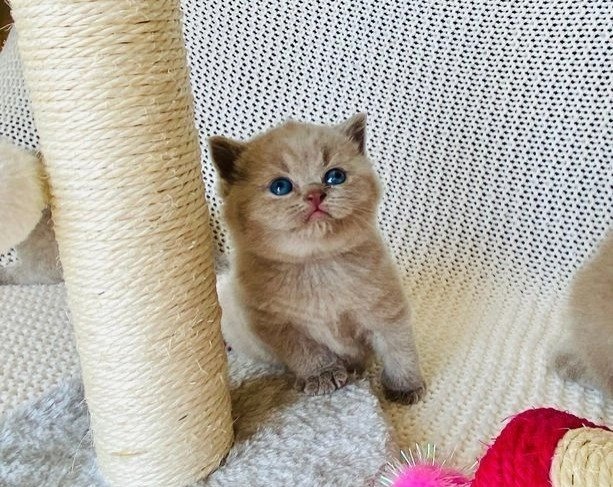
Choosing a reputable breeder for a British Shorthair in America is a critical step in ensuring that you bring home a healthy, well-adjusted kitten. With their distinctive features and charming personalities, British Shorthairs are a beloved breed, but the quality of your new feline companion largely depends on the breeder’s practices. This article will guide you through the essential factors to consider when selecting a breeder, from understanding the breed itself to recognizing red flags that may indicate unethical breeding practices. By following these guidelines, you can increase your chances of finding a trustworthy breeder and welcoming a happy, healthy British Shorthair into your home.
Understanding the British Shorthair Breed
History and Origins
The British Shorthair is not just a pretty face; it boasts a rich history that dates back to Ancient Rome. Initially bred for working purposes, these cats have been cherished companions for centuries. Their robust build and gentle demeanor made them popular among both royalty and commoners alike, paving the way for their prominence in cat shows and as beloved pets today. If you’re imagining a kitty lounging on a throne, you’re not too far from the truth!
Physical Characteristics
With their plush, dense coats and round faces, British Shorthairs are the supermodels of the feline world—if supermodels were also known for their squishy cheeks. They typically sport wide, expressive eyes that can be copper, blue, or gold, depending on their coat color. Their sturdy bodies are accented by a short, thick tail, giving them a stout and cuddly appearance. They come in a dazzling array of colors and patterns, but let’s be honest: it’s hard to go wrong when they all look this good.
Temperament and Behavior
British Shorthairs are the epitome of good-natured companions. They possess a calm and easygoing temperament, making them perfect for families or those living solo. While they enjoy a good cuddle session, they also have an independent streak that allows them to entertain themselves (and maybe plot world domination). Known for their loyalty and playful yet dignified demeanor, these cats are the furry friends you’ve always dreamed of—minus the golden retriever energy!
The Importance of Choosing a Reputable Breeder
Impact on Health and Longevity
Choosing a reputable breeder is crucial for ensuring your British Shorthair lives a long, healthy life. Responsible breeders prioritize genetic health, which means fewer trips to the vet for pesky inherited conditions. They conduct tests to identify and mitigate potential genetic problems, giving you peace of mind and a cat that can spend more time lounging on your lap and less time in the clinic.
Ensuring Ethical Practices
Ethical breeding practices ensure that your future feline friend is bred with care and compassion. Reputable breeders adhere to strict standards that prioritize the welfare of the mother and her kittens. They don’t just see their cats as a business venture; they treat them like family. By choosing wisely, you’re supporting breeders who truly care about their cats and the breed’s legacy—plus, you get a fantastic furry companion in return!
Key Traits of a Reputable Breeder
Experience and Knowledge
A good breeder isn’t just a cat person; they’re a cat expert. Look for years of experience and an impressive knowledge of the breed. They should be able to answer your questions about lineage, health issues, and care with confidence. A breeder who can talk your ear off about British Shorthairs is someone who’s invested in their craft—and that’s a good sign for you as a future cat parent!
Commitment to Breed Standards
Reputable breeders adhere to recognized breed standards set by organizations like The Cat Fanciers’ Association (CFA) or The International Cat Association (TICA). They aim to produce kittens that not only fit the ideal description of British Shorthairs but also contribute positively to the breed. If they show a dedication to maintaining these standards, you can trust that they care about the quality and integrity of their cats.
Health Screening and Genetic Testing
A responsible breeder goes the extra mile by performing health screenings and genetic testing on their breeding cats. This process helps identify or prevent hereditary issues that can affect your kitten down the road. Ask for documentation to ensure that your fluffy bundle of joy comes from a lineage that meets health benchmarks. After all, you want a cat that’s as healthy as it is adorable!
Researching Potential Breeders
Online Resources and Directories
When it comes to finding a stellar breeder, the internet is your best friend (and oddly enough, it’s not just for cat memes). Websites like the CFA or TICA offer breeder directories where you can find reputable listings. Take your time browsing, and don’t skip the reviews section—after all, you wouldn’t buy a movie ticket without reading the reviews first, would you?
Social Media and Community Recommendations
Social media is a treasure trove for finding potential breeders. Join British Shorthair groups or forums where enthusiasts share their experiences. Often, fellow cat lovers are more than willing to recommend breeders they trust. Plus, you can swoon over adorable cat photos while you’re at it—so it’s a win-win scenario. Just remember to vet the recommendations you receive, because not all cat lovers are created equal!
Questions to Ask a Breeder
Health and Vaccination Records
When considering a British Shorthair, it’s crucial to inquire about health and vaccination records. Ask for documentation that shows the kitten’s vaccination history, deworming treatments, and any relevant health screenings. A reputable breeder should be more than willing to share this information. If they fumble around or can’t provide proof, it might be time to hit the brakes on that adoption journey.
Breeding Practices and Philosophy
Understanding a breeder’s practices and philosophy offers a glimpse into how they care for their cats. Ask about the breeding philosophy—do they prioritize health and temperament over looks? A responsible breeder will be passionate about producing healthy kittens and will have a clear understanding of feline genetics. If the conversation feels more like a sales pitch than a genuine concern for the well-being of their cats, consider looking elsewhere.
Support and Resources After Purchase
A good breeder doesn’t just want to sell you a kitten; they want to ensure that you and your new furry friend are a perfect match. Ask what kind of post-purchase support they offer. This can range from advice on feeding and training to a return policy if things don’t work out. A breeder who stands by their kittens is a strong indicator of their dedication to responsible breeding.
Red Flags to Watch Out For
Lack of Transparency
If a breeder avoids answering your questions or seems vague about their operations, that’s a major red flag. Reputable breeders are transparent about their practices, health testing, and the conditions in which their cats live. If they’re dodging questions like a politician, it’s time to walk away.
Overly Commercialized Operations
Breeders who operate like a factory, cranking out kittens like a toy assembly line, aren’t the ones you want to engage with. Look for breeders who have a small, manageable number of litters. If their website looks like a storefront, complete with flashy sales tactics and a focus on quantity over quality, steer clear.
Negative Reviews and Testimonials
Before signing any papers, do your homework. Check online reviews and testimonials from previous buyers. If you notice a trend of unhappy customers or suspicious patterns, trust your instincts. A good breeder will have a solid reputation, like a cat that always lands on its feet.
Evaluating Breeder Facilities
Conditions and Cleanliness
The state of a breeder’s facility speaks volumes about their commitment to animal welfare. When visiting, take note of cleanliness and general living conditions. Kittens should be kept in a clean, safe, and stimulating environment. If it feels more like a cat hoarding situation than a loving home, you might want to reconsider your choice.
Interaction with Kittens and Parents
Observing how the breeder interacts with their kittens and adult cats is essential. A responsible breeder will be attentive, showing affection and care towards their felines. Look for signs of socialization—playful kittens and relaxed parents are usually indicators of a healthy environment. If the cats seem distant or the breeder is aloof, that’s not a good sign.
Final Checklist Before Making a Decision
Confirming Registration and Pedigree
Make sure to confirm that the kitten is registered with a recognized cat association, like The International Cat Association (TICA) or Cat Fanciers’ Association (CFA). Ask for pedigree documentation to understand the kitten’s lineage. If a breeder hesitates to provide this information, it’s time to ask, “What else are you hiding?”
Understanding the Purchase Agreement
Before you hand over your hard-earned cash, make sure you thoroughly understand the purchase agreement. Look for terms regarding health guarantees, return policies, and any stipulations on spaying/neutering. If the contract feels more like legalese than a fair agreement, that’s a red flag waving furiously.
Preparing for Your New British Shorthair
Once you’ve found your ideal breeder and kitten, it’s time to get ready for the new addition to your home. Stock up on essentials like food, litter, and toys. Create a cozy space where your British Shorthair can feel safe and secure. After all, you want to welcome your new furry friend with open arms (and lots of treats)!In conclusion, choosing a reputable breeder for your British Shorthair is essential to ensuring a positive and rewarding experience for both you and your new pet. By taking the time to research breeders, ask the right questions, and evaluate their practices, you can find a responsible and caring source for your kitten. Remember that a good breeder will prioritize the health and well-being of their cats, and in doing so, they will help you welcome a loving companion into your home for years to come.
Frequently Asked Questions
What qualifications should I look for in a reputable breeder?
A reputable breeder should have extensive knowledge of the British Shorthair breed, provide health screenings for their cats, and demonstrate a commitment to ethical breeding practices. They should also be willing to answer your questions and provide references from previous buyers.
How can I verify a breeder’s reputation?
You can verify a breeder’s reputation by checking online reviews, asking for references, and seeking recommendations from local breed clubs or veterinarians. Make sure to also visit the breeder’s facility to assess the living conditions of the cats.
What health issues should I be aware of in British Shorthairs?
Common health concerns in British Shorthairs include hypertrophic cardiomyopathy (HCM), obesity, and dental issues. A responsible breeder will conduct health screenings and provide documentation to ensure that you are aware of any potential risks.
Is it better to adopt a British Shorthair from a shelter instead of buying from a breeder?
Adopting from a shelter is a noble choice that gives a cat a second chance at a loving home. While breeders can provide specific lineage and health guarantees, shelters often have British Shorthairs in need of homes. Consider your preferences and circumstances when making your decision.