
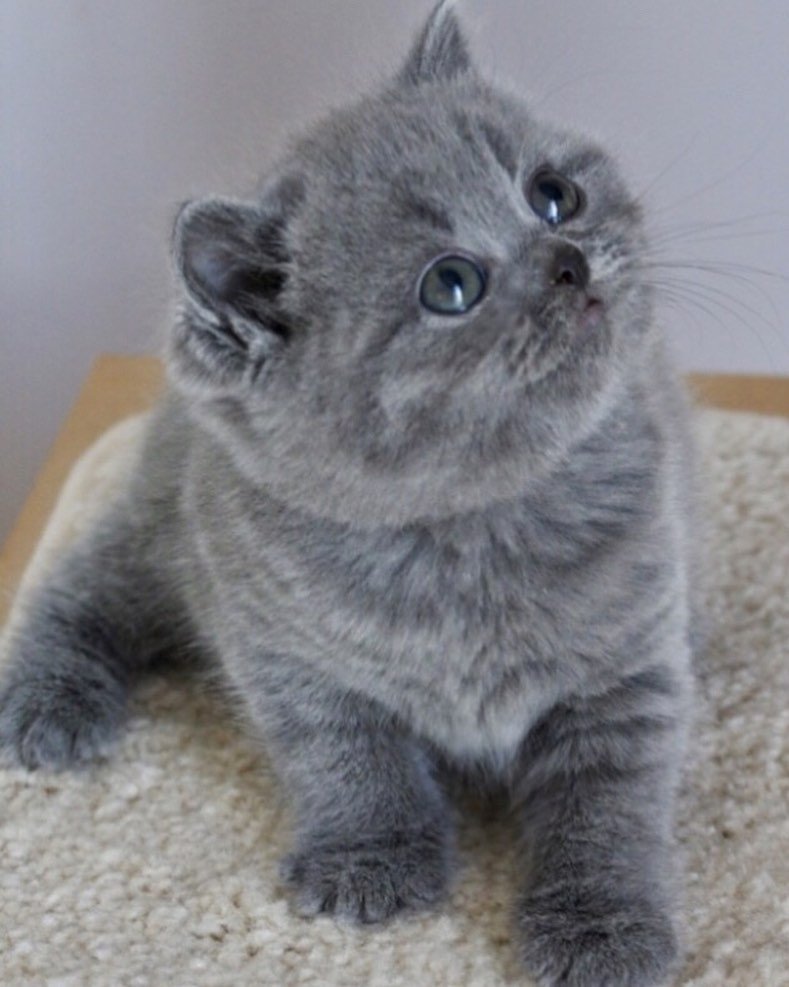
Finding a British Shorthair cat can be an exciting journey, especially for those who appreciate this charming breed’s distinctive appearance and affectionate nature. Known for their round faces, plush coats, and playful personalities, British Shorthairs are among the most sought-after cats in the United States. However, locating a reputable source to adopt or purchase one can be challenging, given the plethora of options available. Whether you’re considering a breeder, a rescue organization, or even connecting with fellow cat enthusiasts, this article will provide you with ten essential tips to navigate the process effectively and ensure you find a healthy and happy British Shorthair to welcome into your home.
Understanding the British Shorthair Breed
History and Characteristics
The British Shorthair is one of the oldest cat breeds, tracing its lineage back to ancient Rome, where these fluffy champions roamed alongside humans. They are famous for their round faces, dense coats, and stocky bodies, giving them an almost teddy bear-like appearance. These cats come in a variety of colors, but the classic British Blue steals the spotlight more often than not. With their sturdy build and charmingly chubby cheeks, they’re like the Instagram influencer of the cat world – irresistibly adorable and endlessly photogenic.
Common Health Issues
Like any family member, British Shorthairs can face their share of health hiccups. While they generally enjoy good health, they are prone to certain conditions. One of the common culprits is hypertrophic cardiomyopathy (HCM), a fancy term for heart disease that can affect their sweet little hearts. They may also face issues like obesity – because let’s be real, they’re not the type to turn down a treat. Regular vet check-ups and a balanced diet can help keep these lovable furballs in tip-top shape.
Personality Traits
British Shorthairs are the laid-back couch potatoes of the feline world. They have a reputation for being calm, affectionate, and oh-so-slightly aloof – think of them as the cool kid who quietly observes from the sidelines. They love companionship but aren’t overly demanding, making them perfect for those who enjoy a bit of independence in their relationship. Their playful side shines through with bursts of energy, especially if a feather toy or a sunbeam is involved. In short, they’re the purr-fect blend of snuggly and sassy!
Researching Reputable Breeders
What to Look for in a Breeder
Finding a reputable breeder is like finding a needle in a haystack—if that needle were fluffy, cute, and had a penchant for naps. Look for breeders who are registered with established cat fancier organizations and have a strong commitment to health testing their breeding cats. A good breeder will prioritize the welfare of their kitties over profits, providing a clean, social environment that allows the kittens to thrive. Bonus points if they invite you to meet the cats and see where the magic happens!
Questions to Ask Potential Breeders
When you finally track down a breeder, it’s time to channel your inner detective. Don’t be shy; ask about their breeding practices, health screening, and socialization of the kittens. Questions like, “What’s the temperament of the parents?” and “How many litters do you breed per year?” can reveal a lot about their commitment to responsible breeding. Also, inquire about any health guarantees and return policies—because we all know life can be unpredictable, even for our furry friends.
Understanding Breeder Credentials
Just as you wouldn’t hire a plumber without checking their credentials, you shouldn’t buy a cat from a breeder without doing a little homework. Look for breeders who are members of reputable organizations like The International Cat Association (TICA) or the Cat Fanciers’ Association (CFA). These affiliations show that they adhere to a code of ethics and care about their cats’ well-being. Plus, a breeder who’s invested in continuing education is a strong indication that they take their job seriously and are dedicated to producing healthy, happy kittens.
Exploring Adoption and Rescue Options
Benefits of Adopting a Rescue Cat
Adoption is not only a heartwarming choice, but it’s also a win-win! By adopting a rescue cat, you save a life while getting a furry companion who’s likely just as fabulous as a purebred. Plus, many rescues provide initial vet care, vaccinations, and sometimes even spay or neuter services. You’ll also find that rescue cats come with an incredible backstory – after all, there’s no better conversation starter than saying, “Meet my cat, the survivor of the Great Lava Lamp Incident of 2020.”
Finding Local Shelters and Rescue Organizations
Time to put on your detective hat! Start by searching online for local animal shelters and rescue organizations. Websites like Petfinder or Adopt-a-Pet can be your best friends in finding British Shorthairs waiting for their forever homes. Don’t forget to check social media as many rescues post adorable pictures of adoptable cats. You might stumble upon a local rescue event or adoption fair, where you can meet a legion of fuzzy candidates and perhaps find the one who steals your heart.
What to Expect During the Adoption Process
Adopting a cat is a bit like auditioning for a role in a heartfelt drama – expect some paperwork, background checks, and possibly a home visit. Shelters want to make sure their furry friends are going to good homes, and that’s a-okay! Be prepared to answer questions about your lifestyle, living situation, and how you plan to pamper your new feline friend. Once you’re approved, you’ll bask in the joy of bringing home your new companion—cue the happy dance!
Utilizing Online Resources and Listings
Popular Websites for Cat Listings
The internet is a treasure trove of cat-ventures waiting to happen! Websites like Craigslist, Petfinder, and even specialized breeders’ sites offer a plethora of listings for British Shorthairs. You can filter your search by location, age, and even color to find your dream cat without leaving the comfort of your couch—yes, please! Just be prepared to say goodbye to a few hours as you fall down the cat-vidual rabbit hole.
Safety Tips for Online Transactions
While the internet is a fantastical place, it also requires a pinch of caution. Always meet the seller in a public place and try to bring a friend along—nothing says “responsible buyer” like a buddy system! Avoid sending money via wire transfer or any method that offers no buyer protection. And if a deal seems too good to be true (like a purebred British Shorthair for $50), trust your gut and run for the hills… or at least to a reliable breeder or rescue.
Evaluating Listings for Authenticity
Spotting a legitimate cat listing requires a keen eye and the ability to sniff out red flags like a pro. Look for detailed descriptions, clear photographs, and good grammar—because if they can’t bother with spellcheck, what else are they missing? Genuine sellers often share health records, and you should be able to ask for more photos or even a video chat with the cat. If they’re dodgy or evasive, take your business elsewhere and keep searching for that perfect British Shorthair.
Attending Cat Shows and Conventions
Benefits of In-Person Interactions
Attending cat shows is like a Disneyland for feline fanatics! You get to meet British Shorthairs up close and personal, giving you a chance to observe their temperament, grooming, and how they strut their stuff. Plus, nothing beats the joy of chatting with breeders and other owners who can spill the tea on the quirks and charms of this breed. Bonus: you might even find your future fur baby while you’re there!
How to Find Upcoming Events
Ready to hit the catwalk? To find upcoming cat shows, check out local clubs, pet expos, and online platforms like the CFA (Cat Fanciers’ Association) or TICA (The International Cat Association). Social media is also a goldmine; just search for cat events in your area. You’ll soon discover that your calendar is about to become a whole lot fluffier!
Networking with Other Cat Enthusiasts
Networking at cat shows is like mingling at a cocktail party, but with more purring and less awkward small talk. Chat with fellow attendees and breeders, swap stories, and exchange contact details. You never know who might have a lead on a litter of adorable British Shorthair kittens or a secret stash of the best catnip toys in town!
Connecting with Local Cat Clubs
Finding Clubs in Your Area
Local cat clubs are the unsung heroes of the feline world. To find one in your area, just do a quick Google search with terms like “British Shorthair cat club near me” or “cat clubs in [your city].” You’ll soon discover a community of passionate cat lovers who can help steer you in the right direction!
Participating in Club Events
Joining club events is a fantastic way to meet other British Shorthair aficionados. Attend meetings, workshops, or social events where you can gain valuable insights, get tips on finding cats for sale, and connect with breeders. Plus, you’ll get to revel in the wonderful world of whiskers with fellow enthusiasts!
Accessing Resources and Support from Clubs
Local cat clubs often have a wealth of resources at your disposal, from breeder recommendations to health information. They can also provide support and advice on all things British Shorthair, ensuring you’re well-prepared for the rollercoaster ride of cat parenthood. Don’t be shy—tap into that knowledge!
Evaluating Health and Genetic Considerations
Importance of Health Screenings
When it comes to kittens, health is wealth! Ensure your future British Shorthair has undergone proper health screenings for common breed-related issues, including hypertrophic cardiomyopathy (HCM). A responsible breeder will happily share health records, and it’s your job to ask for them—think of it as a pre-cat adoption interview!
Understanding Genetic Testing
Genetic testing may sound fancy, but it’s essential for uncovering potential health problems that can sneak up on your kitty down the line. A good breeder will perform genetic tests to ensure their kittens are as healthy as possible and have a reduced risk of inheriting genetic conditions. Your future furball deserves the best, after all!
Choosing Healthy Kittens
Before you sign on the dotted line, spend some time getting to know the kittens and their environment. Look for signs of health, such as bright eyes, clear noses, and a healthy coat. Choosing a healthy kitten not only sets the stage for a long, happy life but also saves you from future vet bills—talk about a win-win!
Tips for the Initial Purchase Process
Understanding Pricing and Costs
When it comes to finding a British Shorthair, brace yourself—these beauties don’t come cheap! The price can vary widely based on factors like pedigree, color, and breeder reputation. Additionally, consider the hidden costs of cat ownership, including food, litter, and toys (a.k.a. the never-ending quest for the best scratching post).
Preparing for Your New Cat’s Arrival
Once you’ve sealed the deal and the kitten is yours, it’s time to set the stage for your new roommate! Get all the essentials: food, litter box, scratching post, and toys. Create a cozy space where your new feline friend can feel secure and comfortable—a little sanctuary of their own amid your human chaos.
Finalizing the Purchase Agreement
Before whisking your new British Shorthair home, carefully review the purchase agreement. It should cover everything from health guarantees to return policies. Don’t hesitate to ask questions or request modifications—this is your future cat we’re talking about! Once everything is clear and signed, you’re one step closer to bringing home your charming new companion.In conclusion, finding the perfect British Shorthair cat for sale in the U.S. requires careful research, patience, and a keen eye for reputable sources. By following the tips outlined in this article, you can make informed decisions that lead to a successful match with your new feline companion. Remember that whether you choose to adopt or purchase, prioritizing the health and well-being of the cat will ensure a loving and rewarding relationship for years to come. Happy cat hunting!
Frequently Asked Questions
1. What should I look for in a reputable British Shorthair breeder?
Look for breeders who are registered with recognized cat associations, provide health guarantees for their kittens, and are open to questions about their breeding practices and the health history of their cats.
2. Are British Shorthairs good pets for families?
Yes, British Shorthairs are known for their friendly and adaptable nature, making them great companions for families. They typically get along well with children and other pets.
3. How much should I expect to pay for a British Shorthair cat?
Prices for British Shorthair cats can vary widely depending on factors such as the breeder’s reputation, the cat’s lineage, and geographic location. Generally, you can expect to pay anywhere from $1,500 to $3,000 or more.
4. What are the common health issues associated with British Shorthairs?
Common health issues include hypertrophic cardiomyopathy (a heart condition), obesity, and dental issues. It’s important to choose a breeder who screens for these conditions to ensure you are getting a healthy cat.