
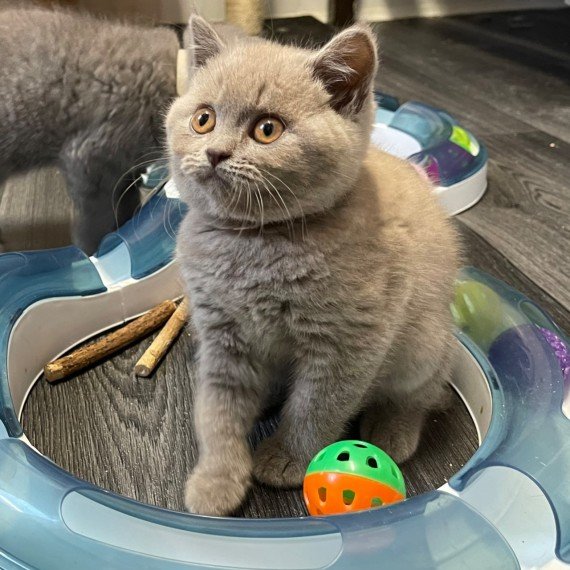
British Shorthair cats are renowned for their charming appearance, friendly demeanor, and robust health, making them one of the most popular feline breeds around the world. With their distinctive round faces, plush coats, and captivating personalities, these cats not only make remarkable companions but also bring joy and warmth to any household. If you’re considering adding a British Shorthair to your family, it’s essential to know where to buy one and what specific care they require. This article will provide an in-depth look at the characteristics of British Shorthairs, guide you on where to find reputable breeders and shelters, and offer valuable tips on their care and health. Whether you’re a first-time cat owner or a seasoned enthusiast, this comprehensive guide will help you make an informed decision about welcoming a British Shorthair into your home.
Overview of British Shorthair Cats
History and Origin
The British Shorthair boasts a rich history that dates back to ancient Rome, where they were used as working cats to keep vermin at bay. With a lineage that could impress even the most dedicated family tree enthusiast, they became a beloved breed in the UK during the 19th century, thanks in part to cat shows. Their stout build and plush coat quickly won hearts, leading to a surge in popularity. Now, they’re the pride of British homes, often associated with the famous cartoon character, the Cheshire Cat.
Popular Varieties and Colors
While the British Shorthair is most famously known for its plump, blue-gray coat, there’s a rainbow of colors and patterns to explore. From classic tabby and handsome white to striking black, cream, and the occasionally flamboyant chocolate or lilac, there’s a British Shorthair for everyone! Patterns like bicolor, colorpoint, and even tuxedo add a stylish flair to these already fashionable felines.
Characteristics and Traits of British Shorthairs
Physical Attributes
British Shorthairs are the bodybuilders of the cat world, sporting a stocky build and a round face that could give any teddy bear a run for its money. With dense, plush coats that invite endless petting, they often weigh between 9 to 18 pounds. Their large, round eyes can be copper, gold, or even blue, depending on their coat color, and their sturdy paws make them look as if they could step into a boxing ring at any moment.
Temperament and Behavior
These cats exude an air of quiet confidence, with a calm demeanor that makes them perfect companions. British Shorthairs are known for being easygoing and adaptable, showing affection in a subtle yet satisfying way. They’re not overly demanding, preferring to lounge around and occasionally show off their playful side, often engaging in slightly more dignified games of chase or pounce.
Suitability for Families and Other Pets
British Shorthairs are like that dependable friend who always shows up with snacks—they’re great with kids and other pets! Their laid-back attitude makes them an excellent choice for families, while their gentle nature means they often get along with other cats and dogs. Just be prepared for the occasional wrestle session with a sibling—after all, who can resist a good playful tussle?
Best Places to Buy British Shorthair Cats
Reputable Breeders
If you’re on the hunt for a purebred British Shorthair, finding a reputable breeder is vital. Look for those who prioritize health and temperament, and don’t be shy about asking for references. A responsible breeder will ensure their cats are well-socialized and come with health guarantees—plus, they’ll likely have a wealth of knowledge to share about your future feline friend.
Animal Shelters and Rescue Organizations
Don’t forget about shelter cats! British Shorthairs can pop up in rescue organizations and shelters, waiting for their forever homes. Adopting from these places not only gives a deserving cat a second chance but also contributes to reducing the overall population of homeless pets. Plus, you might just find a quirky personality that needs a place to shine.
Online Platforms and Marketplaces
If you’re more of an online shopper, various platforms and marketplaces can connect you with breeders and rescues. Just remember to do your due diligence! Check reviews, request pictures, and trust your instincts. The internet is vast, but it’s also a great way to find the perfect fluffy companion—just make sure you avoid any catfishing!
Considerations When Choosing a Breeder
Questions to Ask the Breeder
Before deciding, arm yourself with a list of questions for your potential breeder. Inquire about health testing, vaccination records, and the socialization of the kittens. Asking about their breeding philosophy and history can provide insight into the care and love that goes into raising each furry family member.
Visiting the Breeder’s Facility
Nothing beats a good old-fashioned visit! If possible, go see the breeder’s facility to ensure it’s clean and that the cats are well cared for. Observe how the animals are treated and if they seem happy and healthy. A reputable breeder will be open to visits and eager to show you around—after all, it’s a big decision for both you and the cat!
Understanding Breeding Practices
Take the time to learn about the breeder’s practices. Responsible breeders prioritize health and genetic diversity over profit margins. They should be transparent about how they breed their cats and ensure that they’re not overbreeding or crossing unhealthy pairs. You want to be sure you’re supporting ethical practices that lead to healthy and happy kitties!
Costs Involved in Purchasing a British Shorthair
Initial Purchase Price
When it comes to bringing a British Shorthair into your home, brace yourself—these adorable balls of fluff don’t come cheap! Prices typically range from $1,000 to $2,500, depending on factors like pedigree, breeder reputation, and location. Remember, you’re not just buying a cat; you’re investing in a loyal companion who’s likely to steal your heart (and your spot on the couch).
Ongoing Care Expenses
Once you’ve shelled out for that initial purchase, the expenses don’t stop there. Ongoing care expenses can include high-quality food (British Shorthairs are notorious foodies), regular grooming supplies, litter and litter box maintenance, and, of course, toys to keep them entertained. On average, you might be looking at about $50 to $100 a month. Think of it as a small price to pay for the snuggles and headbutts you’ll receive in return.
Insurance and Health Costs
When budgeting for a British Shorthair, don’t forget about health insurance—a safety net for your feline friend’s unexpected medical needs. Monthly premiums can range from $20 to $50, and it’s a worthy consideration given their potential health issues. Plus, regular vet check-ups will add a little more to your expenses, but staying on top of health care can save you from unexpected vet bill shock down the line.
Essential Care and Maintenance Tips
Diet and Nutrition
Ensuring your British Shorthair eats like royalty is essential. These cats thrive on a high-quality diet rich in protein, so look for cat food that lists meat as the primary ingredient. Their adorable round faces can also be prone to weight gain, so keep an eye on portion sizes. A balanced diet will keep them lush, happy, and model-ready for their next Instagram close-up.
Grooming Requirements
While British Shorthairs have short fur, they shed—oh boy, do they shed! Regular brushing will not only help manage that fur storm but also keep their coat looking sleek and shiny. Aim for a brushing session once a week, and don’t forget about those adorable little nails! Regular trims will save your furniture (and your skin) from accidental scratches during playtime.
Exercise and Play Needs
These playful pusses need a mix of both mental and physical stimulation. Fetch (yes, fetch!), interactive toys, and climbing towers will keep them entertained and fight off potential boredom-induced mischief. Aim for at least 20-30 minutes of playtime each day to keep your British Shorthair happy and healthy. Plus, it’s a great excuse for you to join in on the fun and spend quality time together!
Health Concerns and Lifespan of British Shorthairs
Common Health Issues
British Shorthairs are generally sturdy, but they do have a few health issues that could pop up, such as hip dysplasia, heart disease, and obesity. Regular vet visits and a watchful eye on their diet will help nip problems in the bud. Just like us, they need check-ups to ensure they’re living their best lives!
Regular Veterinary Care
Routine vet visits are critical in keeping your British Shorthair in tip-top shape. Annual check-ups, vaccinations, and preventative care should be part of your furry friend’s schedule. Additionally, dental care can’t be overlooked! Regular teeth cleaning—either at home or through vet visits—will keep their smiles as charming as ever.
Life Expectancy
With proper care, British Shorthairs can live a happy life averaging 12 to 20 years. That’s two decades of cuddles, purring, and perhaps a few sass-filled side-eyes. Keep in mind that diet, exercise, and healthcare play significant roles in determining their lifespan, so make sure to shower them with love and attention.
Conclusion: Making an Informed Decision
Recap of Key Points
In summary, British Shorthairs are charming companions that require a financial commitment, ongoing care, and regular vet visits to ensure they stay healthy and happy. Their luscious coats, playful personalities, and adorable squishy faces make them a fantastic addition to any household—just be ready for all the fur and fun that comes along with them!
Final Thoughts on Owning a British Shorthair
Owning a British Shorthair can be a rewarding adventure filled with love and laughter. With their quirky personalities and affectionate nature, they have a way of turning a house into a home. Just be prepared for a little extra fluff and a whole lot of personality. If you’re ready to commit and bring one into your life, you’re in for an adorable journey!In conclusion, British Shorthair cats offer a delightful blend of charm, loyalty, and companionship that can enrich your life. By understanding their unique needs and traits, you can ensure a happy and healthy environment for your new feline friend. Whether you choose to adopt from a shelter or purchase from a reputable breeder, taking the time to research and prepare will help you make the best decision for you and your future British Shorthair. Embrace the journey of cat ownership and enjoy the many joys that these wonderful cats bring to your home.
Frequently Asked Questions
1. How much do British Shorthair cats typically cost?
The cost of a British Shorthair cat can vary significantly based on factors such as the breeder’s reputation, the cat’s lineage, and regional pricing. Generally, prices can range from $800 to $2,000, with purebred kittens from reputable breeders on the higher end of that scale.
2. Are British Shorthairs good with children and other pets?
Yes, British Shorthair cats are known for their gentle and friendly temperament, making them great companions for children and other pets. They are typically social and adaptable, although early socialization can help ensure they develop positive relationships with all family members.
3. What are the common health issues associated with British Shorthair cats?
British Shorthairs can be prone to certain health issues, including hypertrophic cardiomyopathy (a heart condition), obesity, and dental problems. Regular veterinary check-ups and a balanced diet can help mitigate these risks and ensure a long, healthy life.
4. How much grooming do British Shorthair cats require?
British Shorthairs have a dense and plush coat that requires regular grooming, typically once a week. This helps to reduce shedding and prevent matting, as well as to keep their skin healthy. During shedding season, more frequent grooming may be beneficial.