
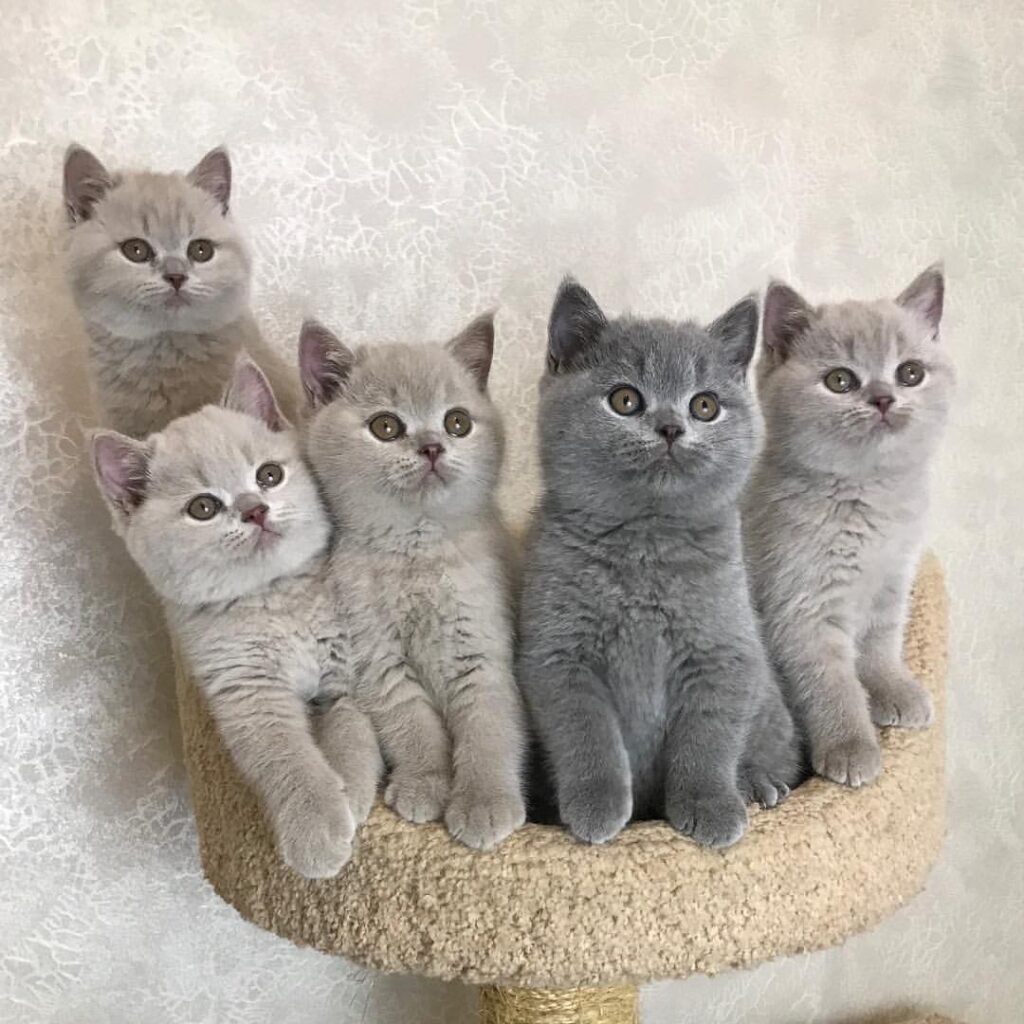
If you’re considering adding a British Shorthair kitten to your family, you’re in for a delightful journey filled with companionship and charm. Renowned for their plush coats, round faces, and gentle personalities, British Shorthairs make wonderful pets for both first-time and experienced cat owners. However, before you bring one of these adorable kittens home, it’s essential to understand the breed’s unique characteristics, find a reputable breeder, and prepare your living space for their arrival. This buying guide will help you navigate the process of finding British Shorthair kittens for sale locally, ensuring you make an informed and responsible choice that leads to a happy and healthy addition to your household.
Understanding the British Shorthair Breed
History and Origin
The British Shorthair’s story could rival a movie plot. They date back to the Roman times when they were brought to Britain to help control the rodent population. Over the years, these cats evolved into the charming, stocky darlings we know today, thanks to selective breeding that emphasized their robust physique and lovely round faces. They even made a cameo in the popular cartoon “The Adventures of Paddington Bear”! Talk about historical significance!
Physical Appearance
Picture a cat that looks like it was sculpted from a plush toy—welcome to the British Shorthair! They boast a muscular build, dense coat, and round face with captivating large eyes that can come in a stunning array of colors. Their chubby cheeks scream “cuddle me!” and their short, thick fur can range from a rich blue-grey to cream, tabby, or even color-point. Basically, they’re the cat version of the perfect couch companion.
Temperament and Behavior
British Shorthairs are the cool cats of the feline world—calm, confident, and a tad quirky. They’re not the “in-your-face” type but will gladly accept a good petting session. These laid-back furballs are known for their loyalty and affection, making them perfect lap warmers. They enjoy playtime but tend to be more of the “watching the world from the window” kind rather than extremely active. They’re like the couch potato of kittens with a dash of royal poise!
Key Characteristics of British Shorthair Kittens
Coat Colors and Patterns
One of the delightful things about British Shorthairs is their variety of coat colors and patterns. From the quintessential blue-grey to chocolate, lilac, and everything in between, these kittens are essentially little canvases. Plus, their coats can sport patterns like tabby, bicolor, or even tortoiseshell. It’s like choosing a favorite ice cream flavor—good luck sticking to just one!
Size and Growth Expectations
Get ready to be surprised when your kitten grows into an impressive feline! British Shorthair kittens start small and cute but can weigh anywhere from 7 to 17 pounds as adults, depending on their genetics and care. Expect them to grow gradually and fill out around their second year. If you find your lap is starting to feel a bit heavier, just remember: it’s all muscle under that adorable layer of fluff!
Health Considerations
While British Shorthairs are generally sturdy and resilient, they do have some health quirks to keep in mind. They’re prone to certain hereditary conditions, including hypertrophic cardiomyopathy (a heart condition) and obesity. Regular vet check-ups, a balanced diet, and some active playtime can help keep your squishy buddy healthy and thriving. After all, you want them to stay around for all those cuddles on the couch!
Factors to Consider Before Buying
Living Arrangements
Before bringing home a British Shorthair, assess your living situation. Do you dwell in a studio apartment or a sprawling mansion? These cats adapt well to various environments, but they do enjoy a bit of space to stretch their legs. Ensure you have a cozy nook or a sunny spot for them to lounge—after all, they take their relaxation seriously!
Allergies and Sensitivities
If you or someone in your household has allergies, it’s essential to consider how feline-friendly your home can be. British Shorthairs are known for producing fewer allergens, but they’re definitely not hypoallergenic. Spend some quality time with cats before committing, so you know if your sneezes will turn from “achoo!” to “awww!”
Time Commitment and Lifestyle
Kittens are not just cute fluff balls; they come with a lifetime commitment. British Shorthairs thrive on companionship and don’t appreciate being left alone for long stretches. If your schedule resembles a whirlwind of activities, you might want to consider adopting two—because who wouldn’t want double the British cuteness? Schedule time for play, grooming, and snuggles; after all, they expect to be treated like royalty!
Finding Reputable Breeders Locally
Researching Breeder Credentials
Before you dive into the wonderful world of British Shorthair kittens, do your homework on breeders. Look for ones that are registered with recognized cat breeding organizations and can provide health clearances. A reputable breeder should be transparent about their practices and willing to answer all your burning questions. If they seem shifty or evasive, run faster than a kitten at the sound of a treat bag!
Visiting Breeders in Person
Visiting a breeder in person is like a sneak peek into a kitten wonderland. Take the opportunity to see the living conditions, meet the kittens, and gauge the atmosphere. A good breeder will let you interact with the kittens and will be happy to showcase their nurturing environment. If the place smells like roses and the kittens are running around like they own the place, you’re probably onto something good.
Online Resources and Listings
In this digital age, the internet can be a treasure trove for finding reputable British Shorthair breeders. Websites like breed clubs, social media groups, and online marketplaces can provide listings and reviews. Just remember, though—if the listing looks like it’s straight out of a fairy tale, it might be too good to be true. Stick to trusted sources and dodge the online traps like a pro!
Questions to Ask Breeders
Health Screening and Vaccinations
Before you bring home your new fluffy overlord, it’s crucial to inquire about their health history. Ask the breeder about health screenings they perform on their kittens and their parents. Vaccinations should be up to date—after all, you don’t want your future feline companion starting their new life with a sneeze or a wheeze. Request documentation to ensure your new kitten has been checked for common health issues, and don’t be shy about asking if the breeder has a health guarantee!
Socialization Practices
A well-socialized kitten is usually a happy kitten. Ask the breeder how they socialize their kittens. Are they exposed to different sounds, sights, or even the family dog? Ideally, you want a kitten that has had some positive interactions with people and other pets, so they can seamlessly integrate into your home-life chaos. The more they’ve been exposed to, the better!
Return Policies and Guarantees
It’s always good to know if there’s a safety net in case things don’t go as planned. Ask about the breeder’s return policy and any health guarantees they offer. A reputable breeder will often have a policy in place allowing you to return the kitten if things aren’t working out. Understand the terms and conditions, because no one wants to be stuck with a kitten and a mountain of unexpected surprises!
Initial Costs and Ongoing Expenses
Purchase Price of Kittens
Brace yourself! The purchase price of your British Shorthair kitten usually ranges from $1,000 to $3,000, depending on lineage and breeder reputation. Yes, those plush, round faces do come at a premium, but they’re worth every penny when you see them lounging around like royalty. Budget accordingly, and don’t forget to factor in your “oops” fund for those unexpected kitten shenanigans.
Supplies and Equipment
Kittens come with a hefty shopping list—think of it as their welcome gift to you. You’ll need a litter box, food and water dishes, high-quality kitten food, toys, scratching posts, and maybe even a cat tree that doubles as a futuristic throne. Expect to spend around $200 to $400 for starters. And let’s be honest—who doesn’t want to spoil their new furry friend?
Veterinary Care and Insurance
Regular check-ups, vaccinations, and potential emergency visits are part of the package. Budget around $300 to $500 annually for veterinary care, and consider getting pet insurance to help ease the financial burden of any unexpected health issues. After all, medical bills can pile up faster than a cat on your keyboard.
Preparing Your Home for a New Kitten
Creating a Safe Environment
Before you unleash your little bundle of joy into your home, make it a safe haven. Remove any toxic plants, secure loose wires, and stash away breakables. Consider kitten-proofing cabinets and using furniture anchors if you have a climber on your hands. Remember, a curious kitten is an adventurous kitten—and not always in a good way!
Essential Supplies Checklist
Here’s a quick list to ensure you’re fully stocked before the big arrival:
– Litter box and litter
– Food and water bowls
– High-quality kitten food
– Scratching posts and toys
– Cat tree or cozy bed
– Carrier for vet visits
The last thing you want is to realize you’re out of kitty litter at 11 PM!
Introducing the Kitten to Your Home
When your new British Shorthair arrives, give them a designated space to explore, like a cozy room with all their essentials. Let them acclimate at their own pace. You can show them around once they seem comfortable. And remember, patience is key—your little furball might need some time to adjust before they start zooming around like a tiny tornado!
Post-Purchase Care and Socialization Tips
Establishing a Routine
Cats thrive on routine, even if they pretend to be aloof. Establish a feeding and play schedule to help your kitten feel secure. This will not only help the little diva know when to expect food, but also keep them mentally stimulated. Mealtime can be a great bonding experience, so use it wisely!
Training and Behavior Management
Start basic training early—yes, kittens can learn! Use positive reinforcement to encourage good behavior. If they attempt to climb your curtains, redirect them to a scratching post. Consistency is key, and a firm “no” can go a long way. Just remember, they’re not little monsters—they’re just practicing their hunting skills while trying to set the rules!
Building a Bond with Your Kitten
Spend quality time with your kitten each day. Playtime with toys, gentle petting, and quiet cuddling sessions will help build trust and affection. Talk to them as if they understand every word—after all, who knows what secrets this furry little creature might have? The stronger your bond, the more likely they’ll turn into your loyal, snuggly companion! Bringing a British Shorthair kitten into your home can be an incredibly rewarding experience, filled with love and joy. By following the tips and guidelines outlined in this buying guide, you can ensure that you choose a healthy, well-socialized kitten from a reputable breeder and create a nurturing environment for your new feline friend. Remember, the journey doesn’t end once you bring your kitten home; ongoing care, training, and companionship will foster a lifelong bond that enriches both your lives. Enjoy the adventure of welcoming a British Shorthair into your family!
Frequently Asked Questions
What is the average price of a British Shorthair kitten?
The price of a British Shorthair kitten can vary significantly based on factors like the breeder’s reputation, the kitten’s lineage, and location. On average, you can expect to pay between $1,500 and $3,000.
Are British Shorthair kittens hypoallergenic?
No, British Shorthairs are not considered hypoallergenic. They do produce allergens, so if you or someone in your household has allergies, it’s essential to spend time with the breed before making a decision.
How do I prepare my home for a new British Shorthair kitten?
To prepare your home, create a safe space for your new kitten, purchase essential supplies such as food and water bowls, a litter box, scratching posts, and toys, and ensure that any hazardous items are out of reach.
What should I expect in terms of grooming for a British Shorthair?
British Shorthairs have dense coats that require regular grooming. Brushing them at least once a week helps reduce shedding and matting, while also keeping their skin healthy. Regular nail trimming and ear cleaning are also important for their overall care.