
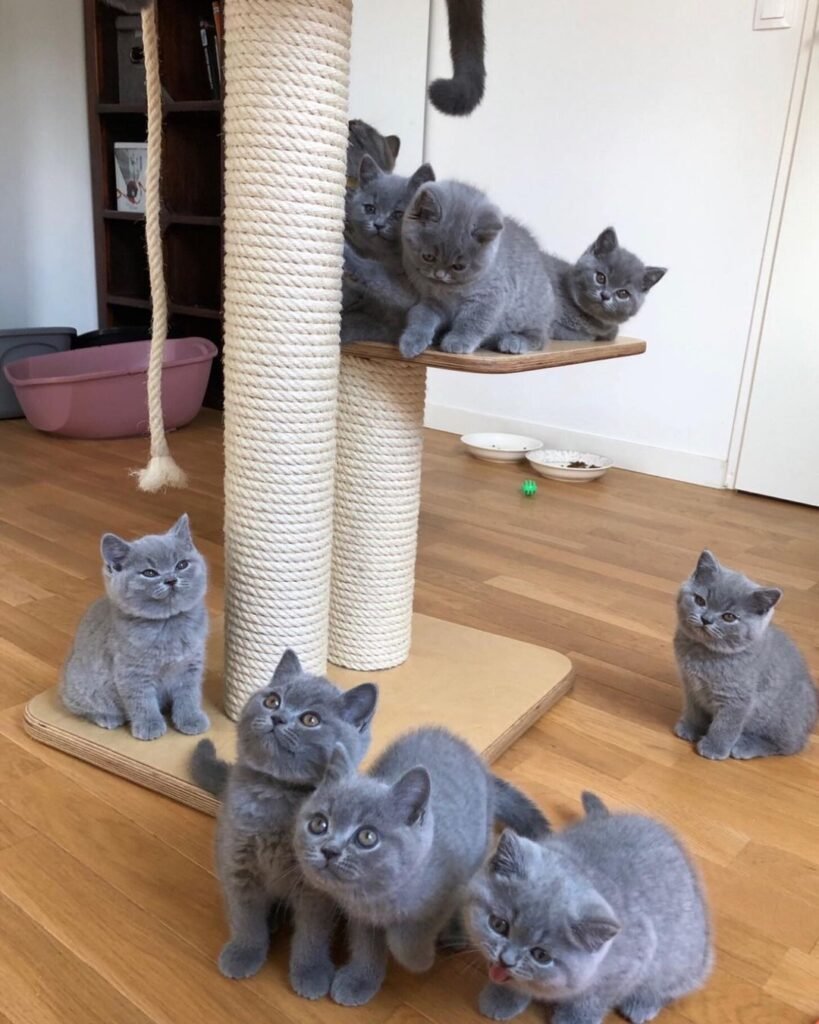
If you’re searching for a feline friend that embodies charm, playfulness, and a regal presence, look no further than the British Shorthair. Known for their plush coats, round faces, and calm demeanor, these cats have become increasingly popular among pet lovers. Whether you’re a seasoned cat owner or a first-time adopter, finding the perfect British Shorthair kitten can be an exciting journey. In this article, we will explore the characteristics of this beloved breed, guide you through the process of locating nearby kittens for sale, and provide essential tips to ensure a smooth transition for both you and your new furry companion.
Introduction to British Shorthair Cats
Overview of the Breed
If you’re on the hunt for a cat that balances chubby charm and a laid-back demeanor, look no further than the British Shorthair. These delightful felines boast dense, plush coats and round faces that could easily be the poster cats for “adorable.” With a history of being the ideal British companion, they’re the furry sidekicks of choice for those who appreciate classic charm with a sprinkle of personality.
Historical Background
British Shorthairs have a history as rich as a well-brewed cup of Earl Grey. They descend from the cats brought to Britain by the Romans, who used these sturdy fellows for pest control (truly, they were the original cat-nappers!). Over the years, they’ve grown into the beloved breed we know today, gaining a reputation not just as good mouser but also as a steadfast companion. Their royal status was further solidified when they became the inspiration for the Cheshire Cat in Lewis Carroll’s “Alice’s Adventures in Wonderland.” Talk about a legendary lineage!
Characteristics of the British Shorthair Breed
Physical Traits
British Shorthairs are not just a pretty face; they come with a hearty build that reflects their noble heritage. With round heads, short necks, and stocky legs, they manage to look both cuddly and regal at the same time. Their coats are thick and plush, available in a kaleidoscope of colors, but the classic blue-gray variant often steals the spotlight. And let’s not forget those large, expressive eyes that can go from “I’m just napping” to “What’s for dinner?” in a blink.
Temperament and Personality
When it comes to temperament, British Shorthairs take the cake—well, the whole bakery, really. They are known for their calm and easygoing nature, making them the perfect couch companions during a witty Netflix binge. While they can be a bit aloof at times, don’t be fooled; they enjoy a good cuddle session and will often seek you out for some quality petting. With a characteristic patience, these cats are great at adapting to various lifestyles, whether you’re a bustling city dweller or a cozy country caretaker.
Common Color Variations
The British Shorthair isn’t a one-trick pony. While the classic blue-gray is the most notable, you can find these beauties in a rainbow of shades, including black, white, cream, chocolate, and even lilac. Each color variation offers a unique twist on their adorable appearance, with some even sporting patterns like tabby or bicolor. No matter which hue you choose, they’re sure to steal your heart (and maybe some of your snacks).
Benefits of Owning a British Shorthair
Affectionate Companionship
If you’re in the market for a cat who can provide endless affection without being overly needy, look no further than the British Shorthair. Their independent yet loving nature means they’re happy to lounge nearby while you binge-watch your favorite series, occasionally stepping in to remind you it’s time for a snack break. They’ll warm your lap and your heart with their gentle purrs and calm presence.
Low Maintenance Care
Let’s be honest, who has time for high-maintenance pets? British Shorthairs come with a low-maintenance care package that includes minimal grooming thanks to their short, dense coats. A regular brushing here and there is all they require to keep their fur looking fabulous. Plus, they’re typically not the type to make a fuss about baths—unless, of course, you’re trying to get them in the water, in which case, good luck!
Good with Families and Children
If you have kids—or plan to have some in the near future—the British Shorthair is a fantastic choice. Their calm demeanor, along with a natural tolerance for the antics of children, makes them a perfect playmate. They handle pets and hugs remarkably well, proving to be both a loyal friend and a watchful companion. Just make sure the kiddos understand the importance of gentle love; no one likes a surprise hairball during playtime!
Finding Nearby British Shorthair Kittens for Sale
Online Resources and Platforms
The internet is a treasure trove for prospective cat parents! Websites like Petfinder and Adopt-a-Pet are great starting points for finding British Shorthair kittens for adoption. Don’t forget to explore social media platforms and forums where breeders and owners often share information on upcoming litters. Just remember, if a kitten’s eyes look too big to resist, it’s probably best not to scroll too long!
Local Breeders and Catteries
If you prefer a more personal touch, researching local breeders and catteries might be your wish come true. Visit breed clubs or reputable breeder directories to ensure you’re connecting with ethical sources. And, of course, always make sure to meet the cats and ask lots of questions—after all, you’re about to become a proud cat parent, and those little paws deserve the best!
Rescue Organizations and Adoption Options
Consider checking with local rescue organizations, as many British Shorthairs find themselves in need of loving homes. Adopting a cat in need not only brings immense joy to your life but also helps give a deserving pet a second chance. Plus, you’ll have some incredible adoption stories to share! So, whether you’re looking for a fluffy furball or a distinguished elder statescat, there’s no shortage of opportunities to find the purrfect match.
Tips for Choosing the Right Breeder
Questions to Ask Potential Breeders
Finding the purr-fect British Shorthair starts with the right breeder. To ensure you’re dealing with someone trustworthy, consider asking these key questions:
– **What’s the pedigree of the kittens?** Understanding their lineage can reveal potential health issues.
– **Can I see the parents?** Meeting the mom (and maybe dad) helps gauge the temperament and health of the kittens.
– **What socialization practices do you use?** Kittens that are well socialized are generally friendlier and more adaptable.
– **What health screenings have been done?** A responsible breeder will have health screenings done for common breed-specific issues.
Signs of a Responsible Breeder
Identifying a responsible breeder can feel like finding a needle in a haystack, but there are clear signs to look for:
– **Cleanliness:** A tidy environment is a sign that the breeder cares about their animals.
– **Knowledgeable:** They should have a deep understanding of the breed and its needs.
– **Transparency:** Willingness to share health records and answer questions is a must.
Understanding Health Guarantees
Health guarantees might sound like the fine print on a car warranty, but they’re crucial when adopting a British Shorthair. Here’s what to look for:
– **Duration:** A good guarantee usually lasts at least a year, covering genetic conditions.
– **Conditions:** Understand what conditions are covered. Are common breed issues included?
– **Documentation:** Ensure you receive a written guarantee; it’s easier to reference than a vague promise over coffee.
– **Return Policies:** Some breeders offer options to return your kitten if health issues arise — it’s a sign they truly care.
Preparing Your Home for a New British Shorthair
Essential Supplies You’ll Need
Welcome the newest member of your family properly! Equip yourself with these essentials:
– **Food and Water Bowls:** Opt for stainless steel or ceramic to prevent pesky tipping and keep things clean.
– **Quality Cat Food:** Check with the breeder for suggestions, as diet can influence health and happiness.
– **Litter Box and Litter:** A low-entry box is great for kittens, and remember, scoop often; no one likes a stinky bathroom!
– **Scratching Post:** To save your furniture’s dignity, provide a scratching post to keep those claws busy.
Creating a Safe Environment
Your home should feel like a feline paradise! Here’s how to ensure safety:
– **Pet-Proofing:** Remove or secure anything breakable, poisonous, or lingering on high shelves—kitties are daring explorers!
– **Hide Wires and Cords:** Cats love to chew on wires; consider cord protectors or creative disguises.
– **Secure Windows and Balconies:** Screen those windows and keep balconies off-limits unless supervised.
– **Create a Cozy Space:** Set up a designated area with a bed, litter box, and toys for their comfort zone.
Introducing Your New Kitten to the Home
Proper introductions can set the stage for a harmonious household. Here’s how:
– **Start Small:** Allow your new kitten to explore one room at a time to avoid overwhelming them.
– **Supervised Exploration:** Gradually let them roam the house while keeping an eye on their antics.
– **Scent Exchange:** Swap bedding or toys between the new kitten and existing pets (if any) to familiarize scents.
– **Patient Introductions:** Give your other pets time to adjust; don’t force interactions right away—patience is your best friend.
Caring for Your British Shorthair: Essentials
Feeding and Nutrition Guidelines
Your British Shorthair is all about the food! Keep these nutrition tips in mind:
– **High–Quality Diet:** Choose premium cat food with real meat as the first ingredient to meet their nutritional needs.
– **Portion Control:** Follow the serving guidelines to avoid the dreaded kitty pudge.
– **Fresh Water:** Always provide plenty of fresh water; hydration is key to a healthy, happy cat.
– **Consider Age:** Kittens, adults, and seniors have different dietary needs; tailor the food to their stage of life.
Grooming and Hygiene Practices
Keeping your British Shorthair looking fabulous is no small feat! Here’s what you need to know:
– **Regular Brushing:** Their plush coats only need a weekly brush to remove loose fur and prevent matting.
– **Nail Trimming:** Stay on top of those claws—trim them every few weeks to keep your furniture safe and sound.
– **Dental Care:** Don’t forget about dental hygiene! Offer dental treats and regular brushing to keep their pearly whites sparkling.
– **Bathing:** Not usually necessary, but if they get into something sticky, a gentle bath can do wonders.
Regular Veterinary Care
Keep your feline friend healthy with regular vet visits:
– **Routine Check-Ups:** Schedule annual vet visits to keep vaccinations up-to-date and assess overall health.
– **Parasite Control:** Discuss flea and tick prevention options with your vet; no kitten wants uninvited guests.
– **Dental Check-Ups:** Regular dental exams are crucial for maintaining their overall health.
– **Spaying/Neutering:** If you aren’t planning on breeding, spaying or neutering is important for their well-being and reduces unwanted behaviors.
Conclusion: Embracing the Joy of a British Shorthair Companion
Summary of Key Points
Bringing home a British Shorthair isn’t just about snuggles and cute photos; it involves careful planning. Choose a responsible breeder, prepare your home with safe spaces and supplies, and don’t forget about their health and happiness through proper care.
Final Thoughts on Bringing Home a British Shorthair
Adopting a British Shorthair is like winning the proverbial cat lottery! They bring joy, companionship, and a sprinkle of mischief into your life. Embrace the love and laughter they offer—you’ll find that a British Shorthair isn’t just a pet; they’re a forever friend. Prepare for some serious cuteness overload and endless snuggles! In conclusion, bringing a British Shorthair into your home can be a rewarding experience filled with love and companionship.
Frequently Asked Questions
1. What is the average price of a British Shorthair kitten?
The price of a British Shorthair kitten can vary widely, typically ranging from $1,000 to $3,000, depending on factors like the breeder’s reputation, the kitten’s lineage, and geographic location.
2. Are British Shorthairs good with children and other pets?
Yes, British Shorthairs are known for their friendly and gentle nature, making them good companions for children and compatible with other pets when properly introduced.
3. How much grooming do British Shorthairs require?
British Shorthairs have a dense coat that requires regular grooming, ideally once a week, to prevent matting and reduce shedding.
4. What are common health issues associated with British Shorthairs?
While generally healthy, British Shorthairs can be prone to certain health issues, such as hypertrophic cardiomyopathy (HCM) and obesity. Regular veterinary check-ups are essential for early detection and management.