
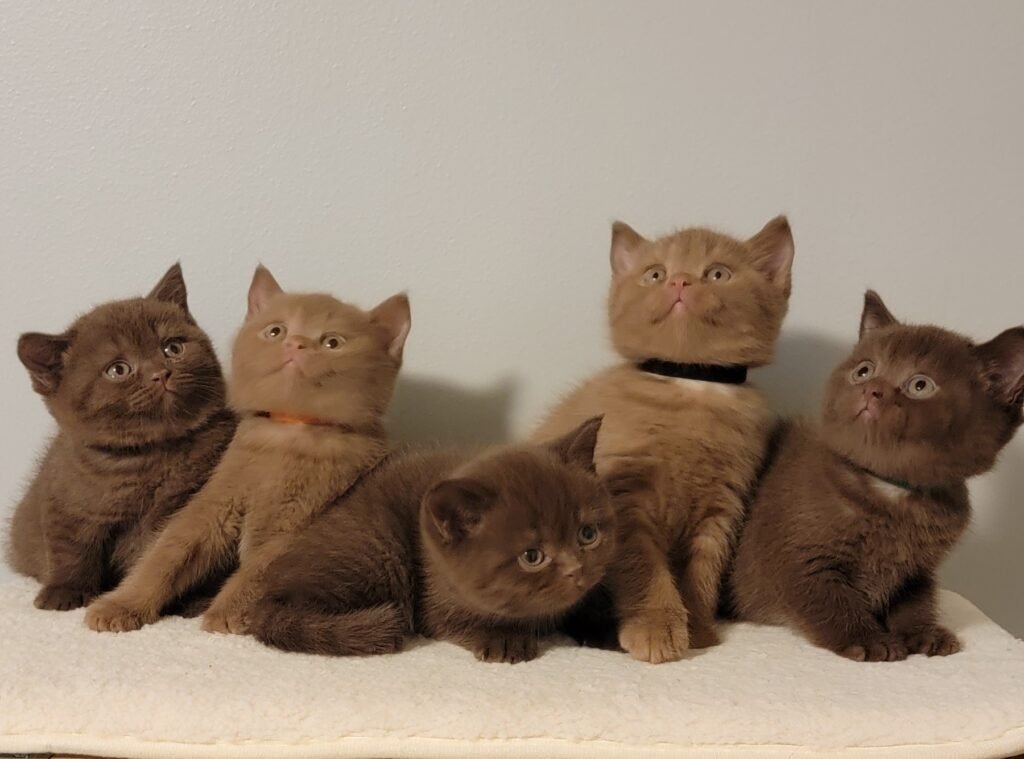
Owning a Brown British Shorthair Kitten can be a rewarding experience, but it’s essential to understand the financial implications involved in their care. From the initial purchase price to ongoing expenses like food, grooming, and veterinary care, the costs can add up significantly over time. This article will guide you through the various aspects of owning a British Shorthair, helping potential owners to make informed decisions about their investment in this beloved breed. By exploring each cost component, you will gain a comprehensive understanding of what it truly means to welcome a Brown British Shorthair into your home.
Overview of the British Shorthair Breed
History and Origin
The British Shorthair has a history as rich as a slice of fruitcake at Christmas. Thought to have descended from cats brought to Britain by the Romans, these charming furballs were initially farm cats, skilled at catching mice and rats. Over time, they became the darlings of the Victorian era, where they were selectively bred for their plush coats and stocky build. Today, they proudly carry their heritage as one of the oldest cat breeds, complete with a regal demeanor that makes them the aristocrats of the feline world.
Characteristics and Temperament
With their round faces, chunky bodies, and mysterious amber or copper eyes, Brown British Shorthairs are like furry teddy bears. Their coats, often a stunning shade of deep brown, are as soft as a cloud. When it comes to temperament, these cats are the introverts of the feline spectrum—affectionate yet independent, they enjoy a good cuddle but also value their personal space. They are known for being easy-going, intelligent, and sometimes just a bit aloof, making them purrfect companions for both families and solo dwellers alike.
Initial Purchase Price Considerations
Breeder vs. Adoption Costs
When it comes to acquiring a Brown British Shorthair, you have two main options: buying from a breeder or adopting from a shelter. If you choose the breeder route, be prepared to shell out anywhere from $1,500 to $3,000, depending on their reputation and the cat’s pedigree. On the flip side, adoption fees from shelters usually range from $50 to $200. While the latter is a budget-friendly option, remember that you might not get the purebred you’re after. So weigh your options—your wallet will thank you!
Factors Affecting Purchase Price
Several factors can influence the cost of your new furry friend. The breeder’s reputation, location, and the cat’s lineage play significant roles. If you’re buying a show-quality cat with championship bloodlines, you can expect to pay top dollar. Additionally, consider aspects like age, coloration, and even health guarantees offered by the breeder. Remember, when it comes to purchasing a cat, you often get what you pay for—just like with pizza, you can’t expect gourmet toppings from a budget chain!
Ongoing Care Costs
Routine Expenses
Once you’ve welcomed your Brown British Shorthair into your home, it’s time to factor in the ongoing care costs. On average, you can expect to spend around $50 to $100 per month on food, litter, and basic supplies. Don’t forget about grooming; these plush felines benefit from regular brushing to keep their coats looking their best. Add in pet insurance—approximately $30 to $50 per month—and you’ll find that maintaining your cat’s lifestyle can be akin to managing a small, furry budget.
Unexpected Costs
Life is full of surprises, and owning a cat is no exception. Unexpected costs can pop up like a cat jumping out of a box. From emergency vet visits to last-minute supply runs, it’s prudent to have a financial cushion. Setting aside an extra $100 to $300 a year for those “oops” moments can save you from a panicked trip to the vet or that dreaded trip to the pet store at 2 a.m. Preparing for the unexpected means you can focus on snuggling, rather than stressing about your wallet.
Health and Veterinary Expenses
Regular Check-ups and Vaccinations
Keeping your Brown British Shorthair in tip-top shape means regular vet visits are on the agenda. Annual check-ups and vaccinations typically cost between $100 and $300, depending on your location and the services provided. Think of these visits as a spa day for your kitty—necessary, beneficial, and likely to involve a few meows of discontent. Investing in preventative care will pay off in the long run, keeping your cat healthy and happy for years to come.
Common Health Issues
While British Shorthairs are generally robust, they are prone to a few health issues, particularly obesity and heart conditions like hypertrophic cardiomyopathy. Regular vet visits and a balanced diet can mitigate many of these risks, but you should still budget for potential medical expenses that may arise. On average, treatments for health issues can range from $200 to over $1,000, depending on severity and type of care required. So, while they might not need a personal trainer, it’s wise to keep an eye on their weight and overall health to avoid any hefty vet bills down the line!
Nutritional Needs and Food Costs
Types of Food for British Shorthairs
British Shorthairs may have a dignified appearance, but their taste buds are anything but snobby. To keep your fluffball happy and healthy, you’ll want to choose a high-quality diet. Look for premium cat foods that are rich in protein and low in fillers. Options include dry kibble, wet food, or a combination of both. Some owners even consider a raw or homemade diet, but remember, consulting with your vet is key to ensuring your cat gets all the necessary nutrients without turning into a culinary disaster.
Budgeting for Pet Food
When it comes to budgeting for your British Shorthair, think of cat food as your monthly investment in chin rubs and purrs. Quality cat food can range from $20 to $60 a month, depending on your chosen brands and the diet you decide on. Don’t forget to factor in treats—every well-mannered cat deserves a few goodies, right? Setting aside a little extra each month ensures you’re not scrambling to find the funds when it’s time to restock those gourmet kibble and fancy canned delights.
Grooming and Maintenance
Grooming Frequency and Techniques
Although British Shorthairs have plush, dense coats that lure you into frequent cuddle sessions, they’re actually low-maintenance when it comes to grooming. A good brushing once a week is usually sufficient to keep their fur shiny and free of mats. During shedding seasons (you know, twice a year when your cat doubles as a fuzzy dust bunny), you might want to brush them a bit more often. Not to mention, it’s a great excuse to bond over cat furball fashion shows.
Cost of Grooming Services vs. DIY
If brushing isn’t your cup of tea, you might be tempted to go the grooming service route. Expect to pay between $30 and $70 for a professional grooming session, depending on where you live and any additional services (like nail clipping) you opt for. However, investing in a quality brush and some gentle cat shampoo can save you bucks in the long run. As long as your British Shorthair doesn’t mind being your weekend grooming project, the DIY route can be both budget-friendly and a great way to connect.
Insurance Options for Pet Owners
Types of Pet Insurance Plans
Just like the joy of unveiling a new cat toy, pet insurance can be a delightful surprise—until you realize it’s actually essential. Most plans fall into three categories: accident-only, which covers unexpected mishaps; time-limited, which provides coverage for a limited time per condition; and lifetime, which is the golden ticket that offers continuous support for chronic issues. Weighing the pros and cons of each is key to finding the plan that matches your pet’s lifestyle and your budget.
Evaluating Insurance Costs and Benefits
Pet insurance can set you back around $20 to $70 monthly, depending on your chosen plan and your cat’s quirks. When evaluating your options, consider deductibles, co-pays, and reimbursement rates—these could make all the difference when Fluffy decides to borrow your favorite sock and gets a bit too adventurous. Compare plans carefully, keeping an eye on any breed-specific issues that might affect your British Shorthair, and remember: a well-planned policy can save you from an unexpected financial fur-astrophe.
Long-term Financial Commitment
Estimating Total Cost of Ownership
Owning a British Shorthair is like investing in a fuzzy, purring stock that appreciates in affection! Over their lifetime (which can be 12-15 years), the total cost of ownership can range anywhere from $10,000 to $20,000, including food, grooming, vet visits, and all the miscellaneous catnip you can handle. Break it down annually, and you’ll find it’s roughly $1,000 to $1,500 a year—an investment worth every purring penny, if you ask any cat lover.
Planning for Future Expenses
When pondering future expenses, keep an eye on potential emergencies or health conditions that may pop up as your British Shorthair ages. Consider setting aside a rainy-day fund (or should we say, a catnip fund) for unexpected vet visits or mishaps. With a little planning, you can ensure that your feline friend continues to live their best life without breaking the bank—or your heart—when those unexpected expenses arise. Because let’s be honest, no one wants to be scrambling for funds while their beloved kitty is giving them the old “I’m not feeling so great” look. In conclusion, understanding the costs associated with owning a Brown British Shorthair Kitten is crucial for any prospective pet owner. By carefully considering the initial purchase price, ongoing care, health expenses, and other factors, you can ensure that you are fully prepared for the financial commitment involved.
FAQ
What is the average cost of a Brown British Shorthair Kitten?
The average cost of a Brown British Shorthair Kitten can range from $1,500 to $3,000, depending on the breeder and lineage.
Are British Shorthairs prone to any specific health issues?
Yes, British Shorthairs can be prone to certain health issues such as hypertrophic cardiomyopathy (HCM) and obesity. Regular veterinary check-ups are essential for early detection and management.
How often should I groom my British Shorthair?
British Shorthairs typically require grooming once a week to manage shedding and maintain their coat health. More frequent grooming may be needed during shedding seasons.
Is pet insurance worth it for a British Shorthair?
Pet insurance can be a valuable investment, as it helps cover unexpected veterinary expenses, especially for common health issues associated with the breed. Evaluating different plans can help you find the best fit for your budget and needs.