
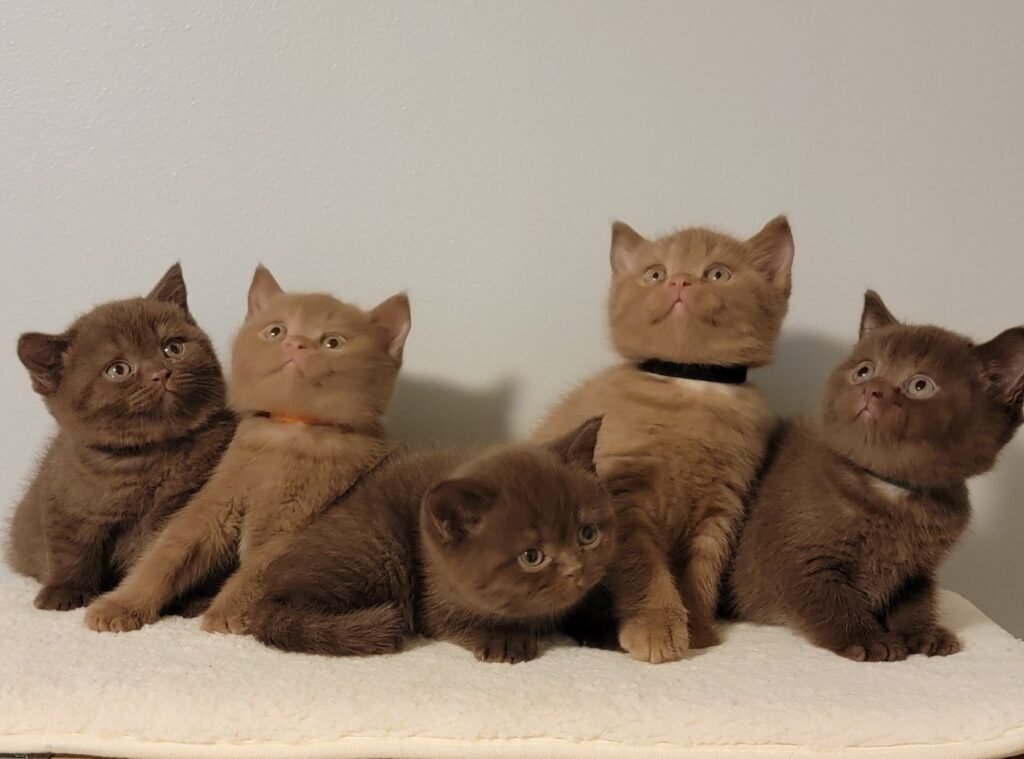
Bringing a Brown British Shorthair kitten into your home is an exciting and rewarding experience. Known for their charming personalities, plush coats, and distinctive round faces, these kittens make wonderful companions. However, caring for a young British Shorthair requires understanding their unique needs and characteristics. This complete guide will cover everything you need to know about preparing for and nurturing your new furry friend, from selecting the right supplies and nutrition to grooming and health care, ensuring a happy and healthy life for your kitten.
1. Understanding the Brown British Shorthair Breed
1.1. Origin and History
The Brown British Shorthair is like the James Bond of cats—cool, classic, and with a fascinating backstory. Originating in England, this charming breed descends from the domestic cats of the Roman Empire. They were once the fierce hunters of vermin, but as time passed, they swapped their capes for cuddles and became beloved companions. Their thick, plush coats and round faces have won hearts across the globe, leading to their emergence as a popular choice in homes.
1.2. Physical Characteristics
With a physique that screams “I lift weights” and a face that says, “I’m adorable,” the Brown British Shorthair boasts a sturdy, muscular body, wide-set eyes, and a broad head. Their short, dense fur is a rich chocolate color, making them look like a chocolate truffle that’s too cute to eat (but please don’t try!). They generally have noteworthy chubby cheeks and paws that are perfectly proportioned, giving them that overall “I could star in a cat food commercial” charm.
1.3. Personality Traits
Personality-wise, the Brown British Shorthair is like that reliable friend who always shows up with snacks. They’re known for their affectionate yet independent nature. They can be playful and curious, but they also appreciate their alone time—perfect for when you need to binge-watch your favorite series without interruption. These cats are generally easygoing, adaptable, and even a bit goofy at times, making them delightful companions for families and individuals alike.
2. Preparing Your Home for a New Kitten
2.1. Creating a Safe Environment
Before your new furry friend arrives, it’s time for a home makeover, safety-style! Remove hazards like toxic plants, dangling cords, or anything that looks remotely chewable (including your favorite shoes). Ensuring a kitten-proof space means a happy, safe kitty and fewer “oops” moments. Also, remember to keep windows closed or secured and to store away any cleaning supplies that could lead to unfortunate kitty encounters.
2.2. Designing a Cozy Space
Your Brown British Shorthair will want a cozy nook to call its own. A soft bed in a quiet corner is perfect for those lazy kitty naps (which will happen—often). Consider creating a vertical space with cat trees or shelves for climbing, as these little adventurers love to explore their kingdom from above. Add some blankets and maybe even a sprinkling of catnip to elevate the coziness level to “purring paradise.”
2.3. Introducing Your Kitten to Other Pets
If you have other pets, introducing them to your new Brown British Shorthair requires a bit of finesse—think of it as hosting a family reunion. Start with scent swapping (yes, this involves some sniffing) and gradual interactions. Keep initial meetings short and supervised. Treats for everyone can ease the tension and help form that bond. Just remember: patience is key, as not all pets will roll out the welcome mat immediately.
3. Essential Supplies for Your Brown British Shorthair
3.1. Food and Water Dishes
Investing in sturdy, easy-to-clean food and water dishes is essential. Go for ceramic or stainless steel to prevent breakage and keep things sanitary (because no one wants the “smelly bowl” drama). Ensure they’re the right size for your kitten’s wee paws, and place them in a low-traffic area to prevent any accidental spills during cat zoomies!
3.2. Litter Box and Accessories
A litter box is non-negotiable. Choose a box that’s accessible yet private—think cat spa, not public restroom. You’ll want to have high-quality litter (clumping, if possible) and a scoop for easy clean-up. Pro tip: place the litter box in a quiet area, away from food and play zones, so your kitten can keep their bathroom habits discreet.
3.3. Toys and Enrichment Activities
Your Brown British Shorthair will need the ultimate playtime arsenal to satisfy its inner hunter. Stock up on a variety of toys like wands, balls, and interactive puzzles. Rotate the toys every now and then to keep things fresh and exciting—because who doesn’t love a good surprise? Incorporating playtime not only provides exercise but also strengthens the bond between you and your feline companion.
4. Nutrition and Feeding Recommendations
4.1. Choosing the Right Food
Selecting the right food for your Brown British Shorthair is crucial. Look for high-quality cat food that lists real meat as the first ingredient, and consider whether wet or dry food works best for you and your kitty. It’s like choosing between chocolate cake and chocolate chip cookies—both are great, but one may suit your preferences a bit more. Consult your vet for specific dietary recommendations tailored to your kitten’s needs.
4.2. Feeding Schedules
Establishing a feeding routine helps your kitten understand mealtime (and keeps those hungry meows to a minimum). Starting with three to four small meals a day is usually best for kittens. As they get older, you can switch to twice-a-day feeding—think brunch and dinner, not late-night snacks. Just remember: your kitten will need to learn that mealtime doesn’t include eating your lunch when you’re not looking!
4.3. Treats and Supplements
Treats can be a fantastic way to bond and reward your Brown British Shorthair, but moderation is key—think of them as the dessert of their diet. Choose healthy treats and don’t forget to factor them into your kitten’s daily caloric intake. If your furry friend needs any supplements (like omega-3s for a shiny coat), check in with your vet to ensure you’re on the right track toward keeping your kitty in tip-top shape.
5. Health Care and Regular Vet Visits
5.1. Vaccination Schedule
Vaccinations are your kitten’s ticket to a healthy life. Start with a trip to the vet around 6 to 8 weeks for her initial shots. You’ll want to follow a schedule that typically includes vaccinations for feline distemper (panleukopenia), calicivirus, and rhinotracheitis. Don’t forget the rabies shot; many places require it by the time your kitten is 12 weeks old. Keep track of those booster shots like they are the hottest concert tickets in town!
5.2. Parasite Control
Kittens are naturally curious and love to explore, which can sometimes lead to unwelcome guests—think fleas and worms. Talk to your vet about a suitable parasite prevention routine, and don’t skip those regular deworming treatments. If you find your kitten scratching more than a DJ at a party, it’s time to take action!
5.3. Routine Check-Ups
Regular vet visits are like a wellness check-up for your kitten’s overall health. Aim for biannual visits in her first year. Your vet will assess her growth, administer any necessary vaccines, and catch potential health issues before they become serious. Plus, it’s a great excuse to show off that adorable face—everyone loves a kitten!
6. Socialization and Training Tips
6.1. Early Socialization Techniques
Socialization is vital for shaping your little furball into a well-adjusted adult. Start early by introducing her to various people, pets, and environments. Make it a fun adventure! Positive experiences during her critical developmental period (around 2 to 9 weeks old) will build her confidence and reduce the likelihood of shyness or aggression later.
6.2. Basic Training Commands
Your kitten is a blank slate—time to get her to learn some basics! Use treats and positive reinforcement to teach commands like “sit” and “come.” Keep the training sessions short, fun, and full of praise. After all, who can resist a little feline charm? The sooner she learns who’s in charge, the better (hint: it’s you).
6.3. Addressing Behavioral Issues
So your kitty has decided that your favorite chair is her personal scratching post? It’s time to intervene! Redirect unwanted behaviors gently—offer a scratching post instead and praise her for using it. Consistency is key. If she’s acting out, explore the reasons behind her behavior. A little patience goes a long way, and your chair will thank you.
7. Grooming and Coat Maintenance
7.1. Brushing Techniques
The British Shorthair’s coat is plush and dense, making it a dream to pet! Regular brushing (once a week should do) will help reduce shedding and keep her looking fabulous. Use a slicker brush or a rubber grooming mitt to keep it snazzy. Just think of it as a spa day for your kitty—she’ll love the attention!
7.2. Bathing Your Kitten
While cats generally aren’t fans of water, some situations may call for a bath—like if she takes a tumble into something sticky. Use a cat-friendly shampoo and warm (not scalding!) water. Keep your voice calm, and perhaps consider playing some soothing music. Trust us, it’ll make for a better experience—for both you and your purring diva.
7.3. Nail Clipping and Ear Care
Nail trimming might sound like an Olympic sport, but it doesn’t have to be a cat-astrophe! Introduce the clippers gradually and reward her with treats afterward. Aim for every couple of weeks. Ear care is also essential; check those ears regularly for wax buildup. A little cotton ball and vet-approved ear cleaner can keep those floppy ears in tip-top shape!
8. Common Health Issues and Preventive Care
8.1. Genetic Health Concerns
While British Shorthairs are generally healthy, they can inherit certain conditions like hypertrophic cardiomyopathy (HCM)—a fancy term for heart issues. It’s a good idea to ask your breeder about health screenings and consider regular check-ups to catch anything early. Prevention is better than purr-vention!
8.2. Signs of Illness to Monitor
It’s crucial to be your kitten’s best detective. Watch for changes in behavior, appetite, or litter box habits. If her energy levels drop or she seems unusually lethargic, it’s time for a vet visit. Early detection makes all the difference, plus it means more cuddles when she’s back to her playful self.
8.3. Importance of Preventive Care
Preventive care is like giving your kitten a safety net—think of it as an ounce of prevention saving you a pound of cure! Regular vet visits, vaccinations, and parasite control help ensure she stays healthy and happy. A stitch in time saves nine, and in kitty terms, that means more playtime and fewer trips to the vet.Caring for your Brown British Shorthair kitten can be a fulfilling journey filled with love and companionship. By following the guidelines outlined in this comprehensive guide, you can create a nurturing environment that supports your kitten’s health and happiness. Remember, every kitten is unique, and as you get to know your furry friend, you’ll discover their individual personality and preferences. With patience, dedication, and a little bit of fun, you’ll build a lasting bond that will bring joy to both of your lives for years to come.
Frequently Asked Questions
1. How often should I take my Brown British Shorthair kitten to the vet?
It is recommended to take your kitten to the vet for a check-up every 3-4 weeks until they are around 16 weeks old. After that, annual check-ups are typically sufficient, but consult your veterinarian for personalized advice.
2. What type of food is best for my Brown British Shorthair kitten?
High-quality kitten food that is rich in protein and specifically formulated for growth is best. Look for brands that list meat as the first ingredient and avoid foods with fillers like corn and soy.
3. How can I socialize my Brown British Shorthair kitten?
Begin socialization early by exposing your kitten to a variety of environments, sounds, and people. Gradually introduce them to new experiences and handle them gently to build confidence and reduce anxiety.
4. Are Brown British Shorthairs prone to any specific health issues?
While generally healthy, Brown British Shorthairs can be predisposed to certain genetic conditions such as hypertrophic cardiomyopathy (HCM) and obesity. Regular vet check-ups and a balanced diet can help mitigate these risks.