
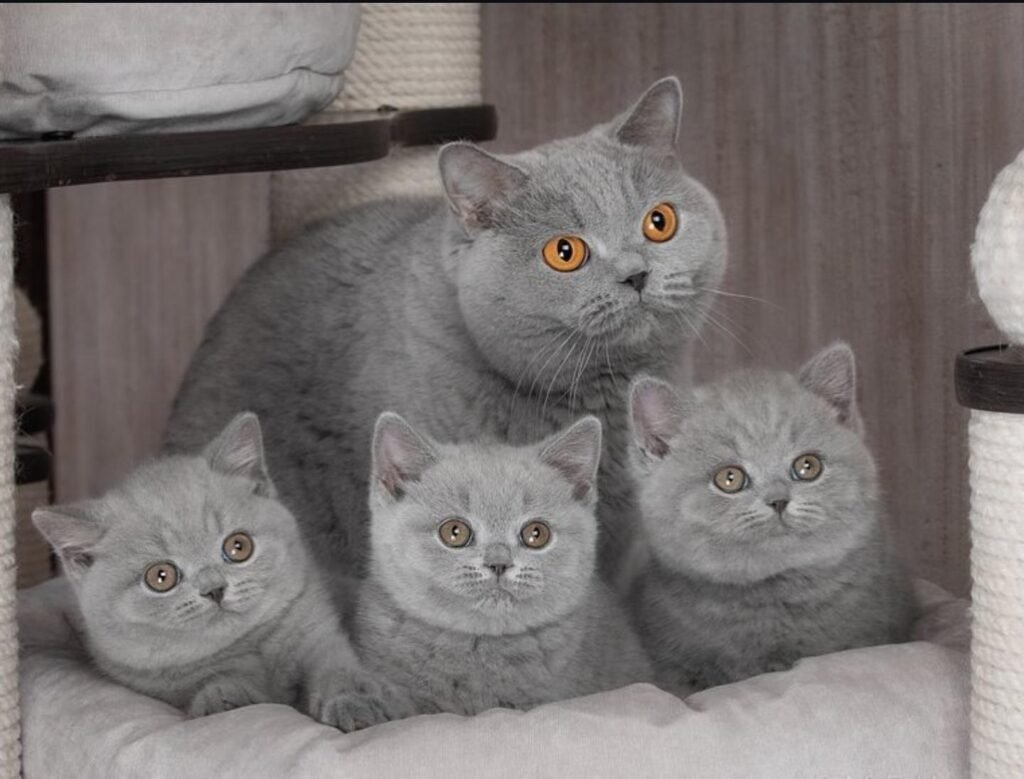
When considering the addition of a British Shorthair kitten to your family, selecting the right breeder is one of the most crucial decisions you’ll make. Unlike purchasing from pet stores or unknown sources, opting for a certified British Shorthair breeder ensures not only the health and well-being of your future pet but also supports ethical breeding practices that prioritize the welfare of the breed. This article delves into the significance of choosing a certified breeder, outlining the benefits that come with reputable sources, the health and genetic considerations to keep in mind, and the long-term impact of your choice on your kitten’s life. Understanding these factors can empower you to make an informed decision that aligns with your values as a responsible pet owner.
Understanding the British Shorthair Breed
History and Origin of the Breed
The British Shorthair boasts a rich history that dates back to ancient Rome, where these charming felines were bred for their hunting prowess. Fast forward a few centuries, and they became the darlings of the Victorian era, inspiring artists and writers alike. With their plush coats and round faces, British Shorthairs became icons of comfort and companionship. So, if you thought your kitten was a modern marvel, think again—this breed has been stealing hearts for millennia!
Characteristics and Temperament
British Shorthairs are like the ultimate couch potato buddies of the cat world—easygoing, laid-back, and just a bit quirky. They’re known for their dense, plush coats and striking round features that make you want to cuddle them 24/7. With a temperament that combines independence with a love for companionship, these cats are perfect for families or single folks alike. Just remember: a British Shorthair may be the king or queen of the house, so bow down when they walk in!
Common Health Issues to Be Aware Of
While British Shorthairs are generally robust, they are prone to a few health hiccups, including hypertrophic cardiomyopathy (a fancy term for heart disease) and obesity if they’re not kept active. It’s essential to keep an eye on their weight and schedule regular vet check-ups. And like any royal, they deserve the best care—so be sure to ask your breeder about their health screening practices!
The Importance of Choosing a Certified Breeder
What Defines a Certified Breeder?
A certified breeder isn’t just someone with a “Cuddle Factory” sign in their yard; they adhere to recognized standards and practices that ensure the wellbeing of their cats. They are part of breed organizations and have passed certain tests to show they know their stuff. Think of them as the “cat sommelier” of the feline world—they know how to pair you with the perfect kitty!
Ethical Breeding Practices
Ethical breeders prioritize the health and temperament of their cats over profit. They’ll be transparent about their breeding practices, provide proper socialization for their kittens, and keep their breeding stock healthy and happy. This means no inbreeding and no “kitten mills” here—just lovely, well-adjusted kittens ready to take on the world (or your living room).
Regulatory Bodies and Certification Standards
In the UK, breeders often align with organizations like The Governing Council of the Cat Fancy (GCCF) and The International Cat Association (TICA). These bodies set standards for breeding practices, health checks, and record-keeping. When you see a breeder with these certifications, you can breathe a little easier, knowing they’re operating under credible guidelines. It’s like getting a certified stamp of approval for your future feline overlord!
Benefits of Buying from a Reputable Source
Quality of Kittens
When you buy from a reputable breeder, you’re not just getting a kitten; you’re getting a future family member that’s been bred with care and consideration. Reputable breeders focus on producing healthy kittens with desirable traits—think of them as the artisanal bakers of the cat world, crafting each kitten with love and ingredients that matter.
Support and Guidance for New Owners
Choosing the right breeder means you gain a lifelong resource for all things kitty-related. Certified breeders take pride in their work and are happy to share their expertise. Whether you have questions about feeding, training, or finding the best cat tree (because yes, you need one), they’ll be just a call or email away. It’s like having a personal cat coach!
Lifetime Health Guarantees
Many reputable breeders offer lifetime health guarantees for their kittens, which not only reflects their confidence in the health of their cats but also gives you peace of mind. If anything were to go awry, you have a safety net. It’s kind of like getting an extended warranty on your car, but much fluffier and more affectionate!
Health and Genetic Considerations
Screening for Genetic Disorders
A certified breeder will conduct health screenings to ensure that their breeding stock is free from genetic disorders commonly found in British Shorthairs. This proactive approach can save you from future heartaches and vet bills, as responsible breeders strive to produce kittens that are as healthy as possible. It’s like getting a health report card—no surprises here!
Vaccination and Health Records
Reputable breeders provide proper vaccination and health records for their kittens, ensuring you know exactly what your new feline friend has received. This not only helps you stay on track with their health care but also gives you confidence that your kitten is starting life with a solid foundation. So, no hidden surprises—just a healthy, happy furball ready to roll!
The Importance of Socialization and Early Care
Kittens thrive on social interaction and early care, and a certified breeder understands this. They’ll ensure that your future British Shorthair is well-socialized, exposed to various environments, and accustomed to human interaction. This early care is crucial for creating a confident and friendly kitten, setting the stage for a lifelong companionship filled with purring and ridiculous cat antics. After all, a happy cat is a sassy cat!
Building a Relationship with Your Breeder
Communication and Transparency
When searching for the purr-fect British Shorthair, building a bond with your breeder is essential. A good breeder communicates openly and is eager to answer your questions. They won’t just toss around jargon but will share insights into their breeding practices with the enthusiasm of a kid on Christmas morning. Transparency is key; you’ll want to feel like you’re getting an honest overview of their methods and kitten care, not just a fluffy sales pitch.
Understanding Your Kitten’s Background
Knowing where your future feline friend comes from is as crucial as learning about your own ancestry—minus the awkward family reunions. A reputable breeder will provide a detailed background of your kitten, including health records of its parents and any breeding lineage. This knowledge not only helps you understand potential health issues but also adds an extra layer of connection to your new furry companion.
Post-Purchase Support and Resources
After you bring your kitten home, the relationship shouldn’t just fizzle out like a deflating balloon. A responsible breeder will be available for advice and resources, acting as your personal cat consultant. Whether you’re grappling with litter box training or wondering why your kitten thinks your shoelaces are its own personal jungle gym, having a supportive breeder to turn to can make all the difference.
Recognizing Red Flags in Breeder Practices
Signs of Irresponsible Breeding
Not all breeders are created equal, and some might have all the charm of a cat at bath time. Look for red flags like overcrowded living conditions, poor hygiene, or a distinct lack of health screenings. If the kittens seem skittish or unwell, it’s time to raise the alarm. Remember, if a breeder prioritizes profit over the well-being of their cats, it’s best to run faster than a kitten chasing a laser pointer.
Questions to Gauge Breeder Integrity
Want to separate the sketchy breeders from the stand-up ones? Ask probing questions about their breeding philosophy and practices. A quality breeder should be able to explain their approach with confidence and enthusiasm. If their answers are vague or filled with excuses, it might be a sign to pack up and head for greener pastures—preferably ones that don’t come with a side of questionable ethics.
When to Walk Away
Trust your instincts! If something feels off, don’t hesitate to bail—like a cat from a bath. If the breeder doesn’t provide satisfactory answers to your questions, refuses to show you the kittens’ living conditions, or makes you feel pressured to make a quick decision, take that as your cue to exit stage left. Your future kitty deserves better.
Questions to Ask Potential Breeders
Inquiries About Breeding Practices
When you find yourself eyeballing a potential breeder, don’t be shy—channel your inner investigative journalist! Ask about their breeding practices, including how they select their breeding pairs and what health tests they perform. You want to make sure they prioritize quality over quantity because, let’s face it, nobody wants a kitten that’s a ticking time bomb of health issues.
Curating Health Information
Health is wealth! Inquire about vaccinations, deworming, and any health screenings the kittens have received. A good breeder should have all the documentation ready for you, proudly displaying their commitment to healthy kittens as if it were a trophy. Ask about common hereditary conditions in British Shorthairs, too—because the only family drama you want is in the latest Netflix series, not at the vet.
Understanding the Environment and Care Provided
You wouldn’t buy a house without checking out the neighborhood, right? Similarly, ask about the environment in which the kittens are raised. A responsible breeder will provide a clean, nurturing space and socialization opportunities. They should be more than happy to show you around, showcasing their kitten kingdom like proud parents at a school play.
The Long-Term Impact of Your Choice on Kitten Welfare
Impact on Behavioral Development
Your choice of breeder can set the tone for your kitten’s entire personality. A well-socialized kitten raised in a loving environment is more likely to develop into a friendly, confident adult. Conversely, a kitten raised in isolation or neglect might grow up with anxiety or behavioral issues that can haunt both of you like a ghost in a poorly lit hallway.
Long-Term Health and Longevity
Choosing a certified breeder can significantly impact your kitten’s health and life expectancy. Kittens from responsible breeders typically come from healthier stock, reducing the likelihood of genetic disorders. After all, you want your feline companion to live long enough to witness the great toilet paper unrolling or the magical appearance of the red dot!
Societal Responsibility and Ethics of Pet Ownership
Opting for a responsible breeder isn’t just about your kitten; it’s about setting the standard for all pet ownership. By choosing ethically, you’re supporting responsible breeding practices that prioritize animal welfare. And let’s be honest—being a responsible pet owner means you can bask in the glow of doing your part for a happy, furry future, which is an achievement worth showing off! In conclusion, finding a certified British Shorthair breeder is essential for ensuring the health, happiness, and well-being of your new kitten. By taking the time to research and select a reputable source, you not only invest in a healthier pet but also support responsible breeding practices that contribute positively to the breed’s future.
Frequently Asked Questions
What should I look for in a certified British Shorthair breeder?
Look for breeders who are recognized by reputable cat associations, offer health guarantees, provide transparency about their breeding practices, and prioritize the welfare of their cats. Visiting their facility and observing their cats’ living conditions can also be helpful.
How can I verify if a breeder is certified?
You can verify a breeder’s certification by checking their affiliation with established cat breed organizations or registries, such as The International Cat Association (TICA) or the Cat Fanciers’ Association (CFA). These organizations often have directories of certified breeders.
What are the risks of buying from an unlicensed breeder?
Purchasing from unlicensed or irresponsible breeders can lead to various issues, including health problems in your kitten, poor socialization, and ethical concerns regarding animal welfare. These breeders may not prioritize the health and well-being of their cats, which can ultimately impact your experience as a pet owner.
How much should I expect to pay for a British Shorthair kitten from a certified breeder?
The price of a British Shorthair kitten from a certified breeder can vary widely based on factors such as lineage, breeder reputation, and location, but you can typically expect to pay anywhere from $1,000 to $3,000. Always ensure that the cost reflects the quality of care and breeding practices provided by the breeder.