
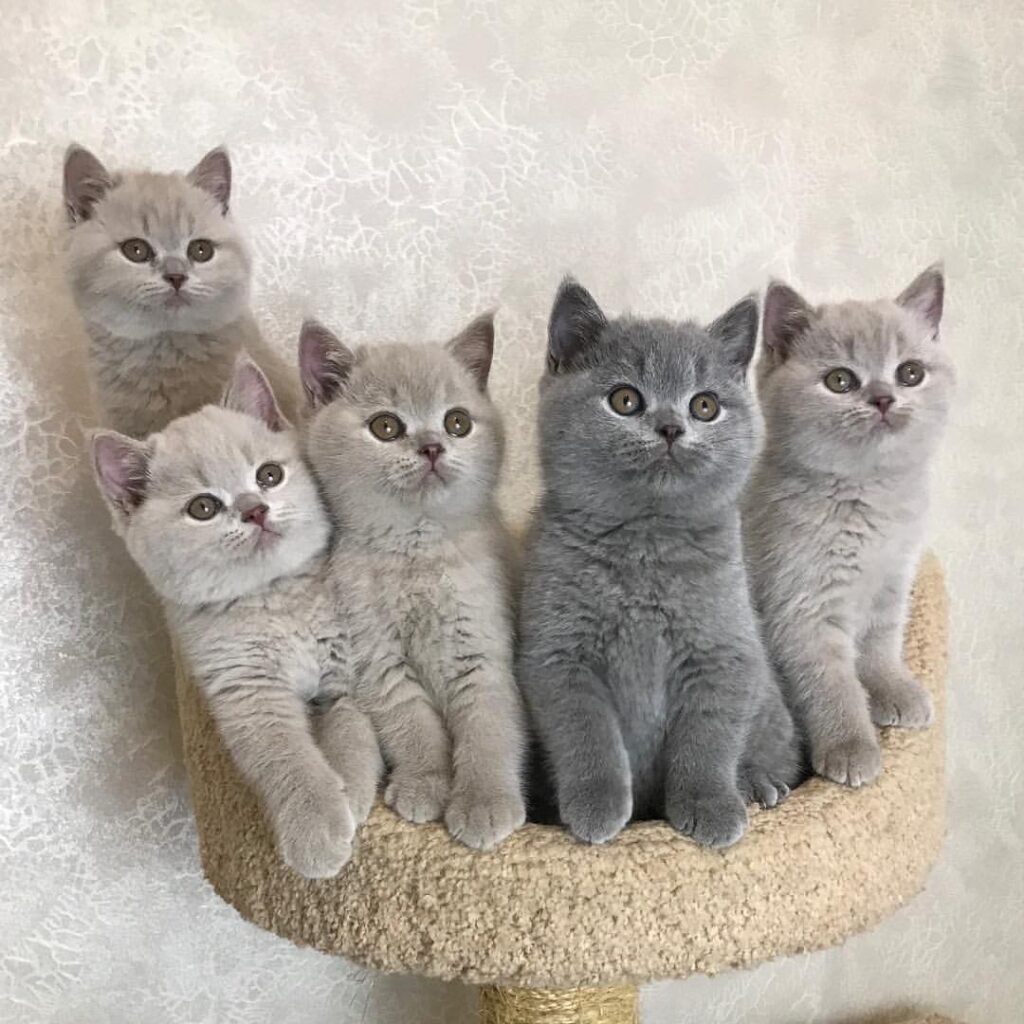
The British Shorthair is a beloved cat breed known for its distinctive appearance and gentle temperament. As one of the most popular breeds in the United Kingdom, the British Shorthair has gained a strong following among cat enthusiasts and families alike. Understanding the significance of GCCF (Governing Council of the Cat Fancy) registration is crucial for breeders and prospective owners who wish to ensure they are investing in a healthy, well-bred feline companion. This article explores the unique characteristics of the British Shorthair, the benefits of GCCF registration, and essential care tips, while also debunking common myths surrounding the breed. Whether you are a seasoned breeder or a first-time cat owner, this comprehensive guide will help you navigate the world of GCCF registered British Shorthairs.
Overview of GCCF Registration
What is GCCF?
The GCCF, or The Governing Council of the Cat Fancy, is the official body that governs cat breeding standards in the UK. Think of it as the cat equivalent of the pop charts—if a breed makes it here, it’s officially a “hit.” They set the standards for various breeds, ensuring that pedigree cats are bred to maintain their unique characteristics. It’s all about keeping our furry friends healthy and happy, while also ensuring they look fabulous!
Registration Process for Breeders
So, you want to register your British Shorthair with the GCCF? First, you’ll need to meet their breeding standards. This usually means you have to show off your cat’s lineage and physical traits, essentially proving that yes, your cat is a bona fide British Shorthair and not just a particularly round tabby from down the street. Once you’ve gathered your documents and completed the application, just submit them to the GCCF. Patience is key here—like waiting for a cat to finally decide it wants to sit on your lap.
Benefits of Registration
Why go through the hassle of registration, you ask? Well, aside from earning the prestigious “GCCF Registered” badge, it establishes your credibility as a breeder. Registered cats also enjoy full recognition in shows and competitions. Plus, it’s a great way to network with other breeders who share your undying love for all things feline. And let’s face it, who wouldn’t want a fancy certificate to show off to their friends?
Characteristics of the British Shorthair Breed
Physical Traits
British Shorthairs are the cuddle champions of the cat world, boasting round faces, dense coats, and those adorable chubby cheeks that could melt even the iciest heart. They have a sturdy build and a plush feel, resembling a live teddy bear. Their iconic “brick” body shape and large, rounded eyes make them irresistibly cute (with an eye-roll guarantee). Known for being a bit hefty, you can’t help but imagine them snuggling on your couch, plotting their next snack attack!
Temperament and Behavior
These cats are not just a pretty face; they come with wonderful personalities to match. The British Shorthair is known for being laid-back, friendly, and a tad independent—basically, they’re the cool cats of the feline universe. They enjoy being around people but won’t follow you around like a lost puppy. They prefer to lounge gracefully in a sunbeam, judging your life choices from a distance. And don’t worry, they’re not overly vocal, which means your midnight brainstorming sessions won’t be interrupted by incessant meowing.
Color Variations
A British Shorthair is not just a single flavor of cat; they come wearing a rainbow of coats! The classic blue (a.k.a. gray) is the most recognized, but they also flaunt colors like black, white, cream, chocolate, and even tabby patterns. Each cat’s color adds a unique touch to their personality, kind of like how that one friend who shows up wearing neon makes the whole party more interesting. Their coats are not only stunning but also incredibly plush, inviting you for all the pets and snuggles.
Benefits of GCCF Registration for Breeders
Enhancing Credibility
When you’re GCCF registered, it’s like wearing a badge of honor in the cat-breeding world. It tells potential buyers that you’re serious about breeding quality cats and adhering to the highest standards. This can lead to a rock-solid reputation, allowing you to charge a premium for those adorable furballs. Plus, nobody likes to buy a cat from a shady source; they want to know their furry friend comes from a place that cares.
Access to Breeding Resources
Registered breeders gain access to a treasure trove of resources, including educational materials, breeding advice, and even health initiatives that can help you make informed decisions when it comes to your breeding program. It’s like being handed the secret recipe to the best cat treats—who wouldn’t want that?
Participation in Shows and Competitions
Being GCCF registered opens the door to cat shows and competitions, where you can strut your beloved British Shorthair on stage for all to admire. Not only can you earn accolades and bragging rights, but you also get to meet fellow cat enthusiasts! It’s a great way to network and learn from others while enjoying the thrill of competition. Plus, just imagine that shiny trophy—your cat will love it, even if they’re just in it for the treats.
Health Considerations for British Shorthairs
Common Health Issues
Like all breeds, British Shorthairs are not without their health quirks. They are prone to certain conditions, including obesity, heart disease, and dental issues. Since they love their food almost as much as they love a good nap, keeping an eye on their weight is essential. Regular vet check-ups can help identify any pesky issues before they become full-blown cat-tastrophes!
Importance of Regular Vet Check-ups
Taking your British Shorthair to the vet is akin to taking your car in for maintenance; it keeps everything running smoothly. Regular check-ups can catch potential health concerns early on and ensure your kitty is living its best life. Plus, who can resist a trip to the vet where your cat can strut their stuff and charm the staff?
Nutrition and Diet
Feeding your British Shorthair a balanced diet is crucial for keeping them healthy and happy. High-quality cat food that meets their nutritional needs is a must—think of it as the most gourmet of cat cuisine. And while treats are great for bonding, moderation is key; after all, you don’t want your kitty to resemble a fuzzy beach ball! A proper diet not only helps maintain a healthy weight but also keeps their coat shiny and their energy levels up for chasing after imaginary mice.
The Importance of Pedigree Certification
Understanding Pedigree Papers
Pedigree papers are like the fancy diplomas of the cat world. They confirm that your feline friend is a legitimate British Shorthair, complete with a family tree that goes back generations. Without these papers, you might just have a fluffy impostor on your hands! These documents ensure that your cat isn’t just a look-alike but is truly part of a long line of celebrated ancestors. Plus, they can be crucial when it’s time for cat shows or when making sure your kitty is eligible for breeding.
Lineage and Genetic Health
A pedigree isn’t just a fancy piece of paper; it’s a roadmap of your cat’s genetic health. Responsible breeding practices aim to eliminate common hereditary issues, meaning your GCCF registered British Shorthair is less likely to inherit those pesky “I-ate-something-weird” problems. Understanding your cat’s lineage helps you predict and plan for potential health concerns, giving you the power to be a prepared cat parent rather than a cat-astrophe waiting to happen.
Value in the Pet Market
When it comes to selling or buying cats, pedigree matters. GCCF registered British Shorthairs typically command a higher price due to their verified lineage and assurance of quality. For the buyer, this means greater confidence in health and temperament, while for breeders, it’s a mark of pride that shows their hard work in maintaining breed standards. So, whether you’re looking for a furry new friend or planning to join the elite ranks of breeders, pedigree certification pays off in the long run.
Caring for Your GCCF Registered British Shorthair
Grooming Requirements
British Shorthairs may have coats that look like they came from a high-end salon, but luckily, they don’t require daily brushing. A simple weekly grooming session is often enough to keep their beautiful coat looking fresh and free of loose fur. Their plush, dense fur feels luxurious but can mat if neglected—so a gentle brush and a check for any “furry fashion mistakes” can keep your kitty perfectly styled.
Exercise and Playtime
While your British Shorthair might appear like a dignified couch potato, they do enjoy playtime! Engaging them in interactive games and providing climbing spaces can help satisfy their playful nature. These charming cats are generally low-key but need a good romp to keep their minds sharp and bodies healthy. Think of it as quality time—less “fetch” and more “let’s bat at that feather until it surrenders.”
Creating a Safe Environment
To ensure your GCCF registered British Shorthair feels at home, create a safe and stimulating environment. Cat-proof your space by removing hazards like toxic plants and securing any dangling cords (they’re not fans of potential wrestling matches with power strips). Provide cozy hiding spots, scratching posts, and plenty of toys. This allows your cat to explore their inner lion while keeping them safe from real-life dangers—no jungle adventures here!
Common Myths About British Shorthairs
Myth vs. Reality
One common myth is that British Shorthairs are aloof and antisocial. Sure, they might not be the first to jump into your lap like a Golden Retriever, but that doesn’t mean they don’t enjoy your company! In reality, they’re known for being laid-back, affectionate, and sometimes impossibly charming—like that friend who just happens to always have the best snacks at their place.
Misperceptions About Temperament
Another myth is that all British Shorthairs are grumpy or serious. If you’ve ever seen one mid-grooming session, you know this is far from the truth. They can be quirky and playful, often displaying feline shenanigans that rival any cat video on the internet. Their temperament is generally calm and friendly, making them great companions, even if they act like they’re above it all sometimes.
Grooming Myths
Many believe that British Shorthairs require specialized grooming techniques because of their dense fur. Let’s bust that myth right here: they’re relatively low-maintenance. A brush every now and then will keep them looking fabulous without needing a spa day every week. Just remember, while they may not need a lot of grooming, they love a good pampering session—even if it’s just you whispering sweet nothings while you brush them.
Finding a Reputable GCCF Registered Breeder
What to Look for in a Breeder
When searching for a breeder, aim for someone who is passionate, knowledgeable, and, most importantly, GCCF registered. A good breeder will have a clean and safe environment, be transparent about breeding practices, and provide you with health checks and pedigree papers. If the breeder seems like they’re more interested in your wallet than your well-being, walk away—your future feline deserves better!
Questions to Ask Potential Breeders
Before committing, have a chat with potential breeders and ask them about their breeding practices, socialization of the kittens, and health testing protocols. Don’t hesitate to inquire about the lineage and any health issues common to the breed. And if they look at you like you just asked them to explain quantum physics, it might be time to find someone else.
Signs of a Responsible Breeder
Look for breeders who are engaged and knowledgeable, providing a nurturing environment for their cats. They should welcome you into their space to meet the kittens and their parents (no hidden “cat-astrophes” allowed). A responsible breeder will also be more than willing to stay in touch after the adoption, ensuring you and your new furry friend have all the support you need. Because let’s be honest, cats may be independent, but they’re still our adorable little furballs of chaos!In conclusion, the GCCF registered British Shorthair offers a wonderful blend of charm and companionship, making it an ideal choice for many cat lovers. By understanding the importance of proper registration, health considerations, and responsible breeding practices, potential owners can ensure they provide a loving and nurturing environment for their new feline friend.
Frequently Asked Questions
What does GCCF registration ensure for my British Shorthair?
GCCF registration provides assurance of the cat’s pedigree, health standards, and compliance with breed standards, ensuring you are getting a well-bred animal.
How can I find a GCCF registered breeder?
You can locate GCCF registered breeders through the GCCF website, cat shows, and recommendations from local cat clubs or associations.
Are GCCF registered British Shorthairs healthier than non-registered ones?
While registration does not guarantee health, GCCF breeders are typically required to adhere to health testing and breeding standards, which may lead to healthier kittens.
What should I expect in terms of care for a British Shorthair?
British Shorthairs require regular grooming, a balanced diet, routine veterinary care, and social interaction to thrive and maintain their well-being.