
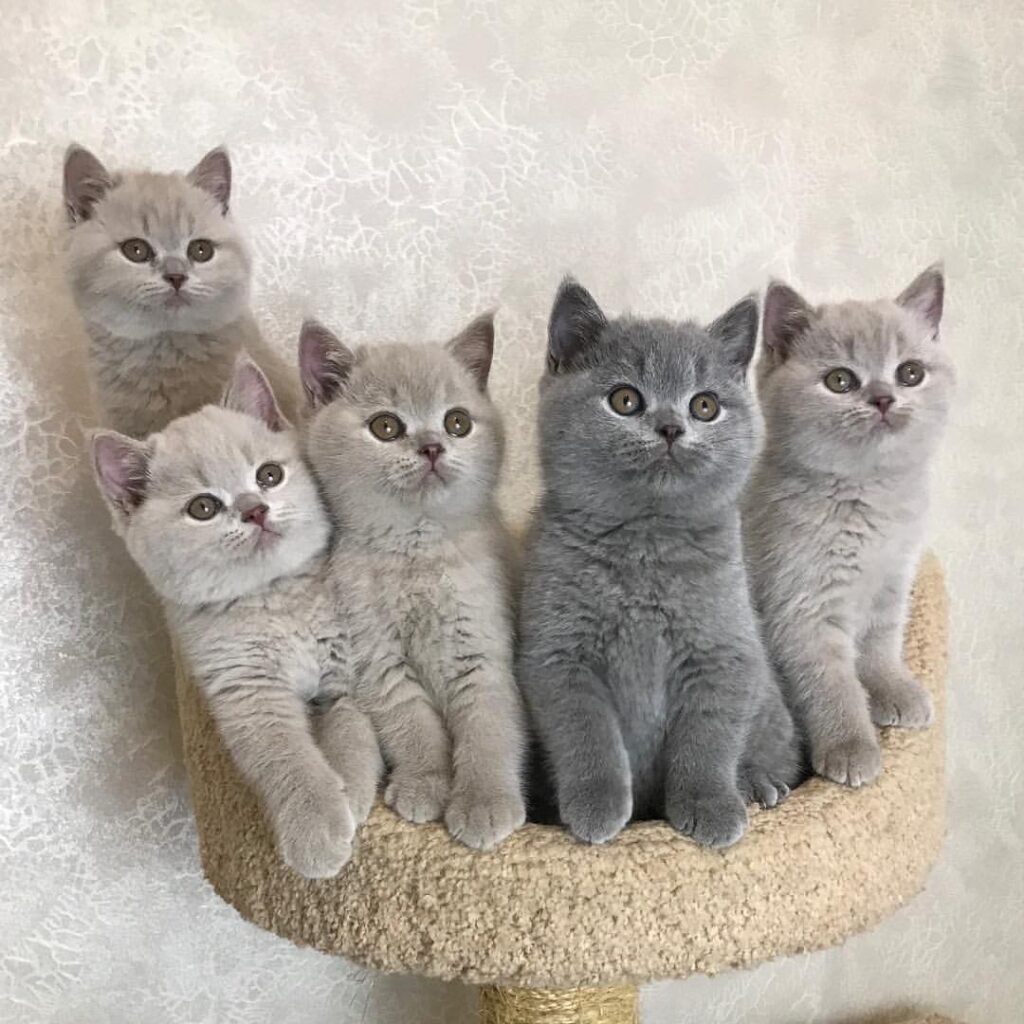
The British Shorthair is one of the most beloved cat breeds, known for its distinctive round face, dense coat, and friendly demeanor. With a rich history that dates back to ancient Rome, these cats have captured the hearts of pet lovers worldwide. Whether you’re a first-time cat owner or looking to add to your feline family, understanding the unique characteristics, care requirements, and where to find British Shorthairs for sale is essential. This article will guide you through the key aspects of bringing a British Shorthair into your home, helping you make an informed decision that ensures a happy and healthy life for your new companion.
Overview of British Shorthair Cats
History and Origin
The British Shorthair has a history as rich as a fine English tea. This breed traces its roots back to Roman times when cats were brought to Britain to control pests. Over the years, they’ve evolved into the charming companions we know today, thanks to selective breeding and a touch of British charm. They were officially recognized in cat shows way back in the late 19th century, making them one of the oldest cat breeds around. So, they’ve had plenty of time to perfect their “look at me, I’m adorable” gaze.
Physical Appearance
With their round faces, big cheeks, and plush coats, British Shorthairs are the definition of “cuddle me now.” They have a sturdy build, giving them that “I could probably lift a small car” vibe, and their short, dense fur comes in a plethora of colors, from classic blue (not the sad kind) to striking silver tabby. Their eyes are large and expressive, often resembling two bright marbles, and they have a delightful way of swaying their tails that says, “I’m regal, darlings!”
Characteristics and Temperament
Personality Traits
British Shorthairs are known for their laid-back demeanor, making them the masters of the cozy life. They strike the perfect balance between affectionate and independent. Not the clingy type, they’ll gladly sit on your lap for a snuggle session but are also cool with just lounging nearby while you binge-watch your favorite show. Their playful side comes out during designated playtime, but they don’t need a constant audience—perfect for the mildly introverted cat parent.
Compatibility with Families and Other Pets
These cats are the social butterflies of the feline world, often getting along splendidly with children and other pets alike. Their patience and gentle nature make them ideal playmates for kiddos, while their easy-going attitude allows them to tolerate the antics of overexcited dogs. Just remember: they may not appreciate being treated like a toy, so some supervision is always a good idea!
Where to Find British Shorthairs for Sale
Reputable Breeders
If you’re set on adding a British Shorthair to your family, it’s essential to go through reputable breeders. A good breeder will provide health guarantees, ensure their cats are properly socialized, and will be happy to show off the kitty lineage. Check for those registered with cat associations like The Cat Fanciers’ Association (CFA) or The Governing Council of the Cat Fancy (GCCF). You want a breeder who loves their cats as much as you’ll love yours—no “cat factories” allowed!
Pet Stores and Online Listings
While pet stores might have a few British Shorthairs on occasion, it’s best to approach them with caution. Many stores partner with breeders, but the quality can be hit or miss. Always ask for health records and inquire about the cat’s background. Online listings can also be useful, especially sites dedicated to pet adoption, but be sure to verify the seller’s credentials. Do your research like you’re about to embark on a great cat adventure—because you are!
Considerations Before Buying a British Shorthair
Assessing Your Lifestyle
Before you rush to add a British Shorthair to your home, take a moment to assess your lifestyle. These cats love a good cuddle, but they also enjoy lounging about (a lot). If you travel frequently or work long hours, consider how a fluffy companion will fit into your routine. A playful home with plenty of downtime is ideal for them—after all, they need their beauty sleep, too!
Understanding Breeder Credentials
Not all breeding environments are created equal. It’s crucial to understand the credentials of any breeder you’re considering. Look for breeders who prioritize health testing and provide a clean, nurturing environment for their kittens. Transparency about the breeding process and willingness to answer your questions is key. Remember, you’re looking for a furr-ever friend, not just a cat in a box!
Pricing and Breeder Information
Average Cost of British Shorthairs
If you’re dreaming of a plush British Shorthair lounging on your couch, prepare your wallet! On average, British Shorthair kittens range from $1,500 to $3,000, depending on their lineage and the breeder’s reputation. But hey, think of it as an investment in a furry friend who will bring you endless entertainment and occasional side-eye.
Factors Influencing Price
Several factors can send those prices soaring. A kitten’s pedigree, breeding quality, and eye-catching color can all influence the cost. Additionally, reputable breeders (the ones who actually care about their cats and aren’t just in it for the cash) often charge more because they invest in health screenings and proper socialization. So, if you find a deal that seems too good to be true, it probably is—kind of like those “too good to be true” infomercials for miracle kitchen gadgets.
Caring for Your British Shorthair
Feeding and Nutrition
A quality diet is crucial for your British Shorthair to maintain that plush coat and charming round face. Look for high-quality cat food that lists meat as the first ingredient and is specifically formulated for cats. Since these chubby cuties can be prone to obesity, avoid overfeeding and always keep an eye on portion sizes. And remember: “just one more treat” quickly becomes “why is my cat the size of a small dog?”
Grooming and Maintenance
Brushing your British Shorthair’s thick fur at least once a week helps reduce shedding and keep their coat looking like a million bucks. Luckily, they’re pretty low-maintenance; give them a quick brush and they’ll be ready for their close-up on Instagram. Don’t forget to regularly check their ears and teeth, because even the fluffiest pets need a little TLC in the hygiene department.
Health Considerations and Lifespan
Common Health Issues
British Shorthairs are generally hardy, but like all breeds, they can have their share of health quirks. Be on the lookout for hypertrophic cardiomyopathy (a fancy term for heart disease) and obesity—these kitties love their food a little too much sometimes. Regular vet check-ups can help catch potential health issues before they become serious, so keep that calendar handy!
Regular Veterinary Care
Routine vet visits are essential for keeping your British Shorthair in tip-top shape. Annual check-ups ensure they’re up to date on vaccinations and can provide early detection of any health concerns. Plus, your vet can offer advice on diet and exercise, which is vital for avoiding that “fluffy potato” look we know and love (but maybe not so much for health reasons).
Adoption vs. Purchase: Pros and Cons
Benefits of Adoption
Adopting a British Shorthair can be a heartwarming and fulfilling experience! Shelters are brimming with adorable cats waiting for forever homes, and adopting can save a life. Plus, many shelters will come with a health check and vaccinations included in the adoption fee. It’s a win-win: you get a new best friend, and you help reduce the number of cats in need.
What’s Involved in Purchasing from a Breeder
If you’re set on bringing home a purebred British Shorthair from a breeder, there’s a bit more to it than swiping your credit card. Do your research to find a reputable breeder who prioritizes the health and well-being of their cats. Be prepared for a thorough vetting process—breeders often want to ensure their kittens go to responsible homes. Plus, you might have to wait for the right litter to be born, which is basically like waiting for your favorite band to release their new album—totally worth it, but it requires some patience! In conclusion, the British Shorthair is a charming and affectionate breed that can make a wonderful addition to any household. By understanding their unique characteristics, care needs, and the options available for acquiring one, you can ensure a fulfilling experience for both you and your new feline friend. Whether you choose to adopt or purchase, taking the time to find the right British Shorthair will lead to years of companionship and joy.
Frequently Asked Questions
1. How much do British Shorthair cats typically cost?
The price of British Shorthair cats can vary widely depending on factors such as the breeder’s reputation, the cat’s lineage, and geographic location. On average, you can expect to pay between $1,000 to $2,500.
2. Are British Shorthairs good with children and other pets?
Yes, British Shorthairs are generally known for their friendly and easygoing nature, making them great companions for children and other pets. However, early socialization is important to ensure compatibility.
3. What are common health issues associated with British Shorthairs?
British Shorthairs are prone to certain health conditions, including hypertrophic cardiomyopathy (HCM) and obesity. Regular veterinary check-ups and a balanced diet are essential for maintaining their health.
4. How much grooming do British Shorthair cats require?
British Shorthairs have dense coats that benefit from regular grooming, typically once a week. This helps reduce shedding and matting, keeping their fur healthy and clean.