
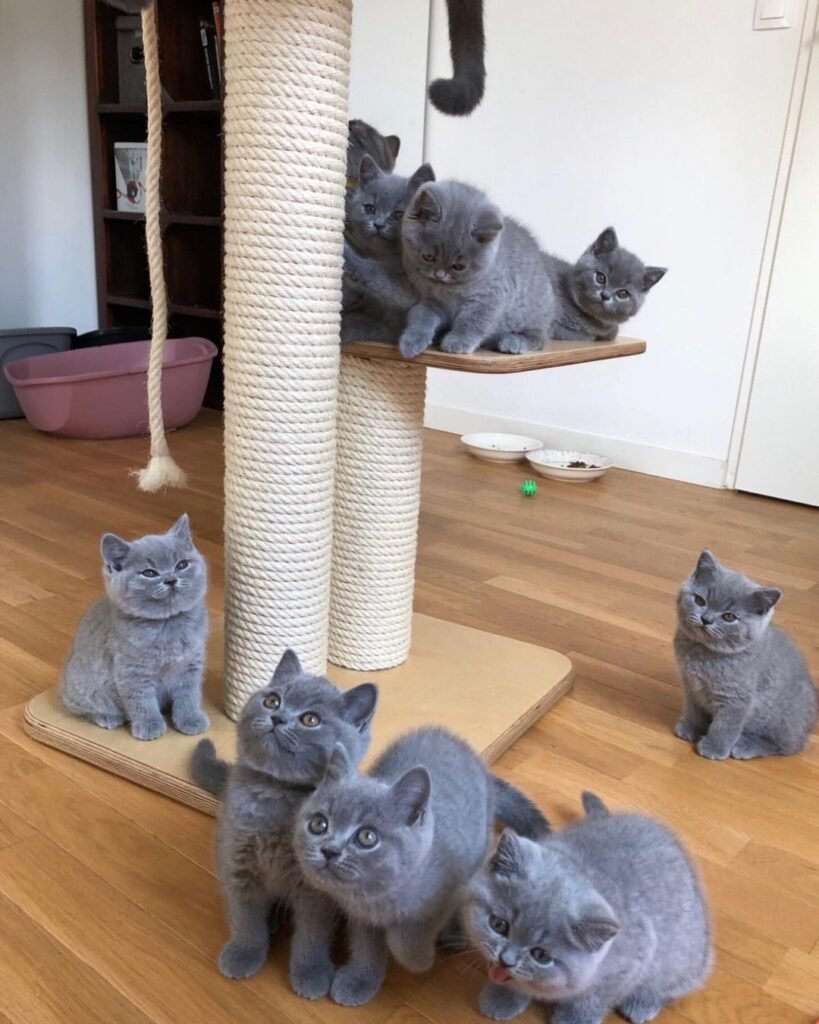
Bringing home a British Shorthair kitten is an exciting and rewarding experience, but it also comes with a unique set of responsibilities. These charming and affectionate cats are known for their striking appearance and friendly demeanor, making them a popular choice for pet lovers. However, to ensure a smooth transition for both you and your new furry friend, it’s essential to be well-prepared. This checklist will guide you through the necessary steps to create a safe, comfortable, and nurturing environment for your British Shorthair kitten, covering everything from essential supplies to health care and socialization.
Preparing Your Home for a British Shorthair Kitten
Assessing Your Living Space
Before bringing home your new British Shorthair, take a good look around your living space. Are there any dangling cords that could turn into a kitten’s plaything? Is that potted plant actually toxic? Make a mental note of potential hazards and consider how much space you have for your new furball to explore and lounge. Remember, British Shorthairs are laid-back but they still need room to strut their stuff!
Kitten-Proofing Your Home
Now that you’ve assessed your space, it’s time to kitten-proof it like a pro! Keep hazardous items away from curious paws: secure loose wires, stash away cleaning supplies, and remove anything that could become a choking hazard. Consider using corner guards on sharp furniture edges, and don’t forget to check that windows and balconies are secure. Your British Shorthair will thank you for making their new kingdom a safe haven!
Essential Supplies and Equipment
Food and Water Bowls
First on the shopping list: food and water bowls! Opt for stainless steel or ceramic bowls (because plastic is so last season). They’re more hygienic and less likely to tip over during your kitten’s enthusiastic dining escapades. Make sure they’re shallow enough for your British Shorthair’s cute little face to reach in without looking like a complete mess!
Cat Litter and Litter Box
Next, you’ll need a litter box—preferably one that’s spacious and low enough for your kitten to hop in without a gymnastic routine. Choose a clumping, unscented litter that won’t leave your home smelling like a cat café. Remember to scoop daily, and your British Shorthair will reward you with plenty of love (and maybe a present or two!).
Scratching Posts and Toys
To save your furniture from becoming the next victim of claw-ramas, invest in scratching posts. British Shorthairs are notorious for their love of scratching; it’s like their version of yoga! Pair the posts with a variety of toys: balls, feather wands, and those furry mice that mysteriously disappear. Your kitten will be entertained for hours—and so will you as you witness their antics!
Comfort Items (Beds, Blankets)
Lastly, don’t forget the comfort items! A cozy bed or plush blanket is essential for your kitten to curl up and dream of chasing imaginary mice. Look for something with a soft, washable cover (because “kitten hair” is a whole thing). A comfy space will help your British Shorthair feel secure and right at home.
Choosing the Right Diet
Understanding Nutritional Needs
When it comes to your British Shorthair’s diet, quality matters. These chubby cuties need a balanced diet rich in high-quality protein to maintain their fluffiness and energy. Look for food that includes real meat as the first ingredient, and stay away from fillers like corn and soy—a little like scrolling through social media and realizing you’re only looking at the ads!
Recommended Brands and Types of Food
There are plenty of reputable brands to choose from, like Royal Canin, Hill’s Science Diet, or Wellness. Each offers formulas specifically designed for kittens or indoor cats. Don’t forget to consult your vet for the best recommendations tailored to your British Shorthair’s unique needs. Trust us, they know their stuff better than your favorite Instagram influencer!
Feeding Schedule and Portions
Establishing a feeding schedule is key to keeping your British Shorthair happy and healthy. Aim for several smaller meals throughout the day instead of one big feast. Follow the guidelines on the food packaging regarding portions, but don’t hesitate to adjust based on your kitten’s growing appetite. If they start looking at you like they’ve never eaten a meal in their life, it’s time to reassess!
Creating a Safe and Comfortable Space
Setting Up a Designated Kitten Area
Create a special area in your home just for your new British Shorthair! This should include their litter box, food and water bowls, and a cozy bed. The designated area provides a sense of security and allows your kitten to explore their new domain at their own pace. Think of it as their very own private penthouse (without the mortgage)!
Providing Hiding Spots and Perches
Kittens love to play hide and seek, so be sure to offer plenty of hiding spots and perches. Use boxes, cat trees, or even a specially designated kitty cave. High places are particularly appealing since they give your British Shorthair the chance to survey their kingdom from on high. And don’t worry if they sneak off to take a nap; that just means they’re recharging for their next adventurous romp!
Understanding Health and Veterinary Care
Choosing a Veterinarian
Finding the right veterinarian is like choosing a life partner—you’re looking for someone who understands your needs, has good reviews, and won’t judge you for letting your cat sleep in the bed. Start with local clinics, ask fellow cat owners for recommendations, and check online reviews. Make sure to find a vet who is familiar with British Shorthairs, as they have their own quirks and flair. Once you’ve narrowed it down, arrange an initial visit—you’re not signing a lifelong contract, just checking if they’re the right fit!
Vaccination and Health Check Schedule
Your British Shorthair kitten is a little squishy ball of potential, and to keep them that way, vaccinations are crucial. Generally, they’ll need their first vaccinations at around 8-9 weeks, followed by boosters a few weeks later. Make a schedule with your vet—like a cat-themed calendar—but don’t worry, it won’t be as stressful as planning your next family reunion. Regular check-ups will help catch any health issues before they become serious, ensuring your furry friend thrives in your home!
Preventative Care (Flea, Worming Treatments)
No one wants a flea circus in their living room, and trust me, your kitten doesn’t either! Start them on a flea prevention program as soon as they’re old enough—it’s almost as important as teaching them which side of the couch is off-limits. Worming treatments are equally essential; follow your vet’s advice on the best products and schedule. Think of it as your little kitten’s superhero cape against pesky critters and unwanted guests!
Socialization and Training Tips
Importance of Early Socialization
Early socialization is key to raising a well-adjusted British Shorthair. Expose your kitten to different sounds, people, and situations as soon as they settle into your home. The more experiences they have during this crucial period, the more confident and relaxed they’ll be as adults. Bonus points if you can introduce them to a vacuum cleaner (that terrifying monster) without them running for the hills.
Basic Commands and Litter Training
Believe it or not, kitties can learn basic commands—think of it as a cute little party trick! Start with simple commands like “sit” or “high five” (just kidding, that one’s hard). Use treats and positive reinforcement because, let’s face it, who wouldn’t do tricks for snacks? As for litter training, most kitties have it figured out in no time, but you can help by placing them in their litter box after meals or naps. Consider it their little VIP area!
Handling and Playtime Techniques
Let’s face it, handling a kitten can often resemble trying to catch a greased pig! Use gentle, supportive holds when picking them up to make them feel safe. And when it comes to playtime, think toys that mimic prey—feathers, lasers, or crinkly balls will have them bouncing off the walls in no time! Just be sure to set some boundaries—no real hunting of family members allowed!
Introducing Your Kitten to Family and Other Pets
Preparing Children for a New Kitten
Before your new kitten arrives, have a family meeting (preferably over snacks) to discuss how to treat the new fluff ball. Teach your kids about gentle handling, and remind them that kittens are tiny and may sometimes prefer to hide instead of being chased around the house. Kids can be overly enthusiastic, so set some simple rules to protect both your little ones and the new addition!
Gradual Introductions to Other Pets
Introducing your new kitten to existing furry family members should be done slowly, like thawing out a frozen turkey. Start with a safe space where they can smell each other under the door, then gradually allow supervised meetings. Make it a fun experience by rewarding both your kitten and your other pets with treats for positive interactions. Remember, patience is key—no one wants a kitty soap opera unfolding in the living room!
Establishing a Routine for Your New Kitten
Daily Care Tasks
Kittens thrive on routine, and establishing one early will help turn your fuzzy ball of chaos into a balanced feline. Daily routines should revolve around feeding, litter box cleaning, and playtime—like a well-orchestrated performance. Stick to a consistent schedule, so your kitten knows when to expect meals (and when to remind you it’s time for a snack!).
Playtime and Interaction Schedule
Playtime, the magical period where your kitten transforms into a flying squirrel, should be part of your daily ritual. Aim for short, energetic sessions scattered throughout the day, using a mix of toys to keep them engaged. Remember, what feels like endless chaos to you is a kitty workout session, so embrace the whirlwind and enjoy the laughs that come along with it!
Monitoring Health and Behavior
Keep an eye on your kitten’s health and behavior like a hawk—after all, you’re the designated human! Watch for changes in appetite, activity levels, or litter box habits, as these could signal a problem. Regularly check their coat for any odd lumps or bumps, and don’t hesitate to call the vet if something seems off. After all, it’s better to be safe than sorry—especially when it comes to your precious little furball! Welcoming a British Shorthair kitten into your home can be one of the most fulfilling experiences for any pet owner. By following this checklist and preparing adequately, you can ensure a happy, healthy life for your new companion. Remember that patience and love are key as you both adjust to this new chapter together. With the right care and attention, your British Shorthair will thrive and become a cherished member of your family for years to come.
Frequently Asked Questions
1. How much should I feed my British Shorthair kitten?
The amount of food can vary based on the kitten’s age, weight, and activity level. It’s best to follow the feeding guidelines on the food packaging and consult your veterinarian for personalized recommendations.
2. When should I take my kitten to the vet for vaccinations?
Kittens typically receive their first vaccinations at around 6 to 8 weeks of age. Consult with your veterinarian to establish a vaccination schedule tailored to your kitten’s needs.
3. How can I help my kitten adjust to their new home?
Creating a safe, quiet space for your kitten to explore and rest can help ease the transition. Gradually introduce them to different areas of your home and be patient while they acclimate.
4. What are common health issues to watch for in British Shorthairs?
British Shorthairs can be prone to certain health issues, such as obesity, heart disease, and dental problems. Regular veterinary check-ups and a balanced diet are essential to monitor and maintain their health.