
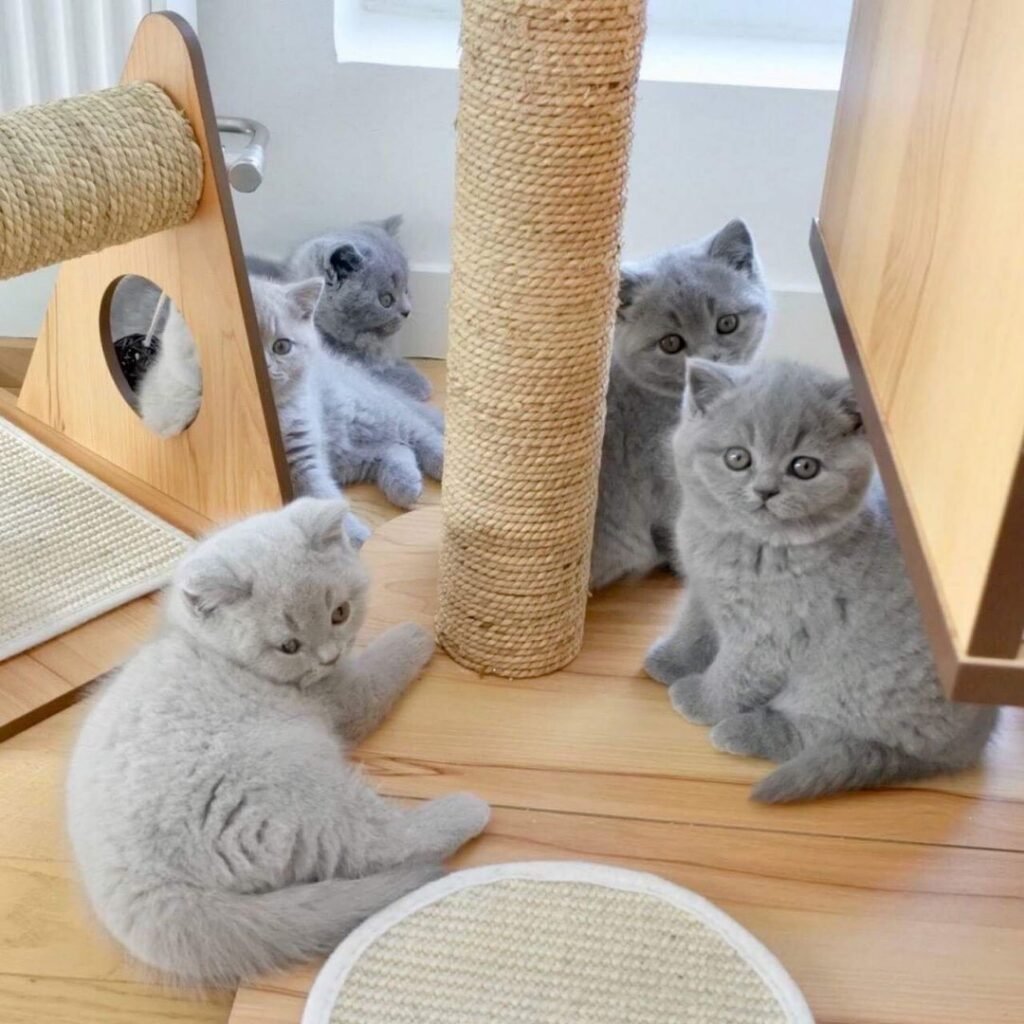
Bringing a British Shorthair kitten into your home can be a rewarding experience, as these charming cats are known for their distinctive looks and affectionate nature. However, purchasing a kitten requires careful consideration and preparation to ensure that you choose the right companion for your lifestyle. This article presents the top five tips for buying a British Shorthair kitten in the UK, guiding you through essential aspects such as understanding the breed, finding reputable breeders, assessing health, and preparing your home. By following these tips, you can make an informed decision and welcome a happy, healthy kitten into your family.
Understanding the British Shorthair Breed Characteristics
Physical Traits and Appearance
The British Shorthair is the cat equivalent of a teddy bear—round face, dense coat, and those adorable chubby cheeks! These felines typically have a stocky build, broad shoulders, and a thick tail that could double as a fluffy pillow. Their eyes are large and round, often in shades of copper or gold, giving them an adorable yet regal appearance. And let’s not forget their coat, which is short, plush, and comes in a variety of colors; the classic blue is a crowd favorite, but they can also sport a palette that rivals a rainbow!
Temperament and Personality
British Shorthairs are known for being the cool cats of the feline world. They possess a calm and easygoing temperament, making them perfect companions for families and singles alike. They’re not the clingy type; instead, they enjoy lounging around and observing the world—think of them as the sofa potatoes of kitty-kind. That said, they do like to engage in playtime but are equally happy to be left to their own devices. With a balance of independence and affection, they’ll greet you at the door but might also choose to nap on your lap… eventually.
Common Health Issues
Like any breed, the British Shorthair is prone to some health issues, including hypertrophic cardiomyopathy (a fancy term for heart disease) and obesity—because they love a good treat. Regular vet visits are essential, along with healthy diets and exercise (yes, even cats need a workout plan). Keep an eye out for any changes in their behavior or appetite, as these might be clues that something’s not right. A little sniffle might just be a cold, but a sudden aversion to their favorite tuna treats? That’s worth investigating!
Researching Reputable Breeders
Identifying Ethical Breeding Practices
Finding a reputable breeder is like searching for buried treasure—worth the effort! You want to look for breeders who prioritize the health and well-being of their cats over profit. Ethical breeders will provide a clean environment, proper veterinary care, and socialization for their kittens. Ask about their breeding practices, and make sure they’re not just churning out kittens for cash. A responsible breeder will also be selective about who they sell their kittens to, ensuring they go to loving homes.
Questions to Ask Potential Breeders
Armed with curiosity and possibly a notebook (or just your phone, we won’t judge), approach potential breeders with these burning questions: What health tests have been done? Can you see their parents? Are there any health guarantees? If the breeder can’t answer these confidently or seems evasive, it’s time to look elsewhere. You should also inquire about socialization practices—kittens that are handled and played with regularly tend to grow up to be friendlier furballs.
Visiting Breeders and Kitten Socialization
If you get the green light from the breeder, it’s time for a field trip! Visiting the breeder will let you see the living conditions of the cats and assess their environment. Look for signs of cleanliness, health, and happy kitties. Additionally, observe how the kittens interact with people and other pets. A well-socialized kitten will be curious and playful, rather than fearful or withdrawn. You want a kitten that’s ready to take on the world—or at least your living room!
Assessing Kitten Health and Well-being
Health Checks and Vaccinations
Before bringing your new fur baby home, ensure they’ve had their health checks and vaccinations. Kittens should be up-to-date on all vaccinations and deworming. A reputable breeder will provide you with vaccination records, so check that box first. It’s also a good idea to get a vet check within a week of bringing your kitten home for a clean bill of health—better safe than sorry!
Signs of a Healthy Kitten
A healthy kitten is a bundle of energy with a voracious appetite. Look for bright, clear eyes, a shiny coat, and a strong, playful spirit. Kittens should be curious and eager to explore their surroundings; lethargy or hiding away might signal trouble. And don’t forget to pay attention to their bathroom habits—consistent litter box use is key to their overall health and happiness.
Understanding Kitten Behavior
Kittens are little warriors of mischief and curiosity, so expect some chaos! Bouncing from one end of the room to the other is par for the course. They’ll engage in exploratory nibbling, climbing, and sometimes surprise you by suddenly zooming around like they’ve had too much catnip. Understanding their playfulness is essential; it’s not just a phase—they’re honing their hunting skills! Providing them with toys and scratching posts will keep them entertained and save your sofa from becoming their favorite scratch pad.
Preparing Your Home for a New Kitten
Creating a Safe Environment
Before your kitten arrives, you’ll want to kitten-proof your home like it’s a top-secret mission. Hide away any fragile items, secure loose wires, and ensure there are no sneaky escape routes. Create a cozy space with a warm bed, a litter box, and food and water bowls in a quiet area. It’s like setting up a mini cat spa—sans the cucumber slices for their eyes, of course!
Essential Supplies to Have Ready
Stock up on the essentials: a litter box, high-quality cat food, food and water dishes, scratching posts, toys, and a comfy bed. You might also want to splurge on a cat tree for climbing (and your own entertainment). And don’t forget about grooming supplies—you’ll need a brush to keep all that fluff in check, especially if your kitty plans on shedding like a woolly mammoth during the warmer months.
Introducing Your Kitten to the Household
When it’s time to welcome your new furry friend, take it slow. Let them explore their new kingdom at their own pace—forcing them into every corner may lead to cat-sized panic (and possibly a few scratches). Keep initial introductions short and sweet, especially if you have other pets. Supervised interactions, treats, and gentle encouragement will help everyone adjust to the newcomer. Before you know it, your kitten will feel right at home, and your heart will be full of purrs!
Financial Considerations of Owning a British Shorthair
Initial Costs of Purchase
Bringing a British Shorthair into your home can set you back anywhere from £800 to £2,000, depending on the breeder, lineage, and location. Yes, that’s right, they’re the fancy aristocrats of the cat world. When budget planning, remember to factor in any additional costs like travel to the breeder and the essential post-purchase cat stuff (litter boxes, food dishes, squeaky toys).
Ongoing Care Expenses
Once you’ve mastered the art of cat selection, the expenses don’t stop. Budget for high-quality food (after all, a fancy cat deserves fancy food), regular grooming, and litter supplies. Expect to fork out around £30-£50 a month for these basic necessities. Add in the occasional surprise expense (like that time your kitten thought a cactus was a toy), and you’ll want to keep an emergency fund at the ready!
Insurance and Veterinary Care
Don’t skip on pet insurance unless you want your wallet to become a sad story. Insurance costs range from £10 to £40 per month, depending on the coverage. Pair this with routine vet visits and vaccinations, which can cost anywhere from £100 to £300 annually. Trust us, your bank account will thank you for staying on top of preventive care rather than dealing with unexpected vet bills—unless you enjoy impromptu adventures to the vet.
Socialization and Training Tips
Importance of Early Socialization
British Shorthairs are known for their calm temperament, but that doesn’t mean you can leave them to their own devices. Start socializing your kitten from a young age; expose them to different environments, sounds, and people. This is crucial because the more adventures they have early on, the fewer quirks (like hiding from the vacuum cleaner) you’ll have to deal with later.
Basic Training Techniques
It’s time to whip out the treats and get ready for some fun! Use positive reinforcement to teach basic commands like “sit” and “stay.” Believe it or not, British Shorthairs can be trained! Just remember, training sessions should be short and sweet—think of it like tantalizing catnip rather than a full meal. And also, avoid the “adorable paw-sition” when they act like they don’t know what you’re asking.
Building a Strong Bond with Your Kitten
Connection is key! Spend quality time snuggling, playing with toys, or even just sitting together silently (they can be surprisingly zen). Regularly engaging with your kitten fosters loyalty and trust, making them more comfortable in different situations. Bonus points if you’ve got a treat or two on hand—because who can resist a tasty snack while forging a lifelong friendship?
Lifelong Care and Commitment
Understanding the Lifespan of British Shorthairs
British Shorthairs typically enjoy a long, happy life, averaging 12 to 20 years. That means when you make the decision to bring one home, you’re signing up for many snuggles, playful pounces, and the occasional “I can’t believe you just did that” moment for years to come. So, get cozy with the idea of a long-term commitment—your British Shorthair will become part of your family!
Regular Health Check-ups and Maintenance
Routine veterinary visits are like sending your kitty to the spa—essential for their health and well-being. Aim for an annual check-up, and don’t forget vaccinations and dental care! Keeping an eye on their weight is also vital; British Shorthairs love a good snack, but moderation is key, or they may go from “fluffy” to “what happened to my waistline?”
Providing Mental and Physical Stimulation
A bored cat is a troublemaker in the making. To keep their minds sharp and bodies fit, introduce them to interactive toys, puzzle feeders, and climbing trees. And hey, don’t underestimate the power of a good box! Engaging your British Shorthair in playtime is crucial—after all, a happy cat equals a happy owner (and fewer broken things in your home).In conclusion, buying a British Shorthair kitten is an exciting journey that brings joy and companionship into your life. By following the tips outlined in this article, you can ensure that you make a well-informed choice and provide a loving environment for your new furry friend. Remember, investing time and effort in understanding the breed, selecting a reputable breeder, and preparing your home will lead to a rewarding relationship with your British Shorthair. Enjoy the adventure ahead!
Frequently Asked Questions
What is the average cost of a British Shorthair kitten in the UK?
The average cost of a British Shorthair kitten in the UK can range from £800 to £2,000, depending on the breeder, lineage, and location.
What should I look for when visiting a breeder?
When visiting a breeder, look for clean and safe living conditions, ask about health screenings, observe the kittens‘ behavior, and inquire about their socialization practices.
Are British Shorthairs good with children and other pets?
Yes, British Shorthairs are generally known for their friendly and tolerant personalities, making them a good choice for families with children and other pets.
How can I ensure my British Shorthair stays healthy?
To keep your British Shorthair healthy, provide regular veterinary check-ups, a balanced diet, proper grooming, and sufficient mental and physical stimulation.