
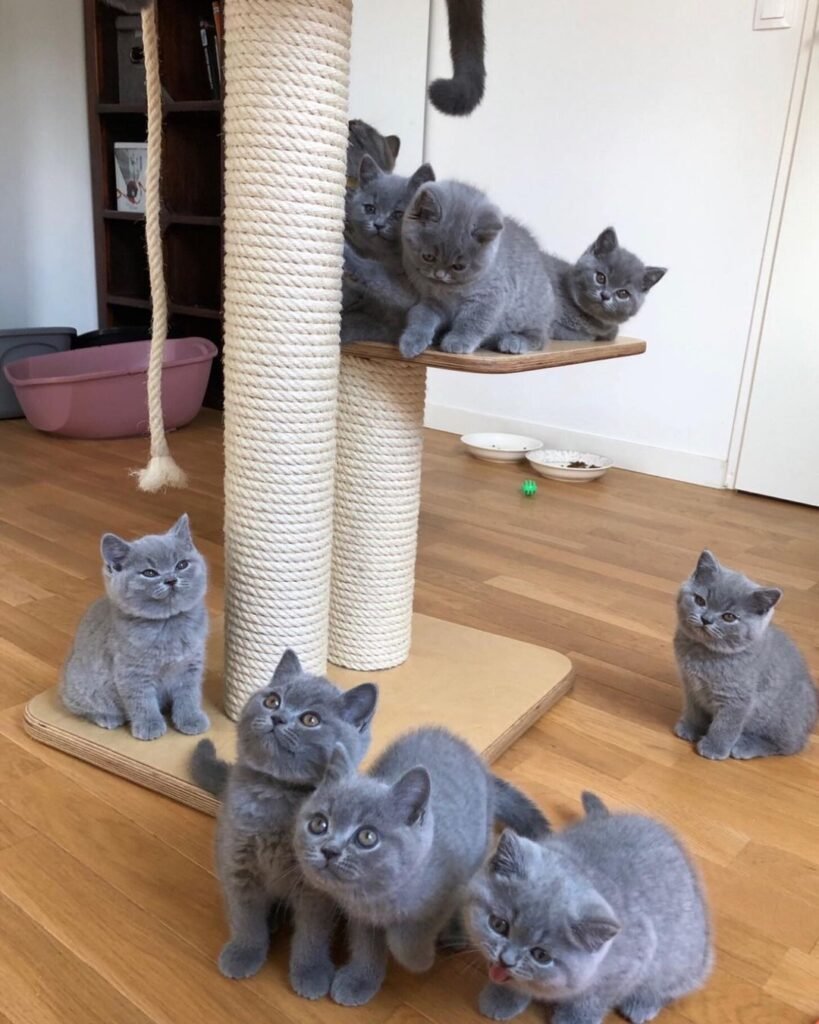
Welcoming a British Shorthair into your home is an exciting journey filled with companionship and joy. Known for their distinctive round faces, dense coats, and loving personalities, these cats have become beloved pets around the world. However, as a first-time owner, understanding the unique needs and characteristics of this breed is essential for creating a harmonious living environment. This article provides essential tips and guidance to help you navigate the rewarding experience of caring for a British Shorthair, from preparation and nutrition to grooming and health care.
Understanding the British Shorthair Breed
History and Origin of the Breed
The British Shorthair has roots that are as deep as a cat nap! Originally bred for their hunting prowess, these furry companions date back to Roman times when they were brought to Britain to help control pests. Over the centuries, they’ve transformed from practical hunters to beloved household pets, capturing hearts with their plush coats and charming personalities. If you ever wondered why they seem so regal, it’s because they’ve had centuries to perfect that aloof “I own this house” look!
Physical Characteristics and Traits
With their round faces and stocky bodies, British Shorthairs are like the teddy bears of the feline world—if teddy bears had an air of dignity and a penchant for mischief. They have dense, plush fur that comes in various colors and a thick tail that signals their confidence. Their large, round eyes can be blue, gold, or copper, almost making it seem like they’re judging your life choices from across the room. Robust and sturdy, they are built for cuddling and lounging in style.
Temperament and Personality
These cats are the perfect blend of laid-back and playful—think of them as the extroverted introverts of the cat universe. British Shorthairs are known for their affectionate yet independent nature. They’ll happily curl up on your lap but also appreciate having their own space. Their playful side means they love to engage in games (especially if it involves a laser pointer), but they’re not overly demanding. Basically, they’re the cat equivalent of that friend who is always up for a hangout but also knows when to binge-watch alone.
Preparing Your Home for a New Cat
Creating a Safe Environment
Before your British Shorthair arrives, it’s time to channel your inner security expert. Start by making sure that all windows and balconies are cat-proofed—no cat wants to take an unintended leap into the great unknown! Secure any loose wires, remove toxic plants, and tuck away anything that would make a lovely chew toy. Think of it as prepping an exclusive feline fortress, where they can roam free without fear of danger (or a surprise trip to the vet).
Designating a Comfort Zone
Every cat needs their own special nook, like a cozy café for one. Designate an area in your home that’s free from noise and chaos, where they can retreat when the world gets a bit too much. Add a soft bed, some blankets, and a sprinkle of love to create a comfy comfort zone. This little haven will be their personal sanctuary, where they can plot world domination while snoozing or just keep an eye on you—whichever comes first.
Cat-Proofing Your Home
Cat-proofing goes beyond baby-proofing with just a bit more sass! Ensure that all sharp objects and fragile décor items are in a secured zone, preferably known as “higher ground.” Close those cupboard doors, stash away any cleaning supplies, and keep small items like coins or hair ties out of reach. Remember, if it rolls or dangles, it’s probably a toy in your cat’s eyes—especially when you’re not looking!
Essential Supplies for British Shorthair Owners
Must-Have Cat Supplies
Get ready to stock up on some serious cat swag! At the bare minimum, you’ll need food and water bowls, a litter box, a scratching post (for their inner lumberjack), and a comfy bed. Look for sturdy items designed to withstand the inevitable feline antics; who knew they had a talent for “product testing”? Don’t forget to fetch some grooming tools to keep that plush coat looking fabulous!
Choosing the Right Litter Box and Bedding
The litter box is a cat’s throne—choose wisely! British Shorthairs tend to have strong opinions, so opt for a box that’s easy to access and clean. Covered or uncovered, it’s really about what tickles your cat’s fancy. As for bedding, think plush and supportive; these cats love a good nap, and a comfy bed is a must. Pick something that’s machine washable (because, you know, cat hair happens).
Toys and Enrichment Activities
You can’t just leave your cat to their own devices; they need entertainment to keep those whiskers twitching! Invest in a variety of toys—think feather wands, balls, and interactive puzzles. Rotate them regularly to keep things fresh and exciting. Cat trees are also a hit; it’s like their personal climbing gym! Remember, a bored cat is a mischievous cat, and you’d rather they chase toys than your shoelaces (trust me).
Nutrition and Diet Recommendations
Understanding Nutritional Needs
British Shorthairs are not just adorable; they also require a balanced diet to keep their fine physique in shape. They need protein-rich food to support their muscular build and maintain their energy levels (seriously, they’ll need it for all that lounging). Look for high-quality cat food specially formulated for their age and activity level; this is not the time to skimp on gourmet!
Selecting the Right Food
When it comes to food, you can’t just grab the first bag with a cartoon cat on it. Look for high-protein options with real meat as the first ingredient. Dry kibble is great for dental health, while wet food can help with hydration. And don’t forget to consider any dietary restrictions; some cats may have sensitivities that require a specialized diet. It’s all about keeping that tummy happy and healthy!
Feeding Schedule and Portion Control
Consistency is key! Establish a feeding schedule—most British Shorthairs thrive on two meals a day. Use measuring cups to avoid the “I just can’t resist those puppy eyes” syndrome. And if you’re tempted to give treats, remember that moderation is your friend. Portion control helps maintain a healthy weight, which is essential for keeping your kitty sprightly and sassy—because we all know a chubby cat can still be cute, but we’d prefer them to be fit and fabulous!
Grooming Tips for British Shorthairs
Brushing and Coat Care
British Shorthairs have a plush, dense coat that’s irresistible to pet and cuddle. To keep it looking fabulous, aim for a good brush session once a week. Use a slicker brush or a rubber grooming mitt to remove loose hair and minimize shedding. It’s like giving your cat a spa day, minus the cucumber slices. Be sure to check for any mats or tangles, especially around the neck and underbelly.
Nail Trimming and Ear Cleaning
Nail trimming might sound scary, but it’s a breeze with the right tools (and maybe a little catnip). Aim to trim your British Shorthair’s nails every couple of weeks. Just be cautious not to cut too close to the quick—think of it as a mini pedicure! As for ear cleaning, check their ears weekly for wax and dirt. A damp cotton ball works wonders; just avoid using Q-tips, which can cause more harm than good.
Bathing Guidelines
Bathing a British Shorthair is generally unnecessary, thanks to their self-grooming habits. However, if your kitty gets into something mucky or has a bit of a litter box mishap, a bath might be in order. Use a cat-specific shampoo, and keep the water lukewarm—this isn’t a polar plunge! Make it a quick experience and have treats ready to reward your feline for being a good sport.
Socialization and Training Strategies
Introducing Your Cat to New Environments
When it comes to new experiences, British Shorthairs can be a bit reserved. Start slow by allowing them to explore their new home at their own pace. Create safe spots where they can retreat if things get overwhelming. Gradually introduce them to different rooms and even visitors, making it a social adventure rather than a terrifying expedition.
Basic Commands and Training Techniques
Yes, British Shorthairs can learn tricks! Start with simple commands like “sit” or “come.” Use treats as motivation—who doesn’t love a snack? Keep sessions short and sweet, ideally around 5-10 minutes, and always end on a high note with praise or a play session. Consistency is key; soon, your cat will be more obedient than a well-trained dog (maybe).
Encouraging Positive Behavior
Positive reinforcement is your best friend when it comes to encouraging good behavior. Reward your British Shorthair with treats or affection whenever they do something you like, whether it’s using the scratching post or not knocking over your favorite vase. Avoid punishment—nothing screams “cat drama” like a disgruntled British Shorthair. Instead, redirect unwanted behaviors with toys or distractions.
Health Care and Regular Veterinary Visits
Understanding Common Health Issues
Like all breeds, British Shorthairs can be prone to specific health issues, including obesity, heart disease, and dental problems. It’s essential to monitor their weight and engage them in play to avoid turning into a fluffy couch potato. Regular vet check-ups will help catch any issues early, so your cat can keep lounging in style.
Vaccinations and Preventative Care
Vaccinations are vital for keeping your furry friend healthy. Your vet will recommend a vaccination schedule based on your cat’s age and lifestyle. Don’t forget about preventative care like flea and tick treatments, and protect their pearly whites with regular dental check-ups. A little paw-sitive healthcare goes a long way!
Choosing the Right Veterinarian
Finding a veterinarian who understands the unique quirks of British Shorthairs can be a game changer. Ask around for recommendations and schedule a meet-and-greet to see how they handle your cat. You want someone who’s knowledgeable, patient, and shares your love for your furry companion—because let’s face it, your British Shorthair deserves the best!
Common Behavioral Traits and How to Address Them
Understanding Playfulness and Energy Levels
British Shorthairs are playful, but their energy levels vary. While they may enjoy a bit of playtime chasing a feather, they also love to lounge like little royal balls of fluff. Engage them with interactive toys or short play sessions to keep them entertained. If they seem more interested in napping than playing, it’s perfectly normal—after all, they are masters of leisure!
Addressing Aggression and Fear
If your British Shorthair is showing signs of aggression or fear, it’s essential to approach the situation with understanding. Avoid shouting or sudden movements; instead, create a calm environment and encourage them to explore at their own pace. If aggression continues, consult with a vet or animal behaviorist to help identify and manage the underlying issues.
Recognizing Signs of Stress or Discomfort
Your British Shorthair will communicate with you, whether through their body language or vocalizations. Watch for signs of stress, like hiding, excessive grooming, or changes in appetite. Creating a safe, quiet space for your cat can help them feel secure. Remember, a happy cat is a healthy cat! So, keep an eye out for behaviors that may indicate they need a little extra love and attention.In conclusion, becoming a first-time British Shorthair owner can be a deeply rewarding experience filled with love and companionship. By understanding their unique needs and following the essential tips outlined in this article, you can ensure a happy and healthy life for your feline friend. Remember, patience and commitment are key as you build a strong bond with your cat, making every moment together truly special. Enjoy the journey of pet ownership and cherish the joy your British Shorthair brings to your home.
Frequently Asked Questions
What is the typical lifespan of a British Shorthair?
The average lifespan of a British Shorthair is between 12 to 20 years, depending on genetics, diet, and overall care.
How much exercise does a British Shorthair need?
British Shorthairs are generally low to moderate energy cats. Regular playtime and interactive toys are essential to keep them mentally and physically stimulated.
Are British Shorthairs good for families with children?
Yes, British Shorthairs are known for their friendly and tolerant nature, making them a great choice for families with children. They tend to be patient and enjoy social interactions.
Do British Shorthairs require special grooming?
While British Shorthairs have a dense coat that requires regular brushing to reduce shedding, they are relatively low-maintenance compared to some other breeds. Regular grooming helps keep their coat healthy and shiny.