
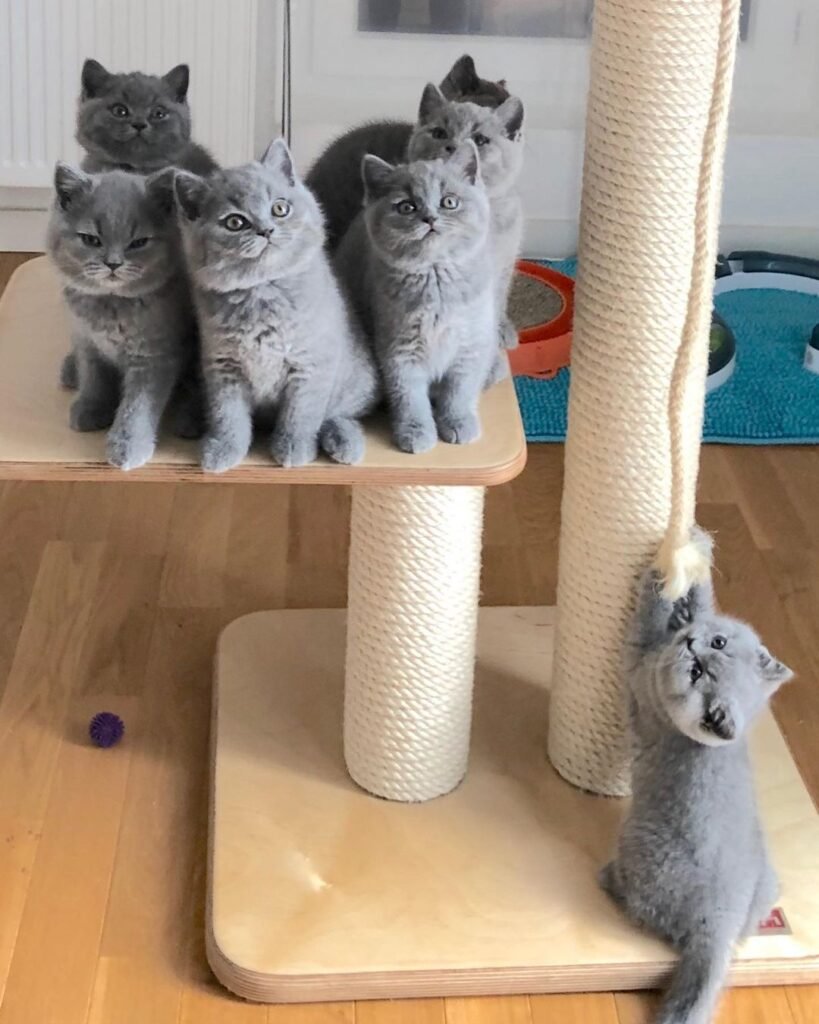
As the chill of autumn transforms into the cozy embrace of winter, snuggle season arrives, beckoning pet lovers to add a furry companion to their home. Among the most affectionate and charming breeds is the Grey British Shorthair, known for its plush coat, round face, and gentle demeanor. If you’re considering welcoming a kitten into your life during this perfect cuddle weather, this guide will provide you with essential insights on understanding the breed, preparing your home, and fostering a loving relationship with your new feline friend. Embrace the joy of snuggling up with your Grey British Shorthair this season!
Understanding the Grey British Shorthair Breed
Characteristics and Temperament
The Grey British Shorthair is the feline equivalent of a cozy sweater—always comforting and just a bit chubby in all the right ways! Known for their round faces, dense coat, and captivating copper or gold eyes, they are as adorable as they are distinguished. These cats are famously balanced, often displaying a calm and affectionate demeanor without getting too clingy. Think of them as the cool friend who’s always down to join you for a Netflix binge, but also knows when to give you some space for a snack break.
Common Health Issues
Like any breed, Grey British Shorthairs can have their quirks. They may be prone to certain health issues, including hypertrophic cardiomyopathy (HCM) and joint problems due to their sturdy build. Regular vet check-ups and a healthy diet can help keep these fluffballs in tip-top shape. Keep in mind, a little extra padding can be cute, but obesity isn’t doing anyone any favors, least of all your kitty’s health.
The Ideal Age to Bring Home Your Kitten
Why 12 Weeks is the Best Time
Bringing home a kitten around 12 weeks old is often considered the sweet spot. This is when they’re fully weaned, have started socializing with their littermates, and are ready to charm your socks off! At this age, they’re mostly done with the incessant meowing for mom and are ready to purr their way into your heart. Plus, they come with just the right amount of sass to keep life interesting!
Signs of a Healthy Kitten
When choosing your future cuddle buddy, keep an eye out for a few telltale signs of health: bright eyes, a nice glossy coat, and a playful demeanor. A healthy kitten should have a good appetite (and don’t be surprised if they also act as a tiny vacuum cleaner for your snacks). If they are energetic and interactive, you’re likely in the clear! If the little furball looks more like a potato than a kitten, it might be time to keep shopping.
Preparing Your Home for a New Pet
Kitten-Proofing Your Space
Before you unleash your new fluffy tornado of joy, it’s crucial to kitten-proof your home. That means hiding away cords, securing breakables, and making sure toxic plants are out of reach (because, I mean, who doesn’t love a little indoor greenery?). Get ready to embrace your inner interior designer as you create a safe haven for your soon-to-be-expert climber and explorer!
Choosing the Right Room for Your Kitten
When it comes to choosing a room for your new feline friend, think safe haven. A quiet, low-traffic area where they can get comfortable without feeling overwhelmed by loud noises or stepping on your toes during an impromptu dance party is ideal. Add some cozy nooks for napping and a few hiding spots, and you’ve just created the perfect kitty castle!
Essential Supplies for Your Grey British Shorthair
Food and Water Bowls
Your new Grey British Shorthair will require more than just your love and snuggles; they’ll also need their very own food and water bowls. Opt for shallow dishes to prevent whisker fatigue (yes, that’s a thing), and keep them in a quiet, accessible spot. A touch of style is encouraged, so don’t be afraid to pick something that fits your home décor—who says pet supplies can’t be chic?
Choosing the Right Litter and Litter Box
When it comes to litter, think like a cat: soft, clumping, and odor-fighting is the holy trinity. Choose a box that’s the right size—no one wants to feel cramped in their toilet! A covered box can provide some privacy, but make sure your kitty is a fan of it; some prefer to feel like they’re on display while doing their business.
Comfort Items: Beds and Toys
Lastly, we can’t forget the fun stuff! A cozy bed is essential for those long cat naps, and toys are a must for keeping them entertained (and saving your furniture). Opt for a mix of plush toys, interactive gadgets, and maybe that little feather wand to unleash their inner hunter. Bonus points if you can find something that makes you laugh while they’re tearing it apart!
Training and Socializing Your Kitten
Basic Commands and Habits
Training your grey British Shorthair kitten isn’t just about teaching them to sit and stay—it’s about creating a little furball of manners! Start with simple commands like “come,” “no,” and “good kitty,” using positive reinforcement like treats or a good scratch behind the ears. Establishing a litter box routine is equally important; consistency is key, so reward them when they use it correctly. Remember, kittens have the attention span of a goldfish, so keep training sessions short and sweet—just like their attention span!
Socialization Tips for Your Kitten
To ensure your kitten grows into a well-adjusted cat, exposing them to various people, pets, and experiences is crucial. Invite friends over (who are cat-friendly, of course) to help your kitten get used to different sounds and smells. Gradually introduce them to new environments—like the room with the vacuum cleaner, which they’ll likely believe is a monster! Don’t forget to handle them gently and frequently; the more you cuddle, the more they’ll see humans as their favorite playmates (and snack dispensers).
Health Considerations and Veterinary Care
Vaccinations and Preventative Care
Your little fluffball will need a series of vaccinations to protect them from pesky diseases. Consult your veterinarian about a vaccination schedule that best suits your kitten. Additionally, preventative care is vital—think flea and tick treatments, as well as deworming. Those little parasites love snuggling up with kittens just as much as you do, and they can bring their own complications along. A healthy kitten is a happy kitten, ready for endless snuggles!
Regular Check-ups and Grooming
Regular vet check-ups are essential to keep your British Shorthair kitten in tip-top shape. Not only will your vet give them a full health check, but they’ll also help you catch any potential issues early on. As for grooming, your kitten’s beautiful coat will need some TLC too! A periodic brushing will keep their fur looking sleek and reduce shedding, giving you more time to enjoy those cozy cuddles without the fluff disaster.
Creating a Snuggle-Friendly Environment
Cozy Spaces for Bonding
Kittens are professional snugglers, and they need the right environment to unleash their snuggling prowess. Create cozy spots around your home where your furry friend can curl up—think soft blankets, cat trees, and maybe even a special kitten cave. Don’t forget to place their favorite toys nearby! This way, they can play, snooze, and plot their next cuddly ambush all in one spot.
Temperature and Lighting Considerations
Kittens are like Goldilocks; they want everything just right! Make sure your home isn’t too hot or too cold—room temperature is the sweet spot. Provide plenty of natural light while also incorporating some warm, soft lighting for those cuddly evenings. A warm, inviting atmosphere will encourage your kitten to snuggle up next to you, and trust us, there’s nothing better than a purring ball of fur on your lap during those chilly nights.
Tips for Bonding with Your New Companion
Understanding Kitten Behavior
Every kitten has its quirks, and your grey British Shorthair is no exception! Pay attention to their body language: if they’re purring and kneading, they’re pretty fond of you. On the flip side, if they’re swatting at you or hiding, they may be feeling a bit overwhelmed. Spend time observing and learning their signals, and soon enough, you’ll be speaking fluent kitten!
Activities for Strengthening Your Bond
Bonding with your kitten isn’t just about snuggles (although those are a BIG part of it!). Engage in interactive play with feather wands, laser pointers, or even some crinkly paper. Kittens love the chase! However, ensure playtime is balanced with cuddly moments. Treat them to some quiet time with gentle petting and soothing words; this combo will create the ultimate cat-human harmony, turning you into their favorite cuddle buddy in no time!Bringing a Grey British Shorthair kitten into your home during snuggle season can be a rewarding experience filled with joy and companionship. By understanding their unique traits, preparing your environment, and investing time in training and bonding, you’ll create a loving atmosphere for your new furry friend. As the chilly days invite cozy moments, cherish the warmth and happiness that your kitten will bring into your life. Enjoy every snuggle and watch your bond grow stronger with each passing day!
Frequently Asked Questions
What is the typical temperament of a Grey British Shorthair kitten?
The Grey British Shorthair is known for its calm and affectionate nature. They are generally friendly, adaptable, and get along well with families and other pets, making them great companions.
How much exercise does a Grey British Shorthair kitten need?
While they are not overly energetic, Grey British Shorthairs enjoy playtime. Regular interactive play sessions with toys can help them stay active and stimulate their minds.
What should I feed my Grey British Shorthair kitten?
A high-quality kitten food that is rich in protein and nutrients is essential for their growth. It’s important to consult your veterinarian for specific dietary recommendations based on your kitten’s age and health needs.
How can I help my kitten adjust to a new home?
Create a safe and quiet space for your kitten to explore at their own pace. Gradually introduce them to different areas of your home, provide plenty of toys, and spend time interacting to help them feel secure and comfortable.