
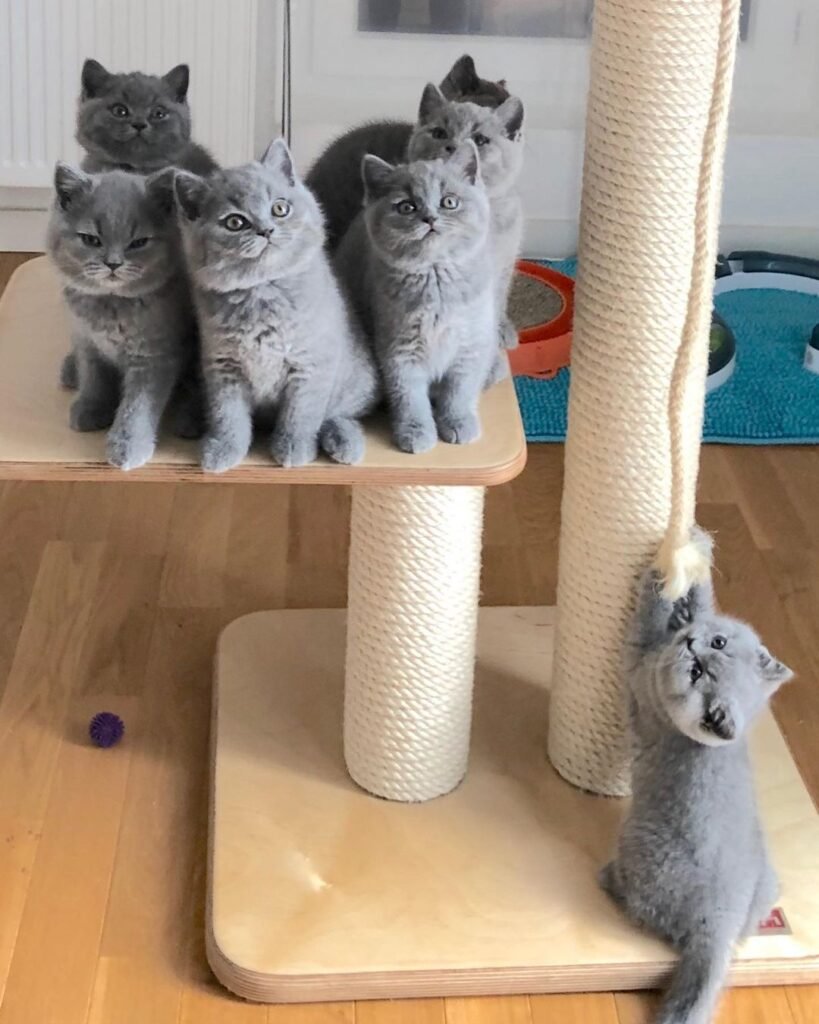
Bringing a new kitten into your home is an exciting and rewarding experience, especially when considering the charming and affectionate Grey British Shorthair. Known for their striking appearance and gentle demeanor, these cats have become increasingly popular among pet enthusiasts. However, purchasing a kitten is a significant commitment that requires careful thought and preparation. To help prospective owners navigate this journey, we’ve compiled the ultimate checklist to ensure that you’re fully ready to welcome a Grey British Shorthair into your life. From understanding the breed’s characteristics to preparing your home and assessing the costs involved, this article will guide you through the essential steps to make an informed and responsible decision.
Understanding the Breed: Traits of Grey British Shorthairs
Physical Characteristics
Grey British Shorthairs are the model of feline elegance, sporting a dense, plush coat that feels like a cloud you could lose your keys in (but don’t). Their round faces, chubby cheeks, and large, copper or gold eyes give them an adorably squishy appearance. Plus, these cats are solidly built with a broad chest and short, strong legs, making them look like fluffy little linebackers ready to take on the world—or at least your lap.
Temperament and Behavior
These cats are as easy-going as a cloud on a lazy Sunday. Known for their gentle and affectionate nature, Grey British Shorthairs are typically good-natured, making them perfect for families or those who just need a furry roommate for Netflix binges. They enjoy a good play session but also appreciate lounging in sunbeams (they’re experts at it!). While they can be a bit reserved, they’re not aloof; they’ll warm your heart with their sweet purring once they’ve deemed you worthy.
Common Myths About the Breed
Ah, the myths! One popular misconception is that British Shorthairs are standoffish; in reality, they’re just discerning – think of them as the introverted friends who quietly judge your choice of movie until they’re all in for popcorn. Another myth? That their plush coats require constant grooming. While they do shed (don’t we all?), regular brushing a few times a week is usually sufficient to keep them looking their best without becoming your full-time job.
Researching Reputable Breeders
What to Look for in a Breeder
Finding the right breeder is akin to dating; you want someone who is attentive, honest, and has a passion for their craft. Look for breeders who are reputable, registered with cat associations, and prioritize the welfare of their kittens. A good breeder will have a clean, welcoming environment and will not hesitate to show you the kitten’s parents. If they’re also keen to discuss the breed’s traits and care, you’ve likely found a gem!
Questions to Ask Potential Breeders
When you meet with potential breeders, channel your inner detective and ask plenty of questions. Inquire about health screenings for the parents, socialization practices, and what a typical day in the kitten’s life looks like. Ask about return policies; a responsible breeder will want to ensure their kittens are well taken care of, even if life throws a curveball. And don’t forget to ask about those cute little quirks the kitten might have—because you’ll want to know if your future furball thinks it’s a dog.
Understanding Breeder Certifications
Breeder certifications can feel like a dizzying array of acronyms, but they’re worth your attention. Look for credentials from recognized associations like The International Cat Association (TICA) or The Cat Fanciers’ Association (CFA). These certifications indicate that breeders adhere to certain standards and best practices, helping ensure that you’re getting a healthy, well-adjusted kitten. Think of it as a seal of approval—like a five-star rating for cat creators!
Health Considerations and Veterinary Care
Common Health Issues in British Shorthairs
As with any breed, Grey British Shorthairs have their share of health quirks. They can be prone to heart issues, particularly hypertrophic cardiomyopathy (HCM), and obesity if their diet isn’t managed (we don’t want them turning into chubby couch potatoes). Regular check-ups can keep you ahead of any potential problems, so your kitten can grow into a robust cat full of life (and maybe a few too many treats).
Importance of Vaccinations
Vaccinations are your kitten’s superhero cape, protecting them from nasty viruses like feline panleukopenia and calicivirus. Starting early and following your veterinarian’s recommended schedule ensures your playful pal is less likely to catch any of these unwanted illnesses. Plus, it’ll save you from the heartache of watching them suffer through preventable diseases—so don’t skip the vet visits!
Routine Check-ups and Preventive Care
Regular veterinary visits aren’t just for those awkward “so, how’s the weather?” chats; they’re crucial for keeping track of your cat’s health. Routine checks can help catch issues early and ensure your kitty is thriving. Discuss a preventive care plan with your vet, including nutrition, dental care, and parasite prevention. Think of your vet as your kitty’s personal trainer – they’re out to keep your little furball in tip-top shape.
Preparing Your Home for a New Kitten
Creating a Safe Environment
Before your new fuzzy friend arrives, make your home a kitten-safe fortress. Remove any toxic plants, secure loose cords, and stash away anything that could become a chew toy (goodbye, beloved slippers!). Create a designated kitten space with all the essentials—food, water, litter box, and a cozy bed. Your home should feel welcoming, like a cozy blanket that says, “You’re safe here.”
Kitten-Proofing Your Space
Kitten-proofing is a bit like childproofing but with more fur and a little less shouting. Block off small spaces where your new furball might get stuck, and secure heavy items that might attract their playful nature. Hide breakable valuables and keep dangerous chemicals out of reach. In short, if it’s not meant to be chewed on or wrestled with, put it out of reach—your sanity will thank you!
Designating a Comfortable Area
Set up a special nook for your new kitten that’s cozy and inviting. A quiet corner with a soft bed or blanket will make for a perfect hideout when they need some alone time. Adding a few toys can turn this space into an adventure zone. It’s their little sanctuary where they can recharge after wrestling with your shoelaces—and trust me, they will!
Essential Supplies for Your Grey British Shorthair
Food and Water Dishes
Your British Shorthair deserves the best, so invest in high-quality food and water dishes that are sturdy and easy to clean. Look for stainless steel or ceramic options since they’re less likely to harbor bacteria (and potential cat conspiracy plots). Make sure the dishes are shallow enough for your furry friend to enjoy their meals without doing a face-plant!
Choosing the Right Litter and Box
When it comes to litter boxes, size matters! Your kitten will need space to do their business comfortably. Opt for a box with low sides for easy entry. As for litter, clumping clay or natural options are popular choices. Just be sure to avoid anything that smells like a perfume factory exploded — your kitty has sensitive nostrils, and you don’t want them to turn their nose up at potty time.
Toys and Enrichment Activities
A bored British Shorthair is a recipe for mischief! Stock up on a variety of toys to keep your little ball of fluff entertained. Think feather wands, ball toys, and those crinkly things that sound like they’re plotting against you. Don’t forget to include some scratching posts—your furniture will thank you later. Rotate toys weekly to keep things fresh and exciting, and prepare for some serious playdates!
Assessing Temperament and Personality
Understanding Kitten Behavior
Kittens can be like tiny, furry tornadoes—one minute they’re purring, and the next they’re zooming around the room like they just chugged a double espresso. Understanding typical kitten behavior can help you differentiate between playful antics and potential red flags. Look for signs of confidence and curiosity, but remember: every kitten has their quirks, and patience is key!
Choosing the Right Kitten for Your Lifestyle
Before you dive headfirst into kitten parenthood, consider your lifestyle. Are you a social butterfly or a homebody? Do you have kids, other pets, or that weird neighbor who keeps stopping by? Each little grey ball of fluff has their own personality, so choose one that fits harmoniously into your life. A more laid-back kitten might be perfect for a quieter household, while a playful one may thrive in a bustling environment.
Socialization Tips
Socializing your kitten is essential for them to grow into a well-adjusted adult cat. Start early, exposing them to various sounds, people, and other pets (with supervision, of course). Don’t forget to handle them gently to get them used to human interaction. Playdates with other friendly cats can also help them learn the ropes of cat-to-cat communication—who knew cats had their own social network?
Initial Costs and Ongoing Expenses
One-Time Expenses Before Bringing Home Your Kitten
Before you welcome your new feline friend, consider the one-time expenses that can add up faster than you can say “purrfect.” Preparation costs may include vaccinations, spaying/neutering, a cozy bed, scratching posts, and a ton of toys (obviously). Factor in the initial vet check-up and any supplies you might need to kitten-proof your home, like fancy screens for those adventurous window leaps.
Monthly Costs of Care
Once your kitten has moved in, brace yourself for ongoing expenses. Food, litter, and regular vet check-ups are just the tip of the iceberg. Don’t forget about pet insurance for those “uh-oh” moments! Also, consider budgeting for grooming supplies if you want to keep that plush grey coat looking extra dapper. It’s a small price to pay for the joy they’ll bring (and for avoiding a lint roller crisis!).
Unexpected Expenses to Consider
Even the best-laid plans can go awry, so it’s wise to account for unexpected expenses. Your little darling might have an adventure that leads to a vet visit or decide that your favorite shoes are the perfect chew toy. Set aside an emergency fund for surprises—trust us, your wallet will thank you when those unexpected costs come knocking. And remember, kittens are like tiny furry accountants; they will always find ways to keep you spending—even if it’s just for cuddles.
Post-Purchase Support and Resources
Finding a Local Veterinarian
Choosing a vet is like matchmaking—your kitten deserves someone who understands their unique personality and needs. Research local veterinarians, read reviews, and don’t hesitate to schedule a meet-and-greet. This way, you can ensure they’re a purrfect fit. Keep those vaccination schedules in check and don’t forget to ask about any kitty health plans—they can save you some serious catnip!
Joining Online Communities and Forums
The internet is a treasure trove of cat resources! Join online communities or forums where fellow cat lovers gather to share tips, tricks, and cat memes. These platforms can help you connect with other British Shorthair owners who understand your obsession. Plus, you never know when you might need advice on that new scratching post or whether your kitten’s latest antics are normal or just plain weird!
Accessing Training and Behavioral Resources
Getting your kitten off to the right start involves a little education—yours! Look for training resources that cover basic commands, litter box training, and behavioral quirks. Books, online courses, or even hiring a professional trainer can be beneficial. Being equipped with knowledge will help you navigate your new role as a cat parent like a seasoned pro (or at least someone who’s read the manual).In conclusion, bringing a Grey British Shorthair into your home is a delightful journey filled with love and companionship. By following this ultimate checklist, you can ensure that you are well-prepared to provide a nurturing environment for your new kitten. From understanding their unique traits to addressing their health needs and preparing your space, each step is vital for a smooth transition. Remember, a well-informed owner leads to a happy, healthy cat, and your new furry friend will undoubtedly bring joy to your life for years to come.
FAQ
1. What is the average price of a Grey British Shorthair kitten?
The average price for a Grey British Shorthair kitten can range from $1,500 to $3,000, depending on the breeder’s reputation and the kitten’s lineage.
2. How can I tell if a breeder is reputable?
A reputable breeder should be transparent about their breeding practices, provide health clearances for the kittens’ parents, allow you to visit their facility, and be willing to answer any questions you have regarding the breed and care.
3. What are the common health issues associated with Grey British Shorthairs?
Common health issues in Grey British Shorthairs include hypertrophic cardiomyopathy (a heart condition), obesity, and certain genetic disorders. Regular veterinary check-ups can help monitor and manage these issues.
4. How can I help my new kitten adjust to their new home?
To help your new kitten adjust, provide a quiet and safe space for them to explore, gradually introduce them to different areas of your home, and spend quality time with them to build trust and comfort.