
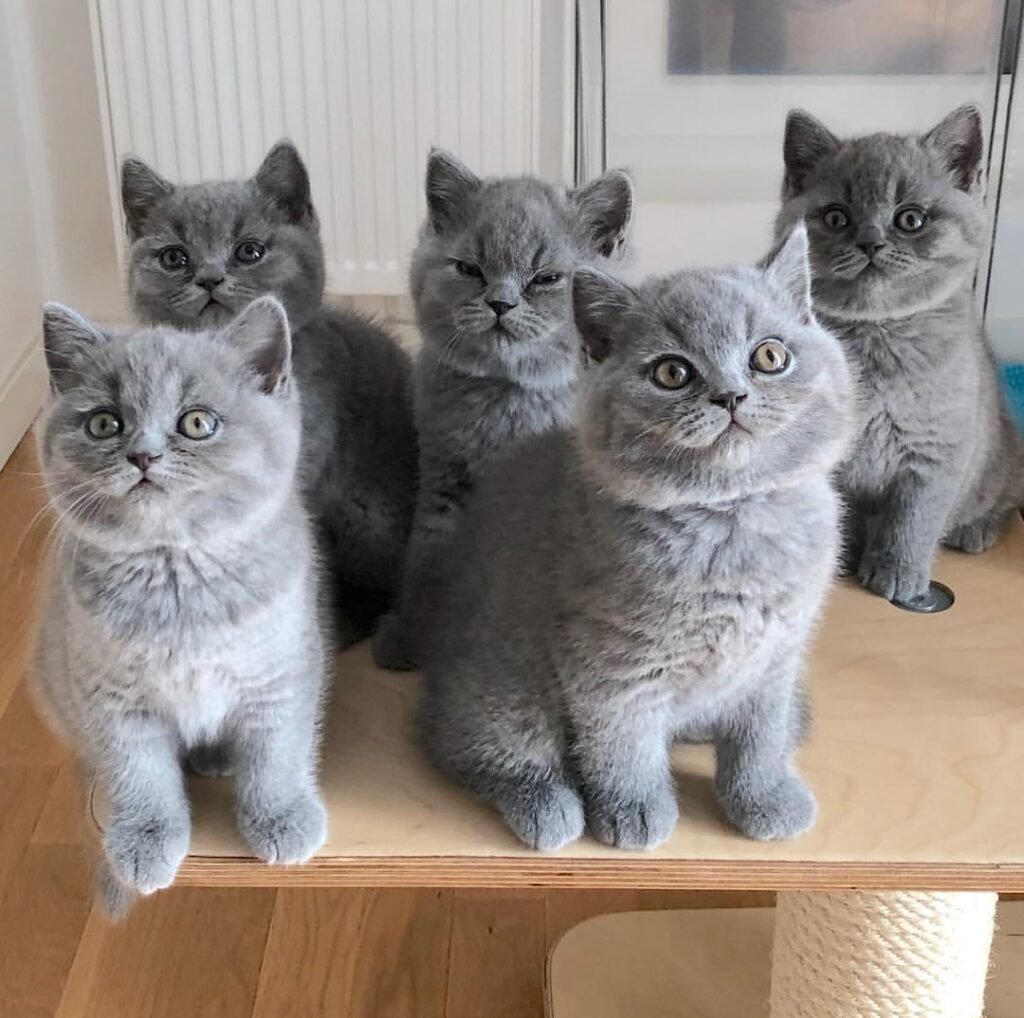
The Grey British Shorthair is a captivating breed known for its distinctive appearance and charming personality. With their plush, dense coats and round faces, these kittens quickly capture the hearts of many cat lovers. However, beyond their adorable looks lies a wealth of unique traits and characteristics that prospective owners should understand. In this article, we will explore the key traits of Grey British Shorthair kittens, covering everything from their physical attributes and temperament to essential care requirements and health considerations. Whether you are considering bringing one of these delightful kittens into your home or simply want to learn more about the breed, this guide will provide valuable insights into what to expect.
Overview of the Grey British Shorthair Breed
History and Origin
The British Shorthair is as British as tea and crumpets, with roots dating back to the Roman Empire when cats were brought over to keep the rodent population in check. Over the centuries, they’ve evolved into the charming, chunky companions we adore today. The grey variety, often referred to as “blue,” emerged as a favorite among cat lovers for its plush coat and round, expressive face—qualities that have made it an enduring classic in the feline world.
Breed Standards and Recognition
Recognized by various cat registries, the Grey British Shorthair meets the breed standards set forth by organizations like the International Cat Association (TICA) and The Cat Fanciers’ Association (CFA). Characteristics that set these cats apart include their muscular build, round heads, and, of course, that plush grey coat. They have a dignified appearance and are often described as “teddy bear-like”—a fitting description for such endearing companions.
Distinctive Physical Traits
Coat Color and Texture
The hallmark of the Grey British Shorthair is its stunning blue-grey coat, which feels like a dream come true—soft and dense, not unlike a well-loved sweater. The plush texture is thanks to their double coat, which not only looks fabulous but also provides insulation. Regular grooming will help maintain that luxurious look and keep those pesky hairballs at bay.
Body Structure and Size
These cats don’t just have looks; they also boast a well-built physique. With their stocky bodies, broad chests, and powerful legs, British Shorthairs exude strength. They’re medium to large-sized cats, typically weighing between 9 to 18 pounds. Don’t be surprised if they take up more than their fair share of your lap; they’re built for comfort!
Eye Color and Expression
One of the most captivating features of the Grey British Shorthair is its round, expressive eyes. Commonly a rich copper or deep gold, these large, open eyes give a hint of mischief and curiosity. With an expression that can melt even the most hardened of hearts, their gaze often seems to say, “Did you really think you’d get away without giving me treats today?”
Temperament and Personality Characteristics
Playfulness and Activity Level
Grey British Shorthair kittens are known for their playful antics, turning your living room into an obstacle course with an impressive array of leaps and bounds. They enjoy interactive play and will gladly chase after toys (or your shoelaces) for hours, making them an ideal companion for playtime. However, they also appreciate their downtime—like a catnip-fueled nap on your favorite chair.
Affection and Loyalty
These kittens are not just fuzzy companions; they carry an affectionate heart. While they may not be lap cats 24/7, they bond closely with their humans and revel in attention when the mood strikes. Expect moments of snuggles and head-butts that say, “Hey there, human, you’re pretty great!” It’s safe to say they’re the kind of cats who will sit on the sidelines of your life—cheering you on (or at least watching intently).
Independence vs. Sociability
Grey British Shorthairs strike a perfect balance between independence and sociability. Although they enjoy being around their humans, they’re not overly needy. Think of them as the cool roommate who likes to hang out but doesn’t mind taking time for themselves. They can entertain themselves with toys (or imaginary friends), so you can feel free to leave them alone for a few hours without worry.
Health Considerations and Common Issues
Genetic Predispositions
Like every breed, the Grey British Shorthair has its quirks when it comes to health. They can be predisposed to certain genetic conditions, including hypertrophic cardiomyopathy (HCM), a heart condition that affects many cats. Regular veterinary check-ups can help catch any issues early, allowing you to enjoy years of happy moments with your furry friend.
Regular Health Check-ups
Routine veterinarian visits are essential for the health of your furry companion. Regular check-ups can help monitor their weight, dental health, and overall well-being. As with all pets, staying up to date on vaccinations and preventative treatments like flea and tick control is vital. Plus, it gives your vet a chance to marvel at your cat’s adorable antics—bonus!
Signs of Illness to Watch For
Even the happiest cats can have off days. Keep an eye out for changes in appetite, lethargy, or unusual behavior. If your kitten suddenly decides that wrestling with the vacuum isn’t as fun as it used to be, it might be time to consult your veterinarian. Early detection is key to keeping your British Shorthair healthy and happy, ensuring that cuddles and playtime continue for years to come.
Care and Maintenance Requirements
Feeding and Nutrition
Feeding your Grey British Shorthair kitten a balanced diet is key to keeping them healthy and happy. Look for high-quality kitten food that’s rich in protein; these little fluffballs are growing fast and need all the nutrients. Divide their daily portion into multiple meals—kittens thrive on routine, and they like to feel like tiny royalty at every mealtime. Just remember, moderation is essential; you don’t want a fluffy ball of love turning into a spherical love—kittens can pack on the pounds pretty quickly!
Grooming and Hygiene
With their plush, dense coats, British Shorthairs may look like they’re ready for a cozy winter, but they require regular grooming to keep that fur looking fabulous. A good brush at least once a week will keep shedding and hairballs at bay while giving your kitten a chance to bond with you. Don’t forget about their dental hygiene—brushing their teeth or providing dental treats will help avoid that dreaded kitty breath. And yes, you might want to schedule regular baths, though don’t expect your little diva to be thrilled about it!
Exercise and Mental Stimulation
These kittens have enough playful energy to power a small city, so keeping them entertained is essential. Interactive toys, laser pointers, and good old-fashioned string provide endless fun. Set aside time each day for play sessions to prevent boredom—bored kittens can turn into mischievous troublemakers. Providing scratching posts and climbing trees will also satisfy their natural instincts and keep both their bodies and minds active.
Training Tips for Grey British Shorthairs
Basic Commands and Obedience
Training a Grey British Shorthair can be an entertaining endeavor. Start with simple commands like “sit” or “come,” using treats as incentives—the higher the value of the treat, the more enthusiastic your kitten will be. Keep sessions short but frequent; these kittens have short attention spans and would rather chase a feather than sit patiently. Remember, positive reinforcement is key—praise and treats are your best friends here!
Potty Training Techniques
The good news? Most kittens instinctively know where to do their business, but a little guidance never hurts. Provide a litter box filled with a litter that your kitten agrees to (and trust us, they’re picky). Place them in the litter box after meals or playtime, as they’ll likely need to go then. Be patient and consistent; accidents may happen, but scolding them is a no-go. Just clean it up and steer them back to their designated restroom of choice.
Addressing Behavioral Issues
If your Grey British Shorthair gets into a bit of trouble, don’t fret. The first step is understanding why they’re acting out. Scratching furniture? Provide a scratching post. Excessive meowing? Maybe they need more playtime or attention. Using a firm but gentle tone when correcting unwanted behavior is crucial; no yelling, please! Redirect their attention to a toy instead and reward good behavior. With some patience and understanding, your kitten will become the well-behaved companion of your dreams.
Socialization and Interaction with Other Pets
Introducing to Other Animals
Bringing home a new kitten? If you’ve got other pets, take it slow! Start by letting them sniff each other through a closed door, then gradually introduce them in a controlled manner. Supervised meetings are essential initially, and don’t force interaction—let your Grey British Shorthair set the pace. Remember, feline relationships can take time to blossom; think of it like a slow-brewed cup of tea: patience is everything!
Encouraging Positive Interactions
Once your Grey British Shorthair is comfortable around other pets, positive reinforcement is your best ally. Treats and playtime should be shared rewards for good behavior during interactions. Observe body language; if any pet seems uncomfortable, separate them and try again later. Positive experiences will help build a harmonious relationship—much like a well-choreographed dance that doesn’t leave anyone stepping on toes.
Understanding Feline Body Language
Speaking of body language, it’s important to know what your Grey British Shorthair is saying without words. A flicking tail may indicate annoyance, while slow blinks can be a kitty version of a kiss. Ears that are flat against the head signal discomfort or aggression—definitely a “stay away” sign! By reading their cues, you’ll help ensure smoother interactions with other pets and build a happier household.
Preparing Your Home for a New Kitten
Creating a Safe Environment
Before your Grey British Shorthair arrives, kitten-proof your home like you’re preparing for a toddler tornado! Remove any toxic plants, secure loose wires, and make sure there are no small items lying around. Create a cozy space for your new furry friend to explore, with a hidey-hole or two for them to feel safe. Safety first, because no one wants a stressed-out kitten!
Essential Supplies and Gear
When it comes to supplies, think of the essentials: a litter box, food and water bowls, high-quality kitten food, a comfy bed, and a scratching post are non-negotiable. Toys? The more the merrier! Chew toys, balls, and feather wands will keep your kitten happily occupied. Don’t forget about a collar with an ID tag; in case they decide to go on a little adventure, you’ll want to be reunited quickly!
Establishing a Routine
Kittens thrive on routine, so try to create a daily schedule that covers feeding, play, and nap times. This consistency helps your Grey British Shorthair feel secure and settled in their new home. Just like young children, they’ll appreciate knowing what to expect and when. And don’t be surprised if your little one becomes the ruler of the house—after all, they’re already mastering the art of making you cater to their every whim!In conclusion, Grey British Shorthair kittens offer a wonderful blend of beauty, charm, and companionship. By understanding their unique traits and care requirements, you can ensure a happy and healthy life for your feline friend. Whether you are a first-time cat owner or an experienced enthusiast, these kittens can bring joy and warmth to your home. With the right knowledge and preparation, you will be well-equipped to welcome a Grey British Shorthair into your family and enjoy the special bond that comes with it.
FAQs about Grey British Shorthair Kittens
What is the typical lifespan of a Grey British Shorthair?
The average lifespan of a Grey British Shorthair ranges from 12 to 20 years, depending on their overall health, genetics, and care provided.
Are Grey British Shorthairs good with children and other pets?
Yes, Grey British Shorthairs are generally known for their friendly and adaptable nature, making them good companions for children and other pets when properly socialized.
How much grooming do Grey British Shorthair kittens require?
Grey British Shorthairs have a dense coat that requires regular grooming, ideally once a week, to minimize shedding and prevent matting.
What should I feed my Grey British Shorthair kitten?
A balanced diet consisting of high-quality kitten food that meets their nutritional needs is essential for healthy growth and development. It’s important to consult your veterinarian for specific dietary recommendations.