
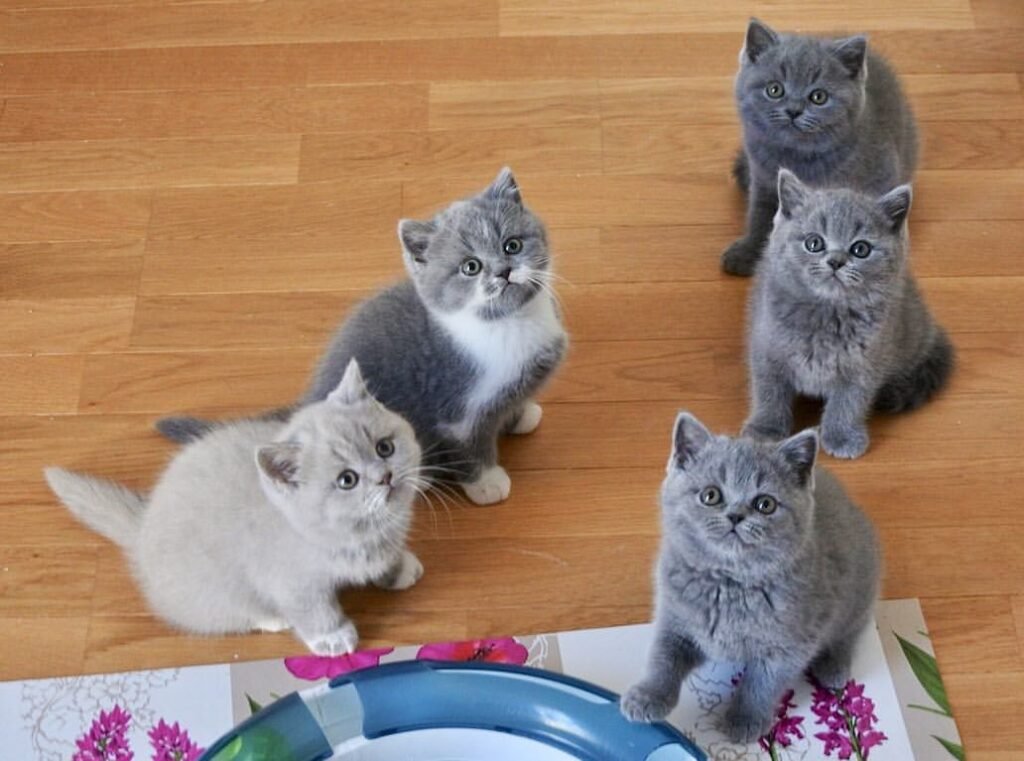
The Blue British Shorthair K is a captivating and beloved breed known for its striking appearance and endearing personality. With its plush blue-gray coat, round face, and expressive eyes, this feline stands out as a quintessential companion for cat lovers. Originating from Britain, the breed has a rich history and has gained popularity not only for its beauty but also for its gentle demeanor and affectionate nature. In this article, we will explore the unique characteristics, care requirements, and health considerations of the Blue British Shorthair K, providing potential owners with the knowledge they need to ensure a happy and healthy life for their feline friend.
Overview of the Blue British Shorthair K
Physical Appearance
The Blue British Shorthair K is a plush powerhouse of a cat, often resembling a little lion in both stature and elegance. With its round face, large copper or gold eyes, and dense, velvety fur, this feline is not just cute; it’s a form of fluffy royalty. Their muscular build and broad shoulders give them a robust silhouette, while their compact and sturdy legs ooze confidence. Overall, they exude an aura that says, “I’m here to rule your heart!”
Color Variations and Patterns
While “blue” may sound a bit sad, it’s actually a stunning slate-gray that can turn heads faster than you can say “purring machine.” The Blue British Shorthair K typically sports a solid color, but some may surprise you with subtle shading or a slightly lighter undercoat. Unlike a mood ring, their color doesn’t change with emotions, but it surely captivates anyone who gazes upon them!
Unique Characteristics of the Blue British Shorthair K
Distinctive Features
What really sets the Blue British Shorthair K apart is its delightful personality wrapped in that plush exterior. They’re known for being calm, collected, and just ever-so-slightly aloof. Think of them as the cool cat at the party who observes everything from a cozy perch. Coupled with their affectionate nature, they can easily become your couch buddy when the Netflix binge-watching begins.
Comparative Traits with Other Breeds
Compared to other breeds, the Blue British Shorthair K stands out as the introverted philosopher of the feline world, unlike the hyperactive Siamese who might invite chaos into your living room. Their moderate activity level means they enjoy a good toy mouse but won’t demand a marathon every day. In short, they are the perfect blend of independence and companionship—ideal for those who appreciate quality over quantity!
History and Origins of the Breed
Ancient Roots in Britain
The Blue British Shorthair K has a rich history that predates your average online cat meme, dating back to ancient Rome when they were believed to be descendants of cats brought over by soldiers. Fast forward to the late 19th century, and these charming felines were recognized as a distinct breed at cat shows, capturing hearts and eventually winning the title of “royal kitty” in homes across Britain.
Role in Popular Culture
Fast forward a few hundred years, and you’ll find the Blue British Shorthair K lounging alongside celebrities in films and on social media. From internet sensations to film stars (thank you, animated movies!), these adorable furballs have been cast in leading roles. They’ve solidified their status as the poster cats for elegance, making them a must-have for pet lovers and influencers alike.
Care and Maintenance for Blue British Shorthair K
Dietary Needs
Feeding your Blue British Shorthair K is a crucial task—think of it as keeping a tiny, purring engine running. A balanced diet of high-quality cat food, rich in protein and low in fillers, is essential. Keep an eye on portion sizes to prevent fluffiness from becoming a tad too fluffy, as these kitties have a knack for turning kibble into a full-blown buffet!
Grooming Requirements
Even though their plush coat is captivating, it also demands some love in the form of regular grooming. Brushing them once or twice a week will keep their fur looking pristine and help reduce shedding. Plus, it’s a great excuse for some bonding time as you delve into the amazing world of cat hair care—it’s like a spa day, but for a furry diva!
Exercise and Play
Although they might not be Olympic athletes, Blue British Shorthair Ks still need their fair share of play. Engage them with fun toys (think lasers and feather wands) to keep their minds sharp and their bodies active. A couple of play sessions each day can help prevent boredom and a potential case of the grumps—no one wants a sulking kitty on their hands!
Health Considerations and Common Issues
Genetic Predispositions
The Blue British Shorthair K is a pretty resilient breed, but like all purebreds, they can have their quirks. Genetic predispositions may include hypertrophic cardiomyopathy (HCM), a fancy term for an enlarged heart that can lead to some serious cuddle complications. Regular screenings and keeping an eye on your kitty’s health can help you nip this in the bud before it becomes a heart-stopping drama. Additionally, watch out for their hefty frames; obesity can become a very real issue if they don’t get enough playtime.
Regular Veterinary Care
Scheduling vet visits might not be your idea of a fun Saturday, but it’s essential for keeping your Blue British Shorthair K in purr-fect condition. Regular check-ups help catch potential health issues early, and vaccinations ensure your furry friend stays protected from nasty bugs. Don’t forget about dental care; those chompers need love too! So, invest in some dental treats or a gentle brushing routine to keep their smiles as brilliant as their personalities.
Personality Traits and Temperament
Social Behavior with Humans
These cats are the quintessential blend of chill and charm. Blue British Shorthairs are known for their even-tempered nature, making them the ideal couch companions and family pets. They enjoy some quality playtime but also appreciate a cozy lap for those long catnaps. While they may not greet every guest with the enthusiasm of a golden retriever, their subtle affection is deeply satisfying—think more “I see you, human” rather than “let’s have a dance party.”
Interactions with Other Pets
When it comes to other pets, the Blue British Shorthair K usually plays nice. Their laid-back demeanor means they’re generally accepting of other animals, but they might take a little time to warm up. They prefer to stand tall and observe before making their move, so don’t rush introductions. Just give them space, and soon enough, you’ll have a household full of furry friendships—or at least a shared understanding that the couch is prime napping real estate.
Choosing the Right Environment for Your Blue British Shorthair K
Space Requirements
Blue British Shorthair K cats don’t need a mansion to be happy. A cozy apartment or a house with ample room to roam (and nap) might just be perfect. However, they do appreciate a bit of space to stretch their legs and perhaps chase a toy mouse or two. They thrive in environments where they can lounge in comfort, so make sure they have their own little kingdom—complete with a plush bed and some window views.
Safe and Stimulating Environment
While they might love a good snooze, Blue British Shorthair Ks also need mental stimulation to keep their sharp minds engaged. Create a stimulating environment with scratching posts, climbing trees, and interactive toys that’ll make them feel like they’re on a grand adventure, even if it’s just within your living room. Additionally, ensuring your home is safe—like keeping toxic plants out of reach—means your kitty can explore without you having a mini heart attack every time they venture into the unknown (aka the laundry room).
Conclusion: Why the Blue British Shorthair K is a Great Companion
Final Thoughts on Ownership
Owning a Blue British Shorthair K is like welcoming a fluffy, dignified comedian into your home. Their charming personalities and adaptability make them superb companions, whether you’re living solo or with a bustling family. So, if you’re seeking a cat who can bring a mix of serenity and silliness to your life, look no further. Just don’t forget to give them the royal treatment they deserve—it’s only fair!
Encouraging Adoption and Responsible Breeding
If you’re smitten with the Blue British Shorthair K, consider adopting from shelters or rescue organizations before looking for a breeder. While responsible breeding can produce healthy kittens, there are countless cats in need of homes waiting for their forever families. Remember, bringing a pet into your life is a long-term commitment, so do your homework. Whether you adopt or buy, ensure you’re supporting ethical practices that prioritize the health and wellbeing of these delightful companions. In conclusion, the Blue British Shorthair K is more than just a beautiful breed; it is a loyal and loving companion that can bring joy to any household. By understanding their unique needs and characteristics, potential owners can make informed decisions that ensure a fulfilling and harmonious relationship with their feline friend.
Frequently Asked Questions
1. What is the typical lifespan of a Blue British Shorthair K?
The average lifespan of a Blue British Shorthair K is around 12 to 15 years, but with proper care and regular veterinary check-ups, some can live even longer.
2. Are Blue British Shorthair K cats good with children and other pets?
Yes, Blue British Shorthair K cats are generally known for their calm and friendly demeanor, making them great companions for children and other pets when properly socialized.
3. How much grooming do Blue British Shorthair K cats require?
While their dense coat does require regular brushing to prevent matting and reduce shedding, Blue British Shorthair K cats are relatively low-maintenance in terms of grooming compared to other long-haired breeds.
4. What type of diet is best for a Blue British Shorthair K?
A high-quality, balanced diet that is rich in protein is ideal for Blue British Shorthair K cats. It’s important to choose food that meets their specific age and health needs, and to monitor their weight to prevent obesity.